Fungi and algae behaviour on high-voltage insulators under environmental conditions
Abstract
Biological contamination of high-voltage insulators by fungi and algae threatens power system reliability, especially in humid tropical and subtropical environments. Field and laboratory data show that algal and fungal biofilms persistently reduce hydrophobicity and flashover strength under wet conditions. Dielectric analyses reveal that hydrated biofilms behave as lossy dielectrics with elevated permittivity and loss tangents, distorting local electric fields and accelerating surface degradation. The synergistic coexistence of algae and fungi intensifies the chemical, mechanical and dielectric deterioration of insulation materials. Microbial growth and persistence are strongly regulated by environmental factors such as humidity, rainfall, surface roughness and shading. By integrating microbiological behaviour with insulation engineering, this study establishes a unified framework for understanding biologically driven insulation degradation and informs predictive maintenance, material selection and mitigation strategies for high-voltage infrastructure operating in biologically aggressive environments. SIGNIFICANCE: Biological contamination of high-voltage insulators poses an under-recognised reliability risk in climates characterised by high humidity and rainfall, such as those found across much of South Africa. This study demonstrates how algal and fungal growth alter surface dielectric behaviour, accelerate electrical ageing, and increase maintenance demand. By clarifying the environmental-biological-electrical coupling underlying these effects, the findings support more informed inspection, material selection and mitigation strategies for resilient power transmission infrastructure.
high-voltage insulators; biological contamination; fungal and algal biofilms; surface dielectric degradation; environmental effects on insulation performance
Introduction
Biological contamination of high-voltage (HV) insulators by fungi and algae poses a growing threat to power system reliability, particularly in humid tropical and subtropical environments. Field and laboratory evidence shows that algae and fungal biofilms act as persistent surface contaminants that reduce hydrophobicity, increase leakage currents and lower flashover strength under wet conditions. Dielectric characterisation shows that hydrated biofilms behave like lossy dielectrics, exhibiting elevated relative permittivity and loss tangents, which distort local electric fields and accelerate surface degradation. The synergistic coexistence of algae and fungi further intensifies chemical, mechanical and dielectric deterioration of insulating materials. Microbial growth and persistence are strongly regulated by environmental factors, including humidity, rainfall, surface roughness and shading. By integrating microbiological behaviour with insulation engineering, this study provides a unified framework for understanding biologically driven insulation degradation and informs predictive maintenance (PdM), material selection and mitigation strategies for HV infrastructure operating in biologically aggressive environments.
The study holds particular significance for South Africa, where diverse climatic conditions - from humid coastal belts to polluted urban zones and high-rainfall inland regions - create an ideal environment for fungal and algal contamination of HV insulators. Biological growth accelerates surface degradation, reduces flashover voltage and increases maintenance costs, directly threatening transmission reliability. Given South Africa's heavy reliance on long-distance HV transmission to link coal, renewable and urban load centres, understanding biologically driven degradation is critical for grid resilience. By providing predictive insights and mitigation pathways, this research supports more reliable and cost-effective operation of the national transmission network.
The presence of fungi and algae on insulator surfaces adversely affects their electrical performance. A primary concern is the reduction in hydrophobicity, which is critical for preventing the formation of conductive water films that lead to surface leakage currents and flashovers. Research has shown that algal contamination can significantly decrease silicone rubber insulators' hydrophobicity, lowering their flashover voltage.1,2
Previous experimental studies demonstrate that surface condition strongly influences breakdown voltage, discharge development and surface degradation mechanisms.3-5
Fungal growth, particularly by species such as Curvularia and Aspergillus, has been linked to the degradation of composite insulators. These fungi can produce metabolic byproducts that deteriorate polymeric materials, compromising the mechanical integrity and longevity of the insulators.6
Different insulating materials exhibit varying degrees of susceptibility to biological contamination. Polymeric insulators, especially those made from silicone rubber, are particularly prone to biofilm formation due to their surface properties.78-10
Biofilm persistence is strongly influenced by surface chemistry and roughness, which regulate microbial adhesion and long-term colonisation.11,12
HV/medium-voltage insulators exposed to different environmental stressors exhibit distinct patterns of surface contamination that affect both their aesthetic appearance and electrical performance.
Biological, urban and coastal pollution produce distinct surface contamination patterns that modify wetting behaviour and promote conductive surface films under humid conditions. These pollutants create conductive pathways when wetted, significantly reducing insulating strength. Figure 1 and Table 1 summarise the characteristic appearances, environmental settings and electrical risks associated with these contamination types.
Addressing biological contamination on HV insulators requires a multifaceted approach. Regular cleaning and maintenance are essential to remove biofilms and prevent microbial accumulation. However, the effectiveness of cleaning methods varies depending on the type and extent of contamination, as well as the insulator material.132,14
Despite extensive prior work, biological contamination and electrical degradation of HV insulators are often treated as separate phenomena. This study highlights the importance of understanding fungal and algal behaviour on HV insulators. By investigating the environmental factors that affect microbial growth and the resulting impacts on insulator performance, engineers and researchers can create more effective materials and maintenance strategies to reduce the risks associated with biological contamination.
Methodology
The methodological framework adopts a systems-based approach in which environmental, biological, material and electrical processes are treated as interacting components rather than isolated variables (Figure 2). Climatic drivers such as humidity, rainfall intensity, temperature and atmospheric pollution govern the initiation and persistence of algal and fungal biofilms on exposed surfaces. These biological layers modify surface properties, including roughness, hydrophobicity and effective dielectric parameters, thereby altering local electric field distributions under wet and polluted conditions.
These surface modifications directly influence leakage current initiation, surface discharge activity and electric field enhancement, thereby accelerating ageing mechanisms such as hydrophobicity loss, tracking and erosion.
Environmental variables (humidity, rainfall, temperature, solar exposure and shading) regulate the formation, hydration state and persistence of algal and fungal biofilms, which in turn modify surface hydrophobicity, roughness, chemical stability and dielectric behaviour.
Under operating voltage, hydrated biofilms act as lossy dielectric layers with elevated permittivity and conductivity, distorting local electric fields and promoting leakage currents and surface ageing.
Methodologically, the study combines (i) field observations of biologically contaminated insulators across representative climatic regions, (ii) laboratory-based electrical and dielectric characterisation under controlled wet and dry conditions and (iii) comparative analyses across insulator materials.
This integrated approach enables direct linkage between environmental exposure, biological growth, surface modification and electrical response.
Types of HV insulators
HV insulators mechanically support and electrically isolate conductors in overhead transmission and substation environments. Their selection is governed by voltage level, environmental stressors (e.g. pollution, humidity and biological activity), mechanical loading and regional practices.15,16
Although insulation principles are universal, material choice varies by region due to climate, utility practices and availability. Polymeric insulators dominate in the Americas, China and India, while porcelain and glass remain common in parts of Europe and Africa. A detailed illustration of regional insulator preferences is presented in Table 2.15,17-20
Traditionally, Europe favours porcelain and glass insulators due to legacy infrastructure and conservative replacement practices. In the Asia-Pacific region, rapid electrification and newer infrastructure encourage the use of polymeric insulators, especially in highly polluted and coastal areas. In most African countries, porcelain remains common due to availability and robustness, but polymeric insulators are gaining ground in high-contamination zones and remote installations. Both North and South American countries, such as the USA, Brazil, and Mexico, have adopted polymeric insulators widely due to their ease of installation and reduced maintenance.
The biological performance of these materials also varies. Porcelain and glass readily support biofilm adhesion once their surfaces become roughened, while polymeric insulators initially resist biological growth due to hydrophobic properties, but they become susceptible as ageing increases surface roughness and promotes chemical degradation.21-23
This classification provides engineers and system planners with a foundational understanding of how insulator material selection relates to both environmental conditions and biological fouling risks. For further optimisation, hybrid insulators or nanocomposite coatings are being explored as future alternatives that offer enhanced resistance to microbial growth, pollution and weathering.
Types of algae and fungi
Algal colonisation of HV insulators is predominantly observed in humid and subtropical climates, where moisture and moderate temperatures facilitate growth. The presence of algae can significantly degrade the hydrophobic properties of insulator surfaces, leading to increased leakage currents and a reduction in flashover voltage.1,21,24
Several algal genera, including Chlorella, Scenedesmus, and Nostoc, have been identified on HV insulator surfaces, where their biofilms retain moisture, reduce surface resistivity and promote conductive pathways under wet conditions.7,24-26
Fungi are ubiquitous organisms that can colonise a wide variety of surfaces, including those of HV insulators. Their spores can adhere to insulator materials, germinate and form hyphal networks that penetrate surface layers.8
Fungal genera frequently isolated from contaminated insulators include Aspergillus, Penicillium and Cladosporium, which form persistent hyphal networks that retain moisture, particulates and salts, thereby enhancing surface conductivity and accelerating material degradation.7,8,14
Fungal metabolic activity, including organic acid production and enzymatic degradation, can compromise both the mechanical integrity and electrical insulation performance of polymeric materials.7,27
Algal and fungal biofilms frequently coexist on insulator surfaces, producing synergistic biological, chemical and dielectric degradation effects that are regulated by environmental exposure.2
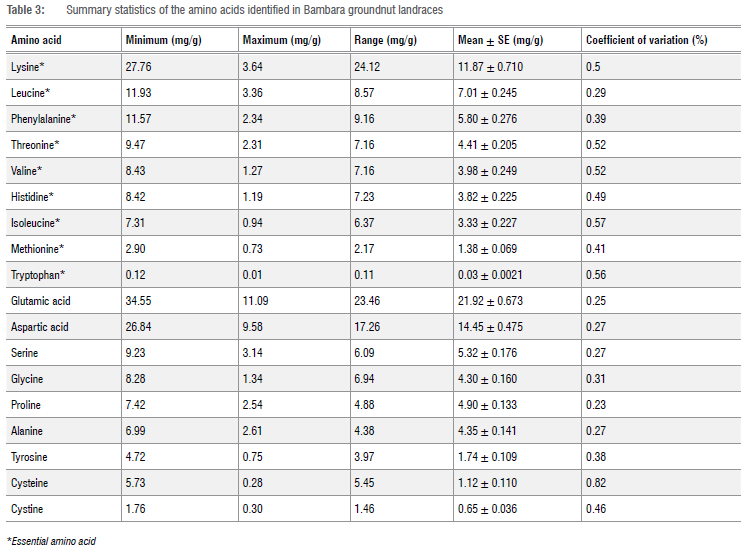
The key physical, dielectric and thermal properties of algal and fungal biofilms relevant to HV insulation are summarised in Table 3.28-41
Electrical behaviour of algae and fungi
Both algae and fungi, when present as hydrated biofilms on HV insulators, act as lossy dielectric layers that alter surface electrical behaviour. These biological films exhibit high relative permittivity (εr = 20-80) and loss tangent values (tan δ = 0.1-0.7) in the wet state, comparable to those of biological tissues.42-44 Such dielectric properties enhance local field distortion, reduce flashover voltage and promote partial discharge initiation, particularly under humid or polluted conditions.7,45,46
Their high water content and ionic mobility increase surface conductivity (10-8-10-4 S/m), thereby promoting leakage currents and surface discharges during mist or dew events.
Fungal hyphae further enhance conduction by binding dust, salts and moisture, thereby forming conductive bridges that facilitate corona discharge and surface erosion.45
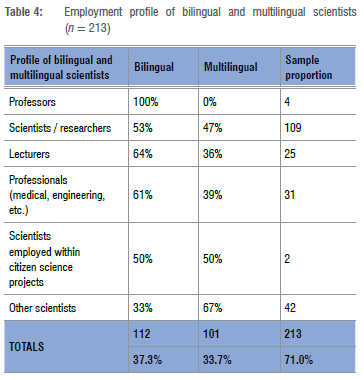
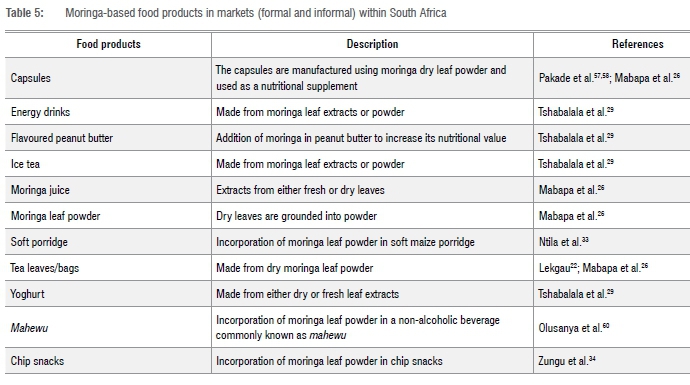
Across diverse engineered systems, biofilm formation is strongly governed by surface material properties, environmental conditions and nutrient availability (Tables 4 and 5). Smooth, hydrophilic or nutrient-rich surfaces generally support higher microbial loads, while antimicrobial materials such as copper inhibit colonisation. These trends are consistent across HVAC (high-voltage alternating current) systems, wastewater treatment facilities and outdoor infrastructure systems, underscoring the transferability of biofilm-surface interaction principles to HV insulators.
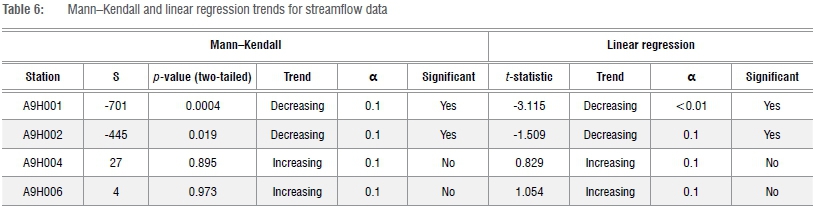
Empirical evidence across aquatic, terrestrial and atmospheric systems demonstrates that precipitation is a dominant driver of algal and fungal proliferation (Table 6). Increased rainfall enhances nutrient availability, microbial abundance and species richness, often by orders of magnitude, with direct implications for biofilm formation and persistence on outdoor HV insulation surfaces.47-52
Discussion
Environmental drivers and biological colonisation
The results confirm that environmental exposure plays a dominant role in governing the extent and persistence of biological contamination on HV insulator surfaces. High humidity, frequent rainfall, moderate temperatures and limited solar exposure collectively promote algal and fungal growth, particularly on polymeric insulators deployed in subtropical and coastal regions.
These findings are consistent with broader ecological evidence indicating that precipitation and humidity are primary regulators of microbial proliferation across both engineered and natural systems. Accordingly, HV infrastructure in high-rainfall and coastal regions is inherently more vulnerable to persistent biological contamination.
Electrical and material aspects of biofilm formation
Biological colonisation alters the electrical behaviour of HV insulators primarily by modifying surface hydrophobicity, roughness and dielectric properties. Hydrated biofilms behave as lossy dielectric layers with elevated permittivity and conductivity, leading to electric field distortion, leakage current initiation and accelerated surface ageing.
This behaviour provides a mechanistic explanation for the observed reduction in flashover voltage and increased surface discharge activity under humid conditions.
Fungal hyphal networks intensify degradation by binding particulates and moisture, forming conductive bridges that promote corona discharge and erosion.
Feedback mechanisms and long-term degradation
A critical insight emerging from this study is the presence of a self-reinforcing degradation loop linking biological colonisation and electrical ageing. Initial microbial growth degrades surface hydrophobicity and dielectric integrity, which in turn enhances moisture retention and electrical stress concentration, further promoting biological attachment and persistence.
This coupled behaviour explains the accelerated ageing often observed in biologically contaminated insulators exposed to repeated wetting and electrical stressing.
Over long service periods, these feedback mechanisms substantially reduce insulation lifespan in wet and humid climates.
Collectively, these results demonstrate that biological contamination represents a coupled environmental-biological-electrical degradation process rather than a superficial soiling phenomenon.
The integrated analysis clarifies how environmental exposure propagates through biological colonisation to influence material degradation and electrical performance.
This systems-level perspective supports improved risk assessment, inspection strategies and material selection for HV networks operating in biologically active environments.
Comparison with previous research in terms of efficiency and cost
This study advances earlier research on biological contamination of HV insulators by integrating environmental, biological and electrical variables into a unified diagnostic framework. Previous investigations1,2,14 primarily evaluated hydrophobicity loss or dielectric performance under controlled laboratory conditions, without explicitly coupling microbial activity and climatic variability. In contrast, the current framework improves analytical efficiency by enabling causal interpretation across multiple stressors within a single model. This multidimensional approach reduces the number of laboratory trials required for performance prediction, thereby lowering experimental and monitoring costs.
From a mitigation perspective, conventional surface-cleaning or RTV re-coating methods remain costly and time-consuming, with maintenance intervals typically under 1 year in humid tropical climates.1313,14 In contrast, the predictive framework proposed here allows utilities to target only high-risk zones, potentially extending cleaning intervals by 30-50% and reducing associated operational costs by approximately 20-30%, consistent with trends reported for condition-based maintenance systems in power assets.14,17
To contextualise the practical advantages of the proposed diagnostic framework, it is useful to consider illustrative maintenance cost and efficiency comparisons between traditional reactive or preventive maintenance practices and a PdM-orientated approach. Traditional maintenance of overhead transmission lines typically encompasses both scheduled preventative actions and frequent corrective interventions, with insulators often contributing disproportionately to outage-related repair costs due to flashovers and environmental fouling.1-3 Although insulator hardware itself may account for only 5-10% of total line capital cost, performance failures can contribute up to roughly 50% of line maintenance costs and unplanned outage impacts in harsh environments.8
By contrast, studies of PdM across industrial sectors suggest that condition-based strategies can reduce overall maintenance costs by 10-40% and decrease unplanned downtime by 30-45% compared with reactive or purely schedule-based approaches, despite requiring moderate upfront investment in sensing and analytics infrastructure. For example, predictive models can shift inspection resources from calendar-based schedules to condition-based thresholds, reducing unnecessary labour and extending component service life, which in power systems could translate into reduced frequency of live-line insulator cleaning or replacement and lower outage risk.
Although precise financial quantification for HV insulators in African transmission systems is beyond the scope of this study, these generalised efficiency trends, combined with evidence that poor environmental and biological fouling can dominate maintenance efforts, illustrate that integrating predictive diagnostic indicators (e.g. biofilm-driven dielectric change) aligns with broader industry benefits of predictive over reactive maintenance strategies (Table 7).53,54 This supports the practical and cost-efficient value of the framework proposed here, especially for utilities operating in tropical and subtropical climates where environmental stressors accelerate degradation.
Practical applicability, scalability and limitations
The systems-based framework developed in this study offers tangible applications for HV asset management. By integrating field diagnostics with laboratory dielectric characterisation, utilities can predict contamination-prone zones and schedule preventive maintenance more effectively. Environmental variables, such as humidity, rainfall, temperature and pollution indices, can be incorporated into geographic information systems for scalable risk mapping across diverse voltage levels and climatic regions. Dielectric parameters obtained in this study may also be integrated into online monitoring systems for real-time condition assessment.
Nevertheless, certain limitations should be acknowledged. The current model is primarily validated under South African climatic conditions and may require recalibration for other geographical contexts. Laboratory tests capture short-term biofilm behaviour and may not fully represent long-term environmental ageing. Additionally, the scalability of the biofilm-dielectric coupling model depends on advances in sensor technologies capable of detecting microscale conductivity variations. Despite these constraints, the methodological framework presented here establishes a transferable foundation for PdM, material selection and the design of biologically resilient insulation systems under varying environmental stresses.
Mitigation strategies and future research directions
The findings of this study indicate that biological contamination is not merely a surface fouling phenomenon but a coupled biological-dielectric degradation process. Accordingly, effective mitigation requires strategies that simultaneously address environmental exposure, material susceptibility and surface electrical behaviour.
Future work should focus on the development of bio-resistant insulating surfaces through nanocomposite silicone rubbers, fluorinated RTV coatings and antimicrobial fillers (e.g. copper- or zinc-based additives) that inhibit microbial adhesion while preserving hydrophobicity. Micro and nanoscale surface texturing to reduce biofilm anchorage, combined with self-cleaning or photocatalytic coatings, represents a promising direction for long-term contamination control.
The systems-based framework proposed here can be extended into a decision-support tool by integrating climatic data (humidity, rainfall, shading and pollution) into geographic information systems-based risk maps. Utilities could then shift from time-based to condition-based maintenance, targeting only biologically high-risk corridors and substations. This approach would reduce unnecessary washing or re-coating and improve cost efficiency.
Future research should explore low-cost dielectric or surface conductivity sensors for detecting early-stage biofilm formation. Coupled with leakage current monitoring and infrared/optical imaging, such systems could provide real-time warnings before flashover risk becomes critical.
Long-term comparative field trials across different climatic regions are required to quantify the durability and cost-effectiveness of bio-resistant coatings and materials. Life-cycle cost and environmental impact analyses should be incorporated to support utility-scale adoption.
Finally, coupling microbial growth kinetics with dielectric ageing and electric field simulations would enable more accurate prediction of insulation lifespan under biological stress, guiding both design standards and maintenance policies.
Collectively, these strategies translate the present findings into a practical roadmap for improving the resilience and sustainability of HV insulation systems operating in biologically aggressive environments.
Conclusions
This study examined the role of biological contamination, particularly algal and fungal growth, in the degradation of HV insulator performance under diverse environmental conditions. By integrating field observations, laboratory-based electrical and dielectric characterisation and synthesis of ecological evidence, the work demonstrates that biological growth is a critical yet often underappreciated driver of insulation ageing.
Environmental drivers such as humidity and rainfall promote microbial colonisation, which degrades surface hydrophobicity and dielectric behaviour, increases leakage currents and accelerates ageing through tracking and erosion.
A central outcome is the identification of a self-reinforcing feedback loop linking biological growth and electrical degradation.
These insights support biologically informed inspection, material selection and mitigation strategies, particularly for HV networks operating in humid and high-rainfall environments.
Future work should prioritise long-term field validation, bio-resistant surface treatments and predictive models integrating climatic, biological and electrical ageing processes.
Data availability
All the data supporting the results of this study are included in the article itself.
Declarations
I have no competing interests to declare. I have no AI or LLM use in the text to declare. Figure 2 in this paper was initially developed manually using graphic design software (Photoshop) and subsequently refined with the assistance of generative AI tools (ChatGPT) to improve visual clarity and presentation quality. No AI tools were used to generate the conceptual content of the figures or the scholarly arguments of the paper. I reviewed and approved the final figure and assume full responsibility for its accuracy and integrity.
Acknowledgements
I acknowledge the support of Dr Salman Minhas and Mr Nishanth Parus at the University of the Witwatersrand, Prof. Zainal Kadir, Ms Saadiah Rusli and Dr Norhafiz Aziz at Universiti Putra Malaysia, and Dr Mahbubur Rahman at Uppsala University, Sweden, in developing this paper.
References
-
1. Yang S, Jia Z, Ouyang X. Effects of algae contamination on the hydrophobicity of high-voltage composite insulators. High Voltage. 2019;4(3):234-240. https://doi.org/10.1049/hve.2019.0073
» https://doi.org/10.1049/hve.2019.0073 -
2. Li Y, Song Z, Tian Y, Yang C, Liu F, Bai H, et al. Study on the algae contamination and its effects on the properties of RTV-coated insulators. Energies. 2021;15(14), Art. #5216. https://doi.org/10.3390/en15145216
» https://doi.org/10.3390/en15145216 - 3. Minhas S, Minhas A, Gomes C. Optically visible discharge paths of surface flashover on insulators. Paper presented at: ISH2025. Japan: Karuizawa; 2025.
- 4. Gomes C, Cooray V, Rahman M. Breakdown characteristics and optically visible discharge paths of surface flashover. Paper presented at: IEEE Conference on Sustainable Utilization and Development in Engineering and Technology. Malaysia: Kuala Lumpur; 2012.
-
5. Rusli H, Gomes C, Kadir Z, Abdul-Malek Z. Surface arcing of insulators due to bentonite contamination. J Electrost. 2015;76:73-77. https://doi.org/10.1016/j.elstat.2015.05.009
» https://doi.org/10.1016/j.elstat.2015.05.009 -
6. Tshubwana RP, Gomes C, Van Collar J, Regnier TJ. Microbiological growth analysis on a 275 kV transmission line composite insulator in South Africa. S Afr J Sci. 2024;120(1/2), Art. #15629. https://doi.org/10.17159/sajs.2024/15629
» https://doi.org/10.17159/sajs.2024/15629 - 7. Jabarzadeh SA. Prevention of biofilm formation on silicone rubber materials [PhD thesis]. Stockholm: KTH; 2015.
-
8. Wallström S, Strömberg E, Karlsson S. Microbiological growth testing of polymeric materials: An evaluation of new methods. Polym Test. 2005;24(5):557-563. https://doi.org/10.1016/j.polymertesting.2005.02.005
» https://doi.org/10.1016/j.polymertesting.2005.02.005 -
9. Pourrahimi AM, Olsson RT, Hedenqvist MS. The role of interfaces in polyethylene/metal-oxide nanocomposites for ultrahigh-voltage insulating materials. Adv Mater. 2018;30(4), Art. #1703624. https://doi.org/10.1002/adma.201703624
» https://doi.org/10.1002/adma.201703624 -
10. Liang M, Wong KL. Improving the long-term performance of composite insulators using nanocomposite: A review. Energy Procedia. 2017;110:168-173. https://doi.org/10.1016/j.egypro.2017.03.123
» https://doi.org/10.1016/j.egypro.2017.03.123 -
11. Lai CQ. The effects of subcellular nanograting geometry on the formation and growth of bacterial biofilms. IEEE Trans NanoBiosci. 2020;19(2):203-212. https://doi.org/10.1109/TNB.2019.2957060
» https://doi.org/10.1109/TNB.2019.2957060 -
12. Calebrese C, Hui L, Schadler LS, Nelson JK. A review on the importance of nanocomposite processing to enhance electrical insulation. IEEE Trans Dielectr Electr Insul. 2011;18(4):938-945. https://doi.org/10.1109/TDEI.2011.5976079
» https://doi.org/10.1109/TDEI.2011.5976079 -
13. IEEE draft guide for monitoring, managing and cleaning of contaminated insulators. In: IEEE P957/D5. IEEE; 2023. p. 1-56. Available from: https://ieeexplore.ieee.org/document/10326135
» https://ieeexplore.ieee.org/document/10326135 -
14. Ouyang X, Yin F, Jia Z, Yang S, Wang Y, Bai H, et al. Research of biological contamination and its effect on the properties of RTV-coated insulators. Electr Power Syst Res. 2019;167:138-149. https://doi.org/10.1016/j.epsr.2018.10.025
» https://doi.org/10.1016/j.epsr.2018.10.025 -
15. Angalane SK, Kasinathan E. A review on polymeric insulation for high voltage application under various stress conditions. Polym Compos. 2022;43(8):4803-4834. https://doi.org/10.1002/pc.26793
» https://doi.org/10.1002/pc.26793 -
16. Ghosh D, Khastgir D. Degradation and stability of polymeric high-voltage insulators and prediction of their service life through environmental and accelerated aging processes. ACS Omega. 2018;3(9):11317-11330. https://doi.org/10.1021/acsomega.8b01560
» https://doi.org/10.1021/acsomega.8b01560 -
17. Ali A, Bhatti AR, Rasool A, Rehman FU, Khan MA, Ali A, et al. Performance analysis of high voltage disc insulators with different profiles in clean and polluted environments using flashover, withstand voltage tests and finite element analysis. Sci Rep. 2024;14(1), Art. #20299. https://doi.org/10.1038/s41598-024-71392-5
» https://doi.org/10.1038/s41598-024-71392-5 -
18. Ezzat A, Aigbodion V, Ohiemi I, Al-Lohedan H. Unveiling high performance insulating properties of epoxy-oyster shell nanoparticles composites for high-voltage applications. J Mater Res Technol. 2024;30:80-87. https://doi.org/10.1016/j.jmrt.2024.03.002
» https://doi.org/10.1016/j.jmrt.2024.03.002 -
19. Pleşa I, Noţingher PV, Schlögl S, Sumereder C, Muhr M. Properties of polymer composites used in high-voltage applications. Polymers. 2016;8(5), Art. #173. https://doi.org/10.3390/polym8050173
» https://doi.org/10.3390/polym8050173 -
20. Belhouchet K, Bayadi A, Belhouchet H, Romero M. Improvement of mechanical and dielectric properties of porcelain insulators using economic raw materials. Bol Soc Esp Ceram Vidr. 2019;58(1):28-37. https://doi.org/10.1016/j.bsecv.2018.05.004
» https://doi.org/10.1016/j.bsecv.2018.05.004 -
21. Khatoon S, Khan AA, Tariq M, Alamri B, Mihet-Popa L. Flashover voltage prediction models under agricultural and biological contaminant conditions on insulators. Energies. 2022;15(4), Art. #1297. https://doi.org/10.3390/en15041297
» https://doi.org/10.3390/en15041297 -
22. Qiao X, Ming Y, Xu K, Yi N, Sundararajan R. Aging of polymeric insulators under various conditions and environments: Another look. Energies. 2022;15(23), Art. #8809. https://doi.org/10.3390/en15238809
» https://doi.org/10.3390/en15238809 -
23. Kim K, Moon B, Kim D, Park K, Seok C, Kim T, et al. Mechanical property evaluation according to alumina content of aged porcelain insulator. J Mater Res Technol. 2020;9(5):9777-9783. https://doi.org/10.1016/j.jmrt.2020.06.075
» https://doi.org/10.1016/j.jmrt.2020.06.075 -
24. Bengtsson M, Wallström S, Sjöholm M, Grönlund R, Anderson B, Larsson A, et al. Fungus covered insulator materials studied with laser-induced fluorescence and principal component analysis. Appl Spectrosc. 2005;59(8):1037-1041. https://doi.org/10.1366/0003702054615214
» https://doi.org/10.1366/0003702054615214 -
25. Bengtsson M, Grönlund R, Sjöholm M, Abrahamsson C, Dernfalk A, Wallström S, et al. Fluorescence lidar imaging of fungal growth on high-voltage outdoor composite insulators. Opt Lasers Eng. 2005;43(6):624-632. https://doi.org/10.1016/j.optlaseng.2004.09.019
» https://doi.org/10.1016/j.optlaseng.2004.09.019 -
26. Li X, Wu X, Yang S, Gao B, Li L, Cao B. Influence of green algae on the surface wetting characteristics of porcelain insulators. Energies. 2025;18(16), Art. #4212. https://doi.org/10.3390/en18164212
» https://doi.org/10.3390/en18164212 -
27. Gubanski SM, Karlsson S, Fernando MARM. Performance of biologically contaminated high voltage insulators. Paper presented at: First International Conference on Industrial and Information Systems. IEEE; 2006. p. 30-35. https://doi.org/10.1109/ICIIS.2006.365630
» https://doi.org/10.1109/ICIIS.2006.365630 -
28. Busch A, Hess S. A diverse group of underappreciated zygnematophytes deserves in-depth exploration. Appl Phycol. 2022;3(1):306-323. https://doi.org/10.1080/26388081.2022.2081819
» https://doi.org/10.1080/26388081.2022.2081819 -
29. Maksimova YG. Microbial biofilms in biotechnological processes. Appl Biochem Microbiol. 2014;50:750-760. https://doi.org/10.1134/S00036838140800043
» https://doi.org/10.1134/S00036838140800043 -
30. Šunić I, Havaš Auguštin D, Šarac J, Michl K, Cernava T, Jakobsen RR, et al. Associations between indoor fungal community structures and environmental factors: Insights from the evidence-driven indoor air-quality improvement study. J Fungi. 2025;11(4), Art. #261. https://doi.org/10.3390/jof11040261
» https://doi.org/10.3390/jof11040261 -
31. Čačković A, Brozinčević A, Mirosavljević M, Orlić S. Microbial community dynamics in early tufa biofilms. MicrobiologyOpen. 2025;14(6), e70153. https://doi.org/10.1002/mbo3.70153
» https://doi.org/10.1002/mbo3.70153 -
32. Giaouris E, Simões M, Dubois-Brissonnet F. The role of biofilms in the development and dissemination of microbial resistance within the food industry. Foods. 2020;9(6), Art. #816. https://doi.org/10.3390/foods9060816
» https://doi.org/10.3390/foods9060816 -
33. Liu HY, Prentice EL, Webber MA. Mechanisms of antimicrobial resistance in biofilms. npj Antimicrob Resist. 2024;2, Art. #27. https://doi.org/10.1038/s44259-024-00046-3
» https://doi.org/10.1038/s44259-024-00046-3 -
34. Flemming HC, Wingender J. The biofilm matrix. Nat Rev Microbiol. 2010;8:623-633. https://doi.org/10.1038/nrmicro2415
» https://doi.org/10.1038/nrmicro2415 -
35. Strycharz-Glaven SM, Snider RM, Guiseppi-Elie A, Tender LM. On the electrical conductivity of microbial nanowires and biofilms. Energy Environ Sci. 2011;4:4366-4379. https://doi.org/10.1039/C1EE01753E
» https://doi.org/10.1039/C1EE01753E -
36. Pollacco DA, Farina L, Wismayer PS, Farrugia L, Sammut CV. Characterization of the dielectric properties of biological tissues and their correlation to tissue hydration. IEEE Trans Dielectr Electr Insul. 2018;25(6):2191-2197. https://doi.org/10.1109/TDEI.2018.007346
» https://doi.org/10.1109/TDEI.2018.007346 -
37. Gansauge C, Echtermeyer D, Frense D. Simulation of electrical biofilm impedance to determine the sensitivity of electrode geometries. Chemosensors. 2024;12(1), Art. #14. https://doi.org/10.3390/chemosensors12010014
» https://doi.org/10.3390/chemosensors12010014 -
38. De Celis M, Modin O, Arregui L, Persson F, Santos A, Belda I, et al. Community successional patterns and inter-kingdom interactions during granular biofilm development. npj Biofilms Microbiomes. 2024;10, Art. #109. https://doi.org/10.1038/s41522-024-00581-x
» https://doi.org/10.1038/s41522-024-00581-x - 39. Barwant MM, Singh B, Tripathi S, Tyagi S, Dwivedi S, Pramila A, et al. Algal, fungal and microbial research. Agra: Genic Books Publishers Pvt. Ltd; 2023.
-
40. Baltrėnas P, Misevičius A. Biogas production experimental research using algae. J Environ Health Sci Eng. 2015;13, Art. #18. https://doi.org/10.1186/s40201-015-0169-z
» https://doi.org/10.1186/s40201-015-0169-z -
41. Enamala MK, Enamala S, Chavali M, Donepudi J, Yadavalli R, Kolapalli B, et al. Production of biofuels from microalgae - a review on cultivation, harvesting, lipid extraction, and numerous applications of microalgae. Renew Sustain Energy Rev. 2018;94:49-68. https://doi.org/10.1016/j.rser.2018.05.012
» https://doi.org/10.1016/j.rser.2018.05.012 -
42. Luo Q, Shen H, Zhou G, Xu X. A mini-review on the dielectric properties of cellulose and nanocellulose-based materials as electronic components. Carbohydr Polym. 2023;303, Art. #120449. https://doi.org/10.1016/j.carbpol.2022.120449
» https://doi.org/10.1016/j.carbpol.2022.120449 -
43. Tsyganov A, Vikulova M, Artyukhov D, Bainyashev A, Goffman V, Gorokhovsky A, et al. Permittivity and dielectric loss balance of PVDF/K1.6Fe1.6Ti6.4O16/MWCNT three-phase composites. Polymers. 2022;14(21), Art. #4609. https://doi.org/10.3390/polym14214609
» https://doi.org/10.3390/polym14214609 -
44. Chen L, Kim C, Batra R, Lightstone JP, Wu C, Li Z, et al. Frequency-dependent dielectric constant prediction of polymers using machine learning. npj Comput Mater. 2020;6, Art. #61. https://doi.org/10.1038/s41524-020-0333-6
» https://doi.org/10.1038/s41524-020-0333-6 -
45. Hadady H, Wong JJ, Hiibel SR, Redelman D, Geiger EJ. High frequency dielectrophoretic response of microalgae over time. Electrophoresis. 2014;35(24):3533-3540. https://doi.org/10.1002/elps.201400306
» https://doi.org/10.1002/elps.201400306 -
46. Papciak D, Domoń A, Zdeb M, Tchórzewska-Cieślak B, Konkol J, Sočo E. Mechanism of biofilm formation on installation materials and its impact on the quality of tap water. Water. 2022;14(15), Art. #2401. https://doi.org/10.3390/w14152401
» https://doi.org/10.3390/w14152401 -
47. Meng PJ, Tew KS, Hsieh HY, Chen CC. Relationship between magnitude of phytoplankton blooms and rainfall in a hyper-eutrophic lagoon: A continuous monitoring approach. Mar Pollut Bull. 2017;124(2):897-902. https://doi.org/10.1016/j.marpolbul.2016.12.040
» https://doi.org/10.1016/j.marpolbul.2016.12.040 -
48. Niu M, Hu W, Cheng B, Wu L, Ren L, Deng J, et al. Influence of rainfall on fungal aerobiota in the urban atmosphere over Tianjin, China: A case study. Atmos Environ X. 2021;12, Art. #100137. https://doi.org/10.1016/j.aeaoa.2021.100137
» https://doi.org/10.1016/j.aeaoa.2021.100137 -
49. Heo KJ, Kim HB, Lee BU. Concentration of environmental fungal and bacterial bioaerosols during the monsoon season. J Aerosol Sci. 2014;77:31-37. https://doi.org/10.1016/j.jaerosci.2014.07.001
» https://doi.org/10.1016/j.jaerosci.2014.07.001 -
50. Grinn-Gofroń A, Bosiacka B, Bednarz A, Wolski T. A comparative study of hourly and daily relationships between selected meteorological parameters and airborne fungal spore composition. Aerobiologia. 2017;34(1):45-54. https://doi.org/10.1007/s10453-017-9493-3
» https://doi.org/10.1007/s10453-017-9493-3 -
51. Xiao Y, Bao F, Xu X, Yu K, Wu B, Gao Y, et al. The influence of precipitation timing and amount on soil microbial community in a temperate desert ecosystem. Front Microbiol. 2023;14, Art. #1249036. https://doi.org/10.3389/fmicb.2023.1249036
» https://doi.org/10.3389/fmicb.2023.1249036 -
52. Blazewicz SJ, Schwartz E, Firestone MK. Growth and death of bacteria and fungi underlie rainfall-induced carbon dioxide pulses from seasonally dried soil. Ecology. 2014;95(5):1162-1172. https://doi.org/10.1890/13-1031.1
» https://doi.org/10.1890/13-1031.1 -
53. Benhanifia A, Cheikh ZB, Oliveira PM, Valente A, Lima J. Systematic review of predictive maintenance practices in the manufacturing sector. Intell Syst Appl. 2025;26, Art. #200501. https://doi.org/10.1016/j.iswa.2025.200501
» https://doi.org/10.1016/j.iswa.2025.200501 -
54. Luo Y, Liu J, Wang Y, Mei Z, Liu X. Research on insulator contamination component identification based on neural network. Front Electron. 2025;6, Art. #1680502. https://doi.org/10.3389/felec.2025.1680502
» https://doi.org/10.3389/felec.2025.1680502

Revised: 26 Jan. 2026
Revised: 24 Mar. 2026
Accepted: 18 May 2026
Published: 29 July 2026
Funding: None