DNH 109: A fragmentary hominin near-proximal ulna from Drimolen, South Africa
Abstract
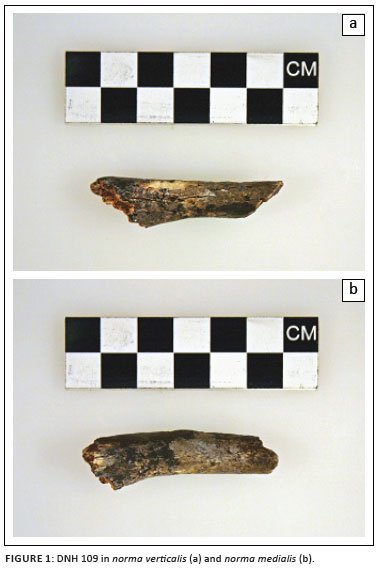
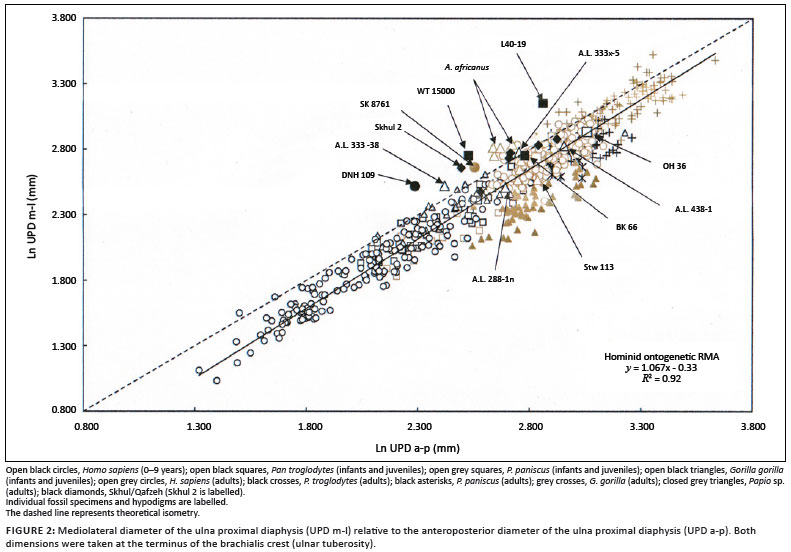
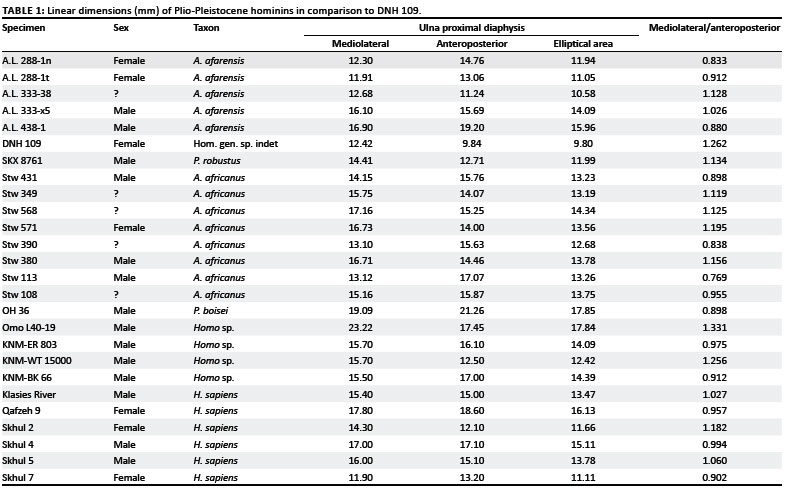
We describe a fragmentary, yet significant, diminutive proximal ulna (DNH 109) from the Lower Pleistocene deposits of Drimolen, Republic of South Africa. On the basis of observable morphology and available comparative metrics, DNH 109 is definitively hominin and is the smallest African Plio-Pleistocene australopith ulna yet recovered. Mediolateral and anteroposterior dimensions of the proximal diaphysis immediately distal to the m. brachialis sulcus in DNH 109 yield an elliptical area (π/4 *m-l*a-p) that is smaller than the A.L. 333-38 Australopithecus afarensis subadult from Hadar. Given the unusually broad mediolateral anteroposterior diaphyseal proportions distal to the brachialis sulcus, the osseous development of the medial and lateral borders of the sulcus, and the overall size of the specimen relative to comparative infant, juvenile, subadult and adult comparative hominid ulnae (Gorilla, Pan and Homo), it is probable that DNH 109 samples an australopith of probable juvenile age at death. As a result of the fragmentary state of preservation and absence of association with taxonomically diagnostic craniodental remains, DNH 109 cannot be provisionally assigned to any particular hominin genus (Paranthropus or Homo) at present. Nonetheless, DNH 109 increases our known sample of available Plio-Pleistocene subadult early hominin postcrania.
 Thumbnail
 Thumbnail