Angolan vegetable crops have unique genotypes of potential value for future breeding programmes
Abstract
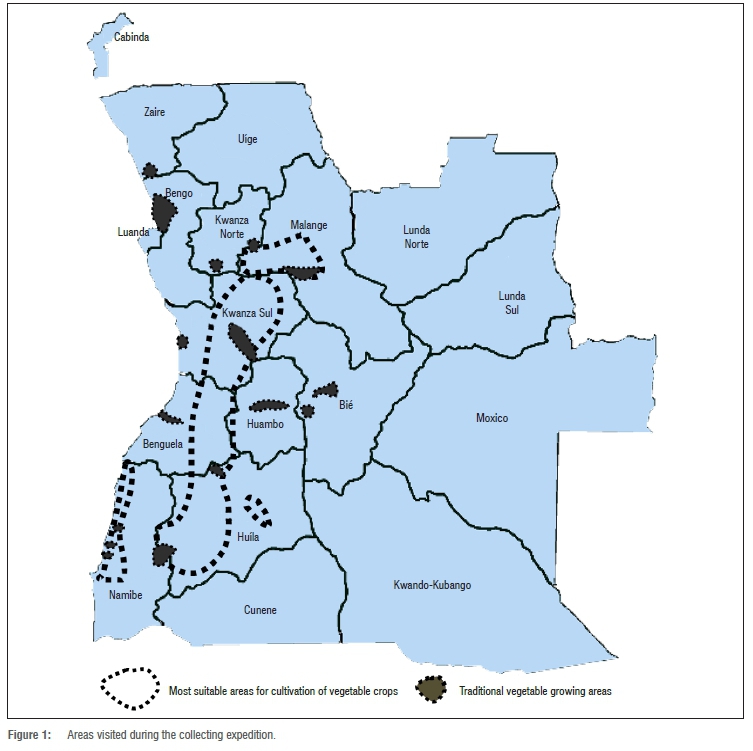
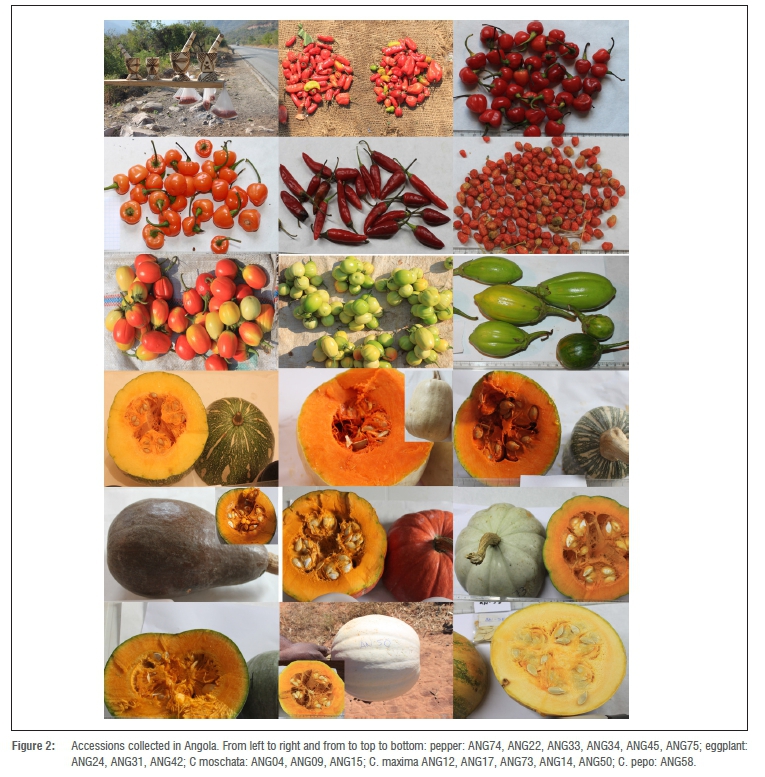
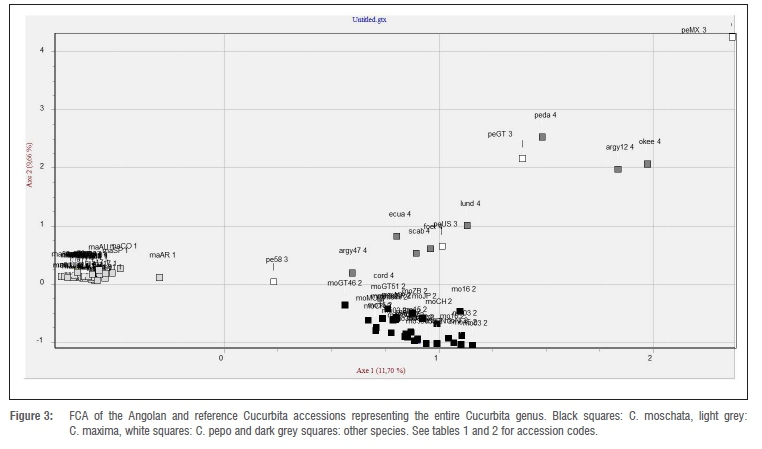
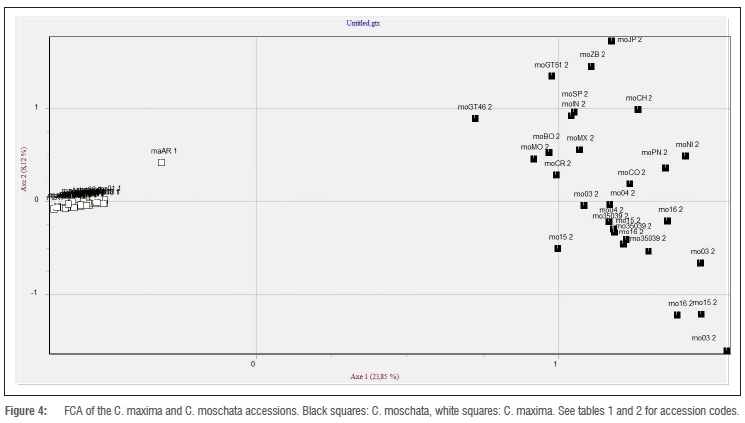
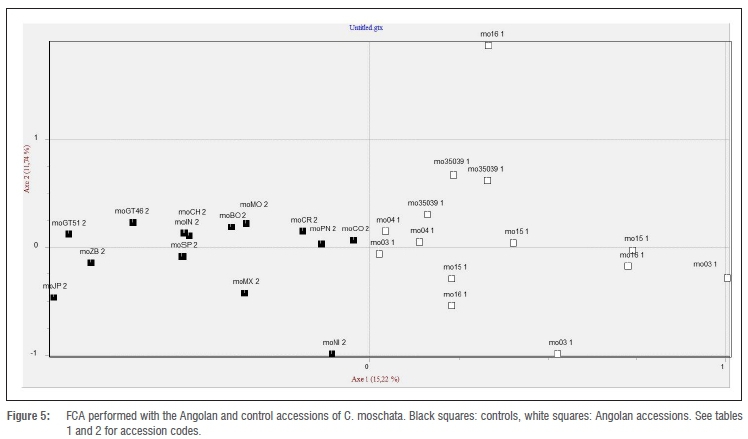
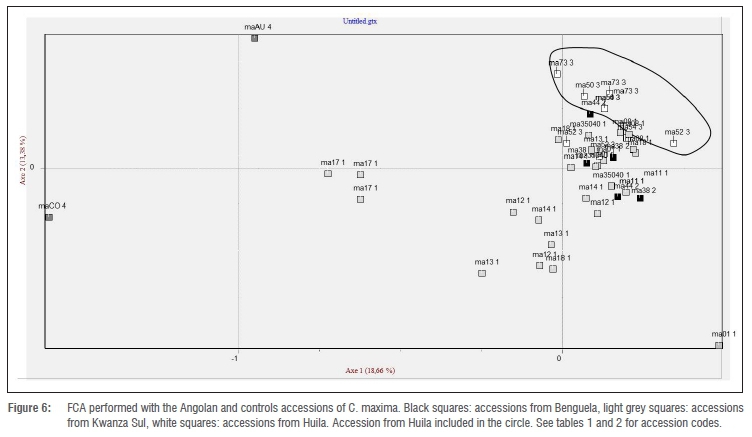
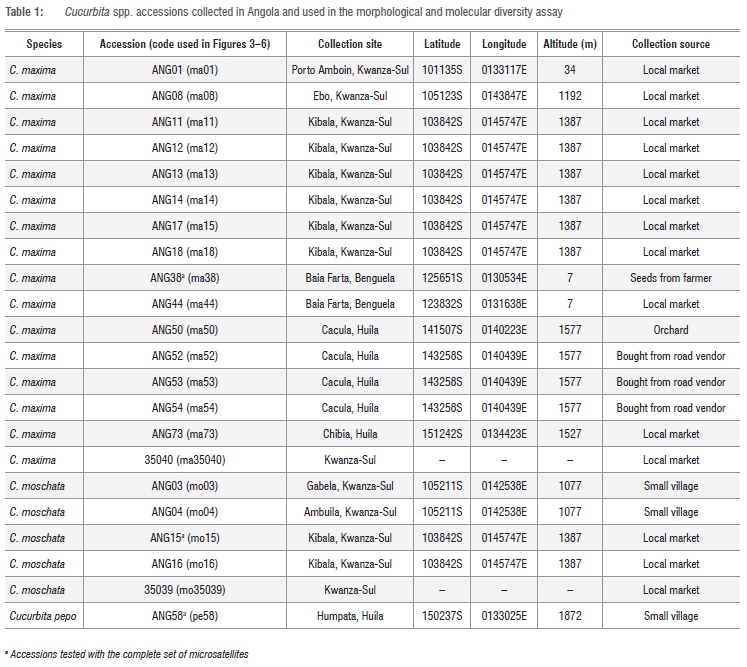
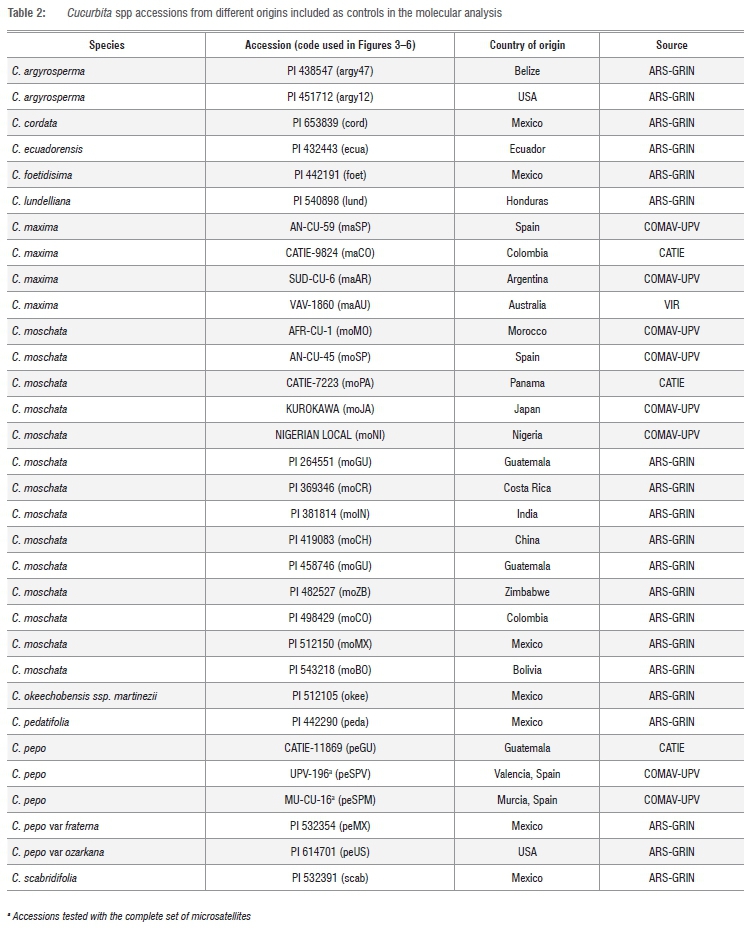
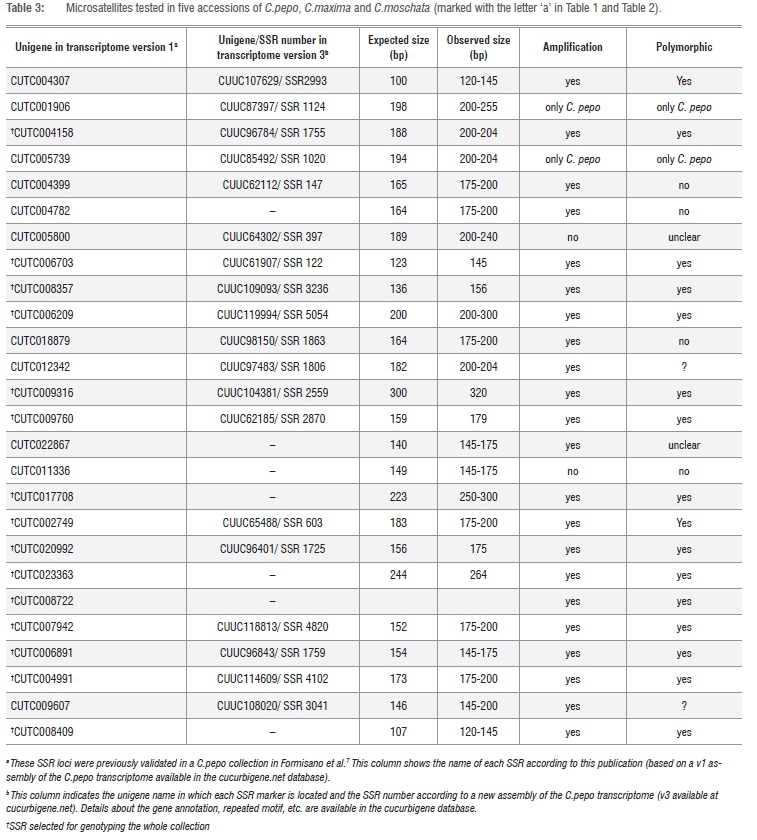
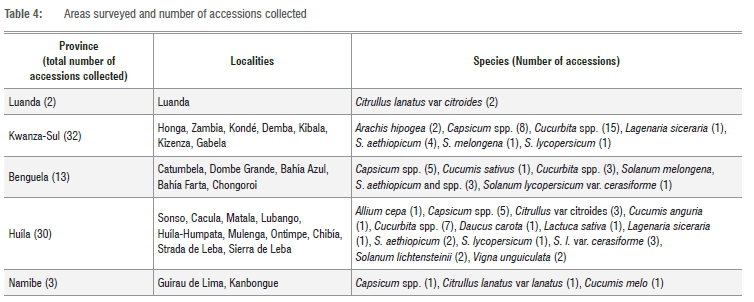
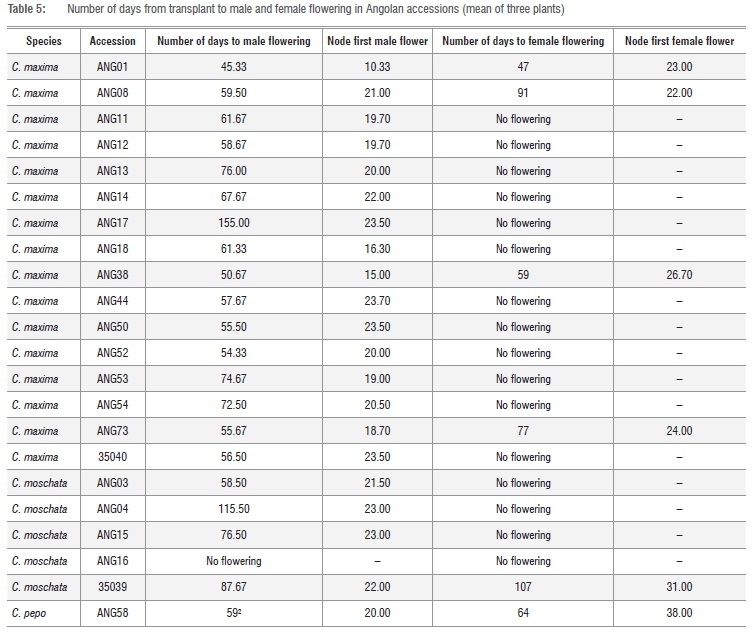
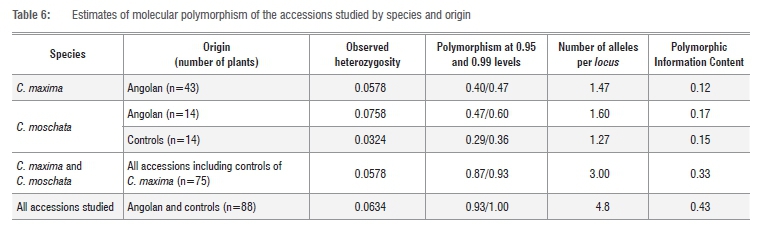
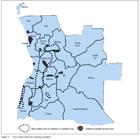
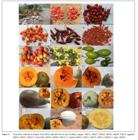
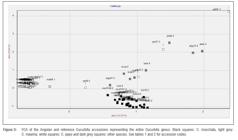
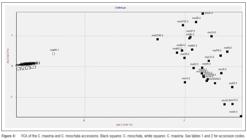
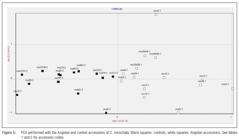
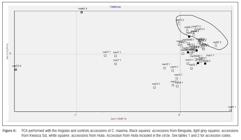
A survey was carried out in Angola with the aim of collecting vegetable crops. Collecting expeditions were conducted in Kwanza-Sul, Benguela, Huíla and Namibe Provinces and a total of 80 accessions belonging to 22 species was collected from farmers and local markets. Species belonging to the Solanaceae (37 accessions) and Cucurbitaceae (36 accessions) families were the most frequently found with pepper and eggplant being the predominant solanaceous crops collected. Peppers were sold in local markets as a mixture of different types, even different species: Capsicum chinense, C. baccatum, C. frutescens and C. pubescens. Most of the eggplant accessions collected belonged to Solanum aethiopicum L. Gilo Group, the so-called 'scarlet eggplant'. Cucurbita genus was better represented than the other cucurbit crops. A high morphological variation was present in the Cucurbita maxima and C. moschata accessions. A set of 22 Cucurbita accessions from Angola, along with 32 Cucurbita controls from a wide range of origins, was cultivated in Valencia, Spain and characterised based on morphology and molecularity using a set of 15 microsatellite markers. A strong dependence on latitude was found in most of the accessions and as a result, many accessions did not set fruit. The molecular analysis showed high molecular variability and uniqueness in the collected accessions, as shown by their segregation from the set of global controls. In summary, the material collected is quite valuable because of its uniqueness and the potential of the breeding characteristics it possesses.
vegetable genetic resources; molecular markers; African eggplants; cucurbits; phenotypic variability
 Thumbnail
 Thumbnail
 Thumbnail
 Thumbnail
 Thumbnail
 Thumbnail