Comparison of antioxidant activity of Moringa oleifera and selected vegetables in South Africa
Abstract
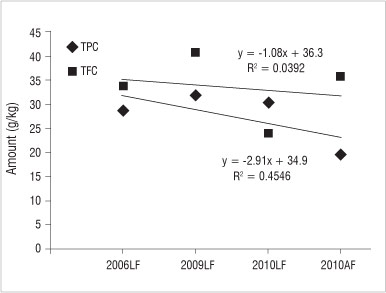
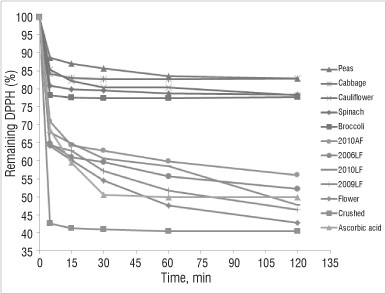
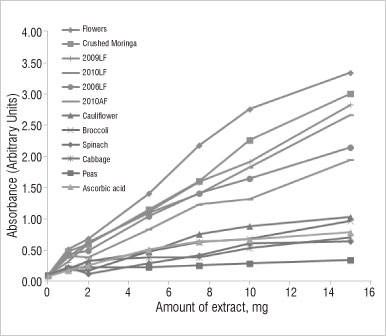
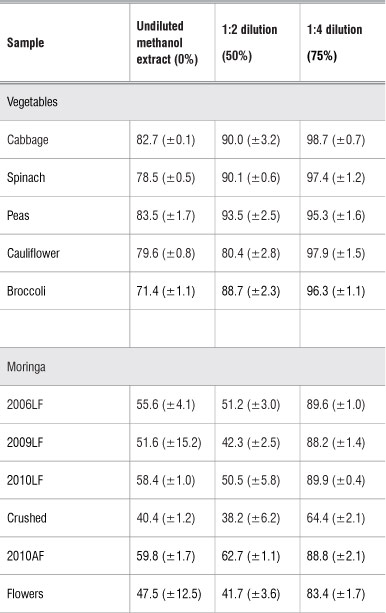
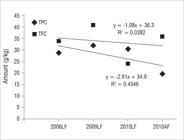
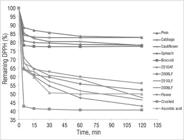
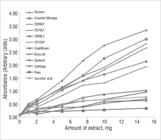
The antioxidant activity of the leaves and flowers of the Moringa oleifera plant were investigated and the results were compared to those of selected vegetables (cabbage, spinach, broccoli, cauliflower and peas). Antioxidant activity was determined by analysing the total phenolics content, total flavonoids content, reducing power and radical scavenging activity using the 2,2-diphenyl-1-picrylhydrazyl free radical method. The total phenolics content of moringa was almost twice that of the vegetables and the total flavonoids content was three times that of the selected vegetables. The reducing power of moringa was higher than that of the vegetables and the percentage of free radicals remaining was lower compared with the vegetables. These results combined show that moringa is a good source of antioxidants. This finding also explains why moringa forms part of the diet of people in many developing countries, especially in the southern hemisphere.
phenolics; flavonoids; reducing power; 2,2-diphenyl-1-picrylhydrazyl; free radicals
 Thumbnail
 Thumbnail
 Thumbnail