Shoulder pain in amateur fast bowlers: A case example illustrating opportunities to embed prevention in undergraduate physiotherapy education
Abstract
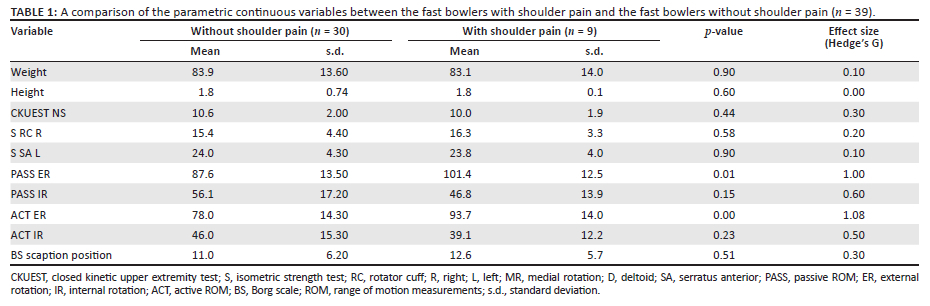
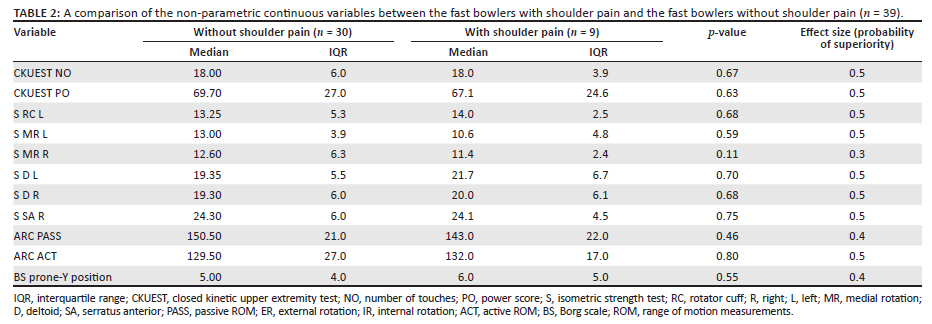
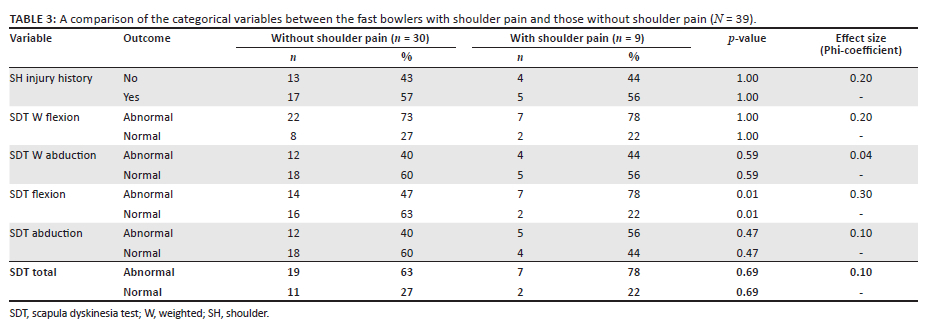
BACKGROUND: Health professions education is undergoing a paradigm shift from a predominantly curative focus towards prevention and health promotion, in line with global health priorities such as Sustainable Development Goal 3 (SDG3). Physiotherapy curricula, however, often still devote limited attention to preventative competencies. OBJECTIVES: The objectives of this study are to identify risk factors for shoulder pain in amateur fast bowlers and illustrate how such evidence can inform the integration of preventative competencies into undergraduate physiotherapy curricula. METHOD: A prospective, longitudinal cohort study was conducted during the 2018-2019 amateur cricket season. Thirty-nine male fast bowlers completed baseline musculoskeletal screening and weekly online questionnaires documenting injury incidence. Physical assessments included shoulder range of motion, scapular control, muscle strength, endurance and stability tests. Data were analysed using t-tests, Mann-Whitney U tests, chi-square and/or Fisher's exact tests. RESULTS: Nine participants (23%) sustained shoulder pain during the season. Risk factors associated with injury included scapular dyskinesia, decreased internal rotation, increased external rotation, glenohumeral internal rotation deficit, poor endurance and reduced isometric muscle strength. These factors demonstrated moderate-to-large effect sizes. CONCLUSION: The identification of modifiable risk factors for shoulder pain demonstrates the value of embedding screening skills into undergraduate physiotherapy curricula. Teaching students to assess and address risk factors fosters a preventative orientation that extends beyond sports injuries to broader health contexts. CLINICAL IMPLICATIONS: Incorporating risk factor screening into training equips physiotherapy graduates with practical skills for early detection and prevention, thereby reducing the burden of preventable conditions and aligning education with the objectives of SDG3.
physiotherapy education; prevention; injury risk factors; shoulder pain; cricket; Sustainable Development Goal 3; undergraduate curriculum; sports physiotherapy