The development of items for a physiotherapy clinical programme evaluation tool
Abstract
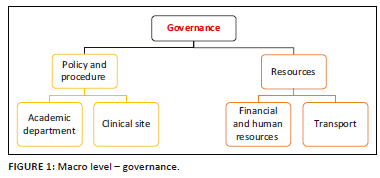
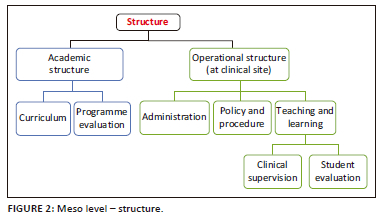
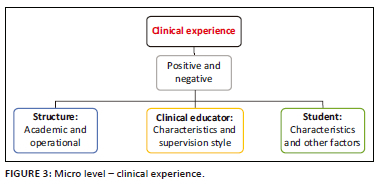
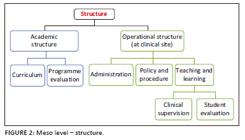
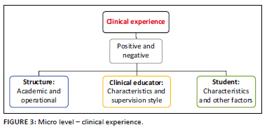
BACKGROUND: Evaluating a physiotherapy clinical education programme is challenging, given its complex and multidimensional nature, resulting in a paucity of research on the topic OBJECTIVES: The objective of our study, which was part of a larger study, was to identify items that could be included in a tool to evaluate a physiotherapy clinical education programme in South Africa METHOD: A qualitative study utilising focused group discussions including academics, clinical educators and clinicians was undertaken. A broad script that delved into clinical education experience was used. An inductive thematic content analysis using MaxQda version 2018.2 was undertaken; the data were coded, and similar foci were categorised and subcategorised. This process led to the identification of themes. Both triangulation of the data (member checks, field note comparison, observer reflection and verification of the data) and assuring the data's trustworthiness (credibility, dependability and confirmability) were undertaken RESULTS: Fourteen focus group discussions were held countrywide. Three themes emerged from the data. A macro theme included all governance issues, a meso theme included all structural issues and a micro theme included all aspects related to clinical experience CONCLUSION: The complex nature of clinical physiotherapy education and its diversity can be seen in these emerging themes. All the categories and subcategories making up these themes must now be considered in the next step of developing this tool CLINICAL IMPLICATIONS: Quality assurance and minimal training standards may be ensured
physiotherapy; clinical education; evaluation; focus group discussion; qualitative
 Thumbnail
 Thumbnail
 Thumbnail