Virtual nurse support to enhance antipsychotic adherence in schizophrenia: A South African perspective
Abstract
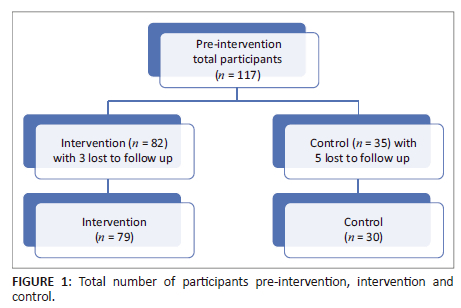
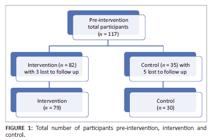
BACKGROUND: Patients with schizophrenia rely on antipsychotic medication, with adherence being critical for symptom management. Poor adherence leads to relapse, disability and increased healthcare costs. AIM: This study investigated the impact on antipsychotic adherence among schizophrenia patients on the introduction of an intervention utilising a psychiatric nurse as a virtual treatment buddy. SETTING: Participants were recruited from a psychiatric clinic in KwaZulu-Natal, South Africa. METHODS: This quantitative pre-test-post-test control group study recruited 117 schizophrenia patients. Participants were randomly assigned to an intervention group (n = 82) receiving daily text message support or a control group (n = 35) without support. Pre- and post-intervention questionnaires assessed medication adherence. The McNemar test compared medication cessation frequencies pre- and post-intervention. Pearson's chi-squared test, factor analysis and linear regressions were employed to correlate variables. A p < 0.05 was deemed statistically significant. RESULTS: Adherence improved from 60.8% to 83.51% post-intervention (p < 0.001). Obstacles to adherence, including inadequate disease knowledge, treatment duration, side effects, misunderstanding instructions and forgetfulness, were reduced post-intervention. Additionally, symptom relapse, rehospitalisation, specialist referrals, the need for more potent medication and employment loss decreased post-intervention. CONCLUSION: Virtual buddy support has demonstrated promise in improving medication adherence and minimising adverse effects of discontinuation among schizophrenia patients. CONTRIBUTION: This study contributes a method to improving antipsychotic adherence and reducing negative outcomes in schizophrenia patients by emphasising personalised support, education and collaborative care among healthcare providers and support systems.
schizophrenia; adherence; antipsychotics; psychiatry; treatment buddy; telemedicine; psychiatric nursing
 Thumbnail