Lithium prescription patterns for bipolar disorder at a psychiatric hospital in KwaZulu-Natal
Abstract
BACKGROUND: Lithium is regarded as the gold standard in the treatment of bipolar disorder (BD) globally and is accordingly recommended as first-line treatment for BD in the South African public sector guidelines. However, there is a downward trend in the use of lithium internationally, with a paucity of research regarding lithium use in South Africa. AIM: This study aimed to investigate the prescription of lithium for outpatients with BD. SETTING: Townhill Hospital, a tertiary pyschiatric hospital in Pietermaritzburg, KwaZulu- Natal. METHODS: A retrospective review of the clinical records of outpatients aged 18 and above who were treated for BD was conducted from 01 August 2022 to 31 July 2024. RESULTS: Of the 206 records that were reviewed, there were 137 (66.5%) females and 69 (33.5%) males with a median age of 37 years (interquartile range 30.0, 50.0). Only 13 (6.3%) of patients were taking lithium, all in combination with other medications. Most patients were prescribed oral antipsychotics (72.8%; n = 150) and anticonvulsant mood stabilisers (72.8%; n = 150), followed by antidepressants (55.8%; n = 115), alone or in combination with other psychotropics. CONCLUSION: The low prescription of lithium for BD in this study is concerning, despite the long-standing evidence for lithium's efficacy and effectiveness in the literature. This highlights the need to remind clinicians about the South African BD guidelines. CONTRIBUTION: The results of this study expand the existing literature on lithium prescribing patterns in BD internationally by contributing data on the prescription of lithium for BD in Africa.
lithium; bipolar disorder; South Africa; outpatient; mood stabiliser
Introduction
Bipolar disorder (BD) is a common severe mental illness with an early age of onset that is characterised by recurrent mood episodes of varying duration and severity throughout the lifespan of the affected individual.1,2 Maintenance treatment is therefore essential in maintaining recovery and preventing future relapses.3 In a review of 15 randomised control trials, 61% of patients on placebo, and 39% on mood-stabilising drugs experienced a recurrence of symptoms within 1.9 years.425
There is good evidence that illness recurrence and relapse are associated with social impairment, occupational impairment, cognitive impairment and even suicide resulting in a high burden of disability for affected individuals and their families.6,7 Several medications including lithium, anticonvulsant mood stabilisers and antipsychotics, alone or in combination are effective in preventing recurrent episodes of the disorder.2,5,8 Generally, medications that have been effective during episodes of acute mania or bipolar depression should be continued in the maintenance phase.73
In the public sector of South Africa (SA), the National Department of Health essential medicine list (NDOH EML) selectors, mindful of the effectiveness and affordability of lithium, recommend lithium as the first-line treatment in the acute and maintenance phases of BD.9101214,15,16
Despite the proven effectiveness of lithium, research found a lithium paradox,15171918 20
This study was motivated by the limited information regarding the selection of medicines for BD in the public sector generally,21
The aim of this study, therefore, was to investigate lithium prescription patterns in the pharmacological treatment of patients with bipolar disorder at a specialised psychiatric hospital. The objectives of the study were (1) to determine the proportions of patients who were prescribed lithium alone, and in combination with other psychotropics in the maintenance phase of bipolar disorder, (2) to determine the prevalence of lithium monotherapy vs. combination therapy in patients with bipolar disorder, and (3) to determine if there was an association between any sociodemographic or clinical factors and the prescription of lithium.
Research methods and design
Study design and setting
This study was a descriptive, observational retrospective chart review. It was conducted at Townhill Hospital (THH), a specialised psychiatric hospital in KwaZulu-Natal (KZN). Townhill Hospital is a 282 bedded specialised psychiatric hospital that serves the uMgungundlovu District. Patients are referred from primary health clinics, stand-alone community psychiatric clinics, district hospitals, regional hospitals, private medical practitioners and psychiatrists in the uMgungundlovu district of KZN province. The follow-up outpatient clinic provides a tertiary-level referral service for patients who require more specialised care. The clinic does not accept bookings for acutely ill patients needing psychiatric care and treatment.
Study population and sampling strategy
The study population consisted of consecutive adult men and women over the age of 18 years who were treated for a BD in the outpatient clinic at THH. The diagnosis of BD was extracted from the clinical records of patients attending the clinic, and all diagnoses were made by psychiatric registrars in accordance with Diagnostic and Statistical Manual of Mental Disorders, Fifth Edition (DSM 5) criteria.22 Registrars were supervised by full-time specialist psychiatrists in the clinic.
The clinical records of patients who attended the clinic were reviewed over a 2-year period from 01 August 2022 to 01 August 2024. No new referrals were included in the sample; the sample consisted of maintenance treatment for follow-up patients only. The records of patients who attended the outpatient clinic on more than one occasion were only reviewed on the first attendance. Incomplete records of patients treated for BD were excluded.
Measures
Data were extracted using a questionnaire specifically designed for the study. The information collected included sociodemographic, clinical and medication-related details. Valproate, lamotrigine and carbamazepine were categorised as anticonvulsant mood stabilisers. Second-generation antipsychotics were olanzapine, quetiapine, risperidone, clozapine and aripiprazole, while antidepressants included fluoxetine, citalopram, amitriptyline, bupropion and venlafaxine. The data were captured onto an electronic REDCap database,23
Statistical methods
Statistical analyses were conducted using Stata v18. For descriptive analyses, frequencies, mean, median and standard deviation were used to describe continuous data. Frequencies and percentages were used to describe categorical data. Pearson's correlation coefficient was used to test for association between sociodemographic, clinical factors and the prescription on individual classes of medication.
Ethical considerations
Ethical approval to conduct the study was obtained from the Biomedical Research Ethics Committee (reference number BREC/00007320/2024) of the University of KwaZulu-Natal. Permission to access clinical records was obtained from the KZN Department of Health and THH ethics committee.
Results
The clinical records of 215 patients who were treated in the follow-up clinic at the study hospital in the maintenance phase of BD over the study period were examined; two records were excluded because of missing information. A further seven patients who had relapsed and were thus classified as being in the acute phase of illness were excluded.
Of the 206 patients who were included in the analysis, 137 (66.5%) were females and 69 (33.5%) were males, with a median age of 37 years (interquartile range [IQR] 30.0, 50.0). Most of the participants were single (61.7%), of white ethnicity (47.8%), unemployed (77.7%), and were referred from primary or secondary level care in the province (52.9%). More patients were diagnosed with bipolar II disorder (56.3%) than bipolar I disorder (43.7%); the median age of onset was 24 years (IQR 19.0, 33.0) with prominent psychiatric (69.9%) and medical comorbidity (41.7%) (Table 1).
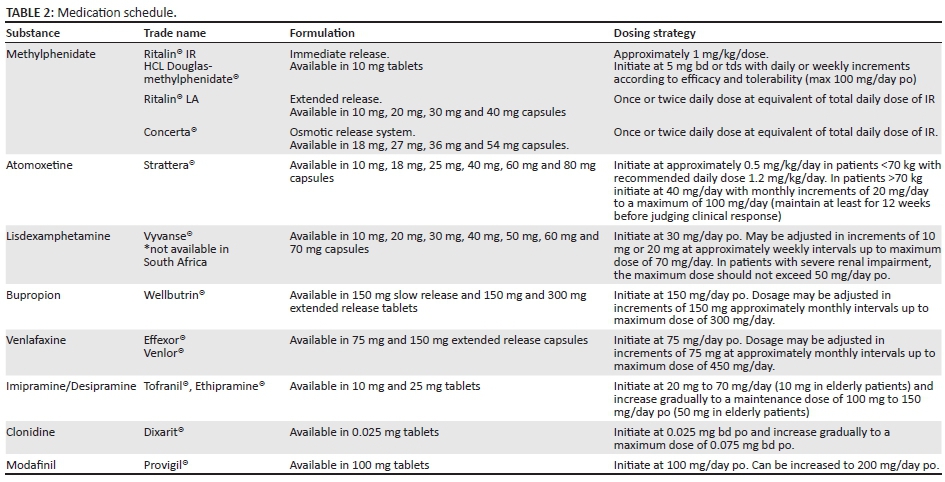
Table 2 shows that a range of medication was prescribed for patients in the maintenance phases of both manic and depressive episodes. Only 6.3% (n = 13) patients were taking lithium, with 72.8 % (n = 150) on anticonvulsant mood stabilisers, 8.3% (n = 17) on first-generation antipsychotics, 71.8% (n = 148) on second-generation antipsychotics and 55.8% (n = 115) on antidepressants alone or in combination with other psychotropics. Polypharmacy was the rule, with only 19.9% of the participants taking one drug, 42.7% (n = 88) taking two drugs and 37.4% (n = 77) taking three or more drugs.
Lithium prescription patterns (Table 3) show that, of the 13 patients who were prescribed lithium, not a single patient was prescribed lithium alone, with 61.5% taking lithium combined with one other medication and 38.5% taking lithium combined with two or more medications. The most frequently prescribed medication in combination with lithium was antipsychotic medication (30.7%), followed by anticonvulsant mood stabilisers (15.4%) and antidepressants (15.4%). In addition, six patients (46.1%) were commenced on lithium prior to being referred to TH, while lithium was initiated in seven patients (53.9%) at THH. Dosages ranged between 400 and 1200 mg/day for all patients, with seven (53.9%) on a single daily dose regimen and the remaining six (46.1%) on a twice daily dose.
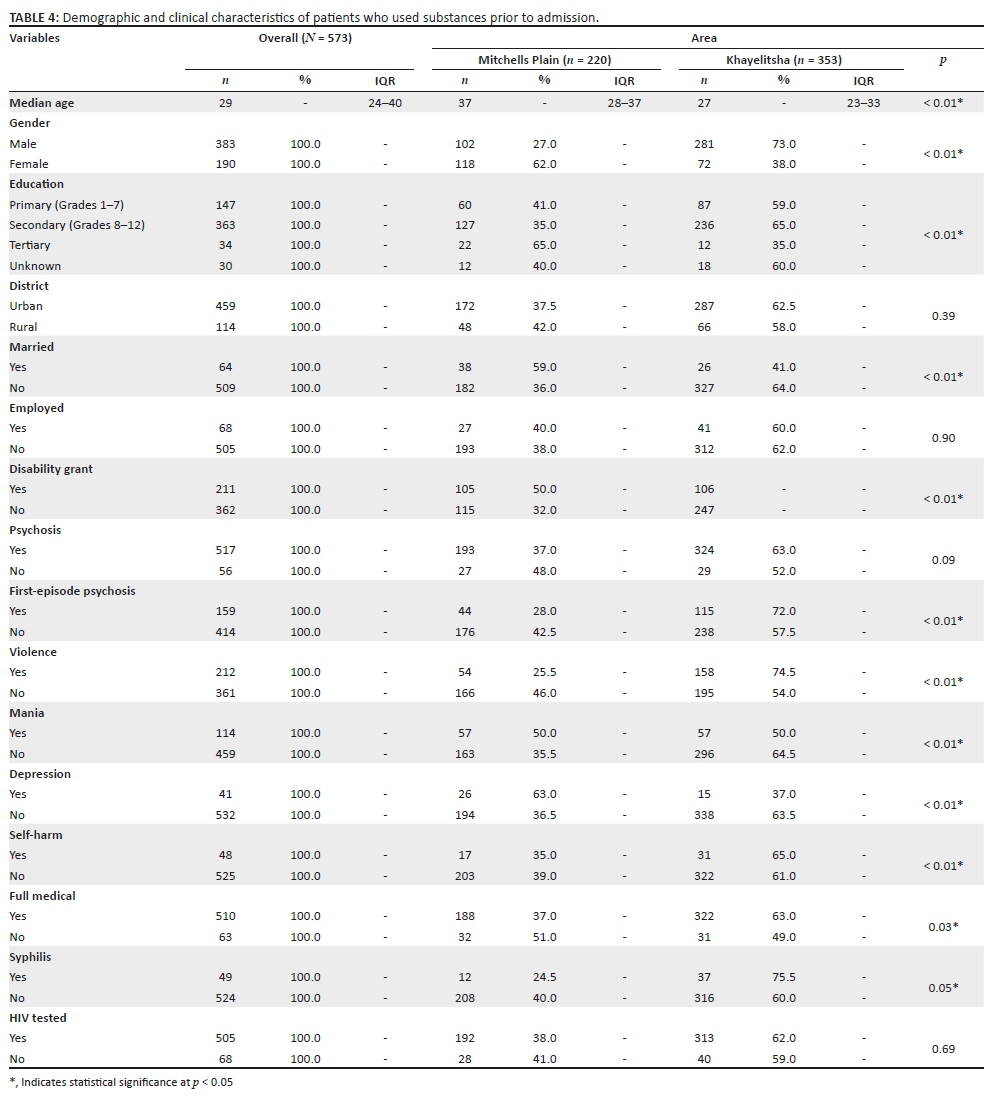
The only significant association between lithium prescription and sociodemographic and clinical variables was comorbid psychiatric illness (p = 0.05) (Table 4).
Discussion
The main finding of this study is that of the 206 outpatients being treated for BD, with a median age of 37 years, only 13 patients (6.3%) were taking lithium, with not a single patient being prescribed lithium alone. The study also confirmed a preference for the prescription of oral antipsychotics and mood stabilisers, with almost three-quarters of the patients taking them alone or in combination with other medications for the treatment of BD at the study site. Antidepressants were prescribed for over half of the patients.
The proportion of patients on lithium in this study (6.3%) is compared to rates of 43.6% from North America, 36.4% from Europe, and 20.0% from Asia published in a recent scoping review of international trends of lithium use in bipolar disorder.1820212425
Reasons for selecting lithium from the list of medications licensed for the treatment of BD are multifactorial, and include the presence of good predictors of clinical response,2627282129230
Mindful of these factors, possible explanations for the low utilisation of lithium in this study compared to the other medication classes include the presence of comorbid illnesses such as HIV, because KZN had the highest number of people living with HIV in SA in 2022.312832
The narrow therapeutic index and teratogenic adverse events of lithium may have also contributed to the low prescription rate.2833
A study from Italy found that only half of early-career psychiatrists reported that their knowledge regarding lithium prescriptions was adequate. The authors recommended that the training programme for psychiatrists should include education on lithium specifically.29
Lithium was only prescribed in combination with other medications in this study. This is a common practice to reduce relapse risk.34353634
Of concern is the lack of concordance (less than 10%) in this study with the South African public sector NDOH EML guidelines.9 Previous research shows that international guideline concordance rates for BD vary widely ranging from 16% to 80%, with most studies in the 50% - 80% range.3738
Other barriers to the appropriate pharmacological management of BD in SA and other LMIC include missed BD diagnoses, mental health services that are inadequate for the needs of the population, the limited number of medications available for bipolar disorder on the essential medicines list of SA (EML),531
Limitations
Firstly, the limitations of this study include a lack of information regarding previous prescriptions for BD (at the referral sites), so we could not identify changes in treatment. Secondly, the findings of the study cannot be generalised to other hospitals in KZN or other provinces in SA. Thirdly, the retrospective study design limits the accuracy and completeness of the findings because of the reliance on information captured by many different clinicians in the clinical records over time. Lastly, the small number of patients taking lithium was not adequate to identify predictors of lithium response, and we did not collect information regarding adverse events or the monitoring of serum lithium levels in the patients who were taking lithium.
Conclusion
The low prescription of lithium in this study confirms that lithium is a 'forgotten drug' at THH.399,14,40
Recommendations
Initiatives to improve lithium prescription should include educational programmes to dispel the myths associated with lithium prescriptions,414217
Competing interests
The authors declare that they have no financial or personal relationships that may have inappropriately influenced them in writing this article.
CRediT authorship contribution
Ntibelleng N. Motebele: Conceptualisation, Data curation, Investigation, Writing - original draft, Writing - review & editing. Vuyokazi Ntlantsana: Formal analysis, Writing - review & editing. Sibongile Mashaphu: Conceptualisation, Supervision, Writing - review & editing. Shamima Saloojee: Conceptualisation, Investigation, Methodology, Supervision, Writing - review & editing. All authors reviewed the article, contributed to the discussion of results, approved the final version for submission and publication, and take responsibility for the integrity of its findings.
Funding information
This research received no specific grant from any funding agency in the public, commercial or not-for-profit sectors.
Data availability
The data that support the findings of this study are available from the corresponding author, Ntibelleng N. Motebele, upon reasonable request.
Disclaimer
The views and opinions expressed in this article are those of the author or authors and are the product of professional research. They do not necessarily reflect the official policy or position of any affiliated institution, funder, agency or that of the publisher. The authors are responsible for this article's results, findings and content.
Acknowledgements
References
-
References 1. Volkmann C, Bschor T, Köhler S. Lithium treatment over the lifespan in bipolar disorders. Front Psychiatry. 2020;11:377. https://doi.org/10.3389/fpsyt.2020.00377
» https://doi.org/10.3389/fpsyt.2020.00377 -
2. Goes FS. Diagnosis and management of bipolar disorders. BMJ. 2023;381:073591. https://doi.org/10.1136/bmj-2022-073591
» https://doi.org/10.1136/bmj-2022-073591 -
3. Hett D, Morales-Muñoz I, Durdurak BB, Carlish M, Marwaha S. Rates and associations of relapse over 5 years of 2649 people with bipolar disorder: A retrospective UK cohort study. Int J Bipolar Disord. 2023;11(1):23. https://doi.org/10.1186/s40345-023-00302-x
» https://doi.org/10.1186/s40345-023-00302-x -
4. Vázquez GH, Holtzman JN, Lolich M, Ketter TA, Baldessarini RJ. Recurrence rates in bipolar disorder: Systematic comparison of long-term prospective, naturalistic studies versus randomized controlled trials. Eur Neuropsychopharmacol. 2015;25(10):1501-1512. https://doi.org/10.1016/j.euroneuro.2015.07.013
» https://doi.org/10.1016/j.euroneuro.2015.07.013 -
5. Godman B, Grobler C, Van-De-Lisle M, et al. Pharmacotherapeutic interventions for bipolar disorder type II: Addressing multiple symptoms and approaches with a particular emphasis on strategies in lower and middle-income countries. Exp Opin Pharmacother. 2019;20(18):2237-2255. https://doi.org/10.1080/14656566.2019.1684473
» https://doi.org/10.1080/14656566.2019.1684473 -
6. Sanchez-Moreno J, Martinez-Aran A, Tabarés-Seisdedos R, Torrent C, Vieta E, Ayuso-Mateos J. Functioning and disability in bipolar disorder: An extensive review. Psychother Psychosomat. 2009;78(5):285-297. https://doi.org/10.1159/000228249
» https://doi.org/10.1159/000228249 -
7. Nierenberg AA, Agustini B, Köhler-Forsberg O, et al. Diagnosis and treatment of bipolar disorder: A review. JAMA. 2023;330(14):1370-1380. https://doi.org/10.1001/jama.2023.18588
» https://doi.org/10.1001/jama.2023.18588 -
8. Kishi T, Ikuta T, Matsuda Y, et al. Pharmacological treatment for bipolar mania: A systematic review and network meta-analysis of double-blind randomized controlled trials. Mol Psychiatry. 2022;27(2):1136-1144. https://doi.org/10.1038/s41380-021-01334-4
» https://doi.org/10.1038/s41380-021-01334-4 -
9. Robertson L, Dawood H, Leong T. Management of bipolar disorder in South Africa: National Department of Health essential medicine selection and treatment algorithms. South Afr J Public Health. 2024;7(1):e530. https://doi.org/10.7196/SAJPH.2023.v7.i1.530
» https://doi.org/10.7196/SAJPH.2023.v7.i1.530 - 10. Bauer M, Gitlin M. Lithium and its history. The essential guide to lithium treatment. Germany, Los Angeles: Springer, 2016; p. 25-31.
-
11. Severus E, Taylor MJ, Sauer C, et al. Lithium for prevention of mood episodes in bipolar disorders: Systematic review and meta-analysis. Int J Bipolar Disord. 2014;2(15):1-17. https://doi.org/10.1186/s40345-014-0015-8
» https://doi.org/10.1186/s40345-014-0015-8 - 12. Sarai SK, Mekala HM, Lippmann S. Lithium suicide prevention: A brief review and reminder. Innov Clin Neurosci. 2018;15(11-12):30.
-
13. Rybakowski JK. Antiviral, immunomodulatory, and neuroprotective effect of lithium. J Integr Neurosci. 2022;21(2):68. https://doi.org/10.31083/j.jin2102068
» https://doi.org/10.31083/j.jin2102068 -
14. Fountoulakis KN, Tohen M, Zarate CA, Jr. Lithium treatment of Bipolar disorder in adults: A systematic review of randomized trials and meta-analyses. Eur Neuropsychopharmacol. 2022;54:100-115. https://doi.org/10.1016/j.euroneuro.2021.10.003
» https://doi.org/10.1016/j.euroneuro.2021.10.003 -
15. Bartoli F. The lithium paradox: Declining prescription of the gold standard treatment for bipolar disorder. Acta Psychiatr Scand. 2023;147(3):314. https://doi.org/10.1111/acps.13525
» https://doi.org/10.1111/acps.13525 -
16. Hidalgo-Mazzei D, Mantingh T, Pérez de Mendiola X, et al. Clinicians' preferences and attitudes towards the use of lithium in the maintenance treatment of bipolar disorders around the world: A survey from the ISBD Lithium task force. Int J Bipolar Disord. 2023;11(1):1-9. https://doi.org/10.1186/s40345-023-00301-y
» https://doi.org/10.1186/s40345-023-00301-y -
17. Kessing LV. Why is lithium [not] the drug of choice for bipolar disorder? A controversy between science and clinical practice. Int J Bipolar Disord. 2024;12(1):3. https://doi.org/10.1186/s40345-023-00322-7
» https://doi.org/10.1186/s40345-023-00322-7 -
18. Shuy YK, Santharan S, Chew QH, Sim K. International trends in lithium use for pharmacotherapy and clinical correlates in bipolar disorder: A scoping review. Brain Sci. 2024;14(1):102. https://doi.org/10.3390/brainsci14010102
» https://doi.org/10.3390/brainsci14010102 -
19. Sköld M, Rolstad S, Joas E, et al. Regional lithium prescription rates and recurrence in bipolar disorder. Int J Bipolar Disord. 2021;9(18):1-9. https://doi.org/10.1186/s40345-021-00223-7
» https://doi.org/10.1186/s40345-021-00223-7 -
20. Singh B, Yocum AK, Strawbridge R, et al. Patterns of pharmacotherapy for bipolar disorder: A GBC survey. Bipolar Disord. 2023;26(1):22-32. https://doi.org/10.1111/bdi.13366
» https://doi.org/10.1111/bdi.13366 -
21. Holzapfel EM, Szabo CP. Pharmacotherapy prescribing patterns in the treatment of bipolar disorder in a South African outpatient population. Glob Psychiatry. 2018;1(2):39-52. https://doi.org/10.2478/gp-2018-0006
» https://doi.org/10.2478/gp-2018-0006 -
22. Regier DA, Kuhl EA, Kupfer DJ. The DSM-5: Classification and criteria changes. World Psychiatry. 2013;12(2):92-98. https://doi.org/10.1002/wps.20050
» https://doi.org/10.1002/wps.20050 -
23. Harris PA, Taylor R, Minor BL, et al. The REDCap consortium: Building an international community of software platform partners. J Biomed Inform. 2019;95:103208. https://doi.org/10.1016/j.jbi.2019.103208
» https://doi.org/10.1016/j.jbi.2019.103208 -
24. Gasa PS, Tomita A, Juby V, Paruk S. The valproate prescription pattern for female mental healthcare users of reproductive age. S Afr J Psychiatry. 2024;30(1): 2158. https://doi.org/10.4102/sajpsychiatry.v30i0.2158
» https://doi.org/10.4102/sajpsychiatry.v30i0.2158 -
25. Adiukwu FN, Salihu MO, Hayatudeen N, et al. Challenges of lithium prescription in bipolar disorders in Nigeria. BMC Psychiatry. 2025;25(1):304. https://doi.org/10.1186/s12888-025-06736-0
» https://doi.org/10.1186/s12888-025-06736-0 -
26. Hui T, Kandola A, Shen L, et al. A systematic review and meta-analysis of clinical predictors of lithium response in bipolar disorder. Acta Psychiatr Scand. 2019;140(2):94-115. https://doi.org/10.1111/acps.13062
» https://doi.org/10.1111/acps.13062 -
27. Krishnan KRR. Psychiatric and medical comorbidities of bipolar disorder. Psychosom Med. 2005;67(1):1-8. https://doi.org/10.1097/01.psy.0000151489.36347.18
» https://doi.org/10.1097/01.psy.0000151489.36347.18 -
28. Gitlin M. Lithium side effects and toxicity: Prevalence and management strategies. Int J Bipolar Disord. 2016;4(27):1-10. https://doi.org/10.1186/s40345-016-0068-y
» https://doi.org/10.1186/s40345-016-0068-y -
29. Buoli M, Gattoni E, Collantoni E, et al. Factors influencing lithium versus valproate prescription preference in the maintenance treatment of bipolar patients: A report from the Italian Early Career Psychiatrists (SOPSI-GG). Int J Psychiatry Clin Pract. 2021;25(1):82-89. https://doi.org/10.1080/13651501.2020.1865405
» https://doi.org/10.1080/13651501.2020.1865405 -
30. Tajika A, Hori H, Iga J-I, et al. Mood stabilizers and antipsychotics for acute mania: Systematic review and meta-analysis of augmentation therapy vs monotherapy from the perspective of time to the onset of treatment effects. Int J Neuropsychopharmacol. 2022;25(10):839-852. https://doi.org/10.1093/ijnp/pyac050
» https://doi.org/10.1093/ijnp/pyac050 -
31. Zuma SM. Assessment of medicine stock-outs challenges in public health services. Afr Public Serv Deliv Perform Rev. 2022;10(1):578. https://doi.org/10.4102/apsdpr.v10i1.578
» https://doi.org/10.4102/apsdpr.v10i1.578 -
32. Hughes C. Renal adverse drug reactions. Curr Opin HIV AIDS. 2021;16(6):303-308. https://doi.org/10.1097/COH.0000000000000703
» https://doi.org/10.1097/COH.0000000000000703 -
33. Sorsdahl K, Petersen I, Myers B, Zingela Z, Lund C, Van der Westhuizen C. A reflection of the current status of the mental healthcare system in South Africa. SSM Ment Health. 2023;4:100247. https://doi.org/10.1016/j.ssmmh.2023.100247
» https://doi.org/10.1016/j.ssmmh.2023.100247 -
34. Wingård L, Brandt L, Bodén R, Kieler H, Andersen M, Reutfors J. Monotherapy vs. combination therapy for post mania maintenance treatment: A population based cohort study. Eur Neuropsychopharmacol. 2019;29(6):691-700. https://doi.org/10.1016/j.euroneuro.2019.04.003
» https://doi.org/10.1016/j.euroneuro.2019.04.003 -
35. Köhler-Forsberg O, Sylvia LG, Thase M, et al. Lithium plus antipsychotics or anticonvulsants for bipolar disorder: Comparing clinical response and metabolic changes. Aust N Z J Psychiatry. 2023;57(1):93-103. https://doi.org/10.1177/00048674221077619
» https://doi.org/10.1177/00048674221077619 -
36. Geddes JR, Goodwin GM, Rendell J, et al. Lithium plus valproate combination therapy versus monotherapy for relapse prevention in bipolar I disorder (BALANCE): A randomised open-label trial. Lancet. 2010;375(9712):385-395. https://doi.org/10.1016/S0140-6736(09)61828-6
» https://doi.org/10.1016/S0140-6736(09)61828-6 -
37. Paterniti S, Bisserbe J-C. Pharmacotherapy for bipolar disorder and concordance with treatment guidelines: Survey of a general population sample referred to a tertiary care service. BMC Psychiatry. 2013;13(211):1-12. https://doi.org/10.1186/1471-244X-13-211
» https://doi.org/10.1186/1471-244X-13-211 -
38. Lin Y, Maihofer AX, Stapp E, et al. Clinical predictors of non-response to lithium treatment in the Pharmacogenomics of Bipolar Disorder (PGBD) study. Bipolar Disord. 2021;23(8):821-831. https://doi.org/10.1111/bdi.13078
» https://doi.org/10.1111/bdi.13078 - 39. Maj M. Lithium, the forgotten drug. Biopolar Disorder. London: CRC Press, 2005; p. 193-198.
-
40. Perez de Mendiola X, Hidalgo-Mazzei D, Vieta E, González-Pinto A. Overview of lithium's use: A nationwide survey. Int J Bipolar Disord. 2021;9(10):1-8. https://doi.org/10.1186/s40345-020-00215-z
» https://doi.org/10.1186/s40345-020-00215-z -
41. Fiorillo A, Sampogna G, Albert U, et al. Facts and myths about the use of lithium for bipolar disorder in routine clinical practice: An expert consensus paper. Ann Gen Psychiatry. 2023;22(1):50. https://doi.org/10.1186/s12991-023-00481-y
» https://doi.org/10.1186/s12991-023-00481-y - 42. Malhi GS, Bell E, Porter RJ, et al. Lithium should be borne in mind: Five key reasons. London: SAGE Publications, 2020; p. 659-663.

Accepted: 11 Dec. 2025
Published: 20 Feb. 2026