Prevalence of neurocognitive impairments in adults with chronic pain: A cross-sectional study
Abstract
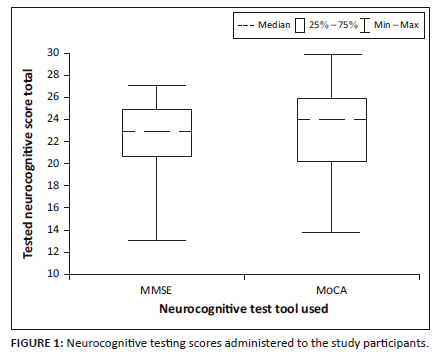
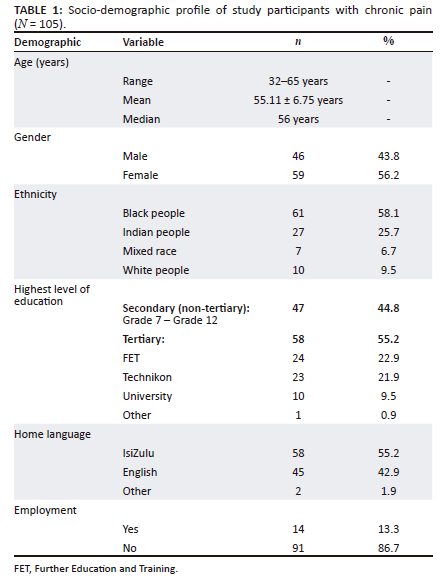
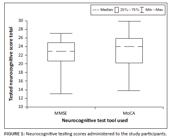
BACKGROUND: There is a strong link between chronic pain and neurocognitive impairment. The co-occurrence of the two disorders often leads to a poor quality of life and significant disability. AIM: To determine the prevalence of neurocognitive impairments in adults with chronic pain. SETTING: The study was conducted at a tertiary hospital in Pietermaritzburg, KwaZulu-Natal. METHODS: This cross-sectional study was conducted at a pain clinic within a tertiary hospital in Pietermaritzburg, KwaZulu-Natal. Participants were required to be clinic attendees, proficient in English, and have a minimum of a Grade 7 education. Exclusion criteria included neurological disorders, significant language barriers, or ineligible age. Recruitment used purposive sampling with informed consent. Data were collected using socio-demographic and clinical questionnaires, namely, the Mini-Mental State Examination (MMSE), the Montreal Cognitive Assessment (MoCA), and the Physical Self-Maintenance Scale (PSMS). The primary outcome was the prevalence of neurocognitive impairment; secondary outcomes examined associations with demographic and clinical factors using both descriptive and inferential statistics RESULTS: A total of 10.5 participants (59 females and 46 males) were enrolled in the study. The mean age of the participants was 55.1 ± 6.75 years. A total of 73.3% (n = 77) of participants screened positive for neurocognitive impairment on MoCA and 55.2% on MMSE. CONCLUSION: Chronic pain is associated with impairments in neurocognitive performance, particularly in short-term memory and executive functioning. CONTRIBUTION: A significant correlation was found between lower education levels and neurocognitive impairment (p = 0.02 for MoCA, p = 0.04 for MMSE).
chronic pain; neurocognitive impairments; MoCA; MMSE; prevalence
 Thumbnail
 Thumbnail