Depression and quality of life among pregnant women in first and third trimesters in Abeokuta: A comparative study
Abstract
BACKGROUND: Pregnancy is a dynamic time during which a woman's emotional state may undergo extensive change. There have been conflicting views about the magnitude of emotional turmoil that occurs during pregnancy. Some investigators suggest that pregnancy is a time of particularly good psychological adjustment; others have reported high levels of psychological challenge. AIM: Our study aimed to compare the prevalence and correlates of depression in the first and third trimesters of pregnancy and to determine the relationship between quality of life and depressive disorder SETTING: The antenatal clinic of the State Hospital, Ijaiye.. METHOD: A descriptive, comparative study of depressive disorder and the quality of life between first- and third-trimester pregnant women (confirmed through a pregnancy test and an abdominopelvic ultrasound. RESULT: For each trimester, 285 participants were recruited. The prevalence of depression among the pregnant women who participated in the study was 7.2%. In the first trimester of pregnancy, the prevalence of depression was 30 (10.5%), while it was 11 (3.9%) in the third trimester of pregnancy. Collectively, the relationship between depression and QoL was significant in the overall domain, satisfaction with general health domain (t = 2.27; p = 0.03), psychological domain (t = 2.74; p = 0.010, and environmental domain (t = 4.57; p ≤ 0.01 CONCLUSION: Our study also highlights the need to pay closer attention to the psychological well-being and quality of life of all pregnant women and not just on their physical health and the baby's well-being.
depression; quality of life; pregnant women; mental health; psychological disorder; trimesters
Introduction
Pregnancy is a dynamic time during which a woman's emotional state may undergo extensive change.121,23
Depression is a mood disorder that is characterised by a prolonged sadness and marked loss of interest in daily activities as core symptoms lasting for at least two weeks or more. Other symptoms are feeling inadequate and worthless, feeling irritable and resentful, insomnia, appetite changes, decreased energy, lack of concentration and poor memory and thoughts of committing suicide or abortion.45
During the first trimester, unwanted pregnancy and poor marital relationship commonly lead to emotional distress while fear of childbirth and dysfunctional coping style is associated with disturbance during late pregnancy.6,7,86,95,10,11512
Quality of life (QoL) is a term describing an individual's physical, social and emotional well-being and his or her ability to function in carrying out the tasks of living.1314
The perinatal mental health of women living in low- and lower middle-income countries has only recently become the subject of research, in part because the greater priority has been assigned to preventing pregnancy-related deaths. Moreover, some have argued that in resource-constrained countries, women are protected from experiencing perinatal mental problems through the influence of social and traditional cultural practices during pregnancy and in the postpartum period.10
Psychiatric disorders during pregnancy and the postpartum period include conditions of various severity and aetiology most common of these disorders is depression, which is associated with pregnancy-related deaths by suicide and with developmental delays in children.1510,1610,16
Material and method
The study was conducted in Abeokuta, at the antenatal unit of State Hospital Ijaiye, Abeokuta, Ogun State, Nigeria between March and August 2019. A descriptive, comparative study of depressive disorder and the quality of life among first- and third-trimester pregnant women (confirmed through a pregnancy test and an abdominopelvic ultrasound) attending the antenatal clinic of the state attending the antenatal clinic of the state hospital. A total of 285 participants were recruited for each trimester from the antenatal clinic of the State Hospital Ijaiye, Abeokuta, Ogun State, Nigeria. However, women receiving treatment for a known psychiatric disorder and/or a major medical condition such as hypertension, diabetes and chronic illnesses were excluded from the study. Systematic random sampling technique was used in the study. A sample frame was generated from the day's clinic register of pregnant women. There are two clinic days weekly, with each clinic day catering for about 20 pregnant women, thus making a total number of 40 pregnant women per week. Furthermore, because of the possible logistic problem, a duration of 24 weeks was envisaged for the duration of data collection; this covered for unforeseen problems. Therefore, the total number of possible pregnant women was (40 × 24) 960.
However, as the total sample size in this study is 285 from each trimester, a sample interval of four (4) (960/285 = 3.4, which is approximately 4) was used. Data were analysed using the Statistical Package for Social Sciences (SPSS) version 20. The World Health Organization Quality of Life Brief (WHOQoL-BREF) produced a quality-of-life profile for each participant. In computing the WHOQoL-Bref scores, analysis was done as reported by Skevington and his other coworkers.17
The socio-demographic characteristics of respondents were presented using descriptive statistics frequencies and percentages. The means and standard deviations were calculated for continuous variables. Relationships between variables, for example, socio-demographic variables, obstetric/gynaecological variables versus depression disorder were determined using chi-square for categorical variables and t-test for comparison of means. The prevalence of definitive psychiatric morbidity and the different diagnostic entities from the M.I.N.I plus was presented categorically, using frequency distribution tables and percentages. The associations between the domains of QOL and the different socio-demographic characteristics were analysed using either an independent t-test or analysis of variance (ANOVA). The associations between the domains of QOL and definitive psychiatric morbidity and the different diagnostic entities derived from the M.I.N.I plus was tested using the independent t-test and ANOVA. The level of significance was set at <0.05.
Ethical approval was obtained from the Research and Ethical Committee of the Neuropsychiatry Hospital, Aro, Abeokuta Ogun State, and permission was also obtained from the Ogun State Hospital management board, and the management of the State Hospital, Ijaiye where the study was conducted. The purpose of the study was explained to the clients and consent obtained before administering the questionnaires.
Ethical considerations
Ethical approval was obtained from the Research and Ethical Committee of the Neuropsychiatry Hospital (PR014/17), Aro, Abeokuta Ogun State and permission was also obtained from the Ogun State Hospital management board, and the management of the State Hospital, Ijaiye, where the study was conducted. The purpose of the study was explained to the clients and consent obtained before administering the questionnaires.
Results
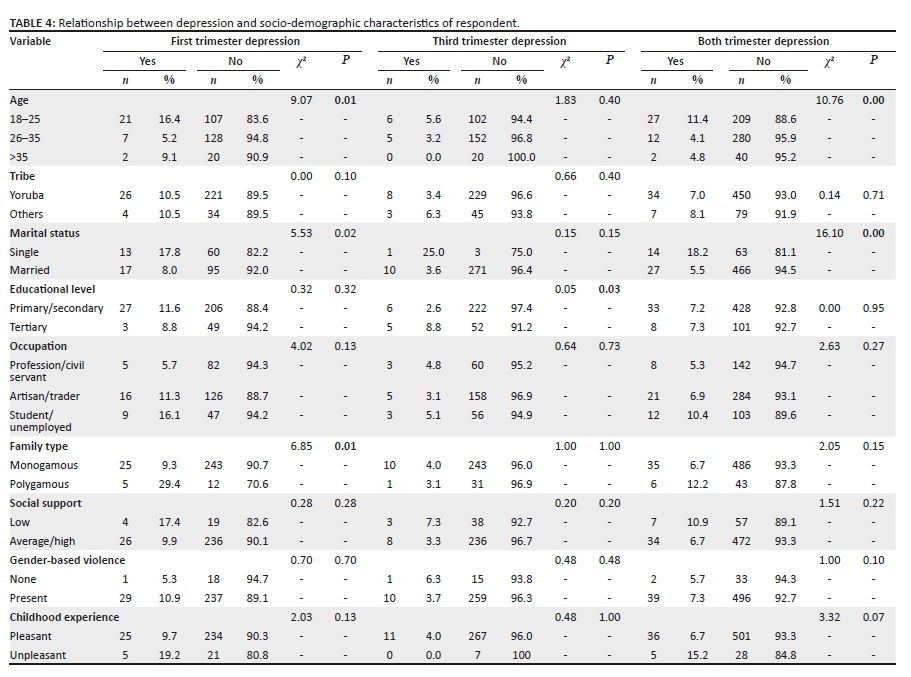
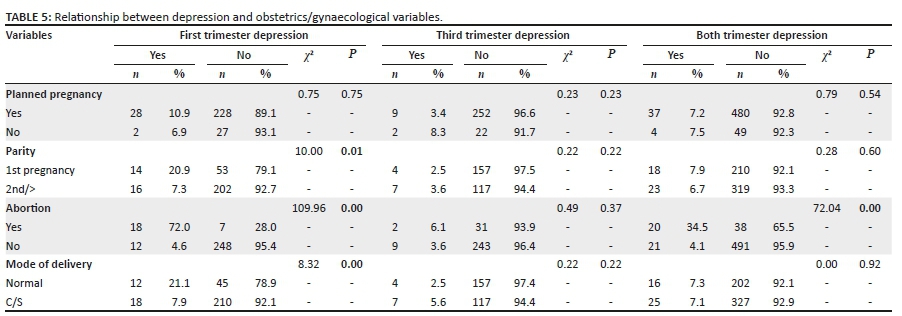
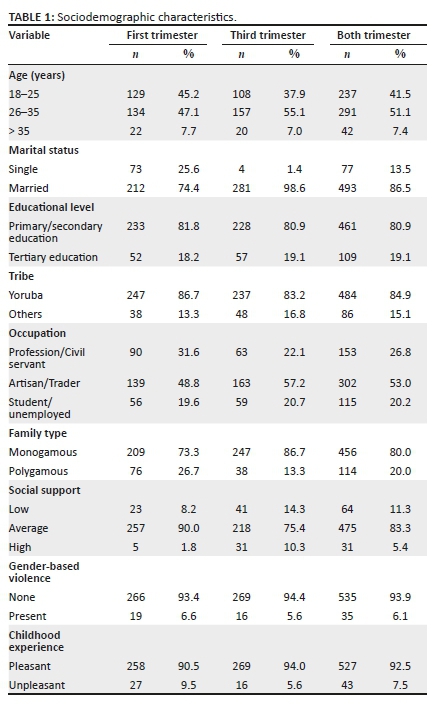
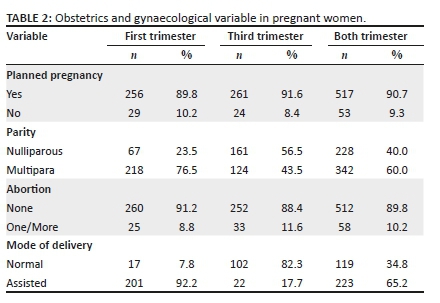
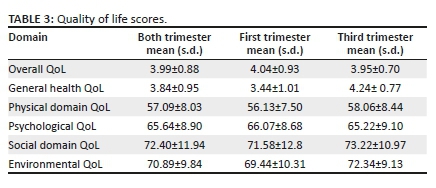
Table 1 shows the socio-demographic characteristics of respondents. The age of the respondents ranged from 18 to 40 years with a mean of 27.26 ± (4.76). Other details can be found in Table 1. Table 2 shows the obstetrics/gynaecological characteristics of respondents. Collectively, 517 (90.7%) had a planned pregnancy, while 53 (9.3%) had an unplanned pregnancy. Further details are depicted in Table 2. The collective mean score of the domains of QoL is overall QoL 3.99±0.88, general health 3.84±0.95, physical domain 57.09±8.03, psychological domain 65.64±8.90, social relationship domain 72.40±11.94 and environmental domain 70.89±9.84. Table 3 illustrates other details. Table 4 demonstrates the relationship between depression and the socio-demographic characteristics of the respondents. The association between age and depression was statistically significant (χ2p = 0.01). Other sociodemographic details can be seen in Table 4. Table 5 depicts the relationship between depression and clinical/gynaecological variables. Abortion was observed to be a significant variable. Other clinical/gynaecological details can be found in Table 5.
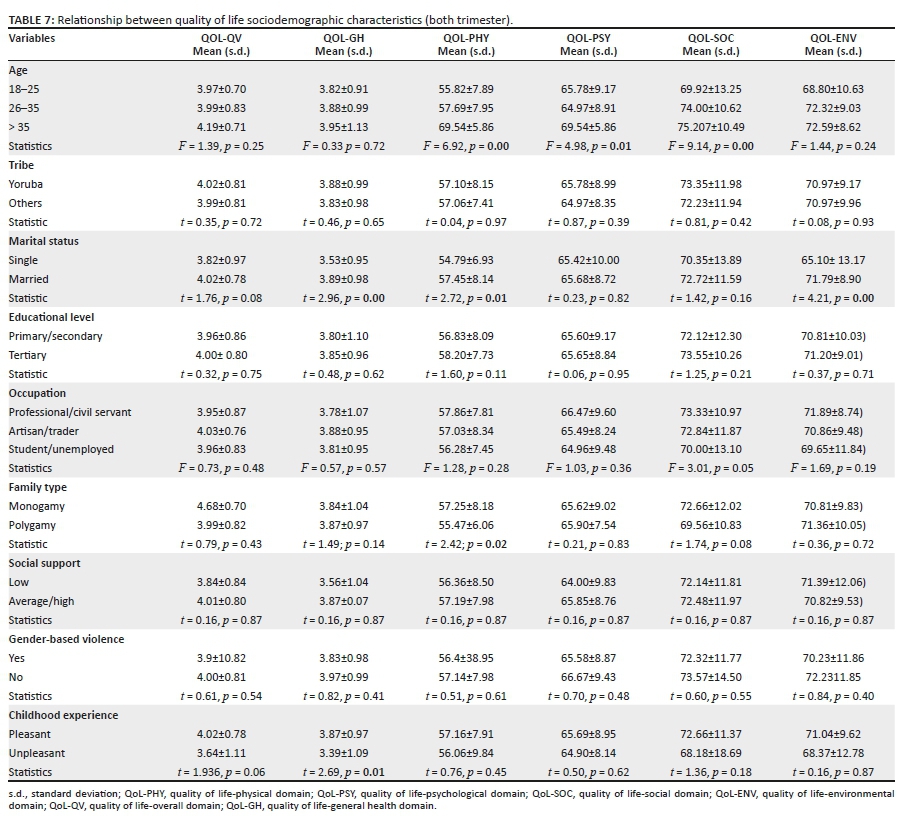
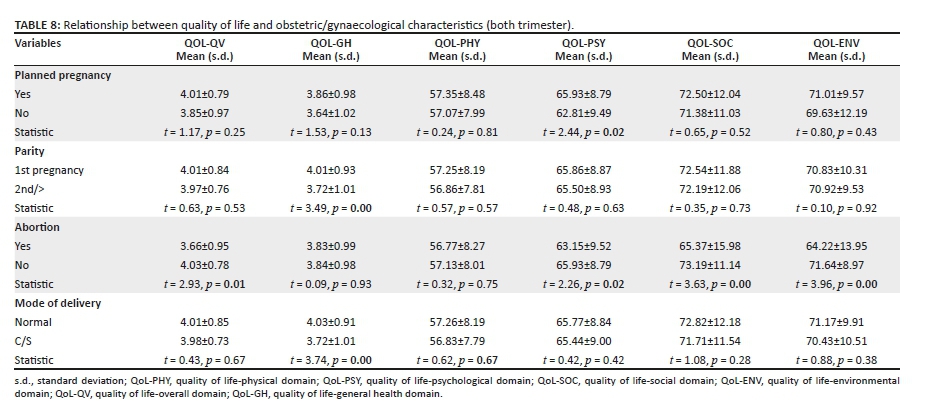
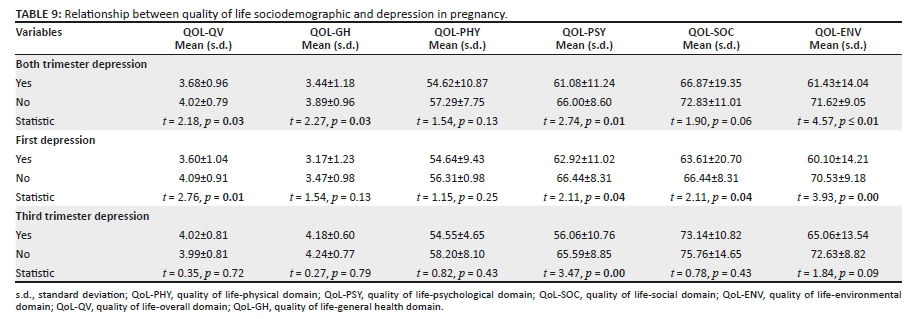
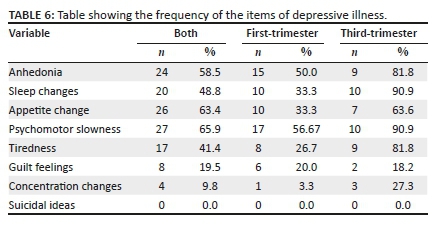
The prevalence of depression among the pregnant women who participated in the study was 7.2%. In the first trimester of pregnancy, the prevalence of depression was 30 (10.5%), while it was 11 (3.9%) in the third trimester of pregnancy. Table 6 shows the frequency of depressive symptoms among respondents. The following variables were entered into a logistic regression model age, marital status, number of abortions and childhood experience. In the overall population, women with a history of an abortion or miscarriage were independent predictors of depression and were 12 times more likely to be depressed Please expand compared with the other group (OR = 12.35, CI = 5.87-25.98, p = 0.01). Thus, having experienced miscarriage was a significant predictor of depression. Similarly, in the first trimester, having experienced miscarriage was an independent predictor of depression and were five times more likely to be depressed compared with the other group (OR = 5.48, CI = 15.46-178.20, p = 0.00). However, none of the variables accessed were an independent predictor of depression in the third trimester. Tables 7-9 show the relationship between sociodemographic variables and QoL in both trimesters, first trimester and the third trimester. Age, marital status and family type were observed to be significantly related to QoL. Other details can be found in Table 7. Table 8 shows the relationship between QoL and obstetrics and gynaecological variables. Table 9 shows the relationship between QoL and depressive illness. Collectively, the relationship between depression and QoL was significant in the overall domain, satisfaction with general health domain, psychological domain and environmental domain. Further details can be found in Table 9.
Discussion
The mean ages reported in two previous studies in Nigeria12,182,10,1920
About three-quarters of the respondents had at least a secondary education, which is higher than the rate of 30% reported for the general population of women in Nigeria.212212,18
Our study found that the majority (87%) of the pregnant women were married. This is similar (93%) to another study done in the same locality as our study.423242526
The majority of respondents had a secondary education, which is in agreement with a previous study done among Yoruba and Benin women in Nigeria.12,2722
The majority of the pregnant women were employed, which was similar to two previous studies from the same setting.4,28294
The finding in ourstudy that most of the women reported average to high social support is also in keeping with the study carried out by Thompson et al. However, it differs from a study carried out in Ethiopia302821
In our study, majority of the pregnant women had a planned pregnancy, which is in agreement with that of Thomson and colleague.4
Overall, the prevalence of depression among pregnant women was 7.2%, which was lower than previous studies carried in Nigeria,4303132123334
The prevalence of a depressive disorder in the first and third trimesters of pregnancy was 10.5% and 3.9%, respectively. The finding in each trimester is higher than that found in the Nigerian survey of mental health by Gureje and colleagues for depressive disorder.35362
The high prevalence of depressive disorders in the first trimester suggests that physicians should pay more attention to pregnant women when presenting in their first trimester of pregnancy so that they can identify and manage their emotional challenges and improve the foetal and maternal outcomes. There is also a need for more research on this issue particularly first trimester as a high amount of studies has been done in late pregnancy, and there is a need to establish the variation of psychiatric morbidity across trimesters. The most frequent depressive symptom was psychomotor retardation, which is believed to be a central feature of depressive illness and predicts the severity of depression.3738
Also, our study revealed that depression in pregnancy was associated with younger age, single marital status and history of miscarriage. The history of previous miscarriage, a negative life event and the fear of a repeat especially when the pregnant woman is getting to accept the pregnancy may precipitate depressive symptoms. The lack of a partner to provide comfort and steady support may explain why depressive disorder was seen more among single pregnant women. This is supported by other researchers who found similar associations.12,34,39,40,41
Our study found that the previous experience of one or more miscarriages was the only socio-demographic and obstetrics/gynaecological characteristics associated with depression among the respondents and was the independent predictors of depression. This is supported by previous studies where similar associations were made,9,42,43,4445,4647484948
Having an unpleasant childhood experience was a significant predictor of poor QoL. The severity of childhood maltreatment was significantly related to the severity of QoL during pregnancy in a previous study,5051525354
Having poor social support also demonstrated a significant association with a poor QoL in the general health domain and psychological domain of QoL. In a study conducted in Japan55565758
In the first trimester of pregnancy, there was a significant association between being single and having a poor QoL in the overall QoL and environmental domains of QoL. Likewise, there was a significant association between abortion/miscarriage and poor QoL in the overall QoL, psychological domain, the social and environmental domains of QoL. Having an unpleasant childhood experience was found to have a significant association with poor QoL in the overall QoL. Also, having poor social support demonstrated a significant association with a poor QoL in the general health domain and psychological domain of QoL. Older age also showed a significant association with poor QoL in the physical, psychological, social and environmental domains of QoL. Also. having a lower level of education was significantly associated with poor QoL in the physical domain of QoL. Likewise, having a history of a previous caesarean section was significantly associated with having a poor QoL in the environmental domain of QoL.
In the mane, the third trimester of pregnancy was significantly associated with being single and having a poor QoL in the general health domain, psychological domain and environmental domain of QoL. More so, there was a significant association between older age and poor QoL in the psychological domain and social domain of QoL. Likewise, having two or more children and a history of a previous caesarean section was significantly associated with having a poor QoL in the physical domain of QoL.
Among all respondents, there was a significant association between depression and poor QoL particularly in the overall QoL, general health, psychological domain and environmental domain of QoL. In the first trimester of pregnancy, the association between depression and QoL was found to be significant in the overall QoL, psychological domain, social domain and environmental domain of QoL. Among the respondents from the third trimester, depression was only found to be significantly associated with the psychological domain of QoL. These findings of lower QoL in individuals with depression have been replicated in previous studies.59,60,6162636465
Respondents with depressive illness had significantly lower scores on the overall QoL, general health,psychological and environmental domains, which is similar to what was reported in previous studies where a significant negative correlation was found between depression and perceived quality of life,66,676869
One limitation of this was the cross-sectional nature of our study, which made it impossible to examine the direction of causality between depressive disorder and their associated socio-demographic and obstetrics/gynaecological characteristics. Our study was carried out in one centre, which may not represent the pattern of depression and QoL among all pregnant women in the country. Future study can improve on this limitation by carrying out the study in multiple centres across the nation. Our study did not screen for anxiety symptoms in respondents. Anxiety is related to pregnancy and could have been exacerbated in pregnancy and could have contributed to the occurrence of depressive illness in pregnancy and affect the perception of an individual's quality of life in pregnancy. Despite the limitations of the study, to the author's best knowledge, our study is one of the first attempts to explore significant correlates of quality of life among pregnant women in our environment. It also adds to the emerging body of work on the quality of life of pregnant women in Nigeria. The use of a structured diagnostic instrument on all the respondents allowed the diagnosis of clinical depression and not just mere symptom load. Our study is one of few studies done in Nigeria that has attempted to put into consideration, the relative rarity of first-trimester antenatal clinic attendees and has made effort to adequately represent them in the total study sample. The fact that the current study had based its comparison on trimesters of pregnancy rather than an early or late period of pregnancy makes it to be more specific and contextual.
The results show that there is a high prevalence of depression in pregnant women, and a previous miscarriage is an independent predictor of depression among pregnant women. Thus, there is a need to pay attention to the psychological well-being of pregnant women by routinely screening for depression among them and those identified should be referred to receive appropriate intervention. Also, depression in pregnancy is related to the poor quality of life especially in the social relationship and psychological domains. A conscious effort must therefore be taken to better prepare women generally for pregnancy. Our study also highlights the need to pay closer attention to the psychological well-being and quality of life of all pregnant women and not just on their physical health and the baby's well-being. Using the background knowledge of possible predictors of depression and poor quality of life such as those highlighted in our study, clinicians should ensure routine screening of the caregivers for depression and institute appropriate intervention. This will help alleviate the severity of depression and improve their quality of life especially in pregnancy that is already a stressful period. Our study emphasises the need for guidelines that will enhance this. The government has a major role to play in improving the quality of life of pregnant women by ensuring a sustainable national economy, promoting education and subsidising antenatal care. Mental health awareness and education are also recommended for the physicians attending to these pregnant women in the clinics, so they are better able to pick up on symptoms of mental and psychological illness. Moreover, the public should also be educated on mental disorders by encouraging culturally acceptable mental health promotion interventions, and this will facilitate a strong social support system for people with mental illness and their family members.
Finally, considering the high prevalence of these disorders among pregnant women, it is important to develop a screening assessment tool that targets the antenatal period. It is necessary to inculcate psychiatric educational programme in the antenatal clinic health talk to serve as a preventive means and create awareness of such among pregnant women. Regular training should be given to health workers in the antenatal clinic to develop a high suspicion of emotional disorders among pregnant women with early referral to mental health liaison service within the secondary care system.
Competing interests
The authors declare that they have no financial or personal relationships that may have inappropriately influenced them in writing this article.
Authors' contributions
All authors contributed to the design and implementation of the research, to the analysis of the results and to the writing of the manuscript.
Funding information
This research received no specific grant from any funding agency in the public, commercial or not-for-profit sector.
Data availability
Data sharing is not applicable to this article as no new data were created or analysed in this study.
Disclaimer
The views and opinions expressed in this article are those of the authors and do not necessarily reflect the official policy or position of any affiliated agency of the authors.
Acknowledgements
This work is dedicated to humanity and all the patients who took time to participate.
References
- 1.Pieta B, Jurczyk MU, Wszolek K, Opala T. Emotional changes occurring in women in pregnancy, parturition and lying-in period according to factors exerting an effect on a woman during the peripartum period. Annals of Agricultural and Environmental Medicine. 2014;21(3).
-
2.Abiodun OA, Adetoro OO, Ogunbode OO. Psychiatric morbidity in a pregnant population in Nigeria. Gen Hosp Psychiatry. 1993;15(2):125-128. https://doi.org/10.1016/0163-8343(93)90109-2
» https://doi.org/10.1016/0163-8343(93)90109-2 -
3.American College of Obstetricians and Gynecologists Committee on Health Care for Undeserved Women. ACOG Committee Opinion No. 343: Psychosocial risk factors: Perinatal screening and intervention. Obstet Gynecol. 2006;108(2):469-477. https://doi.org/10.1097/00006250-200608000-00046
» https://doi.org/10.1097/00006250-200608000-00046 -
4.Thompson O, Ajayi I. Prevalence of antenatal depression and associated risk factors among pregnant women attending antenatal clinics in Abeokuta North Local Government Area, Nigeria. Depress Res Treat. 2016;2016:4518979. https://doi.org/10.1155/2016/4518979
» https://doi.org/10.1155/2016/4518979 -
5.Ajinkya S, Jadhav PR, Srivastava NN. Depression during pregnancy: Prevalence and obstetric risk factors among pregnant women attending a tertiary care hospital in Navi Mumbai. Ind Psychiatry J. 2013;22(1):37-40. https://doi.org/10.4103/0972-6748.123615
» https://doi.org/10.4103/0972-6748.123615 -
6.Kitamura T, Yoshida K, Okano T, et al. Multicentre prospective study of perinatal depression in Japan: Incidence and correlates of antenatal and postnatal depression. Arch Womens Ment Health. 2006;9(3):121-130. https://doi.org/10.1007/s00737-006-0122-
» https://doi.org/10.1007/s00737-006-0122- -
7.Bennett HA, Einarson A, Taddio A, Koren G, Einarson TR. Prevalence of depression during pregnancy: Systematic review. Obstet Gynecol. 2004;103(4):698-709. https://doi.org/10.1097/01.AOG.0000116689.75396.5f
» https://doi.org/10.1097/01.AOG.0000116689.75396.5f -
8.Bennett H, Einarson A, Taddio A, Koren G, Einarson T. Depression during pregnancy: Overview of clinical factors. Clin Drug Investig. 2004;24:157-179. https://doi.org/10.2165/00044011-200424030-00004
» https://doi.org/10.2165/00044011-200424030-00004 -
9.Jacob L, Kostev K, Gerhard C, Kalder M. Relationship between induced abortion and the incidence of depression, anxiety disorder, adjustment disorder, and somatoform disorder in Germany. J Psychiatr Res. 2019;114:75-79. https://doi.org/10.1016/j.jpsychires.2019.04.022
» https://doi.org/10.1016/j.jpsychires.2019.04.022 -
10.Adewuya O, Ola B, Aloba OO, Mapayi BM. Anxiety disorders among Nigerian women in late pregnancy: A controlled study. Arch Womens Ment Health. 2006;9(6):325-328. https://doi.org/10.1007/s00737-006-0157-5
» https://doi.org/10.1007/s00737-006-0157-5 - 11.Fatoye FO, Adeyemi AB, Oladimeji BY. Postpartum depression following normal vaginal delivery among Nigerian women. Psychological reports. 2004 Jun;94(3_suppl):1276-8.
-
12.Adewuya AO, Ola BA, Aloba OO, Dada AO, Fasoto OO. Prevalence and correlates of depression in late pregnancy among Nigerian women. Depress Anxiety. 2007;24(1):15-21. https://doi.org/10.1002/da.20221
» https://doi.org/10.1002/da.20221 -
13.Ruggeri M, Warner R, Bisoffi G, Fontecedro L. Subjective and objective dimensions of quality of life in psychiatric patients: A factor analytical approach. Br J Psychiatry. 2001;178(3):268-275. https://doi.org/10.1192/bjp.178.3.268
» https://doi.org/10.1192/bjp.178.3.268 - 14.Vankova D. Conceptual and Methodological Approaches to Quality of Life-a public health perspective. Scripta Scientifica Salutis Publicae. 2016 Jan 6;1(2):7-13.
- 15.Filippi V, Chou D, Ronsmans C, Graham W, Say L. Levels and causes of maternal mortality and morbidity. Reproductive, maternal, newborn, and child health: Disease control priorities. 3rd ed. Volume 2. The International Bank for Reconstruction and Development/The World Bank. 2016;27(2):51-70.
-
16.Fatoye FO, Adeyemi AB, Oladimeji BY. Emotional distress and its correlates among Nigerian women in late pregnancy. J Obstet Gynaecol (Lahore). 2004;24(5):504-509. https://doi.org/10.1080/01443610410001722518
» https://doi.org/10.1080/01443610410001722518 - 17.Skevington SM, Lotfy M, O'Connell KA. The World Health Organization's WHOQOL-BREF quality of life assessment: Psychometric properties and results of the international field trial a report from the WHOQOL Group. Qual Life Res. 2004;13:299-310.
-
18.Abiodun OA, Adetoro OO, Ogunbode OO. Psychiatric morbidity in a pregnant population in Nigeria. Gen Hosp Psychiatry. 1993;15(2):125-128. https://doi.org/10.1016/0163-8343(93)90109-2
» https://doi.org/10.1016/0163-8343(93)90109-2 - 19.Aderibigbe YA, Gureje O. The validity of the 28-item general health questionnaire in a Nigerian antenatal clinic. Soc Psychiatry Psychiatr Epidemiol. 1992;27(6):280-283.
- 20.McLaren JF, The American College of Obstericians and Gynecologist. Evaluating infertility - ACOG. Infertility evaluation. Obstetrics and Gynecology Clinics. 2012;39(4):453-63.
-
21.Petersen Williams P, Jordaan E, Mathews C, Lombard C, Parry CDH. Alcohol and other drug use during pregnancy among women attending Midwife Obstetric Units in the Cape Metropole, South Africa. Adv Prev Med. 2014;2014:871427. https://doi.org/10.1155/2014/871427
» https://doi.org/10.1155/2014/871427 - 22.Otobo TM, Paul JN, Isikaku OO. Age at menarche in Nigerian adolescent girls case study: Igbo, Yoruba, Hausa and Engenni tribes of Nigeria. Eur J Pharm Med Res. 2019;5(1):364-8.
-
23.Abasiubong F, Bassey E, Ekott J. Postpartum depression among women in Uyo, Akwa-Ibom State. Niger J Psychiatry. 2008;6(2):65-69. https://doi.org/10.4314/njpsyc.v6i2.39914
» https://doi.org/10.4314/njpsyc.v6i2.39914 -
24.Choi KW, Abler LA, Watt MH, et al. Drinking before and after pregnancy recognition among South African women: The moderating role of traumatic experiences. BMC Pregnancy Childbirth. 2014;14(1):97. https://doi.org/10.1186/1471-2393-14-97
» https://doi.org/10.1186/1471-2393-14-97 - 25.Herman AA, Stein DJ, Seedat S, Heeringa SG, Moomal H, Williams DR. The South African Stress and Health (SASH) study: 12-month and lifetime prevalence of common mental disorders. S Afr Med J. 2009;99(5 Pt 2):339-344.
-
26.Karlsen S, Say L, Souza J-P, et al. The relationship between maternal education and mortality among women giving birth in health care institutions: Analysis of the cross sectional WHO Global Survey on Maternal and Perinatal Health. BMC Public Health. 2011;11(1):606. https://doi.org/10.1186/1471-2458-11-606
» https://doi.org/10.1186/1471-2458-11-606 - 27.Gharoro EP, Igbafe AA. Pattern of drug use amongst antenatal patients in Benin City, Nigeria. Med Sci Monit Int Med J Exp Clin Res. 2000;6(1):84-87.
- 28.Idowu OA, Mafiana CF, Dapo S. Anaemia in pregnancy: A survey of pregnant women in Abeokuta, Nigeria. Afr Health Sci. 2005;5(4):295-299.
- 29.Ugwah-Oguejiofor C. Drug utilization pattern in Pregnancy in a Tertiary Hospital in Sokoto, North West. J Heal Sci. 2014;4:99-104.
-
30.Getinet W, Amare T, Boru B, Shumet S, Worku W, Azale T. Prevalence and risk factors for antenatal depression in Ethiopia: Systematic review. Depress Res Treat. 2018;2018:3649269. https://doi.org/10.1155/2018/3649269
» https://doi.org/10.1155/2018/3649269 -
31.Al-Azri M, Al-Lawati I, Al-Kamyani R, et al. Prevalence and risk factors of antenatal depression among Omani women in a primary care setting: Cross-sectional study. Sultan Qaboos Univ Med J. 2016;16(1):e35-e41. https://doi.org/10.18295/squmj.2016.16.01.007
» https://doi.org/10.18295/squmj.2016.16.01.007 -
32.Chorwe-Sungani G, Chipps J. A cross-sectional study of depression among women attending antenatal clinics in Blantyre district, Malawi. S Afr J Psychiatr. 2018;24:1181. https://doi.org/10.4102/sajpsychiatry.v24i0.1181
» https://doi.org/10.4102/sajpsychiatry.v24i0.1181 -
33.Bhagwanjee A, Parekh A, Paruk Z, Petersen I, Subedar H. Prevalence of minor psychiatric disorders in an adult African rural community in South Africa. Psychol Med. 1998;28(5):1137-1147. https://doi.org/10.1017/S0033291798006965
» https://doi.org/10.1017/S0033291798006965 -
34.Gureje O, Uwakwe R, Oladeji B, Makanjuola VO, Esan O. Depression in adult Nigerians : Results from the Nigerian Survey of Mental Health and Well-being. J Affect Disord. 2010;120(1-3):158-164. https://doi.org/10.1016/j.jad.2009.04.030
» https://doi.org/10.1016/j.jad.2009.04.030 -
35.GUREJE O. Lifetime and 12-month prevalence of mental disorders in the Nigerian Survey of Mental Health and Well-Being. Br J Psychiatr. 2006;188:465-471. https://doi.org/10.1192/bjp.188.5.465
» https://doi.org/10.1192/bjp.188.5.465 -
36.Felice E, Saliba J, Grech V, Cox J. Prevalence rates and psychosocial characteristics associated with depression in pregnancy and postpartum in Maltese women. J Affect Disord. 2004;82(2):297-301. https://doi.org/10.1016/j.jad.2003.11.011
» https://doi.org/10.1016/j.jad.2003.11.011 -
37.Bennabi D, Vandel P, Papaxanthis C, Pozzo T, Haffen E. Psychomotor retardation in depression: A systematic review of diagnostic, pathophysiologic, and therapeutic implications. Biomed Res Int. 2013;2013:158746. https://doi.org/10.1155/2013/158746
» https://doi.org/10.1155/2013/158746 - 38.de Souza FL, Dunningham WA. Frequência de anedonia em pacientes com depressão assistidos no ambulatório de um hospital psiquiátrico de Salvador (Bahia). Revista Brasileira de Neurologia e Psiquiatria. 2016;20(2).
-
39.Jesse DE, Walcott-McQuigg J, Mariella A, Swanson MS. Risks and protective factors associated with symptoms of depression in low-income African American and Caucasian women during pregnancy. J Midwifery Womens Health. 2005;50(5):405-410. https://doi.org/10.1016/j.jmwh.2005.05.001
» https://doi.org/10.1016/j.jmwh.2005.05.001 -
40.Lovisi GM, López JRRA, Coutinho ESF, Patel V. Poverty, violence and depression during pregnancy: A survey of mothers attending a public hospital in Brazil. Psychol Med. 2005;35(10):1485-1492. https://doi.org/10.1017/S0033291705005362
» https://doi.org/10.1017/S0033291705005362 - 41.Bolton P, Neugebauer R, Ndogoni L. Prevalence of depression in rural Rwanda based on symptom and functional criteria. J Nerv Ment Dis. 2002;190(9):631-637.
- 42.Adler NE, David HP, Major BN, Roth SH, Russo NF, Wyatt GE. Psychological responses after abortion. Science. 1990;248(4951):41-4.
-
43.Rees D, Sabia J. The relationship between abortion and depression: New evidence from the fragile families and child wellbeing study. Med Sci Monit. 2007;13:CR430-CR436. https://doi.org/10.12659/MSM.502357
» https://doi.org/10.12659/MSM.502357 -
44.Charles VE, Polis CB, Sridhara SK, Blum RW. Abortion and long-term mental health outcomes: A systematic review of the evidence. Contraception. 2008;78(6):436-450. https://doi.org/10.1016/j.contraception.2008.07.005
» https://doi.org/10.1016/j.contraception.2008.07.005 -
45.Steinberg JR, Laursen TM, Adler NE, Gasse C, Agerbo E, Munk-Olsen T. Examining the association of antidepressant prescriptions with first abortion and first childbirth. JAMA Psychiatry. 2018;75(8):828. https://doi.org/10.1001/jamapsychiatry.2018.0849
» https://doi.org/10.1001/jamapsychiatry.2018.0849 - 46.Kero A, Högberg U, Lalos A. Wellbeing and mental growth-long-term effects of legal abortion. Social science & medicine. 2004;58(12):2559-69.
-
47.Han K-T, Park E-C, Kim J-H, Kim SJ, Park S. Is marital status associated with quality of life? Health Qual Life Outcomes. 2014;12(1):109. https://doi.org/10.1186/s12955-014-0109-0
» https://doi.org/10.1186/s12955-014-0109-0 - 48.Feizollahi N, Nahidi F, Sereshti M, Nasiri M. The correlation between post-abortion grief and quality of life in females with a history of abortion visiting health centers and hospitals of Shahid Beheshti University of Medical Sciences, Iran during year 2016. Adv Nurs Midwifery. 2019;28(1):55-60.
-
49.Lubinga SJ, Levine GA, Jenny AM, et al. Health-related quality of life and social support among women treated for abortion complications in western Uganda. Health Qual Life Outcomes. 2013;11(1):118. https://doi.org/10.1186/1477-7525-11-118
» https://doi.org/10.1186/1477-7525-11-118 -
50.Huth-Bocks AC, Krause K, Ahlfs-Dunn S, Gallagher E, Scott S. Relational trauma and posttraumatic stress symptoms among pregnant women. Psychodyn Psychiatry. 2013;41(2):277-301. https://doi.org/10.1521/pdps.2013.41.2.277
» https://doi.org/10.1521/pdps.2013.41.2.277 - 51.Sadat Z, Taebi M, Saberi F, Kalarhoudi MA. The relationship between mode of delivery and postpartum physical and mental health related quality of life. Iran J Nurs Midwifery Res. 2013;18(6):499-504.
-
52.Mousavi SA, Mortazavi F, Chaman R, Khosravi A. Quality of life after cesarean and vaginal delivery. Oman Med J. 2013;28(4):245-251. https://doi.org/10.5001/omj.2013.70
» https://doi.org/10.5001/omj.2013.70 -
53.Gerard Jansen AJ, Duvekot JJ, Hop WCJ, et al. New insights into fatigue and health-related quality of life after delivery. Acta Obstet Gynecol Scand. 2007;86(5):579-584. https://doi.org/10.1080/00016340701275424
» https://doi.org/10.1080/00016340701275424 -
54.Schindl M, Birner P, Reingrabner M, Joura E, Husslein P, Langer M. Elective cesarean section vs. spontaneous delivery: A comparative study of birth experience. Acta Obstet Gynecol Scand. 2003;82(9):834-840. https://doi.org/10.1034/j.1600-0412.2003.00194.x
» https://doi.org/10.1034/j.1600-0412.2003.00194.x -
55.Shishehgar S, Mahmoodi A, Dolatian M, Mahmoodi Z, Bakhtiary M, Alavi Majd H. The relationship of social support and quality of life with the level of stress in pregnant women using the PATH Model. Iran Red Crescent Med J. 2013;15(7):560-565. https://doi.org/10.5812/ircmj.12174
» https://doi.org/10.5812/ircmj.12174 -
56.Choi JI, Han K, Kim SJ, Kim MJ, Shin JE, Lee HN. Relationship between delivery history and health-related quality of life in menopausal South Korean women: The Korea National Health and Nutrition Examination Surveys. Maturitas. 2016;92:24-29. https://doi.org/10.1016/j.maturitas.2016.07.002
» https://doi.org/10.1016/j.maturitas.2016.07.002 - 57.Ali A. Relationship between unwanted pregnancy and health-related quality of life in pregnant women. J Coll Physicians Surg Pak. 2016;26(6):507-512.
-
58.Barton K, Redshaw M, Quigley MA, Carson C. Unplanned pregnancy and subsequent psychological distress in partnered women: A cross-sectional study of the role of relationship quality and wider social support. BMC Pregnancy Childbirth. 2017;17(1):44. https://doi.org/10.1186/s12884-017-1223-x
» https://doi.org/10.1186/s12884-017-1223-x -
59.Papakostas GI, Petersen T, Mahal Y, Mischoulon D, Nierenberg AA, Fava M. Quality of life assessments in major depressive disorder: A review of the literature. Gen Hosp Psychiatry. 2004;26(1):13-17. https://doi.org/10.1016/j.genhosppsych.2003.07.004
» https://doi.org/10.1016/j.genhosppsych.2003.07.004 -
60.Rapaport MH, Clary C, Fayyad R, Endicott J. Quality-of-life impairment in depressive and anxiety disorders. Am J Psychiatry. 2005;162(6):1171-1178. https://doi.org/10.1176/appi.ajp.162.6.1171
» https://doi.org/10.1176/appi.ajp.162.6.1171 - 61.Aydemir O, Ergun H, Soygur H, Kesebir S TC. Quality of life in major depressive disorder: A cross-sectional study. Turk Psikiyatri Derg. 2009;20(3):205-212.
-
62.Storch EA, Roberti JW, Roth DA. Factor structure, concurrent validity, and internal consistency of the Beck Depression Inventory-second edition in a sample of college students. Depress Anxiety. 2004;19(3):187-189. https://doi.org/10.1002/da.20002
» https://doi.org/10.1002/da.20002 - 63.Moore M, Höfer S, McGee H, Ring L. Can the concepts of depression and quality of life be integrated using a time perspective. Health Qual Life Outcomes. 2005;3:1.
-
64.Hays RD, Wells KB, Sherbourne CD, Rogers WH, Spritzer K. Functioning and well-being outcomes of patients with depression compared with chronic general medical illnesses. Arch Gen Psychiatry. 1995;52(1):11-19. https://doi.org/10.1001/archpsyc.1995.03950130011002
» https://doi.org/10.1001/archpsyc.1995.03950130011002 -
65.Da Silva Lima AFB, De Almeida Fleck MP. Subsyndromal depression: An impact on quality of life? J Affect Disord. 2007;100(1-3):163-169. https://doi.org/10.1016/j.jad.2006.10.010
» https://doi.org/10.1016/j.jad.2006.10.010 - 66.Jika BM. Supporting family caregivers in providing care. New Vistas. 2021;7(2):21-5.
- 67.Khalid T, Kausar R. Depression and quality of life among caregivers of people affected by stroke. Asia pacific Disabil Rehabil J. 2008;19(2):103-10.
- 68.Beck AT, Rush AJ, Shaw BF, Emery G. Cognitive therapy of depression. 1st ed. New York, NY: The Guilford Press, 1987; p. 425.
-
69.Abbaszadeh F, Kafaei Atrian M, Masoudi Alavi N, Bagheri A, Sadat Z, Karimian Z. Relationship between quality of life and depression in pregnant women. Nurs midwifery Stud. 2013;2(2):193-197. https://doi.org/10.5812/nms.8518
» https://doi.org/10.5812/nms.8518

Accepted: 07 Jan. 2022
Published: 31 Mar. 2022