Assessment of burnout and the associated risks in intensive care unit nursing staff at Chris Hani Baragwanath Academic Hospital in Gauteng, South Africa
Abstract
BACKGROUND: Burnout significantly impacts well-being and job performance. High burnout rates in healthcare providers affect patient care, job satisfaction, and staff retention. This is of particular concern in an intensive care unit (ICU). The first step in addressing burnout is to determine the extent of the problem AIM: This study explores burnout prevalence and risk factors among ICU nurses at an academic hospital in Gauteng, South Africa SETTING: The study was conducted at Chris Hani Baragwanath Academic Hospital, Soweto, Gauteng province, South Africa METHODS: A cross-sectional study design was employed in which a demographic questionnaire and the Maslach Burnout Inventory-Human Services Survey for Medical Personnel (MBI-HSS [MP]) were used RESULTS: The study of 141 ICU nurses found that 51.1% exhibited burnout, characterised by high exhaustion and low personal accomplishment levels on the MBI-HSS (MP) (95% confidence interval 42.8% - 59.3%). Socio-demographic factors had minimal impact, but nurse category significantly influenced exhaustion levels (χ2 = 11.74, df = 4, p = 0.019), with professional and auxiliary nurses reporting higher exhaustion than staff nurses CONCLUSION: A moderate portion of the ICU nurses studied experience burnout, driven primarily by the demanding nature of the profession, while most socio-demographic factors show little impact CONTRIBUTION: This study highlighted the rate of burnout among ICU nursing staff at an academic hospital, indicating the necessity of individual and institutional interventions to address this issue
burnout; ICU nursing staff; personal accomplishment; emotional exhaustion; risk factors; Tertiary Academic Hospital
Introduction
Intensive care units (ICUs) are emotionally and physically taxing environments that can lead to high levels of stress and burnout among nursing staff.1,21,3454
It is estimated that by 2030 there will be a global deficit of 4.8 million nurses and midwives, with the most significant shortages occurring in countries across Africa, South-East Asia, and the WHO Eastern Mediterranean Region, as well as certain regions of Latin America.6
Moreover, according to the Democratic Nursing Organisation of South Africa (DENOSA), from 2013 to 2022, the total number of nurses registered with the South African Nursing Council (SANC) increased by merely 4% (from 260 000 to 271 000), despite the country's population expanding by 14% (from 52.9 million to 60.6 million) over the same period.787,891011,121314151616,1718,1920212223
Research methods and design
Research design
This is a cross-sectional, quantitative, and descriptive assessment of ICU nurses. The research tools were the MBI-HSS (MP) questionnaire and a separate demographic inventory to collect and analyse numerical data. The MBI-HSS (MP) is a widely accepted tool for assessing burnout, particularly in the field of healthcare.11,1211,1211,1211,1211,12
Research setting
South Africa's public healthcare system serves the majority of the population and is characterised by high service demand and resource constraints, particularly in tertiary referral facilities in Gauteng province. These systemic pressures contribute to high workloads for healthcare professionals, including nurses working in critical care settings. The study was conducted at Chris Hani Baragwanath Academic Hospital, a large tertiary public hospital in Soweto, Gauteng province. The hospital serves a predominantly urban and peri-urban population with a high burden of disease and provides specialised care to a catchment population of several million people. As a major referral centre, it manages a high volume of emergency admissions and complex cases from surrounding healthcare facilities. The ICU included in this study comprised general medical and surgical adult ICUs managing high-acuity patients, including severe trauma, sepsis, multi-organ failure, and postoperative complications. These units are characterised by complex case mix, high patient turnover, and sustained staffing pressures, resulting in a substantial patient care burden for nursing staff.
Sampling
A purposive sampling technique was used to recruit participants. The sample size was determined based on the total number of ICU nursing staff available during the study period which was 209.
Method of data collection
Data were collected using a structured, self-administered demographic questionnaire and the MBI-HSS (MP), distributed to the participating nurses. The questionnaire collected information including gender, age, marital status, number of children, category of nurse (Auxiliary Nurse, Professional Nurse [PN], Staff Nurse), years of experience, engagement in extra remunerative work, and preferred shift (day or night). Burnout was assessed using the MBI. Additional questions were included to identify potential risk factors associated with burnout, such as workload, support systems, and job satisfaction. The study was approved by the ethics committee of the University of the Witwatersrand. Permission to conduct the study was granted by the head of nursing and the Chief Executive Officer (CEO) of the hospital. No names or other identifying information about the participants was gathered. All gathered data in the form of paper records and password-protected electronic files were safely kept in locked cabinets. The data were only accessible to the research team. The confidentiality of the data was strictly maintained.
Method of data analysis
Statistical analyses were conducted in R software (version 4.00; www.R-project.org). The data sets in the study comprised categorical variables, so non-parametric analyses were used. Tests were two-tailed, and the model significance was set at 0.05. Data are reported descriptively as counts and percentages and presented in charts, tables or in text. The MBI protocol was used to generate scores for EE, DP and PA. Pearson's goodness-of-fit test was used to analyse the distribution of socio-demographic variables against an expected (null) model. Pearson's Chi-squared contingency table tests were used to analyse the relationship between gender, age, marital status, number of children, grade of nurse, years of experience, performance of additional remunerative work and preferred shift and the categories of EE, DP and PA. For significant outcomes, standardised residuals were calculated to obtain pairwise comparisons between variables and EE, DP or PA.
Ethical considerations
Ethical clearance to conduct this study was obtained from the University of the Witwatersrand Human Research Ethics Committee (No. M230426 MED22-08-108).
Results
The study achieved a 67.46% response rate, which is 141 ICU nurses at the hospital.
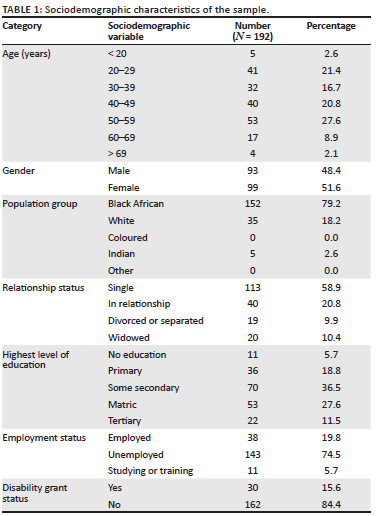
Table 1 revealed a pronounced gender disparity in the nursing workforce, with a higher proportion of female nurses (n = 125, 89%) compared to male nurses (n = 15, 11%), a statistically significant difference (p < 0.001). The age distribution indicates that most respondents were between 40 years old and 49 years old (63.46%), predominantly single (n = 75, 55%), and most of the nurses had 1-3 children (n = 115, 83%). In addition, a substantial number of respondents were PN with over 10 years of experience (n = 63, 46%). Overall, 51.1% of the ICU nurses sampled suffer from burnout. The study revealed that 44.7% experience high EE, and about one-third have moderate levels. Furthermore, 97.2% report high DP and low PA of 95%, with no participants feeling high levels of achievement.
Table 2 shows that females exhibited a greater percentage of high exhaustion (46%) compared to males (33%), while males exhibit a higher percentage of moderate exhaustion (53%) compared to females (31%). Despite these differences, statistical analysis indicates no significant relationship between gender and EE levels with the Chi-squared test result (χ2df = 2, p = 0.223). Differences in EE levels show a trend of increasing with increasing age, but the chi-squared test result of (χ2df = 4, p = 0.575) suggests no significant relationship between age and exhaustion levels. Table 2 highlighted a significant relationship is found between the category of nurse and occupational exhaustion levels. Professional nurses had the highest percentage in the high exhaustion category (46%), while SN showed the highest percentage in the moderate exhaustion category (56%), with the chi-squared test result (χ2df = 4, p = 0.019). No significant relationships are identified between marital status, number of children, experience, extra remunerative work, preferred shift, and occupational exhaustion levels.
The relationship between socio-demographic variables and DP scores reveals that most variables, as presented in Table 3, including gender, age, marital status, category of nurse, experience, extra remunerative work, and preferred shift, do not show significant associations with DP scores, as indicated by their p-values exceeding the 0.05 threshold. However, an exception is the number of children, which demonstrates a significant relationship with DP scores (p = 0.003). Specifically, individuals with no children or four or more children exhibit higher instances of moderate and low DP scores compared to those with one to three children, who predominantly show high DP scores. Although not statistically significant, a greater proportion of younger nurses (20-49 years) had a high DP compared to older nurses.
The relationship between socio-demographic variables and PA scores, using Pearson's Chi-squared tests (Table 4), indicates that none of the socio-demographic variables show significant associations with PA scores, as all p-values are greater than 0.05. For instance, both women and men report low PA scores (98% and 93%, respectively), and similar trends are observed across different age groups, marital status, and other variables. When applying the strict three-dimensional criterion (high EE, high DP and low PA concurrently), 72 of the 141 nurses met all three thresholds (Table 5). This corresponds to a burnout prevalence of 51.1%
Discussion
Among the 141 ICU nurses surveyed, 51.1% met the criteria for burnout, with high EE reported by 44.7% and high DP by 97.2%. In addition, none reported high levels of PA. According to the SANC statistics of 2023, about 89% of registered nurses are women, and a significant proportion belong to the age group of 35-50. Likewise, many South African nurses have more than a decade of professional experience and reflect the ageing profile of the nursing workforce at the national level.24p = 0.019), and between the number of children and DP scores (p = 0.003). These findings reflect a critical burden of burnout in working mothers. Based on the three-dimensional definition of burnout, the observed prevalence (51.1%) is broadly comparable to estimates reported in international literature. A systematic review conducted in 2023 by Papazian et al. reported a burnout prevalence of approximately 44% among ICU healthcare professionals, increasing to about 61% during the COVID-19 pandemic. While the prevalence reported in this study falls within this range, it is important to observe that none of the studies included in the meta-analysis were conducted within African settings, and most originated from high-income countries. Differences in healthcare system resources, staffing levels, patient acuity, and structural constraints within low- and middle-income settings may therefore influence variations in burnout prevalence and should be taken into account when interpreting these findings.
Socio-demographic variables and emotional exhaustion
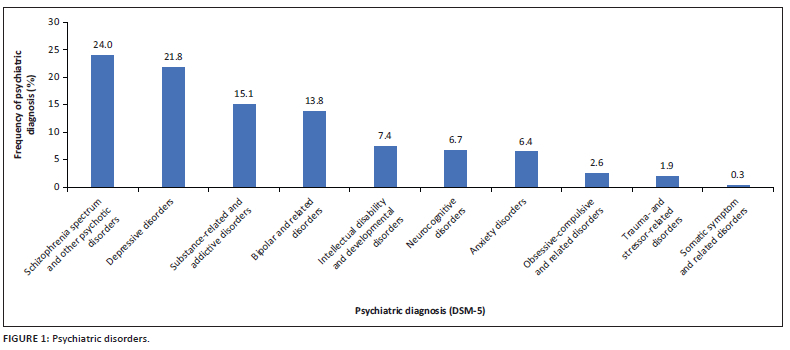
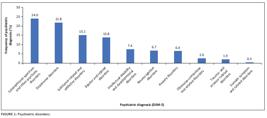
A total of 63 nurses (44.7%, CI [confidence interval]: 36.5% - 52.9%) were experiencing high levels of EE. These findings (Figure 1) align with a systematic review by Papazian et al., who reported a similar prevalence of 47%.325,26
Socio-demographic variables and depersonalisation
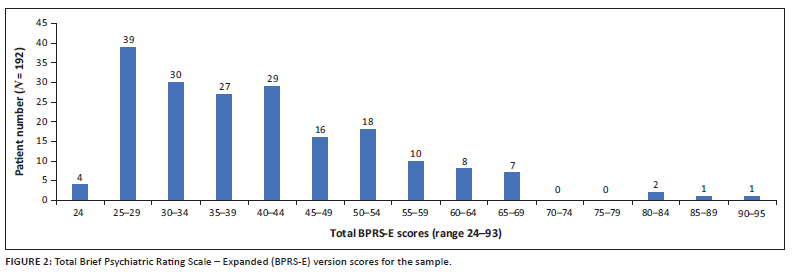
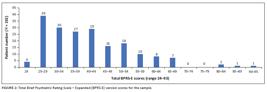
The results (Figure 2) indicate a high prevalence of DP among ICU nurses, with 97.2% (CI: 94.4% - 99.9%) experiencing elevated levels of DP. Comparative studies have shown a lower DP rate of 29%, which can be attributed to different work environments.3p-values greater than 0.05. This finding is consistent with Purvanova and Muros, who also reported no significant gender differences in burnout.27p-value of 0.003, suggesting that having children could influence DP levels. Moreover, having no children or more than three children was significant in our study population. There are mixed findings in the literature regarding this variable. Fiksenbaum suggests that having children can increase stress and burnout, while Jackson et al.223,28Figure 2 this finding underscores the complex interplay of personal and professional factors in influencing burnout among ICU nurses. This highlights the interplay of personal and professional factors in influencing burnout among ICU nurses.
Socio-demographic variables and personal accomplishment
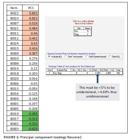
The PA levels among ICU nurses were notably low (Figure 3), and 137 nurses (97.2%, CI 94.4% - 99.9%) experienced low PA. High levels of burnout have been documented among intensive care nurses globally and are associated with poorer job satisfaction, increased staff turnover and potential risks to patient safety.1329,3027
Limitations
Burnout remains a contested construct with no universally accepted operational definition.3,1411,1211,31
Conclusion and recommendations
The study focused on burnout, measured by the MBI-HSS (MP), among ICU nursing staff and associated risk factors. The study found that 51.1% of participants experienced burnout, with a confidence interval ranging from 42.8% to 59.3%. Notably, nurses reported significantly higher levels of EE and a lower sense of PA. The analysis showed that demographic and occupational variables did not significantly impact burnout levels, but different nursing categories played a role. This emphasises the need for interventions to address burnout in ICU nurses to enhance staff well-being and thereby improve patient care.
This article forms part of the requirements for the fulfilment of the Master's of Medicine degree in Psychiatry of Matuka Banyane at the Department of Psychiatry, Faculty of Health Sciences, University of the Witwatersrand, Johannesburg, South Africa. Completed in 2025 under the supervision of Dr Wendy Friedlander.
Competing interests
The authors declare that they have no financial or personal relationships that may have inappropriately influenced them in writing this article.
CRediT authorship contribution
Matuka Banyane: Conceptualisation; Formal analysis; Funding acquisition; Investigation; Methodology; Writing - original draft. Wendy Friedlander: Conceptualisation; Supervision; Writing - review & editing. All authors reviewed the article, contributed to the discussion of results, approved the final version for submission and publication, and take responsibility for the integrity of its findings.
Funding information
This research received no specific grant from any funding agency in the public, commercial or not-for-profit sectors.
Data availability
The data that support the findings of this study are available on request from the corresponding author, Matuka Banyane.
Disclaimer
The views and opinions expressed in this article are those of the authors and are the product of professional research. They do not necessarily reflect the official policy or position of any affiliated institution, funder, agency, or that of the publisher. The authors are responsible for this article's results, findings, and content.
Acknowledgements
The authors would like to extend their gratitude to Prof. Neville Pillay for his assistance with statistical analysis and to the ICU nursing staff at Chris Hani Baragwanath Academic Hospital for their participation and support.
References
-
1. Klopper HC, Coetzee SK, Pretorius R, Bester P. Practice environment, job satisfaction and burnout of critical care nurses in South Africa. J Nurs Manag. 2012;20(5):685-695. https://doi.org/10.1111/j.1365-2834.2011.01350.x
» https://doi.org/10.1111/j.1365-2834.2011.01350.x -
2. Kerlin MP, McPeake J, Mikkelsen ME. Burnout and Joy in the profession of critical care medicine. Crit Care. 2020;24(1):98. https://doi.org/10.1186/s13054-020-2784-z. Erratum in: Crit Care. 2024;28(1):94. https://doi.org/10.1186/s13054-024-04856-9
» https://doi.org/10.1186/s13054-020-2784-z -
3. Papazian L, Hraiech S, Loundou A, Herridge MS, Boyer L. High-level burnout in physicians and nurses working in adult ICUs: A systematic review and meta-analysis. Intensive Care Med. 2023;49(4):387-400. https://doi.org/10.1007/s00134-023-07025-8
» https://doi.org/10.1007/s00134-023-07025-8 -
4. Leo CG, Sabina S, Tumolo MR, et al. Burnout among healthcare workers in the COVID 19 era: A review of the existing literature. Front Public Health. 2021;9:750529. https://doi.org/10.3389/fpubh.2021.750529
» https://doi.org/10.3389/fpubh.2021.750529 -
5. Nyasulu J, Pandya H. The effects of coronavirus disease 2019 pandemic on the South African health system: A call to maintain essential health services. Afr J Prm Health Care Fam Med. 2020;12(1):a2480. https://doi.org/10.4102/phcfm.v12i1.2480
» https://doi.org/10.4102/phcfm.v12i1.2480 -
6. Boniol M, Kunjumen T, Nair TS, Siyam A, Campbell J, Diallo K. The global health workforce stock and distribution in 2020 and 2030: A threat to equity and 'universal' health coverage? BMJ Glob Health. 2022;7(6):e009316. https://doi.org/10.1136/bmjgh-2022-009316
» https://doi.org/10.1136/bmjgh-2022-009316 -
7. Democratic Nursing Organisation of South Africa (DENOSA). DENOSA hopes today's SONA commits to NHI implementation, expedite hiring of critical staff in health settings [homepage on the Internet]. DENOSA; 2023 [cited 2025 Mar 27]. Available from: https://www.denosa.org.za/denosa-hopes-todays-sona-commits-to-nhi-implementation-expedite-hiring-of-critical-staff-in-health-settings/
» https://www.denosa.org.za/denosa-hopes-todays-sona-commits-to-nhi-implementation-expedite-hiring-of-critical-staff-in-health-settings/ -
8. Mash B. World health day: Budget cuts threaten right to health [homepage on the Internet]. Stellenbosch University; 2024 [cited 2024 Apr 08]. Available from: https://www.su.ac.za/en/students/node/871?language=en
» https://www.su.ac.za/en/students/node/871?language=en -
9. Asadi N, Salmani F. The experiences of the families of patients admitted to the intensive care unit. BMC Nurs. 2024;23(1):430. https://doi.org/10.1186/s12912-024-02103-8
» https://doi.org/10.1186/s12912-024-02103-8 -
10. Greenberg N, Weston D, Hall C, Caulfield T, Williamson V, Fong K. Mental health of staff working in intensive care during Covid-19. Occup Med (Lond). 2021;71(2):62-67. https://doi.org/10.1093/occmed/kqaa220
» https://doi.org/10.1093/occmed/kqaa220 -
11. Maslach C, Jackson SE. The measurement of experienced burnout. J Organ Behav. 1981;2(2):99-113. https://doi.org/10.1002/job.4030020205
» https://doi.org/10.1002/job.4030020205 -
12. Maslach C, Leiter MP. Understanding the burnout experience: Recent research and its implications for psychiatry. World Psychiatry. 2016;15(2):103-111. https://doi.org/10.1002/wps.20311
» https://doi.org/10.1002/wps.20311 -
13. Moss M, Good VS, Gozal D, Kleinpell R, Sessler CN. A critical care societies collaborative statement: Burnout syndrome in critical care health-care professionals. A call for action. Am J Respir Crit Care Med. 2016;194(1):106-113. https://doi.org/10.1164/rccm.201604-0708ST.
» https://doi.org/10.1164/rccm.201604-0708ST -
14. Woo T, Ho R, Tang A, Tam W. Global prevalence of burnout symptoms among nurses: A systematic review and meta-analysis. J Psychiatr Res. 2020;123:9-20. https://doi.org/10.1016/j.jpsychires.2019.12.015
» https://doi.org/10.1016/j.jpsychires.2019.12.015 -
15. Dubale BW, Friedman LE, Chemali Z, et al. Systematic review of burnout among healthcare providers in sub-Saharan Africa. BMC Public Health. 2019;19(1): 1247. https://doi.org/10.1186/s12889-019-7566-7
» https://doi.org/10.1186/s12889-019-7566-7 -
16. Chuang CH, Tseng PC, Lin CY, Lin KH, Chen YY. Burnout in the intensive care unit professionals: A systematic review. Medicine (Baltimore). 2016;95(50):e5629. https://doi.org/10.1097/MD.0000000000005629
» https://doi.org/10.1097/MD.0000000000005629 -
17. Yousif SY, Al-Fayyadh SA. Burnout among nurses in critical care units: Address in a persistent challenge. Malays J Nurs. 2024;16(2):97-107. https://doi.org/10.31674/mjn.2024.v16i02.010
» https://doi.org/10.31674/mjn.2024.v16i02.010 -
18. Merlani P, Verdon M, Businger A, et al. Burnout in ICU caregivers: A multicenter study of factors associated to centers. Am J Respir Crit Care Med. 2011;184(10):1140-1146. https://doi.org/10.1164/rccm.201101-0068OC
» https://doi.org/10.1164/rccm.201101-0068OC -
19. Kramer M, Könings KD, Prins JT, Van der Heijden FMMA, Heyligers IC. Still higher risk for burnout and low work engagement among female residents after 10 years of demographic feminisation. Med Sci Educ. 2024;34(5):1023-1036. https://doi.org/10.1007/s40670-024-02084-y
» https://doi.org/10.1007/s40670-024-02084-y -
20. Quesada-Puga C, Izquierdo-Espin FJ, Membrive-Jiménez MJ, et al. Job satisfaction and burnout syndrome among intensive-care unit nurses: A systematic review and meta-analysis. Intensive Crit Care Nurs. 2024;82:103660. https://doi.org/10.1016/j.iccn.2024.103660
» https://doi.org/10.1016/j.iccn.2024.103660 -
21. Diehl E, Rieger S, Letzel S, et al. The relationship between workload and burnout among nurses: The buffering role of personal, social and organisational resources. PLoS One. 2021;16(1):e0245798. https://doi.org/10.1371/journal.pone.0245798
» https://doi.org/10.1371/journal.pone.0245798 -
22. Jackson SE, Schwab RL, Schuler RS. Toward an understanding of the burnout phenomenon. J Appl Psychol. 1986;71(4):630-640. https://doi.org/10.1037/0021-9010.71.4.630
» https://doi.org/10.1037/0021-9010.71.4.630 -
23. Haarde M. Effects of stress management intervention amongst intensive care nurses in a Gauteng public hospital [homepage on the Internet]. 2017 [cited: 2025 Apr 11]. Available from: https://wiredspace.wits.ac.za/bitstreams/44b48180-82d7-478c-9e87-45bae2d1ad7b/download
» https://wiredspace.wits.ac.za/bitstreams/44b48180-82d7-478c-9e87-45bae2d1ad7b/download -
24. Ramírez-Elvira S, Romero-Béjar JL, Suleiman-Martos N, et al. Prevalence, risk factors and burnout levels in intensive care unit nurses: A systematic review and meta-analysis. Int J Environ Res Public Health. 2021;18(21):11432. https://doi.org/10.3390/ijerph182111432
» https://doi.org/10.3390/ijerph182111432 -
25. Zhang Y, Wu C, Ma J, et al. Relationship between depression and burnout among nurses in intensive care units at the late stage of COVID-19: A network analysis. BMC Nurs. 2024;23(1):224. https://doi.org/10.1186/s12912-024-01867-3
» https://doi.org/10.1186/s12912-024-01867-3 -
26. Dall'Ora C, Ejebu Z, Ball JE, Griffiths PD. Shift work characteristics and burnout among nurses: Cross-sectional survey. Occup Med. 2023;73(4):199-204. https://doi.org/10.1093/occmed/kqad046
» https://doi.org/10.1093/occmed/kqad046 -
27. Purvanova RK, Muros JP. Gender differences in burnout: A meta-analysis. J Vocat Behav. 2010;77(2):168-185. https://doi.org/10.1016/j.jvb.2010.04.006
» https://doi.org/10.1016/j.jvb.2010.04.006 -
28. Fiksenbaum LM. Supportive work-family environments: Implications for work-family conflict and well-being. Int J Hum Resour Manag. 2014;25(5):653-672. https://doi.org/10.1080/09585192.2013.796314
» https://doi.org/10.1080/09585192.2013.796314 -
29. South African Nursing Council (SANC). Annual statistics: Geographical distribution and age analysis of nurses in South Africa 2023 [homepage on the Internet]. Pretoria: South African Nursing Council; 2023 [cited 2025 Apr 11]. Available from: https://www.sanc.co.za/sanc-statistics/
» https://www.sanc.co.za/sanc-statistics/ -
30. Filho FA, Rodrigues MCS, Cimiotti JP. Burnout in Brazilian intensive care units: A comparison of nurses and nurse technicians. AACN Adv Crit Care. 2019;30(1):16-21. https://doi.org/10.4037/aacnacc2019222
» https://doi.org/10.4037/aacnacc2019222 -
31. Bianchi R, Schonfeld IS, Laurent E. Burnout-depression overlap: A review. Clin Psychol Rev. 2015;36:28-41. https://doi.org/10.1016/j.cpr.2015.01.004
» https://doi.org/10.1016/j.cpr.2015.01.004

Accepted: 22 Jan. 2026
Published: 23 Mar. 2026