Motivational interviewing for substance use among adults in low- and middle-income countries: A systematic review
Abstract
BACKGROUND: Harmful substance use (HSU) poses a significant global health challenge, impacting social, economic, and healthcare systems. Low- and middle-income countries (LMICs) are particularly burdened as a result of limited infrastructure for managing substance-related issues. While evidence-based brief interventions like motivational interviewing (MI) are widely used in high-income countries, research on their effectiveness in LMICs is limited AIM: This systematic review aims to evaluate studies employing MI as part of interventions for adults with HSU in LMIC settings SETTING: This review focused on studies within low- and middle-income countries which include settings characterised by constrained mental health resources, high treatment gaps for substance use disorders (SUDs), and diverse service delivery contexts METHODS: Following Cochrane and PRISMA guidelines, we searched PubMed, EBSCOhost, Web of Science, Cochrane Library, clinicaltrials.gov and GSK Clinical Study Register for publications from 2010 to 2022. A narrative analysis was conducted, and the Joanna Briggs Institute Critical Appraisal Tools assessed study quality RESULTS: Out of 518 publications, 11 studies from five countries met our inclusion criteria. Most were randomised controlled trials, with some using qualitative or mixed methods. The interventions targeted alcohol, opioids, and other drugs. Different strategies were used, including MI-blended with other interventions (such as cognitive-behavioural therapy, behavioural activation, and imaginal desensitisation) or using MI-informed approaches CONCLUSION: Overall, MI-informed interventions were shown to improve substance use outcomes in six of the 11 studies, with a significant reduction in substance use. However, further high-quality research with larger samples and rigorous designs is needed to strengthen the evidence base and address potential sources of bias CONTRIBUTION: Findings suggest that MI-informed approaches, as a brief intervention, can improve substance use outcomes in resource-constrained environments within LMICs
motivational interviewing; motivational interviewing-informed interventions; substance use disorders; LMICs; addiction; harmful substance use; cognitive-behavioural therapy; behavioural activation; imaginal desensitisation
Introduction
Harmful substance use (HSU) is a major challenge globally with far-reaching detrimental effects on social, economic, and health systems.1233444
Harmful substance use is an umbrella term used to refer to licit and illicit substances, including alcohol, nicotine, and drugs such as heroin, cocaine, cannabis, amphetamines, methamphetamines, and pharmaceutical drugs such as opioids and benzodiazepines.55678
In high-income countries, several evidence-based brief intervention models are used for HSU, including motivational interviewing (MI) alone or with cognitive-behavioural therapy (CBT), stress management, problem-solving, case management and community contingency therapy.9,1011121311
Motivational interviewing is a collaborative, client-centred counselling approach focused on strengthening an individual's motivation and commitment to change.14full or standard MI, typically delivered over multiple sessions, brief MI, which is shorter and adapted for time-limited settings, and MI-informed or MI-consistent approaches, in which practitioners apply MI principles without delivering a full protocol.14,15,1617,18
The effectiveness of MI as an intervention for substance use in high income countries (HICs), in its various formats as highlighted above, is mainly positive, but has also produced mixed results. Studies from HICs demonstrate that standard MI improves outcomes for non-injection drug users9192021,2223242525
The evidence of the effectiveness of MI for SUD treatment in LMICs is substantially less. In a meta-analysis on psychosocial interventions (including three MI-informed and/or MI-consistent interventions) for reducing alcohol consumption in sub-Saharan Africa, the outcomes were mixed.2626
Outcomes of intervention research in HICs may not yield similar results in LMICs even after being adapted to the local context in low-income populations.2711
Research methods and design
Methods were pre-specified and documented in a protocol (PROSPERO-CRD42022329196). The inclusion and exclusion criteria are discussed in the next section.
Inclusion criteria
Studies were included in this review if they met the following criteria:
• Studies that delivered MI in any of the following formats:
• Full and/or standard MI, defined as a multi-session, fidelity-adherent MI intervention delivered according to Miller and Rollnick's principles and processes.
• Brief MI, defined as a single-session or short-series MI intervention (typically 5-30 min) delivered using core MI strategies.
• Motivational interviewing-informed and/or MI-consistent interventions, defined as programmes incorporating selected MI principles or techniques without delivering a full MI protocol, often combined with a co-intervention such as CBT and problem-solving therapy (PST), among others.
• We did not restrict eligibility based on study design.
• Included adults aged 18 years and older.
• Included participants presenting with HSU.
• A diagnosis of an SUD as defined by any operationally defined criteria (e.g. DSM-5, ICD-11, or similar).
• Included participants presenting with or without comorbid mental disorders secondary to SUD (e.g. mood disorders, anxiety disorders).
• Conducted in LMICs and settings.
• Only studies published in English were included, and no translations were required.
Exclusion criteria
Studies were excluded based on the following criteria:
• Those with participants with major severe mental illness (e.g. schizophrenia, bipolar I disorder), as these conditions present an additional challenge to the use of MI as a treatment approach.
• Those examining healthy populations, children, and adolescents.
• Those in high-income countries (HICs) and settings.
Search and data abstraction
The databases searched were PubMed (which includes Medline), EBSCOhost (which includes PsycINFO), Web of Science and The Cochrane Library. Both clinical trial registries (clinicaltrials.gov and the GSK Clinical Study Register) were searched for records published between 2010 and 2022.
The keywords used were all possible combinations of the following words and phrases: 'motivational interviewing', 'mi', 'motivational intervention', 'addiction', 'substance use', 'alcohol use', 'drug use', 'tobacco use', 'harmful substance use', 'adults', 'qualitative research', 'quantitative research', 'low- and middle-income countries', 'developing countries' and 'developing nations'.
The lead reviewer (Amy S. Adams) systematically evaluated the titles, abstracts, and keywords associated with each article to determine their fulfilment of the inclusion or exclusion criteria. Of the 518 articles found, 16 were included and then reviewed more closely by two authors (Amy S. Adams and Taryn Williams), and a further nine articles were eliminated. Any confusion or ambiguity about suitability was discussed with the second author (Taryn Williams) and resolved between the two authors. The reference lists of the remaining seven articles were screened, and a further four articles were deemed suitable for inclusion. Therefore, a total of 11 articles were considered suitable for inclusion in this review. The PRISMA guidelines were followed, and the PRISMA search flow diagram was used for this review.28
After the articles were identified, Amy S. Adams and Taryn Williams independently extracted the following data: (1) description of the trials, (2) characteristics of participants, (3) characteristics of the intervention, including its duration, (4) outcome measures employed (primary and secondary), and (5) a summary of continuous and dichotomous data. Additional information was also extracted, such as the total dropouts per group. A narrative analysis was then done.
Assessment of the quality of evidence
Two reviewers (Amy S. Adams and Taryn Williams) independently assessed the methodological quality of included studies, using the Joanna Briggs Institute (JBI) Critical Appraisal Tool for randomised controlled trials (RCTs),293031internal validity (Was true randomisation used for assignment of participants to treatment groups? Was allocation to treatment groups concealed? etc.) and statistical conclusion validity (Were participants analysed in the groups to which they were randomised? Was appropriate statistical analysis used? etc.).29293031
Each study was critically appraised by using the relevant appraisal tool, and based on the analyses, the reviewers had the option to include, exclude, or seek further information, with any disagreement being resolved through discussion between the two reviewers. After an independent review, all 11 selected studies were included.
Risk of bias
The risk of bias was assessed for studies with applicable designs. The Cochrane Collaboration 'Risk of Bias' tool was used, and the following six domains were considered: sequence generation, allocation concealment, blinding of participants and personnel, blinding of outcome assessors, incomplete outcome data and selective outcome reporting. Additionally, other sources of bias (such as selective reporting and inadequate handling of missing data) were also identified and reported on. A judgement on the risk of bias was also made for each of the six domains mentioned above, based on the following three categories: high risk of bias, low risk of bias and unclear risk of bias.32
Ethical considerations
Ethical approval was not required as the study did not involve human participants or identifiable personal information.
Results
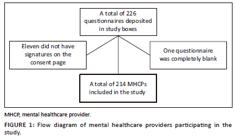
Figure 1 shows the article selection process for this review, according to the PRISMA guidelines. The initial searches yielded 518 records, and 495 remained after removing duplicates. After screening titles and abstracts, 18 were eligible for full review. Full texts were then reviewed, and nine did not meet the inclusion criteria (one article focused on adolescents and not adults; one was a published protocol; one was an evaluation of a training programme; the study sample in one article was the partner and children of the substance-using patient rather than the patient himself; and all others were excluded because the study sites were not based in an LMIC). Examining the reference lists from the remaining seven articles identified four additional studies.33,34,35,3633,34,35,36,37,38,39,40,41,42,43
Trial characteristics
Location or setting
As presented in Table 1, four studies were conducted in South Africa,35,39,42,4333,373640,4139,40,4142,43333734,36,3835
Participants
Participants were between the ages of 18 years and 75 years, with sample sizes ranging from nine participants373937404133353839433634
Design
The included studies were mainly RCTs.33,34,35,36,38,40,41,4237,3943
Intervention characteristics
The majority of studies targeted alcohol use.33,34,35,36,37,38,40,41394342
Intervention strategies
All interventions used either standard MI or MI-informed and/or MI-consistent interventions, which blended MI with another treatment modality. One study used standard MI.3534,3837423933433640,4140,41383637
Outcome measures
Seven of the 11 studies used the AUDIT as a primary outcome measure to measure the use of alcohol pre- and post-intervention.34,35,36,37,38,40,4133394342
Impact on substance use
Overall, MI-consistent interventions were shown to improve substance use outcomes in seven of the 11 studies, with significant reductions in substance use based on outcomes measured. The study by Madhombiro et al.383739
Van der Westhuizen et al.,4343434242
Utilising an MI-informed WHO Brief Intervention for Alcohol Use in their study with FSWs, L'Engle et al.33p < 0.0001).
The remaining five studies found less favourable outcomes. In a study by Rendall-Mkosi et al.,35p = 0.009). Additionally, a 50% reduction in the risk of an AEP was observed in the MI group, compared to a 24.59% reduction in the control group at the 3-month follow-up (p = 0.004). However, the authors note that these reductions were mainly a result of improved use of contraceptives rather than reduced alcohol use.
Therefore, while demonstrating that MI may support behavioural change related to reduced risk of an AEP, the study does not provide direct evidence for MI's effectiveness in reducing alcohol use. At the 3- and 12-month follow-ups, the MI group showed a 14.75% reduction in risky drinking compared with a 10.94% reduction in the control group; however, this difference was not statistically significant. Additionally, examining the change in median AUDIT scores from baseline to 12 months, the MI group experienced a significant reduction (a decline of 5 points) compared to that in the control group (a decline of 1.5 points as determined by Wilcoxon's rank-sum test, p = 0.007).
Wandera et al.,36p < 0.0001) in the control arm and 6.8 to 3.9 (p = 0.001) in the intervention arm, with the greatest decline in both groups in the first 3 months post-intervention. The mean AUDIT-C score at 3 months was significantly lower in the control arm compared to that in the intervention arm (3.5 in the control group vs. 4.3 in the intervention group, p = 0.034); however, the mean scores were not different between groups at 6 months (3.4 in the control group vs. 3.9 in the intervention group, p = 0.141). The only significant finding favourable for MI was shown in a gender-stratified mixed-effects model in which the mean difference in AUDIT-C change over time was not different by treatment arm among male participants (0.38, 95% confidence interval [CI]: −0.41 to 1.17, p = 0.3493); but among female participants, the MI arm had greater AUDIT-C reductions compared to that in the control arm (−1.10, 95% CI: −2.19 to −0.02, p = 0.0457).
Risk of bias findings
The risk of bias was assessed for each of the included studies, wherever applicable (i.e. RCTs33,34,35,36,38,40,41,4233,35,36,403536,404036
Discussion
In this review, only one of the included studies used standard MI, not demonstrating significant reductions in substance use.3533,35,37,38,39,42,439,19,20,21,22,2334,36,40,41
The study by Wandera et al.3644,45,46
In contrast to the brief single-session, MI-informed approach in this study, research using standard multi-session MI has demonstrated reductions in both the number of drinks consumed and in heavy drinking episodes. This finding suggests that multi-session MI, which aligns more closely with the original structure and phases of MI, may produce stronger behavioural outcomes than single-session adaptations do.6,47
Regarding the interventions themselves, Nadkarni and colleagues414126
Limitations
Several limitations of the current evidence base should be acknowledged. Firstly, only one study evaluated a standard MI intervention; the remaining studies used MI-informed or blended interventions, limiting the ability to conclude about the efficacy of pure MI. Secondly, insufficient detail was provided about the specific MI techniques included, making the determination of the components that drove outcomes difficult. Thirdly, most studies did not report who delivered the interventions (e.g. lay providers vs. trained health professionals), which may affect both fidelity and generalisability. Fourthly, MI-informed or blended interventions were not consistently operationalised, limiting comparability across studies. Finally, the role of the MI component within multicomponent interventions was rarely discussed or evaluated, precluding attribution of effects specifically to MI.
Further limitations of this review stem from the variability in the methods of alcohol-use measurement in the included studies, ranging from the AUDIT, AUDIT-C, ASSIST, questionnaires, interviews, and other qualitative measures. While the search approach was systematic, only two trial registries were included (i.e. clinicaltrials.gov and the GSK Clinical Study Register [2010-2022]), which cannot ensure the identification of all interventions, as publication and language biases may have influenced the results. Moreover, certain interventions might not have been included if they did not explicitly mention MI, MI-informed, or MI-blended as a primary intervention in their methods, abstracts, keywords, or titles. One of the included studies was a pilot RCT, which may have been less robust in design and intervention content.4036,40
Conclusion
This review highlights that overall, MI-informed interventions demonstrated positive effects in improving substance use outcomes in the majority of the studies reviewed. Although the only study that utilised standard and/or pure MI did not demonstrate significant reductions in substance use, significant reductions were observed in several MI-informed studies. The reviewed studies employed a range of intervention strategies, including MI-blended with other interventions (such as CBT, BA, and imaginal desensitisation, and milieux therapy, among others) or using MI-informed approaches. Despite the heterogeneity, MI-informed interventions demonstrated potential effectiveness in reducing substance use. The studies were conducted in diverse settings, including primary healthcare centres, emergency centres, specialist clinics, hospitals, and Non-Governmental Organisation (NGOs). This result suggests that MI-informed interventions can be implemented effectively across various healthcare settings and different geographic locations.
The primary outcome measures varied across the studies, with the AUDIT being the most commonly used measure. While many studies reported significant reductions in substance use based on these measures, some studies showed nonsignificant differences between intervention and control groups. Future research should address the gaps highlighted above by clearly defining interventions, specifying interventionists, and evaluating the unique contribution of MI within combined programmes. Studies with larger sample sizes and more rigorous study designs are also necessary to strengthen the evidence base and address potential sources of bias. Nonetheless, MI-informed interventions can be considered a valuable approach for substance use interventions in LMICs within a range of treatment settings and available resources, complementing existing treatment modalities and promoting positive outcomes.
Competing interests
The author, Dan J. Stein, served as an editorial board member of this journal. The peer review process for this submission was handled independently, and the author had no involvement in the editorial decision-making process for this article. Dan J. Stein also received consultancy honoraria from Discovery Vitality, Johnson & Johnson, Kanna, L'Oreal, Lundbeck, Orion, Sanofi, Servier, Takeda and Vistagen. Steven Shoptaw has received clinical supplies from Gilead Sciences, Inc., Indivior, Inc., and Alkermes, Inc.
The authors reported that they received funding from South African Medical Research Council's Unit on Risk and Resilience in Mental Disorders, which may be affected by the research reported in the enclosed publication. The authors have disclosed those interests fully and have implemented an approved plan for managing any potential conflicts arising from their involvement. The terms of these funding arrangements have been reviewed and approved by the University of Cape Town in accordance with its policy on objectivity in research. The authors have no other competing interests to declare.
CRediT authorship contribution
Amy S. Adams: Conceptualisation, Data curation, Formal analysis, Methodology, Project administration, Resources, Writing - original draft, Writing - review & editing. Taryn Williams: Data curation, Formal analysis, Methodology, Resources, Writing - review & editing. Dan J. Stein: Conceptualisation, Writing - review & editing. Goodman Sibeko: Writing - review & editing. Steven Shoptaw: Writing - review & editing. Stephen Rollnick: Writing - review & editing. All authors reviewed the article, contributed to the discussion of results, approved the final version for submission and publication, and take responsibility for the integrity of its findings.
Funding information
Dan J. Stein was supported by the South African Medical Research Council's Unit on Risk and Resilience in Mental Disorders.
Data availability
The methods and protocol for this systematic review were pre-specified and documented in a registered protocol (PROSPERO - CRD42022329196). All data extracted and analysed during the review are included in this article. Additional data or supporting materials are available upon reasonable request from the corresponding author, Dr Amy S. Adams.
Disclaimer
The views and opinions expressed in this article are those of the authors and are the product of professional research. They do not necessarily reflect the official policy or position of any affiliated institution, funder, agency or that of the publisher. The authors are responsible for this article's results, findings and content.
Acknowledgements
We acknowledge the initial version of this work published as a preprint on Medrxiv (https://doi.org/10.1101/2023.09.15.23295607). Feedback received during the preprint phase was thoroughly considered and incorporated into the article prior to its acceptance for publication.
References
-
1. Jayamaha AR, Herath HMNDM, Dharmarathna HNND, et al. Implementing therapeutic community as a rehabilitation intervention for the imprisoned narcotic drug offenders with substance use disorder: special reference to Sri Lanka. J Offender Rehabil. 2022;61(4):188-206. https://doi.org/10.1080/10509674.2022.2062519
» https://doi.org/10.1080/10509674.2022.2062519 -
2. World Health Organization. Prevalence of drug use - Regional and global estimates: 2021 [homepage on the Internet]. 2022 [cited 2023 May 4]. Available from: https://dataunodc.un.org/dp-drug-use-prevalence-regional
» https://dataunodc.un.org/dp-drug-use-prevalence-regional - 3. World Health Organization. Global status report on alcohol and health and treatment of substance use disorders. Geneva: World Health Organization; 2024.
-
4. United Nations Office on Drugs and Crime. Prevalence of drug use -regional estimates [homepage on the Internet]. 2020 [cited 2022 Aug 8]. Available from: https://dataunodc.un.org/dp-drug-use-prevalence
» https://dataunodc.un.org/dp-drug-use-prevalence -
5. Degenhardt L, Whiteford HA, Ferrari AJ, et al. Global burden of disease attributable to illicit drug use and dependence: Findings from the Global Burden of Disease Study 2010. Lancet. 2013;382(9904):1564-1574. https://doi.org/10.1016/S0140-6736(13)61530-5
» https://doi.org/10.1016/S0140-6736(13)61530-5 -
6. Chandler RK, Fletcher BW, Volkow ND. Treating drug abuse and addiction in the criminal justice system. JAMA. 2009;301(2):183. https://doi.org/10.1001/jama.2008.976
» https://doi.org/10.1001/jama.2008.976 -
7. Petersen I, Marais D, Abdulmalik J, et al. Strengthening mental health system governance in six low- and middle-income countries in Africa and South Asia: Challenges, needs and potential strategies. Health Policy Plan. 2017;32(5):699-709. https://doi.org/10.1093/heapol/czx014
» https://doi.org/10.1093/heapol/czx014 - 8. Gentil V. Principles that should guide mental health policies in low-and middle-income countries (LMICs): Lessons from the Brazilian experiment. Rev Bras Psiquiatr. 2011;33(1):2-3.
-
9. Aharonovich E, Sarvet A, Stohl M, et al. Reducing non-injection drug use in HIV primary care: A randomized trial of brief motivational interviewing, with and without HealthCall, a technology-based enhancement. J Subst Abuse Treat. 2017;74:71-79. https://doi.org/10.1016/j.jsat.2016.12.009
» https://doi.org/10.1016/j.jsat.2016.12.009 -
10. Kahler CW, Pantalone DW, Mastroleo NR, et al. Motivational interviewing with personalized feedback to reduce alcohol use in HIV-infected men who have sex with men: A randomized controlled trial. J Consult Clin Psychol. 2018;86(8):645. https://doi.org/10.1037/ccp0000322
» https://doi.org/10.1037/ccp0000322 -
11. Harder VS, Musau AM, Musyimi CW, Ndetei DM, Mutiso VN. A randomized clinical trial of mobile phone motivational interviewing for alcohol use problems in Kenya. Addiction. 2020;115(6):1050-1060. https://doi.org/10.1111/add.14903
» https://doi.org/10.1111/add.14903 - 12. Jenkins R, Baingana F, Ahmad R, McDaid D, Atun R. Social, economic, human rights and political challenges to global mental health. Ment Health Fam Med. 2011;8(2):87.
-
13. D'Amico EJ, Osilla KC, Hunter SB. Developing a group motivational interviewing intervention for first-time adolescent offenders at-risk for an alcohol or drug use disorder. Alcohol Treat Q. 2010;28(4):417-436. https://doi.org/10.1080/07347324.2010.511076
» https://doi.org/10.1080/07347324.2010.511076 -
14. Hettema J, Steele J, Miller WR. Motivational interviewing. Annu Rev Clin Psychol. 2005;1(1):91-111. https://doi.org/10.1146/annurev.clinpsy.1.102803.143833
» https://doi.org/10.1146/annurev.clinpsy.1.102803.143833 - 15. Miller WR, Rollnick S. Motivational interviewing: Helping people change. New York, NY: Guilford Press; 2012.
-
16. Rollnick S, Heather N, Bell A. Negotiating behaviour change in medical settings: The development of brief motivational interviewing. J Mental Health. 1992;1(1):25-37. https://doi.org/10.3109/09638239209034509
» https://doi.org/10.3109/09638239209034509 - 17. Burke BL, Arkowitz H, Menchola M. The efficacy of motivational interviewing: A meta-analysis of controlled clinical trials. J Consult Clin Psychol. 2003;71(5):843.
-
18. Lundahl B, Burke BL. The effectiveness and applicability of motivational interviewing: A practice-friendly review of four meta-analyses. J Clin Psychol. 2009;65(11):1232-1245. https://doi.org/10.1002/jclp.20638
» https://doi.org/10.1002/jclp.20638 - 19. Vasilaki EI, Hosier SG, Cox WM. The efficacy of motivational interviewing as a brief intervention for excessive drinking: A meta-analytic review. Alcohol Alcohol. 2006;41(3):328-335.
- 20. Carroll KM, Ball SA, Nich C, et al. Motivational interviewing to improve treatment engagement and outcome in individuals seeking treatment for substance abuse: A multisite effectiveness study. Drug Alcohol Depend. 2006;81(3):301-312.
-
21. Shahzadi M, Hafeez S, Abbas Q, Ehsaan S, Khan M. The leading role of evidence-based practices in the treatment of patients with substance use disorders: A systematic review. J Pak Med Assoc. 2023;73(8):1675-1683. https://doi.org/10.47391/JPMA.7136
» https://doi.org/10.47391/JPMA.7136 - 22. Riper H, Andersson G, Hunter SB, De Wit J, Berking M, Cuijpers P. Treatment of comorbid alcohol use disorders and depression with cognitive-behavioural therapy and motivational interviewing: A meta-analysis. Addiction. 2014;109(3):394-406.
-
23. Herman Y, Norouzian N, MacKenzie LE. An integrated substance use treatment model for young adults with first-episode psychosis: A naturalistic pilot evaluation. Early Interv Psychiatry. 2023;17(3):311-318. https://doi.org/10.1111/eip.13337
» https://doi.org/10.1111/eip.13337 - 24. Wang W, Chau AKC, Kong P, Sun X, So SH-W. Efficacy of motivational interviewing in treating co-occurring psychosis and substance use disorder: A systematic review and meta-analysis. J Clin Psychiatry. 2021;83(1):38865.
-
25. Moyers TB, Houck J. Combining motivational interviewing with cognitive-behavioral treatments for substance abuse: Lessons from the COMBINE research project. Cogn Behav Pract. 2011;18(1):38-45. https://doi.org/10.1016/j.cbpra.2009.09.005
» https://doi.org/10.1016/j.cbpra.2009.09.005 - 26. Sileo KM, Miller AP, Wagman JA, Kiene SM. Psychosocial interventions for reducing alcohol consumption in sub-Saharan African settings: A systematic review and meta-analysis. Addiction. 2021;116(3):457-473.
-
27. Field CA, Cochran G, Caetano R. Ethnic differences in the effect of drug use and drug dependence on brief motivational interventions targeting alcohol use. Drug Alcohol Depend. 2012;126(1-2):21-26. https://doi.org/10.1016/j.drugalcdep.2012.04.009
» https://doi.org/10.1016/j.drugalcdep.2012.04.009 -
28. Page MJ, McKenzie JE, Bossuyt PM, et al. The PRISMA 2020 statement: An updated guideline for reporting systematic reviews. BMJ. 2021 Mar 29;372:n71. https://doi.org/10.1136/bmj.n71
» https://doi.org/10.1136/bmj.n71 -
29. Barker TH, Stone JC, Sears K, et al. The revised JBI critical appraisal tool for the assessment of risk of bias for randomized controlled trials. JBI Evid Synth. 2023;21(3):494-506. https://doi.org/10.11124/JBIES-22-00430
» https://doi.org/10.11124/JBIES-22-00430 -
30. Lockwood C, Munn Z, Porritt K. Qualitative research synthesis: Methodological guidance for systematic reviewers utilizing meta-aggregation. JBI Evid Implement. 2015;13(3):179-187. https://doi.org/10.1097/XEB.0000000000000062
» https://doi.org/10.1097/XEB.0000000000000062 - 31. Moola S, Munn Z, Tufanaru C, Aromataris E, Sears K, Sfetcu R, et al. Chapter 7: Systematic reviews of etiology and risk. In: Aromataris E, Munn Z, editors, Joanna Briggs Institute Reviewer's Manual. Adelaide (AU): The Joanna Briggs Institute, 2017; p. 217-269.
- 32. Higgins JP, Savović J, Page MJ, Elbers RG, Sterne JA. Assessing risk of bias in a randomized trial. In: Higgins JP, Thomas J, Chandler J, et al. editors, Cochrane Handbook for Systematic Reviews of Interventions. Version 6.0. Chichester (UK): John Wiley & Sons, 2019; p. 205-228.
-
33. L'Engle KL, Mwarogo P, Kingola N, Sinkele W, Weiner DH. A randomized controlled trial of a brief intervention to reduce alcohol use among female sex workers in Mombasa, Kenya. J Acquir Immune Defic Syndr. 2014;67(4):446-453. https://doi.org/10.1097/QAI.0000000000000335
» https://doi.org/10.1097/QAI.0000000000000335 - 34. Madhombiro M, Dube B, Dube M, et al. Intervention for alcohol use disorders at an HIV care clinic in Harare: A pilot and feasibility study. Addict Sci Clin Pract. 2019;14(1):16.
- 35. Rendall-Mkosi K, Morojele N, London L, Moodley S, Singh C, Girdler-Brown B. A randomized controlled trial of motivational interviewing to prevent risk for an alcohol-exposed pregnancy in the Western Cape, South Africa. Addiction. 2013;108(4):725-732.
-
36. Wandera B, Tumwesigye NM, Nankabirwa JI, et al. Efficacy of a single, brief alcohol reduction intervention among men and women living with HIV/AIDS and using alcohol in Kampala, Uganda: A randomized trial. J Int Assoc Provid AIDS Care. 2017;16(3):276-285. https://doi.org/10.1177/2325957416649669
» https://doi.org/10.1177/2325957416649669 - 37. Giusto AM, Ayuku D, Puffer ES. Learn, Engage, Act, Dedicate (LEAD): Development and feasibility testing of a task-shifted intervention to improve alcohol use, depression and family engagement for fathers. Int J Mental Health Syst. 2022;16(1):16.
- 38. Madhombiro M, Kidd M, Dube B, et al. Effectiveness of a psychological intervention delivered by general nurses for alcohol use disorders in people living with HIV in Zimbabwe: A cluster randomized controlled trial. J Int AIDS Soc. 2020;23(12):e25641.
-
39. Marks M, Scheibe A, Shelly S. High retention in an opioid agonist therapy project in Durban, South Africa: The role of best practice and social cohesion. Harm Reduct J. 2020;17(1):25. https://doi.org/10.1186/s12954-020-00368-1
» https://doi.org/10.1186/s12954-020-00368-1 -
40. Nadkarni A, Velleman R, Dabholkar H, et al. The systematic development and pilot randomized evaluation of counselling for alcohol problems, a lay counselor-delivered psychological treatment for harmful drinking in primary care in India: The PREMIUM Study. Alcohol Clin Exp Res. 2015;39(3):522-531. https://doi.org/10.1111/acer.12653
» https://doi.org/10.1111/acer.12653 -
41. Nadkarni A, Weiss HA, Velleman R, et al. Feasibility, acceptability and cost-effectiveness of a brief, lay counsellor-delivered psychological treatment for men with alcohol dependence in primary care: An exploratory randomized controlled trial. Addiction (Abingdon, England). 2019;114(7):1192-11203. https://doi.org/10.1111/add.14630
» https://doi.org/10.1111/add.14630 -
42. Sorsdahl K, Stein DJ, Pasche S, et al. A novel brief treatment for methamphetamine use disorders in South Africa: A randomised feasibility trial. Addict Sci Clin Pract. 2021;16(1):3. https://doi.org/10.1186/s13722-020-00209-3
» https://doi.org/10.1186/s13722-020-00209-3 -
43. Van der Westhuizen C, Malan M, Naledi T, et al. Patient outcomes and experience of a task-shared screening and brief intervention service for problem substance use in South African emergency centres: A mixed methods study. Addict Sci Clin Pract. 2021;16(1):13. https://doi.org/10.1186/s13722-021-00239-5
» https://doi.org/10.1186/s13722-021-00239-5 -
44. Gilbert P, Ciccarone D, Gansky SA, et al. Interactive 'Video Doctor' counseling reduces drug and sexual risk behaviors among HIV-positive patients in diverse outpatient settings. PLoS One. 2008;3(4):e1988. https://doi.org/10.1371/journal.pone.0001988
» https://doi.org/10.1371/journal.pone.0001988 -
45. Parsons JT, Golub SA, Rosof E, Holder C. Motivational interviewing and cognitive-behavioral intervention to improve HIV medication adherence among hazardous drinkers: A randomized controlled trial. J Acquir Immune Defic Syndr. 2007;46(4):443-450. https://doi.org/10.1097/QAI.0b013e318158a461
» https://doi.org/10.1097/QAI.0b013e318158a461 -
46. Samet JH, Horton NJ, Meli S, et al. A randomized controlled trial to enhance antiretroviral therapy adherence in patients with a history of alcohol problems. Antivir Ther. 2005;10(1):83-93. https://doi.org/10.1177/135965350501000106
» https://doi.org/10.1177/135965350501000106 -
47. Velasquez MM, Von Sternberg K, Johnson DH, Green C, Carbonari JP, Parsons JT. Reducing sexual risk behaviors and alcohol use among HIV-positive men who have sex with men: A randomized clinical trial. J Consult Clin Psychol. 2009;77(4):657-667. https://doi.org/10.1037/a0015519
» https://doi.org/10.1037/a0015519 -
48. Kypri K. Methodological issues in alcohol screening and brief intervention research. Subst Abuse. 2007;28(3):31-42. https://doi.org/10.1300/J465v28n03_04
» https://doi.org/10.1300/J465v28n03_04

Accepted: 11 Dec. 2025
Published: 13 May 2026