Psychometric Properties of the Self-Care Inventory for Children with Cerebral Palsy in a Resource-Constrained Urban South African Context
Abstract
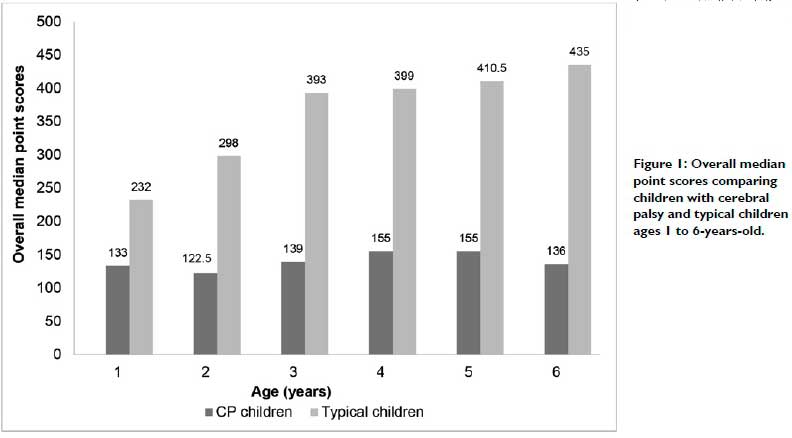
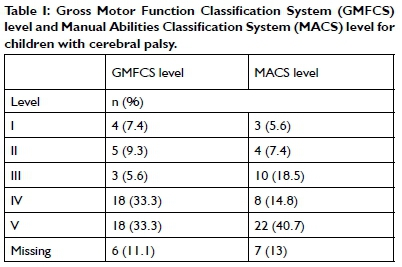
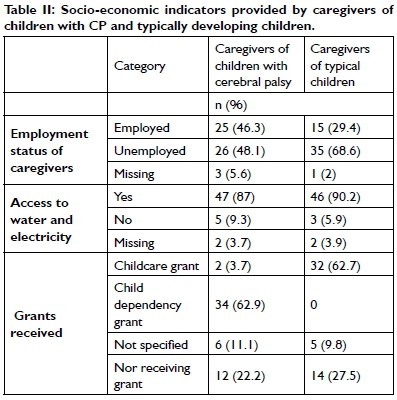
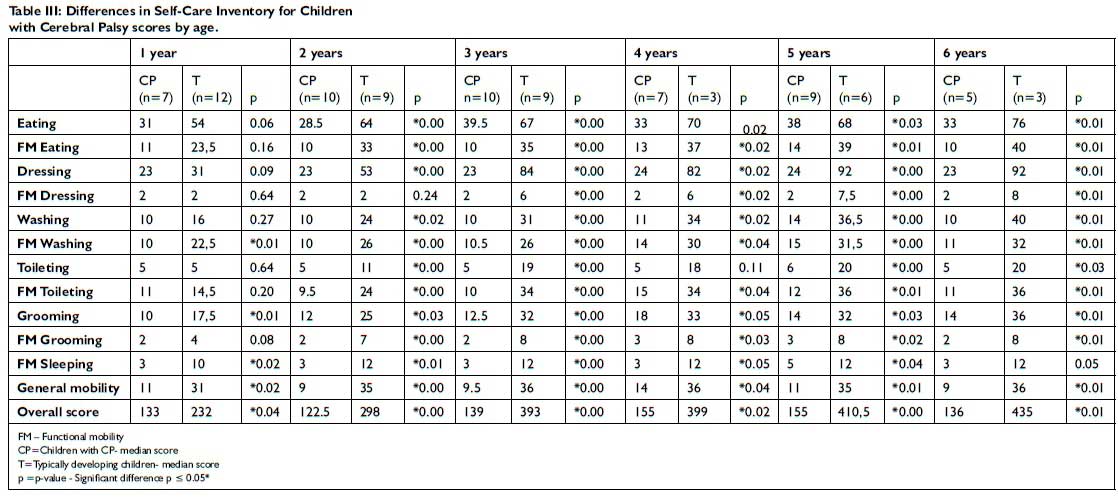
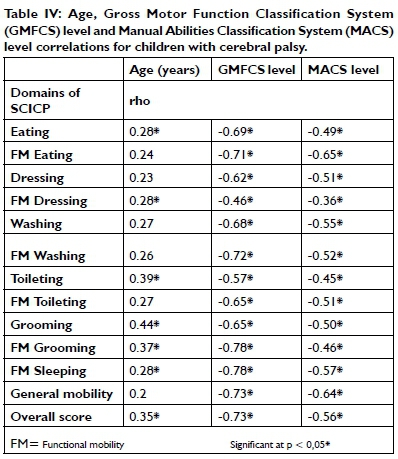
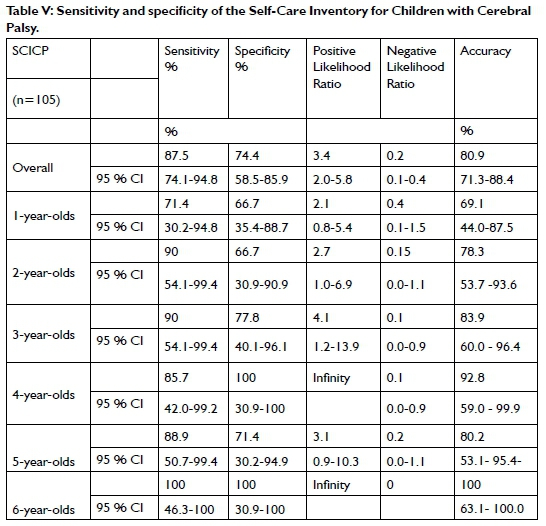
INTRODUCTION: For children with cerebral palsy (CP), conducting self-care tasks may be difficult due to physical and cognitive problems. Accurate assessment of children with CP is needed for realistic intervention. The Self-Care Inventory for Children with Cerebral Palsy (SCICP) was developed by Julia Burg in 2016. The SCICP is a caregiver reported questionnaire that aims to assess the extent to which a CP child can conduct their self-care tasks independently. Burg created the SCICP due to the lack of a valid assessment tool for the South African population to assess CP children's self-care abilities. The aim of the study was to investigate selected psychometric properties of the SCICP in terms of known-group validity, concurrent validity with the gross motor function, and manual abilities of the children with CP as well as the tool's diagnostic accuracyMETHOD: A quantitative cross-sectional, non-experimental study design with the caregivers of 50 children with CP (0 to 8-years-old), and 50 typically developing children (0 to 6-years-old) was conducted. Data were collected at two hospitals in the Ekurhuleni district in Gauteng, South Africa. The caregivers completed a demographic questionnaire and the SCICP assessment tool for each child. Descriptive statistics and non-parametric statistics including the Mann- Whitney U test as well as Spearman's correlation co-efficient were used to analyse the data, since data were ordinal. Sensitivity and specificity and internal consistency were also establishedRESULTS: The SCICP differentiates between children who are typically developing and children with CP who present with developmental delay on the overall score. For some components of self-care activities for the 0 to 1-year-old children, the difference in scores is not significant since typically developing children of this age may be dependent in many self-care tasksCONCLUSION: The SCICP shows promising results for use in the clinical setting to identify deficits in CP children's ability to perform their self-care tasks and provide guidance for intervention for self-care for children with CP
Cerebral palsy; resource-constrained environment; self-care; participation; evaluation; known-group validity; functional mobility; low socio-economic status
 Thumbnail