Community Integration Experiences of Stroke Survivors in Mangaung, Free State
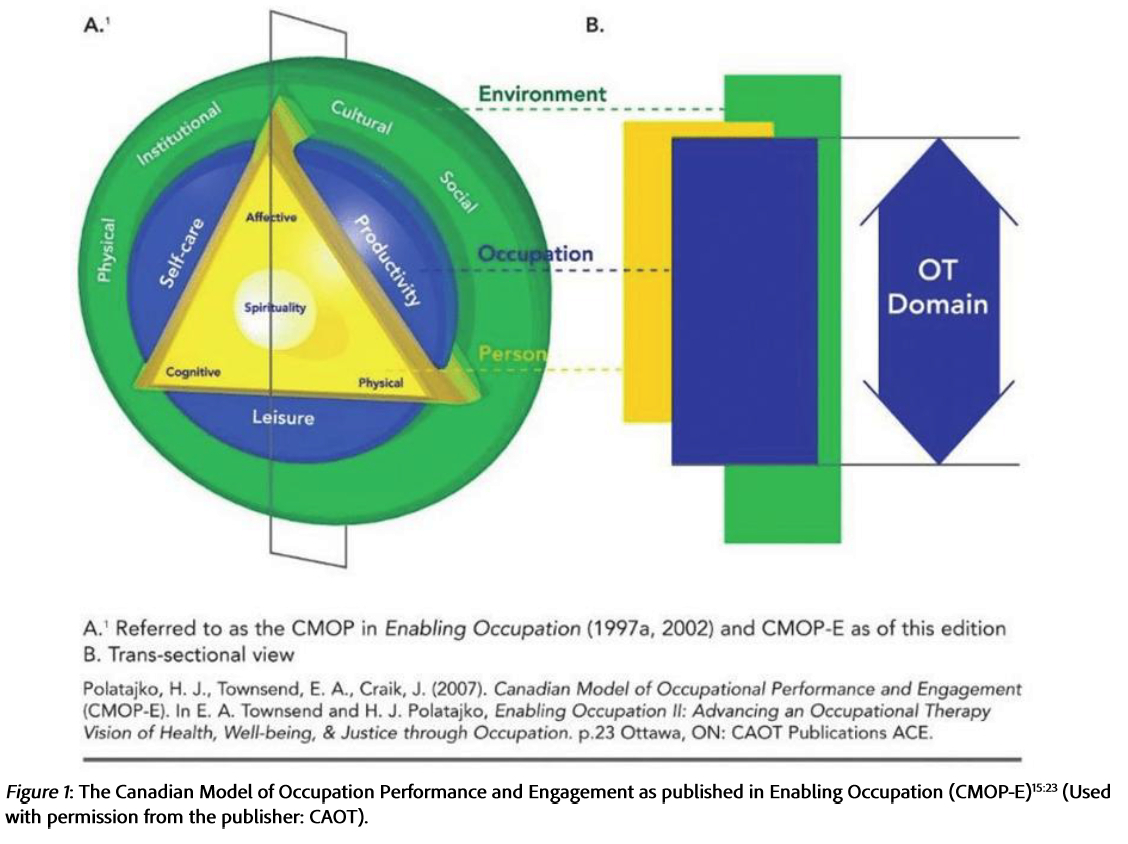
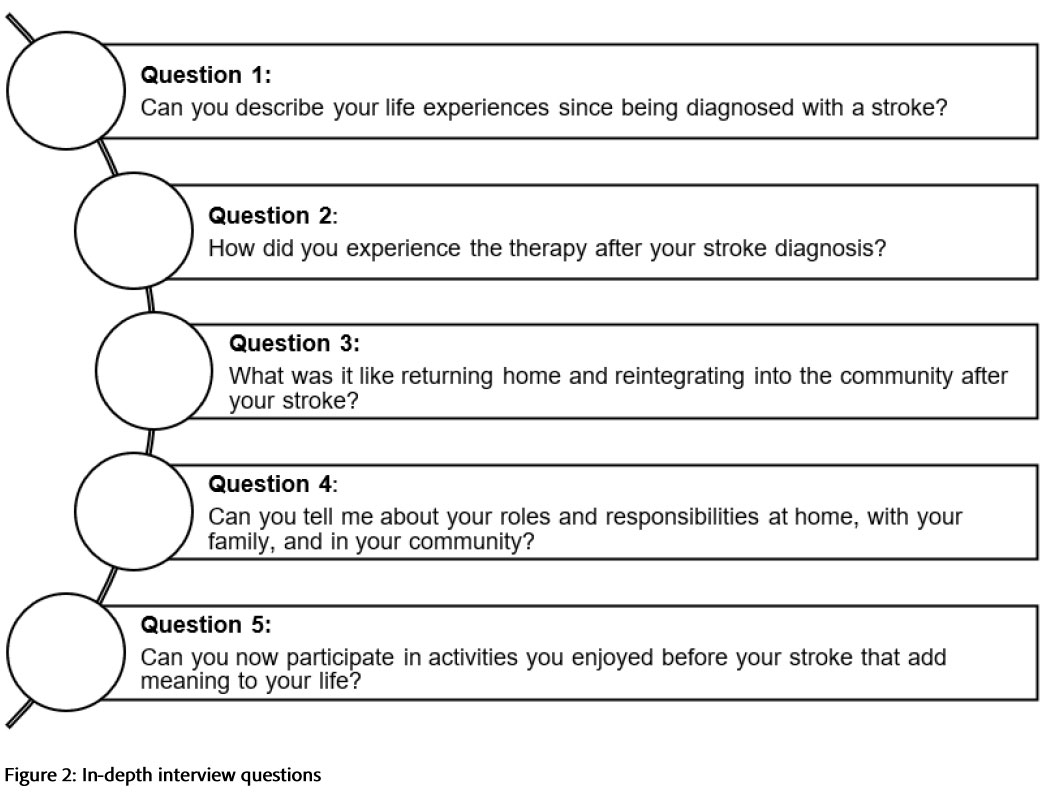
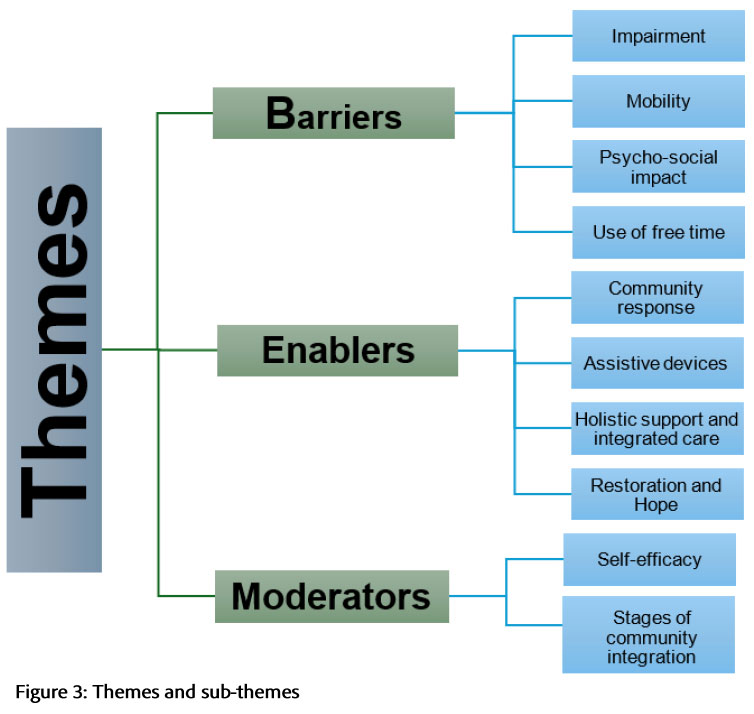
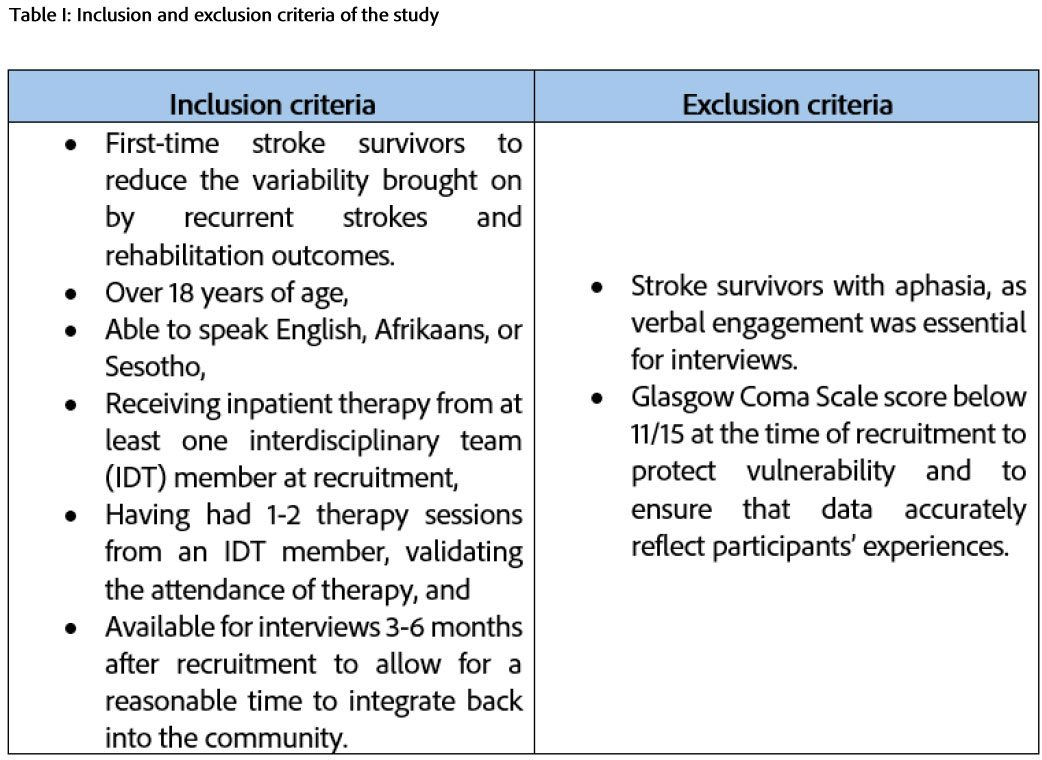
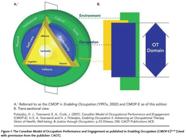
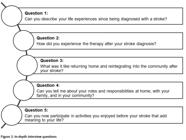
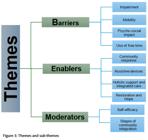
INTRODUCTION: Community integration plays a vital role for stroke survivors, supporting participation in meaningful occupations and fostering connection to their environments. Yet, stroke survivors often experience barriers that hinder community integration OBJECTIVE: This study aimed to explore and describe the stroke survivors' experiences of community integration in Mangaung, Free State. The Canadian Model of Occupational Performance and Engagement (CMOP-E) guided the interpretation of their journeys METHOD: A descriptive qualitative design was used. Eight participants, who received 3-6 weeks of inpatient rehabilitation at private hospitals, were recruited and interviewed individually using an interview script. Data were analysed using Braun and Clarke's thematic analysis framework FINDINGS: Three main themes emerged from the participants' experiences: (1) Challenges with Accessibility: physical and societal barriers that limited mobility and engagement. (2) Role of Social Networks: family, friends, and community support facilitated integration. (3) Engagement in Meaningful Activities: Participation significantly contributed to their sense of belonging and recovery CONCLUSION: Rehabilitation programmes should address individual and systemic barriers, improve environmental accessibility, considering the clients' social network and opportunities for meaningful participation. These measures are essential to support community integration and the overall quality of life of stroke survivors IMPLICATIONS FOR PRACTICE: This study revealed the complex factors influencing post-stroke community integration and offers the following recommendations: •Provide holistic, client-centred therapy that addresses emotional, cognitive, physical, and spiritual needs to support identity reconstruction. •Adapt home and community environments and advocate for accessibility and inclusion. •Facilitate phased community integration through graded public exposure, normalising psychosocial challenges and assistive device use. •Involve caregivers, community members, and faith leaders to foster belonging and sustained participation. •Finally, expand professional roles to include home- and community-based support beyond discharge.
Accessibility; Stroke Support; Stroke Recovery; Rehabilitation; Meaningful Occupation; CMOP-E
 Thumbnail
 Thumbnail
 Thumbnail