A Rapid Review of occupational therapy intervention for neonatal care
Abstract
INTRODUCTION: This rapid review synthesised global evidence on occupational therapy intervention practices for neonatal care to inform occupational therapy practice within national health policies. Neonatal care refers to early intervention for premature or at-risk newborn infants. METHODS: Searches were conducted of the Cochrane, Medline, CINAHL, and Academic OneFile databases through keyword searches. Systematic reviews and randomised controlled trials (RCTs) that qualified as Level I and II studies, published in peer-reviewed journals from January 2015 to August 2025, were included for screening. Screenings took place in Rayyan.ai first by title and abstract by two reviewers, and then by full text. Conflicts were resolved by a third reviewer. The Critical Appraisal Skills Programme checklists for systematic reviews and RCTs were used for bias and quality control. The records included in the study were systematically analysed, and the resulting data were plotted using a customised Excel worksheet. RESULTS: Nine records were included for analysis, focusing on the following interventions: family-focused care, sensory-focused oral-motor interventions, management of tone, interventions for obstetric brachial plexus injuries, multisensory stimulation and priming, and the effects of neonatal therapy interventions on the development of premature infants. A strong focus on family involvement was present. Intervention took place on a primary, secondary, and tertiary healthcare level where the occupational therapist was part of a specialised team. Short and possible long-term outcomes were described for all developmental domains. CONCLUSION: Evidence from this rapid review confirms that occupational therapists are vital members of specialist neonatal teams at all levels of healthcare. They contribute to the early care of infants for overall development and support families through education and training. IMPLICATIONS FOR PRACTICE: • Occupational therapists' unique skill set enables them to provide a specialised yet holistic approach within a multidisciplinary neonatal care team • Occupational therapy intervention in neonatal care is required in tertiary, secondary, and primary health settings • A family-focused approach is recommended across different interventions and diagnoses and provides possible cost-effective quality intervention for neonatal care
early intervention; prematurity; family-focussed care; good health and well-being; multidisciplinary neonatal care
INTRODUCTION
The World Health Organisation defines neonatal care as "caring for a newborn" in the first 28 days of their life11,2. Proper intervention during labour, birth, the first week of life, and for sick or very small infants is essential to lower neonatal mortality. When there are concerns about a neonate's health, they are often admitted to a neonatal ward or a Neonatal Intensive Care Unit (NICU) with four different levels of NICU: from level one, which is for mostly healthy babies with low risk of complications and born at over 35 weeks' gestation; level 2 for babies born at a minimum of 32 weeks, with moderate illness who are expected to heal without need for specialty care, or who can be transferred from a higher level of care; level three for babies of any prematurity or with congenital malformations, and finally level four, the highest level of support for critically ill infants3
The multi-disciplinary team involved in neonatal care includes a variety of medical providers, support workers, and family members of the infant. The medical team may consist of neonatologists, nurses and neonatal nurse practitioners, physicians, nutritionists and respiratory therapists45
As occupational therapy education includes both physical and mental health care models, occupational therapists provide a holistic approach to supporting the infant and their family from birth to post-discharge. Specialised occupational therapy input may also be needed as pre-term infants are at risk of sensory processing difficulties678
In their position paper, OTASA recommended that the seven core measures of neuroprotective care guide occupational therapy practice in neonatal care, namely: a healing environment, partnering with parents, positioning and handling, safeguarding sleep, minimising stress and pain, protecting skin, and optimising nutrition78
Neonatal care is seen as a specialised area requiring skill sets in infant evaluation and intervention, standardised tools for both parents and infants, as well as in-depth knowledge about factors that may influence development at pre-, peri-, and post-natal level. These may include neuro-behaviour, sensory processing, motor-function, and occupation-based theories and approaches that may assist with nurturing and emerging self-care activities7
Neonatal care in sub-Saharan Africa
Research related to neonatal care in sub-Saharan Africa is limited9et al. found variable newborn care practices between African countries with no mention of occupational therapy or other rehabilitation input. Staff shortages, inadequate infrastructure, work overload and lack of supplies and equipment are challenges described by neonatal care staff at a South African government hospital1011
This review contributes to a sequence of rapid reviews commissioned by OTASA, to produce evidence of occupational therapy intervention, with the aim of informing upcoming National Health Insurance policies.
METHODOLOGY
Research Design
The OTASA rapid review task team includes four occupational therapists with clinical and academic expertise across different practice areas. The primary researcher (PR) led the neonatal care review, supported by co-authors throughout all review phases. The South African Department of Health method guide for rapid reviews1213
Search strategy
Step 1: Topic and review refinement
The research question was: What evidence exists for occupational therapy interventions for neonatal care? The research population was defined as neonates, thus, infants younger than 28 days1
Studies were included in this review if they were recognised as Level I or II evidence. Level I refers to randomized controlled trials (RCTs) and systematic reviews of RCTs with or without meta-analysis. Level II refers to systematic reviews of a combination of RCT's and quasi-experimental studies with or without meta-analysis14
Step 2: Strategy and search
Searches were carried out by the PR online on the Stellenbosch University library website, using the Cochrane, Medline, CINAHL and Academic Onefile databases. The following search string was used: occupational therapy AND intervention OR treatment AND neonatal care OR NICU OR prematurity OR low birth weight. Relevant filters and Boolean markers were applied.
Step 3: Screening and selection
Records identified by the search engines according to the inclusion criteria were stored in the online reference tool EndNote1516
Step 4: Risk of bias assessment, quality appraisal and data extraction
The Critical Appraisals Skills Program (CASP) was used to appraise the quality of the studies, with separate checklists for RCTs and systematic reviews17
Data extraction was completed by the PR making use of a custom MS Excel spreadsheet containing headings as determined by the research team to include data about the study methods, participants, data collection tools, intervention (method, logistics and outcomes), occupational therapy skill levels, and cost.
Step 5: Synthesis
Quantitative and qualitative information extracted were summarised through inductive reasoning to carefully consider and group together commonalities and differences. Quantitative data were reported and, where appropriate, configured to means and ranges.
Step 6: Reporting and dissemination of results
Key information was reported in table format for easy access and readability, while further dissemination occurred narratively.
RESULTS
Search results
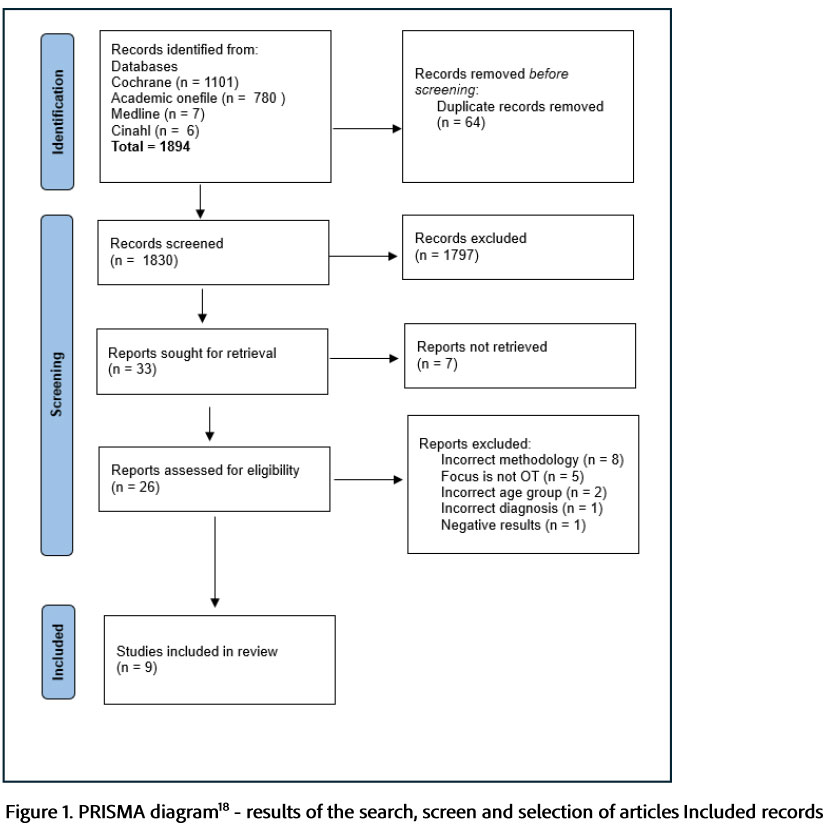
A total of 1894 records were identified through database searches. The screening process is summarised in Figure 1 (below), resulting in nine records finally included in this rapid review for analysis.
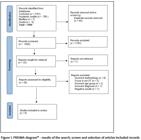
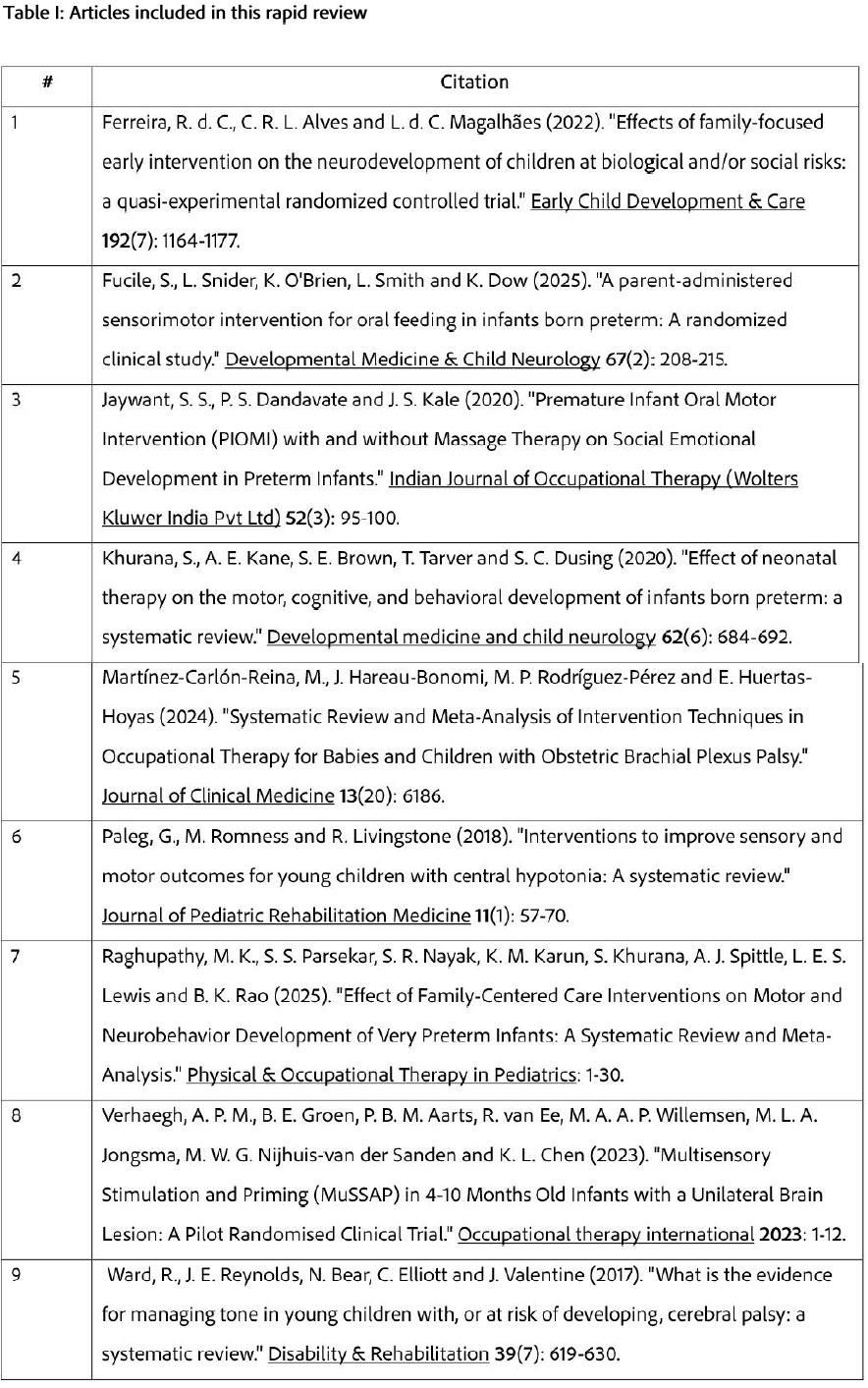
Nine articles were included for review following the search and screening process. The articles are listed below in Table I.
Quality appraisal
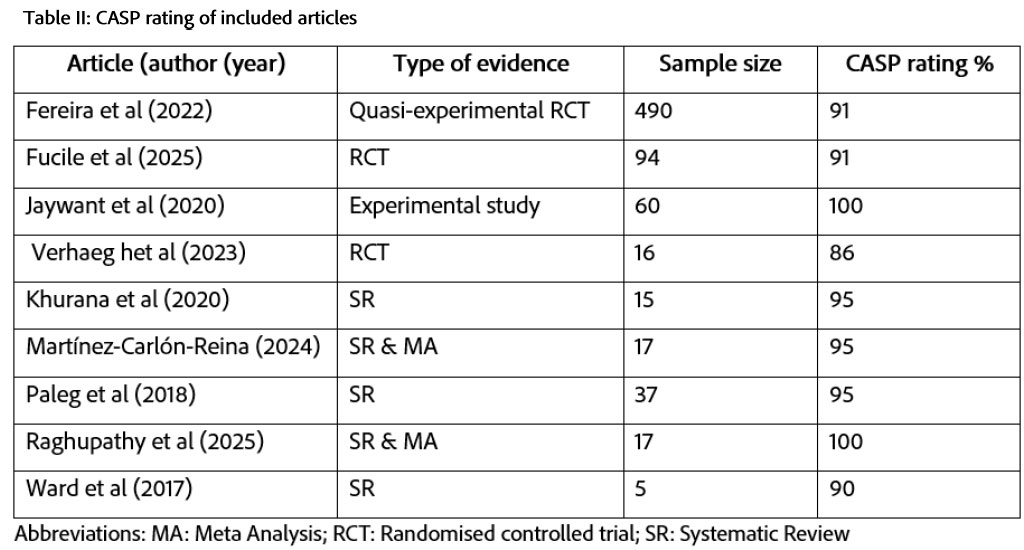
The records included were five systematic reviews19-23 and four experimental studies or randomised controlled trials24-27 that met the criteria for Level I and II evidence. All included studies had high CASP rating scores (86% - 100%). Sample sizes of experimental studies and RCT's varied between 16 and 490 while systematic reviews included 5 - 37 records. Table II (below) reports on individual articles, sample sizes and CASP ratings.
Study locations
Experimental studies and RCTs were carried out in Brazil2726252419,22, Canada19222822,28, Japan1919,23, the Netherlands19,22, Norway192322221919,22,28. Two systematic reviews did not report on the location of individual studies; however, the authors from Paleg et al.'s study originated from Spain2120
Study participants
All studies included neonates, while four studies specifically focused on premature infants19,22,25,26. Conditions and diagnoses included infants at high risk, socially or biologically272021242327
Occupational therapy interventions
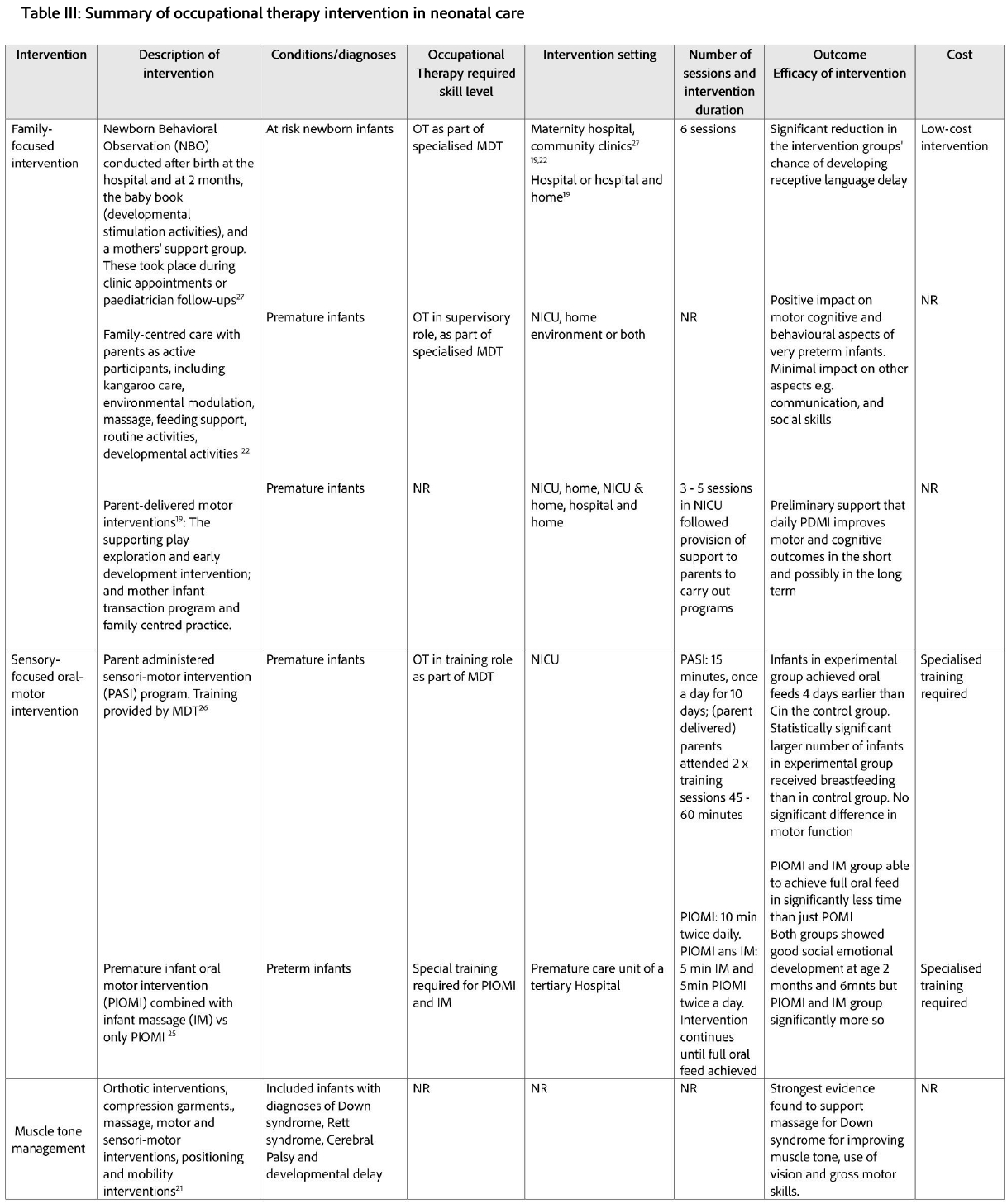
The intervention-themes of the included articles were: family-focussed intervention (n = 2); sensory-focussed oral-motor interventions (n = 2); management of increased or decreased muscle tone (n = 2); interventions for obstetric brachial plexus injuries (n = 1); multisensory stimulation and priming (n = 1) and the effect of neonatal therapy interventions on the development of premature infants (n = 1). Interventions are described below and summarised in detail in Table III. (page 6)
Family-focused intervention
Family-focused intervention for a Brazilian quasi-experimental RCT272227221926
Sensory-focused oral-motor intervention
Occupational therapists, as part of an MDT, provided training for parents of premature infants in a Canadian neonatal intensive care unit to implement the parent-administered sensori-motor intervention (PASI) program262525
Muscle tone management
Two systematic reviews explored interventions to manage tone23212,28.
Interventions for brachial plexus injuries
Three studies focusing on neonates were included in a systematic review that explored techniques used in occupational therapy interventions for babies and children with obstetric brachial plexus palsy20
Multisensory stimulation and priming
A pilot RCT examined the effect of multisensory stimulation and priming (MuSSAP) on preterm infants with unilateral acquired brain abnormalities, at risk of unilateral cerebral palsy in the Netherlands24
The effect of therapy on the development of premature infants
Khurana et al (2020) focused their systematic review on the effect of neonatal therapy on the development of preterm infants. Interventions were grouped as follow: parent-delivered motor interventions, therapist-delivered postural control intervention, developmental care, and oromotor interventions. Results indicated preliminary support for parent-delivered motor interventions for long-term and short-term cognitive and motor gains. Therapist-delivered postural control interventions showed positive effects for short-term motor gains, while developmental care programs indicated short-term behavioural gains. Oromotor interventions did not deliver evidence on gains in developmental outcomes.
Intervention structure
Across the included studies, the intervention process started in the NICU19,22,26, premature care unit251919,22,24 or at a clinic2723
Seven records reported on duration and/or session time and frequency of the intervention. There was a significant variation - from 6 sessions of family training and follow-up sessions2720Table III (page 6) contains detailed information about the intervention time, duration and frequency as reported.
Intervention skill level and cost
Occupational therapists were most often described as part of a specialised multidisciplinary team22,2,27. Specific training is required for programmes such as the PIOMI and IM252427
Data collection
Data collection strategies varied according to each study's particular aims and objectives. Standardised assessments such as the Bayley Scales of Infant and Toddler Development22,24,27, Test of Infant Motor Performance6242224202825,26, parent satisfaction2222,24. Time measurements were used to determine the effect of oral-motor interventions25,26. To investigate the influence of different neonatal therapies aspects such as age and weight of the infant, time of recruitment and follow-up, setting, intervention provider and intervention structure were considered along with more formal methods of assessment19
DISCUSSION
This rapid review reports on evidence of occupational therapy interventions for neonatal care from a high-level recent global evidence perspective. The four included RCTs and five SRs represent research across varied geographical and socio-economic areas. The findings of this review align with those of Bee et al., highlighting a notable limitation in the available research conducted within sub-Saharan Africa92910
Regardless of a region's socio-economic status, it is imperative to provide high-quality neonatal care, especially for preterm or high-risk infants. While adequate infrastructure, equipment, and medical supplies are essential components of healthcare provision, the presence of a specialised multidisciplinary neonatal team remains paramount in delivering effective care122,26,27.
Certain specialised intervention programmes, including the Premature Infant Oral Motor Intervention (PIOMI), Infant Massage (IM)2524719,20. The specific cost of these specialised interventions, training required, or specialists involved, was not mentioned. Furthermore, although infants in the neonatal phase require intensive and specific shorter-term input25-27 they often require long-term intervention and follow-up20
Despite these challenges, it is encouraging to note that low-cost, family-focused early intervention programmes have demonstrated positive outcomes22
Several interventions described in this review identify parents and families as essential contributors to the occupational therapy treatment regime, or to a therapeutic regime that includes occupational therapy. This aligns with the recommendations of Bell et al.113
The review reflects the importance of a holistic occupation-based approach within neonatal care825,26 as an emerging self-care activity778
The review shows that occupational therapists participate in neonatal care from an infant's birth, in tertiary settings like NICUs, as well as in secondary and primary community clinics and infants' homes. The focus was on premature-born infants, infants at risk, and infants diagnosed with neurological conditions (cerebral palsy or traumatic brain injury), genetic disorders (Down's syndrome or Rett's syndrome) or physical conditions (obstetric brachial plexus palsy). The importance of early intervention and multidisciplinary collaboration for these infant groups is reflected in the positive outcomes achieved in the various developmental domains. Furthermore, possible positive long-term effects for cognitive and motor outcomes were described for parent-delivered motor interventions19,22.
Limitations of the study
This review considered level I and II evidence only. Although scoping reviews, qualitative studies and case studies could have offered additional insights, it was not considered for inclusion.
Future research and recommendations
Considering the paucity of high-quality research from sub-Saharan Africa, future studies to describe current occupational therapy practices, but also any unique challenges such as resource limitations, infrastructure deficits, and workforce shortages in sub-Saharan Africa is recommended. Given the success of low-cost, family-focused interventions in low socio-economic contexts, further research should explore the adaptation, feasibility, and effectiveness of occupational therapy programmes in similar settings where there may be limited access to specialised training or advanced medical equipment.
Lower level reviews (e.g., scoping reviews) that include lower-level evidence, such as qualitative studies and case studies, could offer valuable insights into occupational therapy interventions delivered within sub-Saharan Africa.
Lastly, more research is needed on the cost-effectiveness of different occupational therapy interventions to inform policy and funding decisions, especially in resource-constrained environments.
Ethical consideration declaration
Ethical clearance was not required for this review as no primary data collection was done. The quality and bias of selected articles were tested to ensure quality results to inform the question of this review.
CONCLUSION
High-level global evidence supports the role of the occupational therapist as part of a specialist neonatal team on tertiary, secondary, and primary health care levels. Occupational therapists deliver essential specialised care to the infant to promote and enhance global development, but also to the family through education and training. Various early intervention treatment programmes require a high level of expertise and experience and/or additional training.
Conflict of interest declaration
The authors have no bias to declare.
The Microsoft AI tool, Copilot, was used to assist with the language editing and paraphrasing of the final article.
Author contributions
All authors planned and participated in the execution and writing of review. Shaheed Soeker initiated the review, and Janke van der Walt led the writing of the article.
REFERENCES
-
1. Organization WH. Newborn Health. Accessed 15 February 2026, 2026. https://www.who.int/westernpacific/health-topics/newborn-health#tab=tab_1
» https://www.who.int/westernpacific/health-topics/newborn-health#tab=tab_1 -
2. American Academy of Pediatrics. Levels of neonatal care. Pediatrics. 2019;144(3):e20191741. https://doi.org/10.1542/peds.2019-1741
» https://doi.org/10.1542/peds.2019-1741 -
3. AdventHealth. NICU levels: What do they mean? Accessed 14 November, 2025. https://www.adventhealth.com/hospital/adventhealth-children/blog/nicu-levels-what-do-they-mean
» https://www.adventhealth.com/hospital/adventhealth-children/blog/nicu-levels-what-do-they-mean -
4. Bell EA, Rufrano GA, Traylor AM, Ohning BL, Salas E. Enhancing team success in the neonatal intensive care unit: challenges and opportunities for fluid teams. Frontiers in Psychology. 2023;7(14):1284606. https://doi.org/10.3389/fpsyg.2023.1284606
» https://doi.org/10.3389/fpsyg.2023.1284606 -
5. Barbosa VM. Teamwork in the neonatal intensive care unit. Physical & Occupational Therapy in Pediatrics. 2013;33(1):5 - 26. https://doi.org/10.3109/01942638.2012.729556
» https://doi.org/10.3109/01942638.2012.729556 -
6. Ryckman J, Hilton C, Rogers C, Pineda R. Sensory processing disorder in preterm infants during early childhood and relationships to early neurobehavior. Early Human Development. 2017;113:18-22. https://doi.org/10.1016/j.earlhumdev.2017.07.012
» https://doi.org/10.1016/j.earlhumdev.2017.07.012 -
7. OTASA. OTASA Position Statement: Occupational Therapy in Neonatal Care. South African Journal of Occupational Therapy. 12/04 2024;54(3). https://doi.org/10.17159/2310-3833/2024/vol54no3a11
» https://doi.org/10.17159/2310-3833/2024/vol54no3a11 -
8. RCOT. Occupational therapy in neonatal services and early intervention. Practice guidelines. 2022. Acessed 10 June 2025. https://www.rcot.co.uk/explore-resources/children-young-people-families/ot-neonatal-care
» https://www.rcot.co.uk/explore-resources/children-young-people-families/ot-neonatal-care -
9. Bee M, Shiroor A, Hill Z. Neonatal care practices in sub-Saharan Africa: a systematic review of quantitative and qualitative data. Journal of health, population and nutrition. 2018;37(1):1-12. https://doi.org/10.1186/s41043-018-0141-5
» https://doi.org/10.1186/s41043-018-0141-5 -
10. Mathebula M, G., Bopape M, A., Mutshatshi T, E., Ramavhoya T, I. Challenges Faced by Midwives who Care for Neonates in Neonatal Intensive Care Units of Public Hospitals in Limpopo Province, South Africa. The Open Public Health Journal. 2024;17. https://doi.org/10.2174/0118749445263786231221115552
» https://doi.org/10.2174/0118749445263786231221115552 -
11. Plastow NA, de Wit M, Brown M, et al. Mapping Effectiveness Studies of Occupational Therapy in Africa: A Scoping Review. Occupational Therapy International. 2023:1-18. https://doi.org/10.1155/2023/6688222
» https://doi.org/10.1155/2023/6688222 -
12. Department of Health RSA. Methods guide for rapid reviews for Covid-19 medicine reviews, 2022. Accessed 12 March 2025. https://www.health.gov.za/wp-content/uploads/2022/03/Protocol-Template-for-rapid-reviews-of-COVID-19_v4.0_12March2022.pdf
» https://www.health.gov.za/wp-content/uploads/2022/03/Protocol-Template-for-rapid-reviews-of-COVID-19_v4.0_12March2022.pdf -
13. Tricco AC, Antony J, Zarin W, et al. A scoping review of rapid review methods. BMC Medicine. 2015;13(1) doi: http://dx.doi.org.ez.sun.ac.za/10.1186/s12916-05-0465-6
» http://dx.doi.org.ez.sun.ac.za/10.1186/s12916-05-0465-6 -
14. Burns PB, Rohrich RJ, Chung KC. The Levels of Evidence and Their Role in Evidence-Based Medicine. Plastic and reconstructive surgery (1963). 2011;128(1):305-310. https://doi.org/10.1097/PRS.0b013e318219c171
» https://doi.org/10.1097/PRS.0b013e318219c171 - 15. The EndNote Team (2013). EndNote (EndNote 2025/Version 64-bit) [Computer program]. Philadelphia, PA: Clarivate
-
16. Ouzzani, M., Hammady, H., Fedorowicz, Z. & Elmagarmid, A. Rayyan-a web and mobile app for systematic reviews. Systematic Reviews. 2016; 5(1), 210. https://doi.org/10.1186/s13643-016-0384-4
» https://doi.org/10.1186/s13643-016-0384-4 -
17. CASP. CASP Checklists. 2023 [accessed 2023 Jun 27]. https://casp-uk.net/casp-tools-checklists/
» https://casp-uk.net/casp-tools-checklists/ -
18. Page, M. J., McKenzie, J. E., Bossuyt, P. M., Boutron, I., Hoffmann, T. C., Mulrow, C. D., Shamseer, L., Tetzlaff, J. M., Aki, E. A., Brennan, S. E., Chou, R., Glanville, J., Grimshaw, J. M., Hróbjartsson, A., Lalu, M. M., Li, T., Loder, E. W., Mayo-Wilson, E., McDonald, S.,...Moher, D. The PRISMA 2020 statement: An updated guideline for reporting systematic reviews. PLOS Medicine.2021; 18(3), Article e1003583. https://doi.org/10.1371/journal.pmed.100358319 .
» https://doi.org/10.1371/journal.pmed.100358319 -
19. Khurana, S., Kane, A. E., Brown, S. E., Tarver, T., & Dusing, S. C. Effect of neonatal therapy on the motor, cognitive, and behavioral development of infants born preterm: a systematic review. Developmental Medicine and Child Neurology. 2020; 62(6), 684-692. https://doi.org/10.1111/dmcn.14485
» https://doi.org/10.1111/dmcn.14485 -
20. Martínez-Carlón-Reina M, Hareau-Bonomi J, Rodríguez-Pérez MP, Huertas-Hoyas E. Systematic Review and Meta-Analysis of Intervention Techniques in Occupational Therapy for Babies and Children with Obstetric Brachial Plexus Palsy. Article. Journal of Clinical Medicine. 2024;13(20):6186. https://doi.org/10.3390/jcm13206186
» https://doi.org/10.3390/jcm13206186 -
21. Paleg G, Romness M, Livingstone R. Interventions to improve sensory and motor outcomes for young children with central hypotonia: A systematic review. Article. Journal of Pediatric Rehabilitation Medicine. 2018;11(1):57-70. https://doi.org/10.3233/PRM-170507
» https://doi.org/10.3233/PRM-170507 -
22. Raghupathy MK, Parsekar SS, Nayak SR, et al. Effect of Family-Centered Care Interventions on Motor and Neurobehavior Development of Very Preterm Infants: A Systematic Review and Meta-Analysis. Article. Physical & Occupational Therapy in Pediatrics. 2025:1-30. https://doi.org/10.1080/01942638.2024.2449387
» https://doi.org/10.1080/01942638.2024.2449387 -
23. Ward R, Reynolds JE, Bear N, Elliott C, Valentine J. What is the evidence for managing tone in young children with, or at risk of developing, cerebral palsy: a systematic review. Article. Disability & Rehabilitation. 2017;39(7):619-630. https://doi.org/10.3109/09638288.2016.1153162
» https://doi.org/10.3109/09638288.2016.1153162 -
24. Verhaegh APM, Groen BE, Aarts PBM, et al. Multisensory Stimulation and Priming (MuSSAP ) in 4-10 Months Old Infants with a Unilateral Brain Lesion: A Pilot Randomised Clinical Trial. Article. Occupational Therapy International. 2023:1-12. https://doi.org/10.1155/2023/8128407
» https://doi.org/10.1155/2023/8128407 -
25. Jaywant SS, Dandavate PS, Kale JS. Premature Infant Oral Motor Intervention (PIOMI) with and without Massage Therapy on Social Emotional Development in Preterm Infants. Article. Indian Journal of Occupational Therapy (Wolters Kluwer India Pvt Ltd). 2020;52(3):95-100. https://doi.org/10.4103/ijoth.ijoth_13_20
» https://doi.org/10.4103/ijoth.ijoth_13_20 -
26. Fucile S, Snider L, O'Brien K, Smith L, Dow K. A parent‐administered sensorimotor intervention for oral feeding in infants born preterm: A randomized clinical study. Article. Developmental Medicine & Child Neurology. 2025;67(2):208-215. https://doi.org/10.1111/dmcn.16046
» https://doi.org/10.1111/dmcn.16046 -
27. Ferreira RdC, Alves CRL, Magalhães LdC. Effects of family-focused early intervention on the neurodevelopment of children at biological and/or social risks: a quasi-experimental randomized controlled trial. Article. Early Child Development & Care. 2022;192(7):1164-1177. https://doi.org/10.1080/03004430.2020.1851214
» https://doi.org/10.1080/03004430.2020.1851214 -
28. Ward R, Reynolds JE, Bear N, Elliott C, Valentine J. What is the evidence for managing tone in young children with, or at risk of developing, cerebral palsy: a systematic review. Disability and rehabilitation. 2017;39(7):619-630. https://doi.org/10.3109/09638288.2016.1153162
» https://doi.org/10.3109/09638288.2016.1153162 -
29. World Bank Group. Upper Middle Income. Accessed 2 February, 2026. https://blogs.worldbank.org/en/opendata/understanding-country-income--world-bank-group-income-classifica#:~:text=July%201%2C%202025%20(new%2C,%E2%80%8E%20%3E%2014%2C005
» https://blogs.worldbank.org/en/opendata/understanding-country-income--world-bank-group-income-classifica#:~:text=July%201%2C%202025%20(new%2C,%E2%80%8E%20%3E%2014%2C005

Reviewed: 10 April 2026
Revised: 13 May 2026
Accepted: 16 May 2026
First Online: 16 July 2026
FUNDING: The Occupational Therapy Association of South Africa (OTASA) who requested the authors to do this rapid review, remunerated the authors.