The effect of parent-administered infant massage on the developmental outcomes of premature infants
Abstract
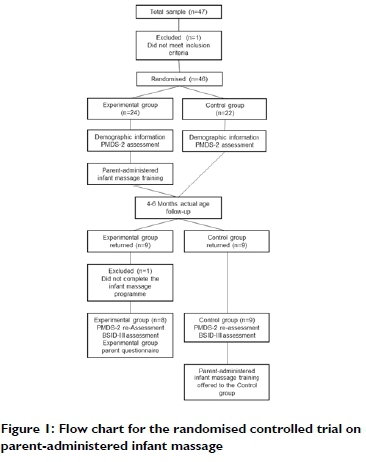
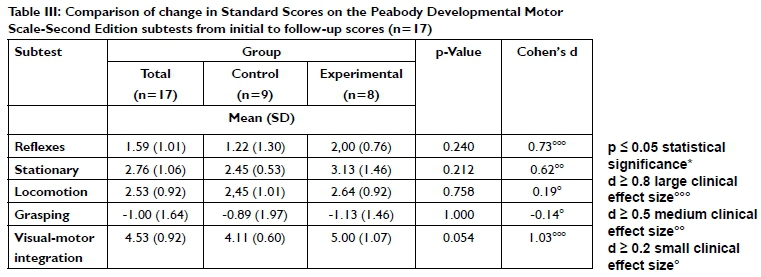
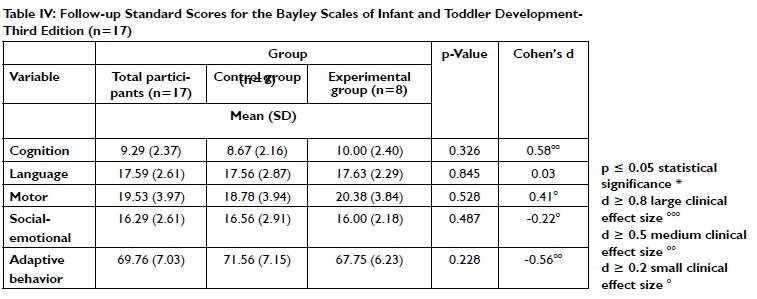
INTRODUCTION: Prematurely born infants often have developmental delays in multiple areas when compared to infants born at term. Neurodevelopmental supportive care techniques such as Kangaroo Mother Care or infant massage have the potential to affect the infant's developmental outcome. Evidence supports the benefits of parent-administered infant massage in terms of the premature infants' growth, weight gain and length of hospitalisation. However, the effect of infant massage on other aspects of development has not yet been establishedMETHOD: A randomised controlled trial was used to investigate the developmental milestones of infants who received parent-administered infant massage. The Peabody Developmental Motor Scales Second Edition (PDMS-2) test was used to assess infants at birth and again at four to six months (actual age) along with the Bayley Scales of Infant and Toddler Development Third Edition (BSID-IIIRESULTS: Positive clinical effect sizes were shown in the massaged group in the Cognitive, Reflexes and Visual-Motor Integration subtests. There was also a strong correlation between frequency of massage and the social-emotional development of the massaged infants. Facilitators and barriers, in performing the infant massage programme, were establishedCONCLUSION: This study supports the use of parent-administered infant massage for premature infants older than 32 weeks gestation to assist with the attainment of their developmental milestones as well as the parent-infant bonding process
Infant massage; premature infant; developmental delay; parental involvement
 Thumbnail