Dynamic Seating in Learners with Down's Syndrome in South Africa
Abstract
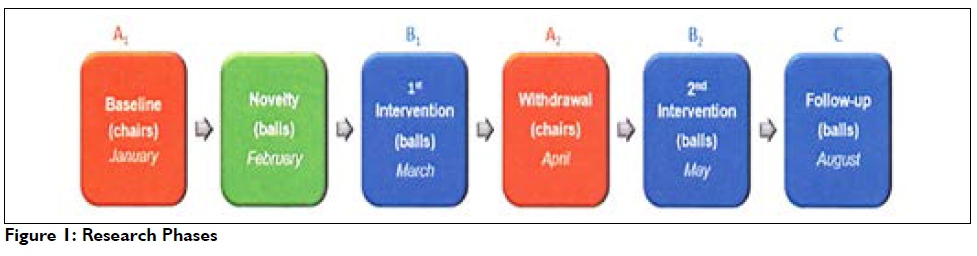
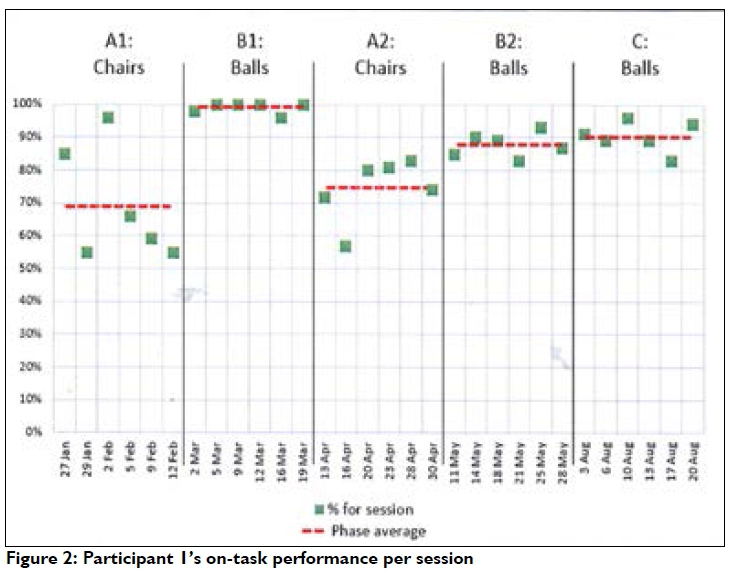
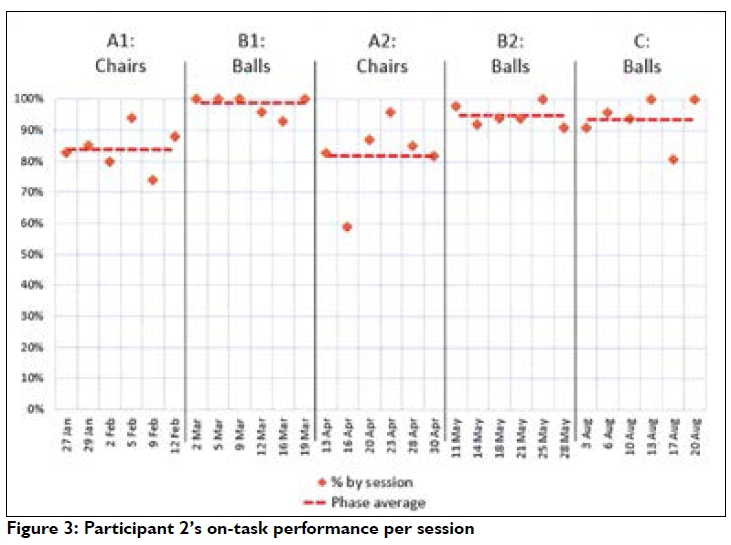
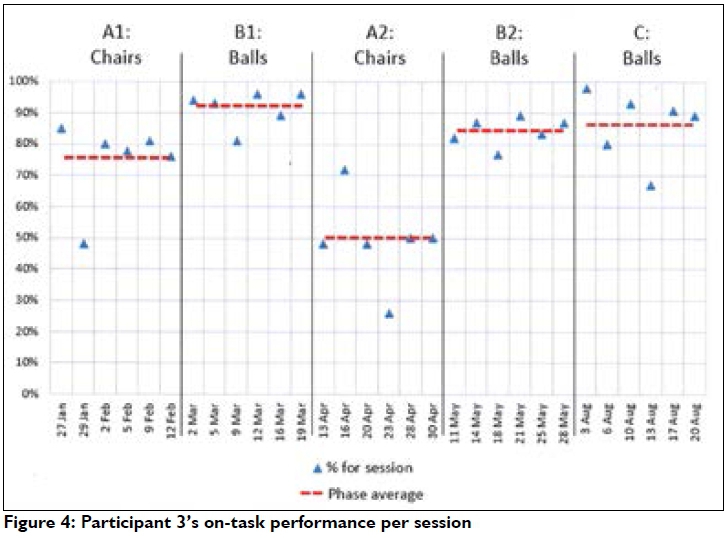
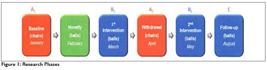
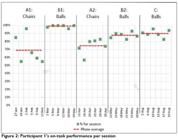
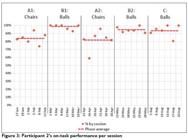
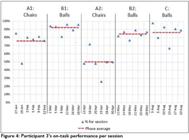
INTRODUCTION: The study aimed to investigate whether the classroom behaviour and task performance of learners with Down syndrome improved with the use of a stability ball as a classroom chair METHOD: A single-subject withdrawal design was utilised. There were three participants, aged ten to twelve, with Down syndrome in a special education classroom. Five phases of three weeks each were implemented alternately. Two phases incorporated usual classroom chairs and the other three phases made use of stability balls as chairs. Momentary time sampling was used to record learners' classroom behaviours in relation to their in-seat and on-task performance RESULTS: A substantial positive change was found in the learners' on-task performance when seated on stability balls instead of chairs. Results differed across participants; with some demonstrating a definite difference in the usual daily average on-task performance, while others showed steadier patterns of on-task behaviour in comparison with their usual fluctuating levels of attention CONCLUSION: Stability ball seating is a non-invasive intervention strategy that can be effectively utilised in classrooms and occupational therapy clinical settings, to improve on-task behaviour in learners with Down syndrome
Dynamic seating; Down syndrome; attention; in-seat behaviour; on-task behaviour
 Thumbnail
 Thumbnail
 Thumbnail
 Thumbnail