Wheelchair dancing and self-esteem in adolescents with physical disabilities
Abstract
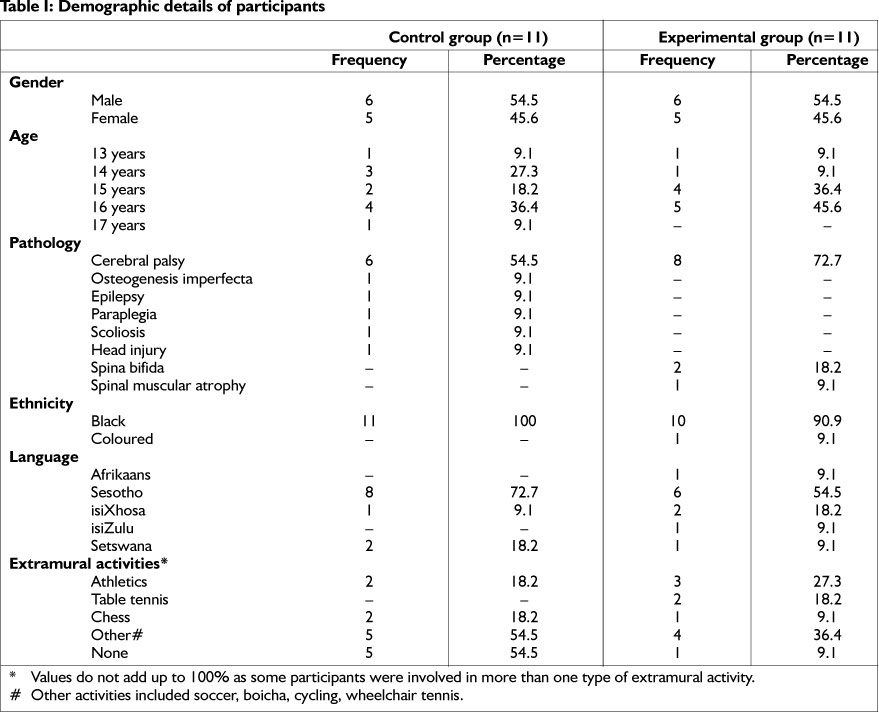
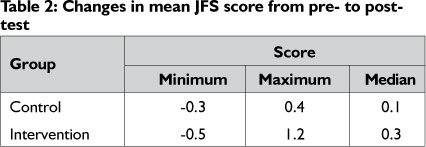
INTRODUCTION: Adolescents with physical disabilities are prone to experience lowered self-esteem which can result in negative consequences for the individual as well as the community. It has been found that dancing may have positive emotional, social and developmental consequences. AIM: The aim of this study was to determine the influence of wheelchair dancing on the self-esteem of adolescents with physical disabilities. METHODS: Twenty-four participants were involved in this quantitative study. A before-and-after experimental study design was used which included a control group. Structured interviews were conducted to obtain information from the participants. The experimental group participated in wheelchair dancing, while the control group did not. RESULTS: A difference between the two groups was observed with 72.7% of the intervention group displaying an increase in self-esteem, compared to 54.6% of the control group. Improved self-esteem manifested in, for example, an improvement in eye contact and sense of responsibility. CONCLUSION: The researchers concluded that wheelchair dancing may have a positive influence on the self-esteem of adolescents with physical disabilities.
self-esteem; wheelchair dancing; physical disability; adolescents