Current trends in splinting the hand in children with neurological impairments
Abstract
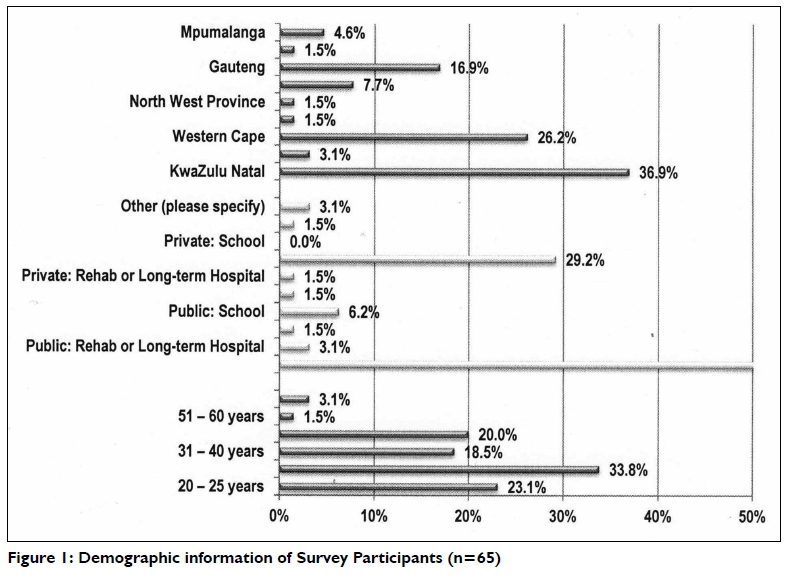
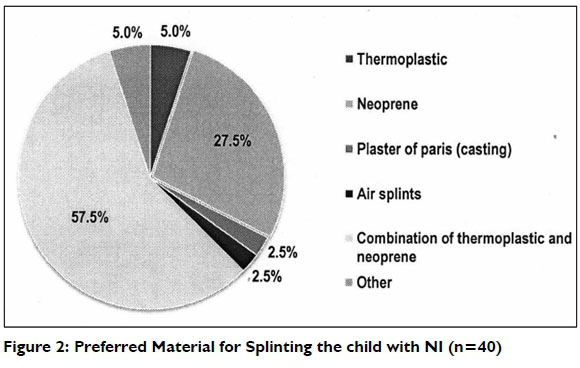
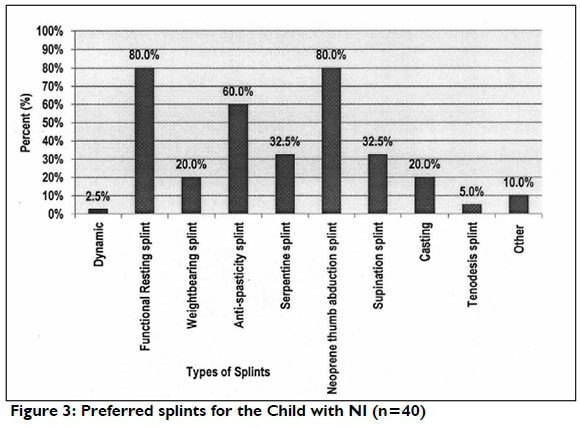
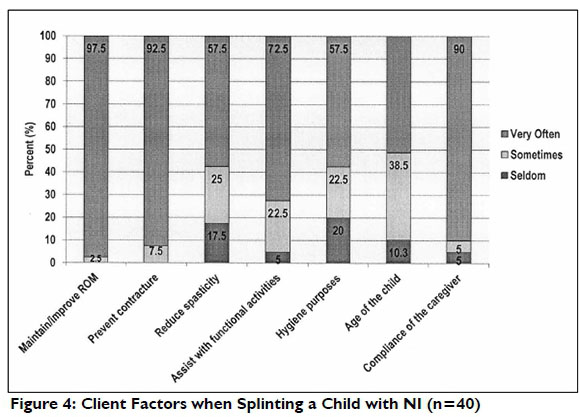
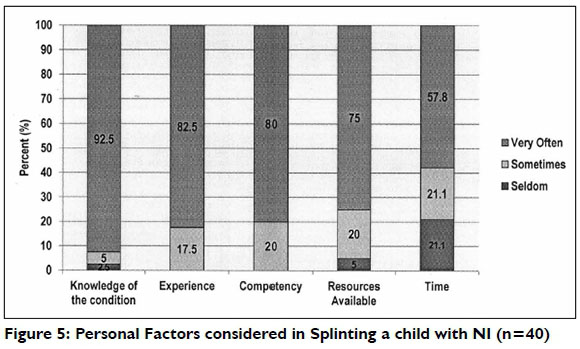
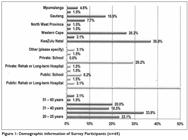
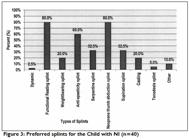
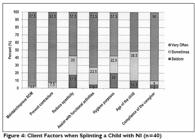
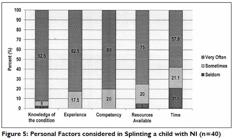
AIM: The study aimed to explore Occupational therapy clinicians' current splinting practises in hand function intervention for children with neurological impairments within the South African context. METHODOLOGY: A quantitative cross-sectional design with use of an electronic questionnaire served to address the objectives of this study. The sample included occupational therapists working within the paediatric neurology field in South Africa. The study sample was accessed via convenience and snowball sampling in order to target therapists specifically working in the area of paediatric neurology. RESULTS AND DISCUSSION: Forty therapists from around South Africa (majority from KwaZulu Natal) completed the survey in its entirety. Therapists splint for various reasons and splints are considered effective in neurological cases. The three most prevalent splints were the functional resting, thumb abductor and anti-spasticity splint with the purpose of splinting mainly reported to maintain or improve range of motion (ROM). In this study, therapists appeared to consider knowledge, competency and experience prior to the availability of resources when rationalising the choice to splint. CONCLUSIONS: This study provides insight into the splinting practices amongst occupational therapists who work with neurologically impaired children. Despite the controversy that surrounds splinting in neurology, therapists are using splints in their management with a number of factors considered during the decision-making process.
Splinting; paediatrics; neurology; occupational therapy
 Thumbnail
 Thumbnail
 Thumbnail
 Thumbnail
 Thumbnail