Factors influencing stroke survivors' reintegration into a rural community: Perspectives from a municipality in Limpopo Province, South Africa
Abstract
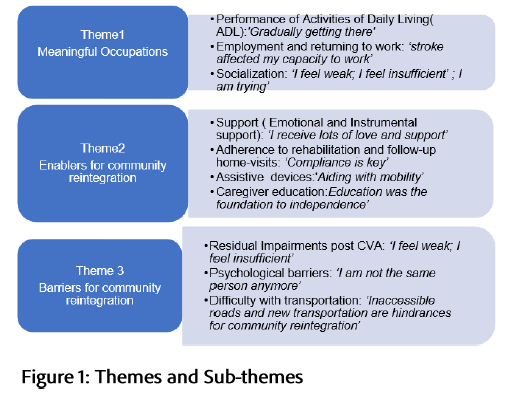
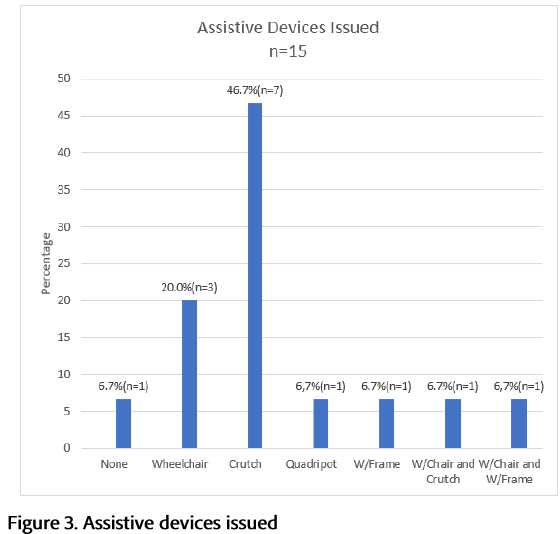
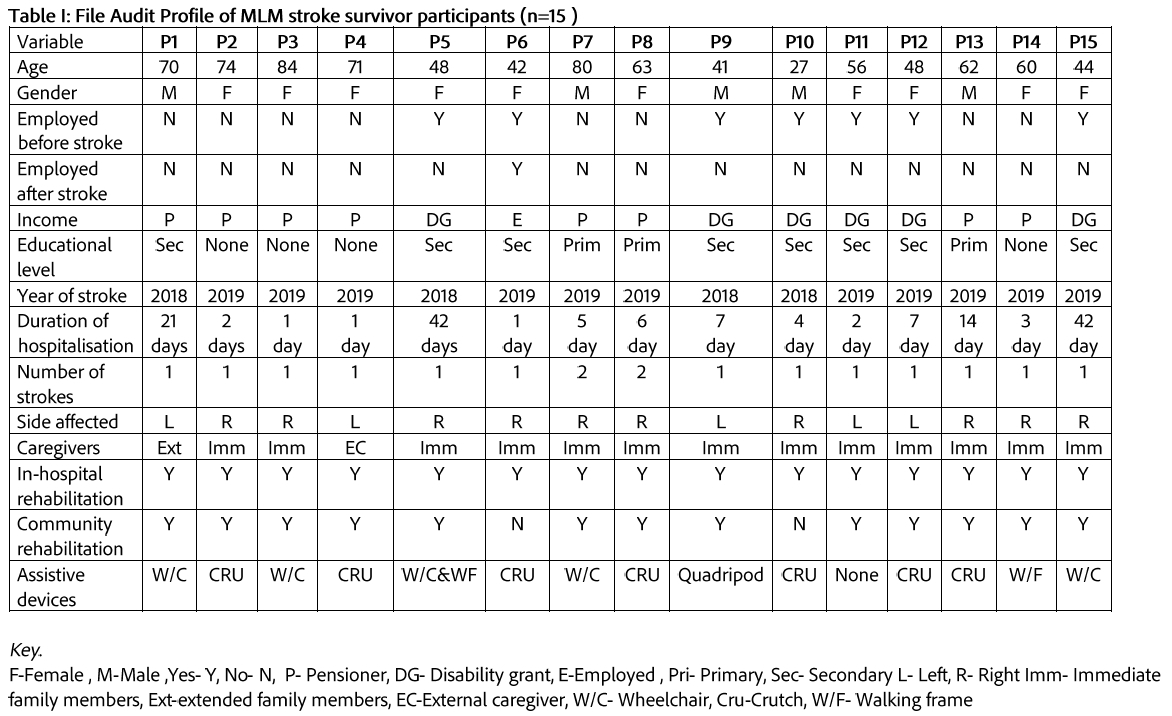
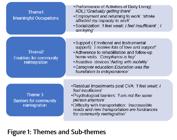
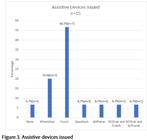
BACKGROUND: Stroke incidence remains high in South Africa. Access to rehabilitation services is critical for stroke survivors to successfully reintegrate back into community. This study aimed to explore the factors that influence stroke survivors' reintegration into the community to inform contextually relevant rural rehabilitation processes. METHODS: Sequential explanatory mixed-method research design was used. Quantitative data collected through a file audit of 15 participants. The qualitative data was sourced through semi-structured interviews with purposively selected 15 stroke survivors and three rehabilitation team members. The file audit data was analysed using descriptive statistics. The semi-structured interviews were analysed thematically. RESULTS: The five themes identified included stroke survivors' meaningful occupations, enablers for community reintegration, barriers for community reintegration, stroke survivors and caregivers' perceptions on rehabilitation and lastly the rehabilitation team perceptions on rehabilitation processes for improved stroke rehabilitation. Work was the most affected occupation reported, followed by socialization and the least affected was Basic Activities of Daily Living (BADL) and Instrumental Activities of Daily Living (IADL). Facilitators included accessibility of assistive devices, positive attitude and community support of the rehabilitation team. Main barriers included residual impairments and limited hospital resources. CONCLUSION: Early intervention, provision of assistive devices and continued community interventions strengthen the stroke survivors' community reintegration. Implications for practice: • Work is the most affected occupation in stroke survivors, followed by socialisation and the least affected were BADLs and lADLs. • Continued support to the stroke survivors and caregivers through support groups in the community is needed to increase awareness of stroke sequelae, caregiver relief and fostering social participation. • Occupational Therapists should assess the feasibility to return to previous work or contact employers to assess whether reasonable accommodation can be made in the acute rehabilitation phase. • Return to work rehabilitation for stroke survivors should include a routine vocational rehabilitation program that is individually structured to assist the stroke survivors to adapt to the work routine. • Occupational therapists should also initiate vocational training such as entrepreneurial skills and subsistence agriculture in collaboration with other sectors such as the Department of Agriculture to assist the stroke survivors and their caregivers to support their families.
community reintegration; occupational choice; work rehabilitation; Basic Activities of Daily Living (BADL); Instrumental Activities of Daily Living (iADL); early intervention; assistive devices; care giver relief; social participation
 Thumbnail
 Thumbnail
 Thumbnail