Screening fitness to drive by occupational therapists in Gauteng Public Healthcare - an Action Learning Action Research outcome
Abstract
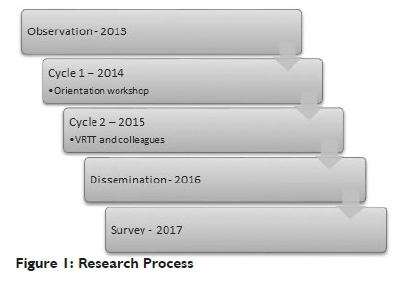
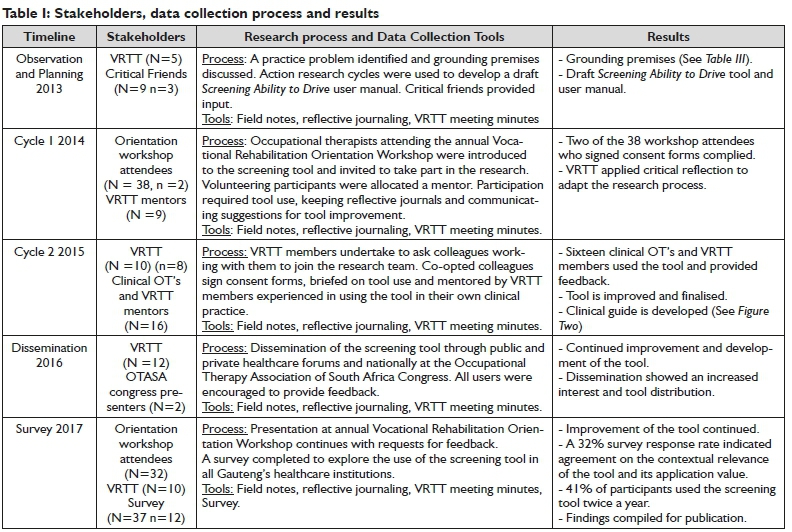
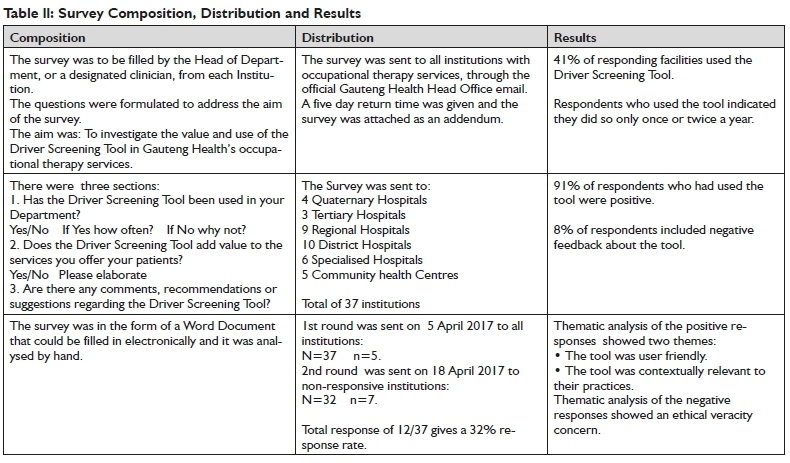
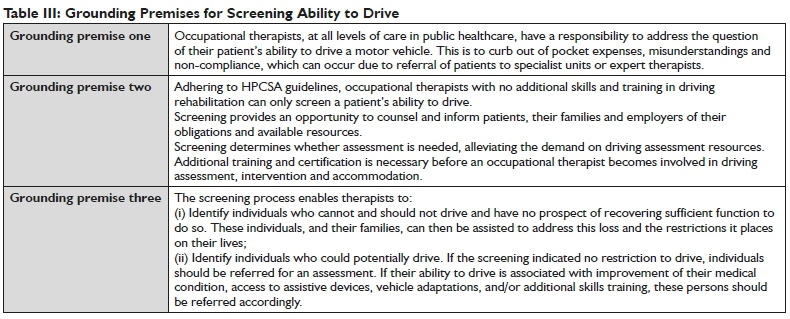
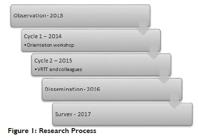
INTRODUCTION: In South Africa, public healthcare users equate the ability to drive a motor vehicle to employability and access to essential services. When injury or illness threatens the ability to drive, the multi-professional medical team usually refer the problem to the occupational therapist who will make decisions about patients' fitness to drive a motor vehicle. METHOD: Over the course of five years, a collaborative task team applied multiple Action Learning Action Research (ALAR) cycles to address the problem. Qualitative data collected included field notes, reflective journaling, meeting minutes and a survey. RESULTS: ALAR cycles resulted in a user manual and tool to screen driver fitness for occupational therapists. A follow-up survey indicated that despite a low user ratio, clinicians were of the opinion that the screening tool was user-friendly and contextually relevant to their practices CONCLUSION: ALAR was effective in addressing a practice problem and empowering clinicians to develop a structured approach to screen fitness to drive in patients accessing public healthcare. Screening, as a first step within the field of driving rehabilitation, is now available in Gauteng public healthcare.
Driving rehabilitation; driving screening; public healthcare; action research action learning
 Thumbnail