Occupational therapy treatment interventions for total hip arthroplasty: A rapid review of evidence
Abstract
INTRODUCTION: The demand for total hip arthroplasty is increasing in South Africa and globally. Occupational therapists provide rehabilitation to promote engagement in activities of daily living following total hip arthroplasty. This review aimed to identify evidence for occupational therapy intervention for total hip arthroplasty across care settings and ages. METHOD: Rapid review methodology was used and the Cochrane Library and MEDLINE databases were searched for articles published between 1 January 2012 and 31 March 2023. Eleven articles were selected and analysed. RESULTS: Evidence from randomised controlled trials and systematic reviews reported interventions across care settings. Pre-operative occupational therapy emphasised education and training on adaptive devices, with tele-rehabilitation identified as a promising approach for pre-operative preparation. Post-operative interventions centred on exercises, safety, activities of daily living training, and standard occupational therapy rehabilitation primarily targeting lower limb function. The review highlights the disparity between occupational therapy evidence in high versus low- to middle-income countries, emphasising the importance of contextual interpretation. CONCLUSION: While evidence largely aligns with South African occupational therapy practices, gaps exist in upper body strengthening, return to work interventions, and pain management. The need for tailored approaches and further exploration of tele-rehabilitation for optimised outcomes in resource constrained contexts are further noted. IMPLICATIONS FOR PRACTICE • Occupational therapists in South Africa need to plan total hip arthroplasty interventions based on local healthcare settings, resources, and patient priorities. • Occupational therapists should strive for a comprehensive approach to intervention for total hip arthroplasty that includes attention to upper body strengthening, return to work, driving rehabilitation, and pain management. • Pre-operative education-focused interventions by occupational therapists can enhance patient outcomes and show the use of occupational therapy communication skills in preparing patients for surgery and post-operative recovery after total hip arthroplasty. • Occupational therapists should explore the use and feasibility of tele-rehabilitation in optimising outcomes for total hip arthroplasty patients in resource constrained contexts
lower extremity musculoskeletal disorders; hip arthroplasty; occupational engagement; functional ability; intervention evidence; good health and wellbeing
INTRODUCTION
Hip replacement or hip arthroplasty is often indicated when conservative treatment for lower -extremity musculoskeletal disorders fails, and a person's functioning becomes affected as a result of increased joint pain and movement1,2. Total hip arthroplasty (THA) is defined as "a complex procedure that involves the removal and replacement of both the head of the femur and the acetabulum"11113456
Occupational therapists provide rehabilitative interventions for upper limb and lower extremity musculoskeletal disorders with a focus on regaining and maintaining functioning in activities of daily living (ADL) and instrumental activities of daily living (¡ADL) performance areas that may have become impaired12
The Occupational Therapy Association of South Africa (OTASA) was approached to describe and define the profession's roles and practices within quality healthcare. In response an OTASA task team was commissioned to identify and compile occupational therapy practice evidence for interventions in various areas of healthcare, including for occupational therapy for total hip arthroplasty. The OTASA Standards Protocol Group developed and maintains the standard operating protocols for occupational therapy interventions for health conditions, including THA, and as such guide occupational therapy intervention11
METHODOLOGY
Rapid review methodology addresses research questions by producing evidence in a resource-efficient manner1212
The reviewers utilised the Department of Health method guide for rapid reviews and the Protocol Template for Rapid Reviews1312 141415
Setting the research question and topic refinement
The review question was set with consideration of the OTASA Hip Rehabilitation Standard Operating Protocol for Occupational Therapy1112What evidence exists for occupational therapy intervention for THA?
Intervention was defined per the WFOT1411
Eligibility criteria
Only peer reviewed, full text articles that reported systematic reviews and randomised controlled trials (RCTs) from two databases, The Cochrane Library and MEDLINE, were included. As such, Level 1 and 2 evidence were the focus of this review16population included human beings from all ages, genders, and cultural groups who had undergone THA; intervention involved any occupational therapy as described by the WFOT and OTASA; outcome was defined as occupational therapy treatment that enables the functional abilities of persons with THA to participate and engage in occupations of choice. Articles available in English language and that were published between 1 January 2012 and 31 March 2023 were included for review.
Searching
Search terms and search strings were developed by the authors through research team discussions, through the use of PIO (population, intervention, outcome) term elements, and MeSH (Medical Subject Headings) terms. The Cochrane Library Reviews were searched using the following search string: "hip replacement or hip arthroplasty AND occupational therapy"
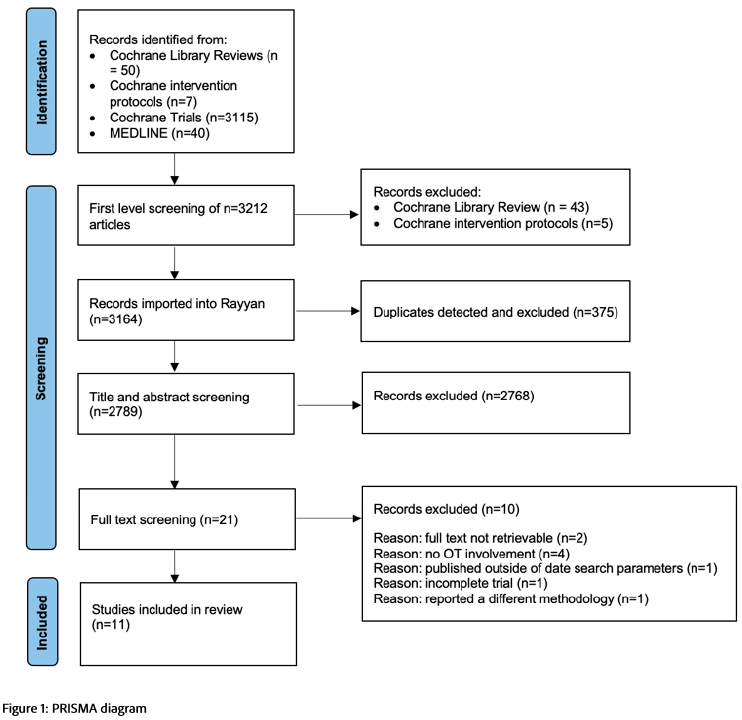
This search rendered 50 results. A screen of the article titles excluded 43 articles which did not include "occupational therapy". Therefore, seven (n=7) out of the 50 reviews were included in the next phase of the review. The same search string further rendered seven Cochrane intervention protocols which were screened, and two protocols (n=2) were included in the review.
Cochrane Trials were then searched with the search string "hip replacement or hip arthroplasty AND occupational therapy AND randomised control trial" which rendered 3115 (n=3115) publications.
The Medline database was searched with the search string "hip replacement or hip arthroplasty or hip replacement surgery AND occupational therapy or occupational therapist or occupational therapists or OT AND systematic review or meta-analysis or randomized controlled trial". This search rendered 40 articles (n=40) for review. Grey literature and supplemental searching were not included after the original searches rendered a large number of articles.
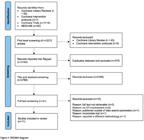
The PRISMA diagram17Figure 1 (page 3) shows the results of the search, screen, and selection of articles.
Study Selection
The 3164 articles' references and abstracts were imported to Rayyan.ai18 19Figure 1 (below) shows the selection process followed.


During the final selection stage, interventions conforming to the OTASA Hip Rehabilitation Standard Operating Protocol for Occupational Therapy11
Risk of bias assessment, quality appraisal, and data extraction
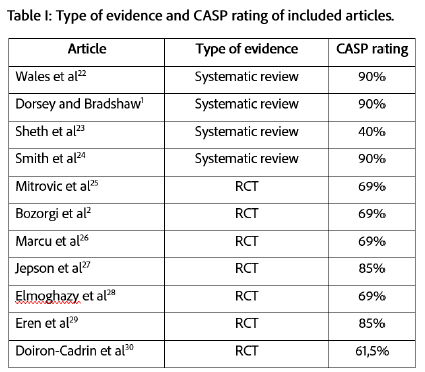
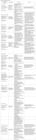
An Excel data extraction sheet was developed to record quantitative and qualitative data from articles for analysis. Data items included publication information, study settings, participant characteristics, interventions, and outcomes. The first author used the Critical Appraisal Skills Programme (CASP) appraisal tool for Systematic Review2021Table I (page 4) shows the quality scores given to articles according to three answer options: Yes = 2, Can't tell = 1, and No = 0. The total score of each article was converted to a percentage value. A higher percentage indicated a better quality article.
Synthesis
Excel was used in the quantitative analysis of articles to derive meaningful insights from frequency and percentages. Concurrently, qualitative data that described occupational therapy interventions in articles were examined for textual elements related to intervention procedures. The researchers held weekly group discussions to share and deliberate on the outcomes of analyses, and to address emerging patterns or discrepancies. The first author integrated the insights gleaned from analyses into a coherent whole.
Ethics
Ethical clearance for this review was not required as secondary data were used and no human participants were involved.
RESULTS
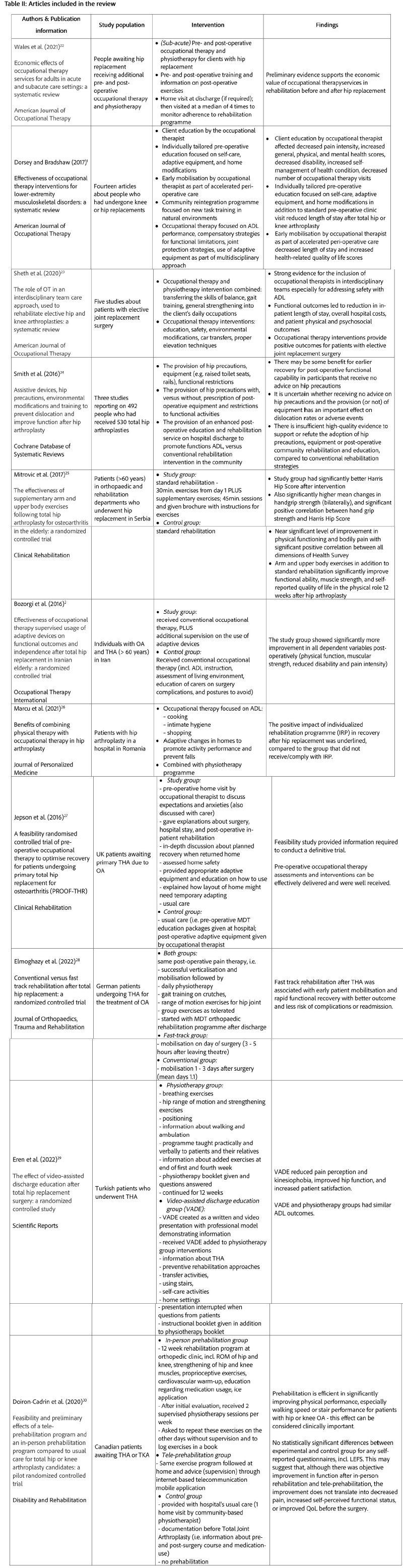
Eleven articles with Level I evidence were included in the rapid review (Table II, below). Seven of the articles reported RCTs that were conducted in low- to middle income countries (Turkey, Serbia, Iran)29,25,2, and high-income countries (Romania, UK, Germany, and Canada)26,27,28,30. No articles from South Africa were available. The four systematic reviews considered evidence for hospital-based occupational therapy in acute and sub-acute care environments221123
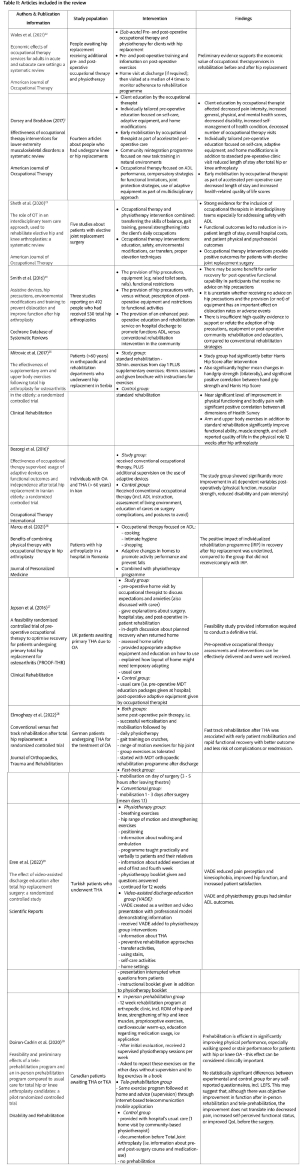
Four articles (36%) reported rehabilitative interventions by physiotherapists25,28,29,30, and two (18%) described combined interventions by occupational therapists and physiotherapists22,23. One further article (9%) reported occupational therapy interventions in association with physiotherapy261,24,2,27. Evidence about specific physiotherapy interventions were included in the review due to the similarities and overlap found with occupational therapy interventions in the OTASA Hip Rehabilitation Standard Operating Protocol for Occupational Therapy11
OA as a cause leading to THA was premised by four of the articles25,27,28,29 (36%) and one of these reported a focus on older adults (> 60 years) with OA252
Pre-operative occupational therapy intervention for THA
The pertinence of occupational therapy interventions before THA is evident from the reviewed articles. Occupational therapists provide pre-operative training and information about post-operative exercises22 12 2272727
The use of tele-prehabilitation by therapists in preparation of patients for THA surgery was reported by one pilot RCT3030
Post-operative occupational therapy intervention for THA
A focus of occupational therapy interventions after THA was education and training to patients on a variety of aspects. For example, occupational therapists educate patients on how to do post-operative exercises22232423129292929
Reviewed studies further reported occupational therapy post-operative interventions as visits, and follow-up visits, to patients' homes after discharge to monitor patients' adherence to prescribed rehabilitation programmes22,2. Interventions at home further included making adaptive changes to promote patients' activity performance and to prevent falls26
Therapists' role in the early mobilisation with clients as part of accelerated peri-operative care, is highlighted by two studies1,28. Fast-tracked patients are mobilised three to five hours post-surgery as opposed to one to three days later28281
Occupational therapy intervention in relation to the prescription of assistive and adaptive devices after THA is highlighted in the reviewed studies. Occupational therapists prescribe raised toilet seats, rails, walkers, canes, and crutches, and prepare for and train clients in their use24,2,26,27. In one study, occupational therapists utilised tele-rehabilitation to remind and check the use of adaptive devices by patients after discharge2
Standard rehabilitation offered by occupational therapists after THA involves daily exercises with the patient from one day post-surgery that are focused on lower limb range of motion (passive or active not specified) and muscle strength, function, balance, coordination, and gait with weight bearing25,28. Lower limb interventions further include passive hip flexion and extension to increase range of movement (ROM), strengthening exercises for flexor, extensor, and abductor muscles of the hip, knee extensors, ankle plantar flexors, and positioning2,29. Therapy is also offered in the form of group exercises as tolerated by patients282525
Occupational therapists retain an intervention focus on function by facilitating patients' participation post-THA in ADL, for example cooking, intimate hygiene, and shopping2629
DISCUSSION
Level I research evidence on occupational therapy intervention after THA from the past decade included in this review, reflect more studies from high income countries than low- to middle income countries, and none from the African continent or the Global South. Interpretation and application of evidence in the South African context should therefore be considered in relation to healthcare settings, approaches and priorities that are reflective of local occupational therapy service provision aligned to a community-based rehabilitation focus313211
Post-THA intervention protocols described in the OTASA protocol show focus on the lower body of patients before and after surgery, with little attention to upper body strengthening to enhance functional outcomes as described in Mitrovic et al.'s study25
The evidence reviewed demonstrate an emphasis on interventions offered before surgery with five articles reflecting positive outcomes for patients in relation to functional recovery after pre-operative interventions by occupational therapists. In most instances, these interventions are education-focused with some involving pre-emptive strengthening of patients' muscles before surgery. The scope and detail included in pre-operative education and training by occupational therapists with THA patients, and the pertinence of these interventions in the reviewed studies, may indicate the value of occupational therapists' education and communication skills for application in THA protocols. Education of patients by the occupational therapist after surgery is also highlighted in evidence of post-operative occupational therapy protocols, especially in relation to assistive and adaptive devices, occupational therapy interventions for THA described in the OTASA Standard Operating Protocol11
Standard occupational therapy rehabilitation interventions afterTHA that were found in the evidence show a traditional focus on the rehabilitation of body function and structures (for example, ROM and muscle strength of hips) which correlates with protocols set out for South African occupational therapists. However, while ADLs and lADLs are listed frequently in the South African protocol for occupational therapists in THA, limited descriptions of ADL-focused occupational therapy interventions were found in the evidence of this review, compared to other intervention foci, for example, improved physical functioning.
Evidence for tele-rehabilitation with THA, specifically in relation to pre-operative occupational therapy intervention that enhances post-operative functional outcomes, was found in this review. This mode of intervention is not described or noted for South African occupational therapy intervention for THA, although it has been found to be useful and effective in occupational therapy for other health conditions, for example, cerebrovascular accidents (CVA)335
Limitations
This review focused on occupational therapy interventions aimed at treatment for THA and did not include protocols, methods, and instruments/tools for assessment by occupational therapists.
CONCLUSION
This rapid review considered evidence for occupational therapy interventions with THA in the local context of South Africa across care settings and age groups. The review revealed a notable lack of studies from low- to middle income countries, that underscores the importance of cautiously interpreting and applying existing evidence within the context of local healthcare settings, priorities, and resources in South Africa. The reported evidence aligns positively with documented interventions for THA by South African occupational therapists.
However, in South African occupational therapy intervention for THA, additional attention was shown to upper body strengthening, interventions for work readiness and return to work, driving rehabilitation, and pain management. The reviewed articles' emphasis on pre-operative interventions, particularly education-focused interventions, suggests the value of occupational therapists communication skills in promoting outcomes for THA clients. There is also a need for further consideration of evidence regarding ADL-focused interventions and potential for tele-rehabilitation to optimize outcomes within the constraints of the country's healthcare system.
Conflicts of Interest
The authors have no conflict of interest to declare.
Author contribution
All authors planned and participated in the review. Shaheed M Soeker initiated and supervised the review and Madri Engelbrecht wrote the article.
REFERENCES
-
1. Dorsey, J. and Bradshaw, M. (2017). Effectiveness of occupational therapy interventions for lower-extremity musculoskeletal disorders: A systematic review. American Journal of Occupational Therapy, 71, 7101180030. https://doi.org/10.5014/ajot.2017.023028
» https://doi.org/10.5014/ajot.2017.023028 -
2. Bozorgi, A.A.J., Ghamkhar, L, Kahlaee, AH. and Sabouri, H. (2016). The effectiveness of occupational therapy supervised usage of adaptive devices on functional outcomes and independence after total hip replacement in Iranian elderly: a randomized controlled trial, Occupational Therapy International, 23 (2016), 143-153, https://doi.org/10.1002/0ti.1419
» https://doi.org/10.1002/0ti.1419 -
3. Wijnen, A. Bouma, S.E., Seeber, G.H., Van der Woude, L.H.V., Bulstra, S.K., Lazovic, D., Stevens, M. and Van den Akker-Scheek, I. (2018). The therapeutic validity and effectiveness of physiotherapeutic exercise following total hip arthroplasty for osteoarthritis: A systematic review, PLos ONE, 13(3), e0194517, https://doi.org/10.1371/journal.pone.0194517
» https://doi.org/10.1371/journal.pone.0194517 -
4. Fu, M., Zhou, H., Li, Yushi, Jin, H. and Liu, X. (2022). Global, regional, and national burdens of hip osteoarthritis from 1990 to 2019: estimates from the 2019 Global Burden of Disease Study, Arthritis Research & Therapy, 2022, 24(8), https://goi.org/10.1186/s13075-021-02705-6
» https://goi.org/10.1186/s13075-021-02705-6 -
5. Davies, P.S., Graham, SM, Maqungo, S. and Harrison, WJ. (2019). Total joint replacement in sub-Saharan Africa: a systematic review, Tropical Doctor, 49(2): 120-128, https://doi.org/10.1177/0049475518822239
» https://doi.org/10.1177/0049475518822239 -
6. Sekeitto, AR. and Aden, A.A. (2021). Costing total hip arthroplasty in a South African state tertiary hospital, South African Medical Journal, 111(3):250-254, https://doi.org/10.7196/samj.2021.v111i3.14931
» https://doi.org/10.7196/samj.2021.v111i3.14931 -
7. South African Government. National Health Act 61 of 2003. South Africa; 2003; [Accessed 2023 Jun 10]. Available from: https://www.gov.za/sites/default/files/gcis_document/201409/a61-03.pdf
» https://www.gov.za/sites/default/files/gcis_document/201409/a61-03.pdf -
8. National Department of Health. Framework and strategy for disability and rehabilitation services [homepage on the Internet]. 2015 [Accessed 2023 Jun 10]. Available from: http://ilifalabantwana.co.za/wp-content/uploads/2016/07/Framework-25-may_1_3.docx
» http://ilifalabantwana.co.za/wp-content/uploads/2016/07/Framework-25-may_1_3.docx -
9. South African Government. The Constitution of the Republic of South Africa. The Bill of Rights Republic of South Africa: https://www.gov.za/documents/constitution/chapter-2-bill-rights; 1996 p. 243.
» https://www.gov.za/documents/constitution/chapter-2-bill-rights - 10. National Department of Health. White Paper: National Health Insurance Policy - Towards Universal Health Coverage. Dep Heal. 2017,1-67.
- 11. OTASA Standards Protocol Group (n.d.). Hip Rehabilitation Standard Operating Protocol for Occupational Therapists, OTASA
- 12. Garritty, C, Gartlehner, G., Kamel, C, King, V.J., Nussbaumer-Streit, B., Stevens, A. and Hamel, CAL Cochrane Rapid Reviews. Interim Guidance from the Cochrane Rapid Reviews Methods Group. 2020.
- 13. South Africa Department of Health. Methods guide for rapid reviews for COVID-19 medicine reviews. 2021
-
14. WFOT. WFOT Definition of Occupational Therapy [Internet]. 2012. Available from: https://wfot.org/resources/definitions-of-occupational-therapy-from-member-organisations
» https://wfot.org/resources/definitions-of-occupational-therapy-from-member-organisations -
15. OTASA. Occupational Therapy Association of South Africa Position statement on rehabilitation [Internet]. 2023. Available from: https://www.scielo.org.za/scielo.php?script=sci_arttext&pid=S2310-38332017000400010#:~:text=Rehabilitation%20occurs%20in%20a%20varietv,homes%2C%20schools%20and%20work%20places.
» https://www.scielo.org.za/scielo.php?script=sci_arttext&pid=S2310-38332017000400010#:~:text=Rehabilitation%20occurs%20in%20a%20varietv,homes%2C%20schools%20and%20work%20places -
16. Forrest, J.L and Miller, S.A. (2009). Translating evidence-based decision making into practice: EBDM concepts and finding the evidence, Journal of Evidence Based Dental Practice, 9:59-72, https://doi.org/10.1016/j.jebdp.2009.03.017
» https://doi.org/10.1016/j.jebdp.2009.03.017 -
17. Page, M.J., McKenzie, J.E., Bossuyt, P.M., Boutron, I., Hoffman, T.C., Mulrow, CD. et al. The PRISMA guideline for reporting systematic reviews. BMJ. 2021; 372: n71. http://doi.org/10.1136/bmj.n71
» http://doi.org/10.1136/bmj.n71 -
18. Rayyan Sytems I. Rayyan Intelligent Systematic Review. Rayyan https://rayyan.qcri.org/. 2020.
» https://rayyan.qcri.org/ - 19. King, V.J., Stevens, A, Nussbaumer-Streit, B., Kamel, C. and Garritty, C. (2022). Paper 2: Performing rapid reviews, Systematic Reviews, 11(1):1-10
-
20. Critical Appraisal Skills Programme. CASP Systematic Review [Internet]. 2018. Available from: https://casp-uk.net/casp-tools-checklists/systematic-review-checklist/
» https://casp-uk.net/casp-tools-checklists/systematic-review-checklist/ -
21. Critical Appraisal Skills Programme. CASP Randomised Controlled Trial (RCT) Standard Checklist [Internet]. Available from: https://casp-uk.net/casp-tools-checklists/randomised-controlled-trial-rct-checklist/
» https://casp-uk.net/casp-tools-checklists/randomised-controlled-trial-rct-checklist/ -
22. Wales, K, Lang, D., Rahja, M., Somerville, L, Laver, K. and Lannin, N.A. (2021). Economic effects of occupational therapy services for adults in acute and subacute care settings: A systematic review, American Journal of Occupational Therapy, 76,7601180080, https://doi.org/10.5014/ajot.2022.049078
» https://doi.org/10.5014/ajot.2022.049078 -
23. Sheth, M., Simone, R, Shimoda, B., Dalusung, D., Peralta, J. (2020). Role of OT in an Interdisciplinary Team Care Approach, Used to Rehabilitate Elective Hip and Knee Arthroplasties: A Systematic Review, The American Journal of Occupational Therapy, 1;74(4_Supplement_1):7411505116p1-7411505116p1. https://doi.org/10.5014/ajot.2020.74s1-po2732
» https://doi.org/10.5014/ajot.2020.74s1-po2732 -
24. Smith, TO., Jepson, P., Beswick, A., Sands, G., Drummond, A. Davis, ET. and Sackley, CM. (2016). Assistive devices, hip precautions, environmental modifications and training to prevent dislocation and improve function after hip arthroplasty, Cochrane Database of Systematic Reviews 2016, 7, CD010815, https://doi.org/10.1002/14651858.CD010815.pub2
» https://doi.org/10.1002/14651858.CD010815.pub2 -
25. Mitrovic, D., Davidovic, M., Erceg, P. and Marinkovic, J. (2017). The effectiveness of supplementary arm and upper body exercises following total hip arthroplasty for osteoarthritis in the elderly: A randomized controlled trial, Clinical Rehabilitation, 31(7), 881-890, https://doi.org/10.1177/0269215516655591
» https://doi.org/10.1177/0269215516655591 -
26. Marcu, F.M., Negrut, N., Uivaraseanu, B., Ciubara, A., Lupu, VV, Dragan, F., Lupu, A. and Ciubara, A.B. (2021). Benefits of combining physical therapy with occupational therapy in hip arthroplasty, Journal of Personal Medicine, 11(1131), https://doi.org/10.3390/jpm11111131
» https://doi.org/10.3390/jpm11111131 -
27. Jepson, P., Sands, G., Beswick, A.D., Davis, ET., Blom, A.W., Sackley, CM. (2016) A feasibility randomised controlled trial of pre-operative occupational therapy to optimise recovery for patients undergoing primary total hip replacement for osteoarthritis (PROOF-THR). Clinical Rehabilitation, 30(2):156-66. https://doi.org/10.1177/0269215515576811
» https://doi.org/10.1177/0269215515576811 -
28. Elmoghazy, A.D., Lindner, N., Tingart, M. and Salem, K.H. (2022). Conventional nersus fast track rehabilitation after total hip replacement: A randomized controlled trial, Journal of Orthopaedics, Trauma and Rehabilitation, 29,1-6, https://doi.org/10.1177/22104917221076501
» https://doi.org/10.1177/22104917221076501 -
29. Eren, O.C, Buker, N., Tonak, H.A. and Urguden, M. (2022). The effect of video-assisted discharge education after total hip replacement surgery: a randomized controlled study, Nature Portfolio: Scientific Reports, 12(3067), https://doi.org/10.1038/s41598-022-07146-y
» https://doi.org/10.1038/s41598-022-07146-y -
30. Doiron-Cadrin, P., Kairy, D., Vendittoli, P-A., Lowry, V., Poitras, S. and Desmeules, F. (2020). Feasibility and preliminary effects of a tele-prehabilitation program and an in-person prehabilitation program compared to usual care for total hip or knee arthroplasty candidates: a pilot randomized controlle d trial, Disability and Rehabilitation, 42(7), 989-998, https://doi.org/10.1080/09638288.2018.1515992
» https://doi.org/10.1080/09638288.2018.1515992 -
31. OTASA (2017). Occupational Therapy Association of South Africa Position Statement on Rehabilitation, South African Journal of Occupational Therapy, 47(3):63-64, http://dx.doi.org/10.17159/2310-3833/2015/v45n3/a11
» http://dx.doi.org/10.17159/2310-3833/2015/v45n3/a11 -
32. OTASA (2015). Position paper: Occupational Therapy Association of South Africa (OTASA) - Position Statement on Occupational Therapy in Primary Health Care (PHC), South African Journal of Occupational Therapy, 45(3):58-59, https://doi.org/10.17159/2310-3833/2015/v45n3/a11
» https://doi.org/10.17159/2310-3833/2015/v45n3/a11 -
33. Engelbrecht, M., Van der Walt, J., Van Biljon, H.M. and Soeker, S.M. (2024). Occupational therapy treatment protocols for cerebrovascular accidents: a rapid review of evidence, South African Journal of Occupational Therapy, 54(2): 87-97, https://doi.org/10.17158/2130-3833/vol54no2a10
» https://doi.org/10.17158/2130-3833/vol54no2a10
1st Review: 1 May 2024
Revised: 12 June 2024
2nd Review: 30 June 2024
Revised: 13 September 2024
Accepted: 19 October 2024
EDITOR
Pamela Gretschel
https://orcid.org/0000-0002-7890-3635
DATA AVAILABILITY
Data used in analysis is available upon reasonable request from the first author.
FUNDING
The Occupational Therapy Association of South Africa (OTASA) requested the authors to do this rapid review and they were remunerated by the association