Occupational therapy in the Snoezelen® Room: Teachers' and therapists' knowledge and perceptions of the changes in children's behaviour and performance
Abstract
INTRODUCTION: The Snoezelen® room, a multisensory environment (MSE), is often used in conjunction with sensory integrative techniques. Therefore, it may be of support in school-based occupational therapy intervention. Research has documented positive changes in children's performance in the MSE. However, research to suggest that changes could be carried over to external environments is limited. This study aimed to investigate the knowledge and perception of teachers and therapists regarding changes in children's behaviour and performance after therapy in the Snoezelen® room. METHODOLOGY: A descriptive quantitative cross-sectional survey design by purposive sampling was used. Teachers and therapists working with children who received occupational therapy intervention in the Snoezelen® room participated. RESULTS: Descriptive and inferential statistics were utilized to determine strong positive, significant correlations found between the total impact of the Snoezelen® room and the children's level of arousal, as well as their behaviour and scholastic performance, as conveyed by 30 participants. After therapy in the Snoezelen® room, improvement in level of arousal was ranked as the biggest change, which appeared to improve for hours upon return to the classroom. CONCLUSION: Children's arousal levels changed positively due to sensory input, which carried over to the external environment. Due to this, most teachers and therapists perceived that the Snoezelen® room positively changed behaviour and scholastic performance, through improved level of arousal. IMPLICATIONS FOR PRACTICE: • The use of Snoezelen® rooms in schools, combined with sensory integration therapy (SIT), enhances children's self-regulation, which in turn positively impacts behaviour and academic performance. • Strong, positive correlations were found between children's level of arousal and improvements in their behaviour and scholastic performance. Thus, Occupational therapy interventions in the Snoezelen® room significantly contribute to children's ability to self-regulate, a key factor in achieving positive classroom behaviour and learning outcomes. • Teachers and therapists perceive Snoezelen® rooms as beneficial, with 96.7% supporting their presence on school campuses to improve child behaviour through better self-regulation. • Consistent with extensive research surrounding self-regulation of children, acquiring self-regulation skills in the early years lays the foundation for positive classroom behaviour and academic performance later.
multisensory environment (MSE); scholastic performance; level of arousal; sensory integration therapy (SIT); self-regulation; transfer of knowledge and skills
INTRODUCTION
The Snoezelen® room is specifically designed to allow adults and children to explore the quantity, nature, intensity, and arrangement of sensory stimuli12®, emerged as a natural progression in sensory-based approaches and has become increasingly known for its benefit in therapeutic interventions that use a sensory integrative frame of reference. Research has been done on positive changes in performance within the MSE; however, little research has been done on the transfer of these changes into other environments, such as the school or classroom3® room, as a treatment modality in a specialised school environment. The broad areas of level of arousal, behaviour, and scholastic performance were explored to better achieve this aim4
Occupational therapists assist children to achieve maximum participation in daily activities, or occupations567:3. Ayres emphasised that children with learning difficulties may also experience neurological dysfunction with respect to their ability to process sensory information8® (ASI) theory was developed in 1972. ASI is "the neurological process that organizes sensation from one's own body and from the environment and makes it possible to use the body effectively within the environment"9:3. The ASI theory describes how the nervous system receives sensory input (sound, taste, touch, sight, vestibular, and proprioceptive) and adjusts it to allow for an appropriate adaptive behavioural outcome4,6. Adaptive responses are seen as successful interactions with the environment in response to an environmental input, which is a building block for successful participation in occupations61011811
The concept of the multisensory environment (MSE) was introduced in 1987 by two scientists, Hulsegge and Verheul, in the Netherlands, with their original purpose being relaxation and leisure exploration for people with profound intellectual trademarked and introduced in the form of a specially designed room to encourage exploration of the quantity, nature, and intensity of sensory stimuli. Equipment that is often present can include white-coloured equipment, seating and walls that are soft and padded, mirror balls, bubble tubes, coloured lights, a projector, lava lamps, music, and colour-changing fibre-optic cables, all of which can be controlled by the individual to meet their sensory needs14,15. Individuals are invited to engage with the equipment of their choice, and according to their needs, to stimulate senses of vision, hearing, smell, touch, proprioceptive, and vestibular sensation22® room is windowless to reduce stimuli from the external environment. This creates a room that is more inviting for an individual who experiences sensory overload, such as a child who might be overwhelmed in a busy classroom or playground environment16
The sensory rich nature of a typical school environment can be overwhelming for certain children17181761920,21. Self-regulation refers to the ability of a person to manage their own thresholds or level of arousal, using strategies2020® can influence one's level of arousal, particularly related to changing levels of relaxation, emotion, and well-being by providing the correct amount of sensory input22234242514,26,27.
In 2008, Botts et al.2228® room; however, no change in aggression or adaptive behaviours was found282929262630263131,32. The study determined that an improvement in children's focus was most reported by teachers. Furthermore, 57.5% of teachers reported improved following of instructions, 38.8% found students were better on task, 55% observed fewer negative behaviours, and 27.5% found that students had higher levels of motivation following the use of the MSE3132
METHODOLOGY
Research Design
A descriptive, quantitative, cross-sectional survey design was used to address the aim of this study33
Population/sampling
There are two special education primary schools in Johannesburg with a functional Snoezelen® room on their campus, so the availability of participants was limited. Therefore, this study made use of purposive non-probability sampling, as the sample of individuals was specifically chosen based on predetermined criteria33
Research setting
This study was conducted online. However, the research was based on information participants gained through working in special education schools, specifically those with Snoezelen® rooms on campus.
Research instrument
The research instrument was an author-developed survey created using current available literature. This four-part survey included Section A, that sought to obtain demographic data through multiple choice questions. This included personal demographic data such as age, gender, profession, and years of experience, as well as questions regarding the participant's existing knowledge about the Snoezelen® room. Sections B, C, and D were developed from literature on school-based occupational therapy and current knowledge on the benefits of the MSE related to SIT. These followed the same set of questions that included a four-point Likert scale, from very little effect to very effective, to measure the impact of the Snoezelen® room in improving a child's performance with respect to their 'level of arousal' (Section B), 'behaviour' (Section C) and 'scholastic performance' (Section D). Three-point Likert scales were used to measure changes in child performance following intervention in the Snoezelen® room (Becomes worse, Stays the same, Improves) as well as the duration (Minutes, Hours, Days) and frequency (Never, Sometimes, Always) of these changes. The outcomes that fell into each category were explored to determine the changes that were observed after intervention in the Snoezelen® room. Comment sections were included to enhance the richness of the data and allow participants to explain their answers. Concluding questions were asked to discover gender-based differences, as well as the participants' view on whether it is beneficial to have a Snoezelen® room on school campuses, in order to supplement the research findings. An expert panel of occupational therapists conducted a content validity check on the survey, prior to distribution to participants. This included having six occupational therapists who have specialties in paediatric and sensory integrative practice, answer questions related to the relevance, clarity, simplicity, and ambiguity of the survey. According to Polit and Beck3434
Data Collection
Data collection commenced once the University's ethical clearance processes were followed and approval from the Gauteng Department of Education was obtained. The headperson or appointed representative of each school with a Snoezelen® room on their campus was contacted and an information sheet and a consent form were sent by email to each school representative. Following retrieval of these signed documents, the survey link was shared by email to the school representatives, who forwarded the link to each teacher and therapist employed at their school. Participants accessed the survey through the online REDcap platform. This allowed participants to maintain anonymity. Online informed consent was obtained from all participants. Surveys that were completed within a month were compiled and analysed using Microsoft Excel and later using SPSS 21 software. Data were collated, cleaned, and coded for descriptive analysis.
Means and standard deviations, as well as data normality, were used to provide descriptive statistics of the participant demographics, as well as their knowledge and perception of the use of the Snoezelen® room. Pearson's correlation coefficients were used for data analysis. Point-biserial correlations were run to make inferences about the association between components of knowledge, perception, and demographic information35
Ethics
Ethical clearance was obtained in 2021 from the Human Research Ethics Committee (Medical) at the University of Witwatersrand (HREC-M) (Certificate Number M210947). Approval was obtained from the Gauteng Department of Education, and informed consent from schools and individuals participating in this study. Participants were required to declare that they understood the research process and to provide voluntary consent to participate.
RESULTS
Demographic of participants
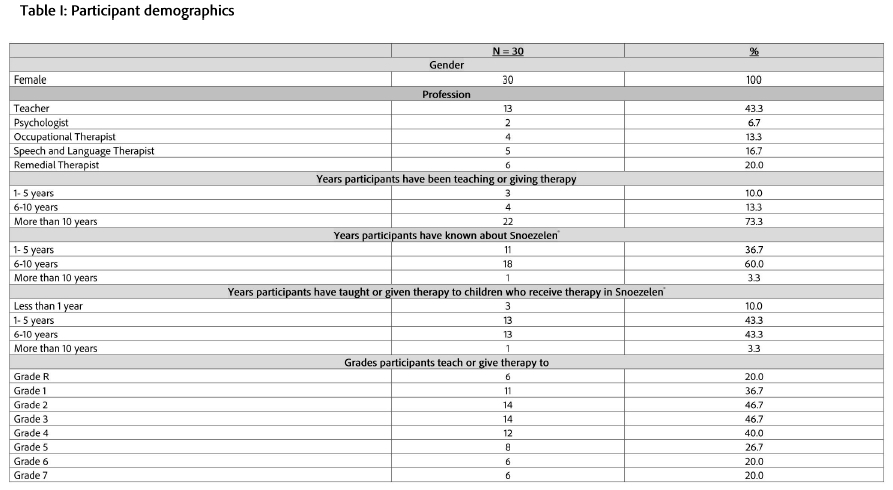
A total of 30 participants responded to the study and gave their consent. Referring to Table I (below), the participants comprised of 100% females (n = 30) whose ages ranged from 27 to 61 years, the mean age being 42.27. Most of the participants (60%) had known about the Snoezelen® room for 6-10 years, while 36.7% had known about the Snoezelen® room for only 1-5 years and 3.3% for more than 10 years. Most participants taught or gave therapy to more than one grade, between Grade R to Grade 7.


Participants were asked about their perception of the benefits of the Snoezelen® room, as well as the diagnoses, age, and gender of the children who may benefit from the room.
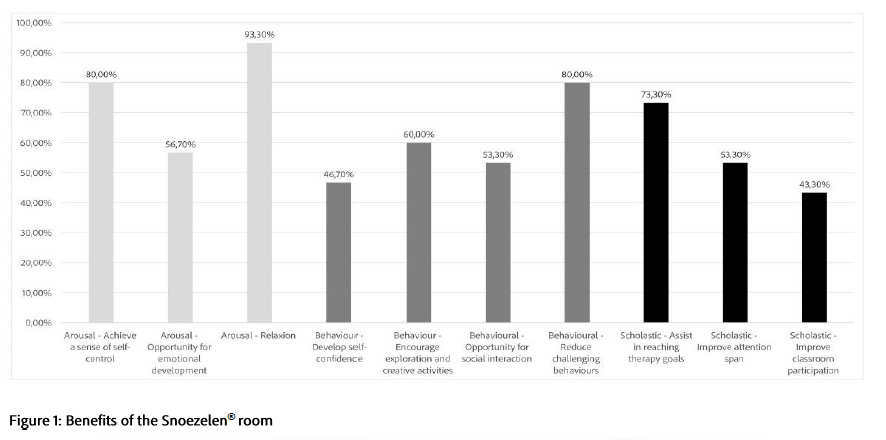
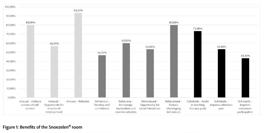
Figure 1 (page 4) indicates the percentages of participants who selected various benefits of occupational therapy intervention within the Snoezelen® room, based on pre-existing knowledge of the subject. Relaxation was the highest benefit reported (93.3%) while improving classroom participation was reported to be the least beneficial (43.3%).


In Table II (above), it is evident that most of the participants (80.6%) identified Snoezelen® as the most beneficial to improve a child's level of arousal, based on their existing knowledge. Furthermore, the least number of participants (58%) identified Snoezelen® as beneficial for improving scholastic performance.
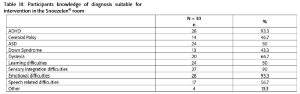
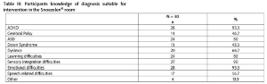
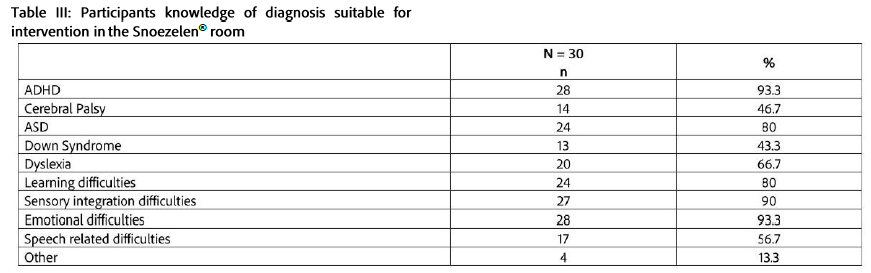
Based on their previous knowledge, the participants report on the diagnoses they believe are suitable to receive occupational therapy intervention in the Snoezelen® room (Table III, above). Emotional difficulties (93.3%), ADHD (93.3%) and sensory integration difficulties (90%) were selected as most suitable. Cerebral Palsy (46.7%) and Down syndrome (43.3%) were selected as the least suitable.
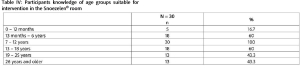
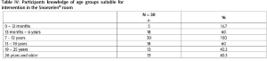
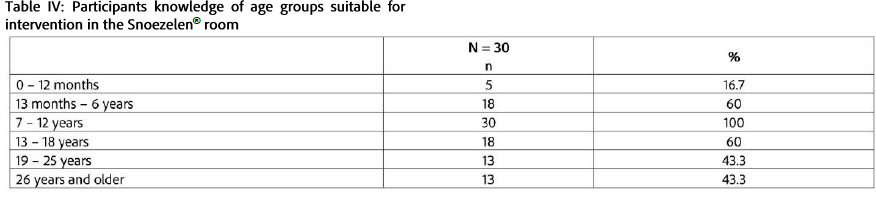
In Table IV (above) the age group that was selected as the most suitable for intervention in the Snoezelen® room was 7 to 12 years, as 100% of the participants selected this age group. 60% of the participants selected age groups from 13 months to 6 years and 13 to 18 years. The age group of 0 to 12 months was selected as least suitable (16.7%).
Perceptions of the impact of the Snoezelen® room
The results of this section are presented according to the number of participants who answered the questions. The percentages do not reflect 100% since some participants did not answer all questions. Most of the participants (86.7%) reported that there are no differences in gender with respect to the changes observed after the occupational therapy intervention in the Snoezelen® room. Twenty-nine participants affirmed that they believe it is beneficial for schools to have a Snoezelen® room on their campus.
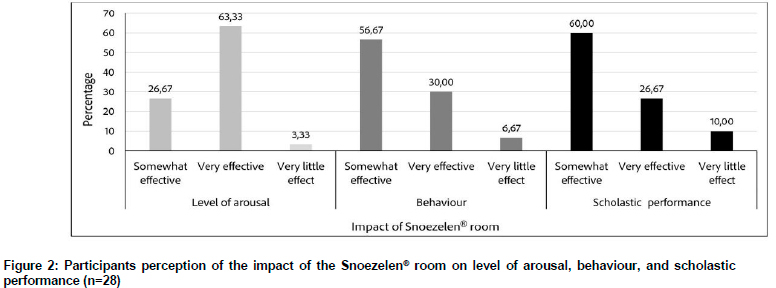
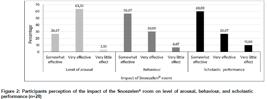
As can be seen in Figure 2 (page 5), the total impact of occupational therapy in the Snoezelen® room was perceived to be significantly better for improving a child's level of arousal (Chi squared 38.78, P =0.001) with 63% of the participants indicating 'very effective'. A higher percentage of participants reported that it was 'somewhat effective' for both behaviour (57%) and scholastic performance (60%).
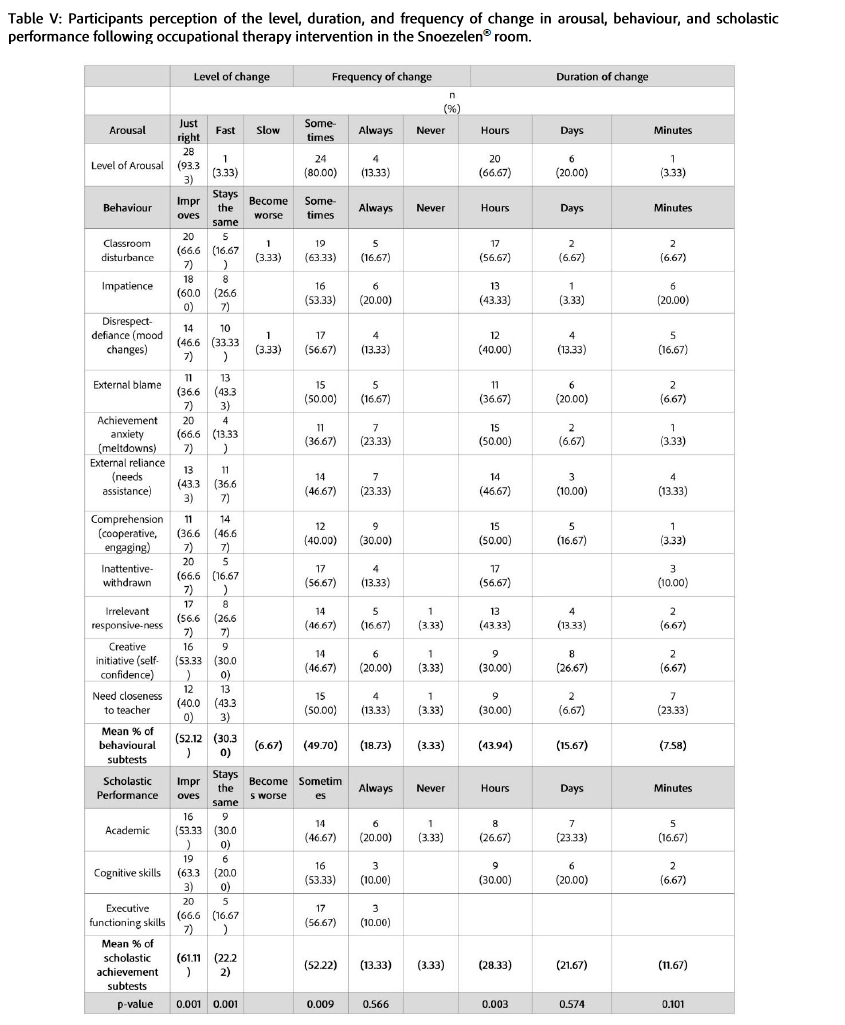
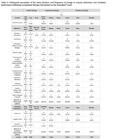
The level of change, as well as frequency and duration of change of level of arousal, behaviour, and scholastic performance is shown in Table V (below).
Level of Change
The change in level of arousal was perceived by a significantly higher percentage (93%) of participants (n = 28, Chi-squared 13.52, df = 2, P = 0.001) to improve after occupational therapy in the Snoezelen® room, followed by scholastic performance (61%) and lastly, behaviour (52%), indicating that overall performance in the external environment improved. A significantly higher percentage of participants felt that behaviour (30%) and scholastic performance (22%) remained the same (Chi squared 20.98, P =0.001) compared to the percentage of participants who thought the same for level of arousal (3%). Only behaviour was seen to deteriorate by 6% of participants. At least two thirds of the participants perceived certain aspects of behaviour to improve after occupational therapy in the Snoezelen® room and these were classroom disturbance, impatience or impulsivity, achievement anxiety (meltdowns) and inattentive withdrawal. Similar results were seen of cognitive and executive functioning skills under scholastic performance.
Frequency of change
The frequency of change of level of arousal was perceived by a high percentage of participants (80%) to change sometimes, with 13% of participants reporting change always occurred. Regarding the frequency of change in behaviour after occupational therapy in the Snoezelen® room, 49.70% of the participants noted change sometimes and 18.73% noted change always. Scholastic performance was observed to change sometimes by 52.22% of the participants and always by 13.33% of the participants. Only 3.33% of the participants noted that scholastic performance never changes after occupational therapy in the Snoezelen® room. Some aspects of behaviour were perceived by more than half of the participants to change, sometimes, after intervention, and these included classroom disturbance, impatience, external blame, inattentive-withdrawal, and need for closeness to the teacher, as well as cognitive and executive functioning skills under scholastic performance. Lower percentages of participants reported that changes always occur.
Duration of Change
Most of the participants (66.67%) reported the level of arousal of children to change for hours after the occupational therapy intervention in the Snoezelen® room. The change in level of arousal was observed for days by 20% of the participants and for minutes by only 3% of the participants. Similarly, 43.94% of the participants noted change in behaviour for hours, 15.67% noted change for days, and 7.58% for minutes. Regarding scholastic performance, 28.33% of participants noted a change for hours, 21.67% for days and 16.67% for minutes. The highest reported changes observed were for hours, which included level of arousal and behavioural aspects such as classroom disturbance, achievement anxiety, comprehension and inattentive-withdrawal.
Level of change and grade
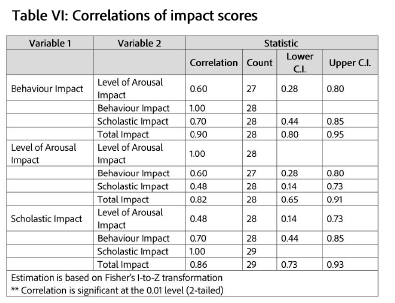
The association between the grade and the total level of change was determined by point biserial correlations in Table VI (below). 'Total change in arousal, behaviour, scholastic' displayed a weak positive correlation with Grade 1 (r(29) = 0.274, P = 0.150) and Grade 2 (r(29) = 0.266, P = 0.162), however these were not statistically significant. Therefore, the change due to occupational therapy in the Snoezelen® room was not strongly associated with any particular grade.
Table VI (adjacent) shows the correlations between the total impact of occupational therapy in the Snoezelen® room on level of arousal, behaviour, and scholastic performance of a child, as well as the impact in these areas individually. It was found that 'total impact' exhibited strong positive correlations with 'level of arousal impact' r(28) = 0.821, P < 0.001, 'scholastic impact' r(29) = 0.863, P < 0.001 and 'behaviour impact' r(28) = 0.901, P < 0.001. A strong positive correlation was observed between 'behaviour impact' and 'scholastic impact' r(28) = 0.698, P < 0.001. Moderately strong positive relationships were observed between 'behaviour impact' and 'level of arousal impact' r(27) = 0.597, P = 0.001 and 'level of arousal impact' and 'scholastic impact' r(28) = 0.483, P < 0.001. All these scores were statistically significant.
DISCUSSION
Much research has been done on positive changes in child performance within the MSE 14,26,283® room. For this study, it is assumed that occupational therapy sessions in the Snoezelen® room would follow an SIT approach as this reference frame coincides with the sensory rich nature of the MSE3612,22. Furthermore, participants had a diverse range of professional backgrounds and extensive experience working with children, as 73% of participants had been doing so for more than 10 years. Their years of experience may have contributed to their knowledge and perceptions of the Snoezelen® room. Teachers' and therapists' diverse professional backgrounds, extensive experience, and understanding of suitable age groups and diagnoses align with the evidence commonly found in MSE research.
In a study by Graham313172220,37. This study found that the children were observed to have a 'just right' level of arousal for hours upon returning to the classroom after the occupational therapy intervention in the Snoezelen® room3738393940414142,43. However, the frequency of these changes was not explicit. This combination of evidence indicates that a child's ability to maintain their level of arousal is essential for their academic success, specifically their cognitive and executive functioning skills. This also shows that the participants had relatively good prior knowledge of the Snoezelen® room.
Researchers reason that the development of self-regulation skills is vital for younger children, as this lays the foundation for early childhood education and intersects with all aspects of behaviour and performance output20,40. Children who can self-regulate are more likely to stay focused, take turns, and follow instructions, and are less likely to show impulsivity or aggressive behaviour40443131,32. The study determined that teachers reported the highest improvement in the focus of the children. Furthermore, 57.5% of teachers reported improved following of instructions, 38.8% found that students were better on task, 55% observed fewer negative behaviours, and 27.5% found that students had higher levels of motivation after the use of the MSE3119
On the topic of targeting these areas of development 'in the early years', it is beneficial to mention the relevance of neuroplasticity and early intervention in relation to school performance. Young children respond well to SIT because there is still an opportunity for neuroplasticity. This alludes to the fact that brain function is not permanent and can be changed. As children grow, the neuroplasticity decreases. Recent evidence suggests that changes in brain structure due to neuroplasticity have been observed from three to five months of age, with the process at highest maturation in the first 8 years of life11845
Based on the findings of this study, it could be foreseen that having a Snoezelen® room on school campuses would be beneficial for some pertinent reasons. Since strong positive and significant correlations were found between the total impact of the Snoezelen® room and the level of arousal of children, as well as their behaviour and their scholastic performance, it is evident that each component should not be targeted in isolation from the others, to achieve therapy or school-based aims. Importantly, a child's ability to self-regulate and maintain their level of arousal has been shown to be fundamental. Subsequently, the question around 96.7% of participants affirming that it is beneficial for schools to have a Snoezelen® room on their campus, despite, 'improving classroom participation' being their least reported benefit of the Snoezelen® room, can be clarified. Consistent with extensive research surrounding self-regulation of children, acquiring self-regulation skills in the early years lays the foundation for positive classroom behaviour and academic performance later198
Limitations of the study
This study had a narrow sample size. Due to this sample size, the generalisation of these findings to other settings and the larger context of South Africa should be done with caution. It is not known if the research survey reached the whole potential population and only 30 responses were used. This could be due to participants having received the survey, but not completing it. These factors may have caused a non-response bias which could have skewed the results. Additionally, survey pilot testing was not completed due to time constraints.
This study presented generalised findings of the impact of the Snoezelen® room on children in Grade R to Grade 7. However, many participants reported in the survey comment box that the selected questions were difficult to answer confidently as the information may be applied differently to different children, and different children may respond differently to therapy in the Snoezelen® room. Additionally, the information gathered through participants' perceptions is subjective. Therefore, it is recommended that further research be carried out to explore the impact of the Snoezelen® room, where findings can be more child-specific and based on age, diagnosis, or additional demographic information and changes can be objectively measured.
CONCLUSION
The diverse professional background of teachers and therapists, extensive experience, and understanding of suitable age groups and diagnoses align with the principles and recommendations commonly found in MSE research. In this study, the impact of occupational therapy using an SIT approach in the Snoezelen® room is highlighted. Since strong positive and significant correlations were found between the total impact of the Snoezelen® room and the level of arousal of children, as well as their behaviour and their scholastic performance, it is evident that each component should not be targeted in isolation from the others, to achieve maximum therapy or school-based aims. Importantly, a child's ability to self-regulate and maintain their level of arousal has been shown to be fundamental. Although all areas were shown to improve in an external environment after occupational therapy intervention in the Snoezelen® room, a substantial majority of teachers and therapists perceived that occupational therapy in the Snoezelen® room has a positive impact on improving child behaviour and scholastic performance, through improving their level of arousal. Consistent with extensive research on self-regulation in children, the acquisition of self-regulation skills in the early years lays the foundation for positive classroom behaviour and academic performance later.
Author contributions
Mika Solomon completed the study towards a postgraduate degree. She was responsible for the conception and design of the research, the acquisition, analysis, and interpretation of data. Drafting the article and revising it critically for important intellectual content. She ensured final approval of the version to be submitted. Marica Botha revised and supervised the research from initial stage to final article. She was involved in the editing of the article throughout. She was also accountable for all aspects of the work in ensuring that questions related to the accuracy or integrity of any part of the work were appropriately investigated and resolved.
Conflict of interests
The authors have no conflict of interest to declare.
REFERENCES
Acknowledgements
Due acknowledgement to the schools and participants in the study.
LITERATURE REVIEW
-
1. Nasser K, Cahana C, Kandel I, Kessel S, Merrick J. Snoezelen: Children with intellectual disability and working with the whole family. The Scientific World Journal. 2004;4:500-506. doi: http://dx.doi.org/10.1100/tsw.2004.105
» http://dx.doi.org/10.1100/tsw.2004.105 -
2. Botts BH, Hershfeldt PA, Christensen-Sandfort RJ. Snoezelen: Empirical Review of Product Representation. Focus on Autism and Other Developmental Disabilities. 2008;23(3):138-147. doi: http://dx.doi.org/10.1177/1088357608318949
» http://dx.doi.org/10.1177/1088357608318949 -
3. Lin CL, Min YF, Chou LW, Lin CK. Effectiveness of sensory processing strategies on activity level in inclusive preschool classrooms. Neuropsychiatrie Disease and Treatment. 2012;8:475-481. doi: http://dx.doi.org/10.2147/NDTS37146
» http://dx.doi.org/10.2147/NDTS37146 -
4. Stonefelt LL, Stein F. Sensory integrative techniques applied to children with learning disabilities: An outcome study. Occupational Therapy International. 1998;5(4):252-272. doi: http://dx.doi.org/10.1002/oti.80
» http://dx.doi.org/10.1002/oti.80 - 5. Sonday A, Anderson K, Flack C, Fisher C, Greenhough J, Kendal R, Shadwell C. School-based occupational therapists: An exploration into their role in a Cape Metropole full-service school. South African Journal of Occupational Therapy. 2012, 42(1):2-6.
-
6. Lane SJ, Mailloux Z, Schoen S, Bundy A, May-Benson TA, Parham LD, Roley SS, Schaaf RC. Neural foundations of ayres sensory integration®. Brain Sciences. 2019;9(7):1-14. doi: http://dx.doi.org/10.3390/brainsci9070153
» http://dx.doi.org/10.3390/brainsci9070153 - 7. Cortiella C, Horowitz SH. The state of learning disabilities: facts, trends and emerging issues. National Center for Learning Disabilities. 2014;3:3.
-
8. Leong HM, Carter M, Stephenson JR. Meta-analysis of Research on Sensory Integration Therapy for Individuals with Developmental and Learning Disabilities. Journal of Developmentaland Physical Disabilities.2015;27(2):183-206. doi: http://dx.doi.org/10.1007/s10882-014-9408-y
» http://dx.doi.org/10.1007/s10882-014-9408-y -
9. Beyer 0, Butler S, Murphy B, Olig M, Skinner S, Szczech Moser C. Sensory Integration and Sensory Processing... What's in a Name? Journal of Occupational Therapy, Schools, and Early Intervention. 2019,12(1):1-37. doi: http://dx.doi.org/10.1080/19411243.2019.1589702
» http://dx.doi.org/10.1080/19411243.2019.1589702 -
10. Lane SJ, Schaaf RC. Examining the neuroscience evidence for sensory driven neuroplasticity: Implications for sensory-based occupational therapy for children and adolescents. American Journal of Occupational Therapy. 2010;64(3):375-390. doi: http://dx.doi.org/10.5014/ajot.2010.09069
» http://dx.doi.org/10.5014/ajot.2010.09069 -
11. Bundy A, Lane SJ. Sensory Integration: Theory and practice. 3rd ed. 2020. doi: http://dx.doi.org/10.1016/s0031-9406(10)60328-8
» http://dx.doi.org/10.1016/s0031-9406(10)60328-8 - 12. Kwok, To Y, Sung H. The application of a multisensory Snoezelen room for people with learning disabilities - Hong Kong experience. Hong Kong Medical Journal. 2003;9(2).
-
13. Grace J. Multisensory rooms: essential characteristics and barriers to effective practice. Tizard Learning Disability Review. 2020;25(2):67-75. doi: http://dx.doi.org/10.1108/TLDR-10-2019-0029
» http://dx.doi.org/10.1108/TLDR-10-2019-0029 -
14. Shapiro M, Sgan-Cohen HD, Parush S, Melmed RN. Influence of Adapted Environment on the Anxiety of Medically Treated Children with Developmental Disability. Journal of Pediatrics. 2009,154(4):546-550. doi: http://dx.doi.org/10.1016/j.jpeds.2008.10.017
» http://dx.doi.org/10.1016/j.jpeds.2008.10.017 -
15. Challis B, Hildred M, Bailey JR. Commentary on "Multisensory rooms: essential characteristics and barriers to effective practice." Tizard Learning Disability Review. 2020;25(2):77-81. doi: http://dx.doi.org/10.1108/TLDR-01-2020-0001
» http://dx.doi.org/10.1108/TLDR-01-2020-0001 -
16. Long AP, Haig L. How do Clients Benefit from Snoezelen? An Exploratory Study. British Journal of Occupational Therapy. 1992. doi: http://dx.doi.org/10.1177/030802269205500307
» http://dx.doi.org/10.1177/030802269205500307 -
17. Villasenor RF, Smith SL, Jewell VD. A systematic review of sound-based intervention programs to improve participation in education for children with sensory processing and integration challenges. Journal of Occupational Therapy, Schools, and Early Intervention. 2018;11(2):172-191. doi: http://dx.doi.org/10.1080/19411243.2018.1432444
» http://dx.doi.org/10.1080/19411243.2018.1432444 - 18. Pollock N. Sensory Integration: A review of the current state of evidence. Occupational Therapy Now. 2009,11(5):6-10.
-
19. Ashburner J, Ziviani J, Associate Professor is, Rodger S. Sensory Processing and Classroom Emotional, Behavioral, and Educational Outcomes in Children with Autism Spectrum Disorder. American Journal of Occupational Therapy. 2008;62(5):564-573. doi: http://dx.doi.org/10.5014/ajot.62.5.564
» http://dx.doi.org/10.5014/ajot.62.5.564 -
20. Blackwell AL, Yeager DC, Mische-Lawson L, Bird RJ, Cook DM. Teaching Children Self-Regulation Skills within the Early Childhood Education Environment: A Feasibility Study. Journal of Occupational Therapy, Schools, and Early Intervention. 2014;7: 204-224. doi: http://dx.doi.org/10.1080/19411243.2014.966013
» http://dx.doi.org/10.1080/19411243.2014.966013 -
21. Dunn W. Sensory processing as an evidence-based practice at school. Physical and Occupational Therapy in Pediatrics. 2008;28(2):137-140. doi: http://dx.doi.org/10.1080/01942630802031818
» http://dx.doi.org/10.1080/01942630802031818 -
22. Hogg J, Cavet J, Lambe L, Smeddle M. The use of "Snoezelen" as multisensory stimulation with people with intellectual disabilities: A review of the research. Research in Developmental Disabilities. 2001, 22(5):353-372. doi: http://dx.doi.org/10.1016/S0891-4222(01)00077-4
» http://dx.doi.org/10.1016/S0891-4222(01)00077-4 -
23. McGowan AL, Gerde HK, Pfeiffer KA, Pontifex MB. Meeting 24-hour movement behavior guidelines in young children: Improved quantity estimation and self-regulation. Early Education and Development. 2023, 34(3):762-789. doi: http://dx.doi.org/10.1080/10409289.2022.2056694
» http://dx.doi.org/10.1080/10409289.2022.2056694 - 24. American Occupational Therapy Association. Occupational therapy practice framework: domain and process. American Journal of Occupational Therapy. 2014;68:1-48.
-
25. Diamond A. Executive functions. In: Handbook of Clinical Neurology. Vol. 173. Elsevier B.V.; 2020. p. 225-240. doi: http://dx.doi.org/10.1016/B978-0-444-64150-2.00020-4
» http://dx.doi.org/10.1016/B978-0-444-64150-2.00020-4 -
26. Stephenson J, Carter M. The Use of Multisensory Environments in Schools for Students with Severe Disabilities: Perceptions from Teachers. Journal of Developmental and Physical Disabilities. 2011;23(4):339-357. doi: http://dx.doi.org/10.1007/s10882-011-9232-6
» http://dx.doi.org/10.1007/s10882-011-9232-6 -
27. Breslin L, Guerra N, Ganz L, Ervin D. Clinical utility of multisensory environments for people with intellectual and developmental disabilities: A scoping review. American Journal of Occupational Therapy. 2020,74(1). doi: http://dx.doi.org/10.5014/ajot.2020.037267
» http://dx.doi.org/10.5014/ajot.2020.037267 -
28. Chan S, Fung MY, Tong CW, Thompson D. The clinical effectiveness of a multisensory therapy on clients with developmental disability. Research in Developmental Disabilities. 2005, 26(2):131-142. doi: http://dx.doi.org/10.1016/j.ridd.2004.02.002
» http://dx.doi.org/10.1016/j.ridd.2004.02.002 -
29. Shapiro M, Parush S, Green M, Roth D. The efficacy of the "Snoezelen" in the management of children with mental retardation who exhibit maladaptive behaviours. British Journal of Developmental Disabilities. 1997, 43(2):140-155. doi: http://dx.doi.org/10.1179/bjdd.1997.014
» http://dx.doi.org/10.1179/bjdd.1997.014 -
30. Unwin KL, Powell G, Jones CRG. The use of Multi-Sensory Environments with autistic children: Exploring the effect of having control of sensory changes. Autism. 2022;26(6):1379-1394. doi: http://dx.doi.org/10.1177/13623613211050176
» http://dx.doi.org/10.1177/13623613211050176 - 31. Graham GA. Supporting students with disabilities: An evaluation of teacher professional development and implementation of sensory labs in HISD schools. 2019.
- 32. Pierce T. Sensory Rooms: Increasing Preschool Students' Focus and Engagement in the Classroom. Iowa: Northwestern College; 2022.
- 33. Kielhofner G. Occupational Therapy Methods of Enquiry. F. A. Davis Company; 2006.
-
34. Polit DF, Beck CT. The content validity index: Are you sure you know what's being reported? Critique and recommendations. Research in Nursing and Health. 2006, 29(5):489-497. doi: http://dx.doi.org/10.1002/nur.20147
» http://dx.doi.org/10.1002/nur.20147 -
35. Jacobs P, Viechtbauer W. Estimation of the biserial correlation and its sampling variance for use in meta-analysis. Research Synthesis Methods. 2017, 8(2):161-180. doi: http://dx.doi.org/10.1002/jrsm.1218
» http://dx.doi.org/10.1002/jrsm.1218 - 36. Spyhalski MC. Program Evaluation of the Impact of Sensory Room Activities on Student Readiness in Muskegon County. 2019.
- 37. Williams M, Shellenberger S. How does your engine run? Therapy Works; 1996.
- 38. Powell M. Implementing the Alert Program for Self-Regulation through the Response to Intervention Model with Selected at Risk Children: Collaborating with Elementary Education Teachers to Identify Effective Strategies for Improving Students' Readiness to Learn. East Carolina University; 2013.
-
39. Raver CC. Placing Emotional Self-Regulation in Sociocultural and Socioeconomic Contexts. Child Development. 2004, 75(2):346-353. doi: http://dx.doi.org/10.1111/j.1467-8624.2004.00676.x
» http://dx.doi.org/10.1111/j.1467-8624.2004.00676.x -
40. McClelland MM, Cameron CE, Connor CMD, Farris CL, Jewkes AM, Morrison FJ. Links Between Behavioral Regulation and Preschoolers' Literacy, Vocabulary, and Math Skills. Developmental Psychology. 2007, 43(4):947-959. doi: http://dx.doi.org/10.1037/0012-1649.43.4.947
» http://dx.doi.org/10.1037/0012-1649.43.4.947 -
41. Post Y, Boyer W, Brett L. A historical examination of self-regulation: Helping children now and in the future. Early Childhood Education Journal. 2006;34(1):5-14. doi: http://dx.doi.org/10.1007/s10643-006-0107-x
» http://dx.doi.org/10.1007/s10643-006-0107-x -
42. Diamond A. Executive functions. Annual Review of Psychology. 2013;64:135-168. doi: http://dx.doi.org/10.1146/annurev-psych-113011-143750
» http://dx.doi.org/10.1146/annurev-psych-113011-143750 - 43. Watson S, Gable R( Morin L. The Role of Executive Functions in Classroom Instruction of Students with Learning Disabilities. International Journal of School and Cognitive Psychology. 2016;03(01).
-
44. Reynolds WM, Bernstein SM. Factorial Validity and Reliability of the Devereux Elementary School Behavior Rating Scale. Journal of Abnormal Child Psychology. 1982;10(1):113-122. doi: http://dx.doi.org/10.1007/bf00915956
» http://dx.doi.org/10.1007/bf00915956 -
45. Sullivan K, Stone WL( Dawson G. Potential neural mechanisms underlying the effectiveness of early intervention for children with autism spectrum disorder. Research in Developmental Disabilities. 2014;35(11):2921-2932. doi: http://dx.doi.org/10.1016/j.ridd.2014.07.027
» http://dx.doi.org/10.1016/j.ridd.2014.07.027
Reviewed: 2 April 2024
Revised: 7 August 2024
Accepted: 17 August 2024
Editor: Blanche Pretorius https://orcid.org/0000-0002-3543-0743
Data availablity: Upon reasonable request from the corresponding author
Funding:No funding was received.