Incorporating spirituality into occupational therapy practice: A Scoping Review
Abstract
BACKGROUND: Spirituality is increasingly recognised as a vital component of health and well-being yet there is a lack of clarity about how it is implemented in occupational therapy practice. This scoping review aimed to synthesise evidence on how spirituality is incorporated into occupational therapy practice and the barriers and facilitators influencing this process METHOD: Guided by the PRISMA-ScR PubMed, EBSCOhost, Scopus and Web of Science were searched for studies published in English from 2007 to 2024 that reported on ways which spirituality was incorporated into occupational therapy practice. Two reviewers independently screened all retrieved studies. Data were extracted and analysed descriptively RESULTS: Of the 385 identified studies, 10 met the inclusion criteria. Spirituality was incorporated into occupational therapy practice through steps of the occupational therapy process (evaluation, intervention) and therapeutic use of self. Barriers included therapists' limited knowledge, cultural sensitivity concerns, and systemic constraints, while facilitators included therapist agency and service user receptivity CONCLUSION: Despite the barriers highlighted in the review, occupational therapists incorporate spirituality into practice mainly through the occupational therapy process. There are significant inconsistencies in addressing spiritual needs throughout the process, with no studies reporting outcomes. Research on how occupational therapists integrate spirituality in practice remains limited Implications for practice This study identified two key ways in which occupational therapists incorporate spirituality into their practice: through the occupational therapy process and the therapeutic use of self. These findings represent a significant step toward deepening the exploration of spirituality within occupational therapy practice and research. In the African context where spirituality is often deeply embedded in cultural, social, and personal life this study offers a strong foundation for advancing both practice and scholarship in this area. Moreover, the study clearly illuminates the barriers and facilitators to integrating spirituality in contemporary occupational therapy. The identification of these factors at individual, organisational, and systemic levels assert the need for context-sensitive strategies to support meaningful integration. The review reported the lack of research from the African region, and this highlights the importance of further research that is culturally aligned with African worldviews, spiritual traditions and practice settings or systems.
Quality of life; Client centred practice; Occupational therapy process; occupation; Spirituality; therapeutic use of self
INTRODUCTION
Spirituality is widely recognised as a fundamental component of health, well-being, and quality of life21, 2. Quality of life is a critical outcome of occupational therapy interventions3344, 5.
Spirituality is a broad concept that encompasses the search for meaning, purpose, and connection beyond the material or physical aspects of life6578, 9. However, as the profession embraced more client-centred approaches, spirituality emerged as a vital component of occupational engagement. One of the earliest acknowledgments of spirituality in occupational therapy can be traced to the Canadian Model of Occupational Performance and Engagement (CMOP-E), which explicitly included spirituality as a core component of human occupation1010
In 2018, the Occupational Therapy Association of South Africa developed a Position statement on spirituality re-emphasising its importance in occupational therapy education, practice and research115:646. Furthermore, The Occupational Therapy Practice Framework (OTPF) in its fourth edition conceptualised spirituality as 'the deep experience of meaning brought about by engaging in occupations that involve the enacting of personal values and beliefs, reflection, and intention within a supportive context'3:21. This highlights the integral role spirituality plays in shaping identity, motivation, and occupational participation.
The incorporation of spirituality into occupational therapy practice is deeply rooted in the profession's strong commitment to holism and client-centred practice12, 13. For instance, in mental health practice, occupational therapists explore spirituality as an important source of information on people's beliefs about mental health and their occupations and it is acknowledged that through spirituality they draw meaning, purpose and transcendence141516
Whilst the incorporation of spirituality into occupational therapy practice continues to evolve, several factors have been identified that impact the incorporation of spirituality in practice. For instance, Belcham17181615, 19.
Despite the growing research interest in exploring the incorporation of spirituality in occupational therapy practice, there is no recent published review that has explored the incorporation of spirituality in practice or the barriers and facilitators that impact this. While Johnston and Mayers2021
METHODS
This scoping review followed the JBI methodology2223a priori and was reviewed as part of the process towards the first author's master's degree but was not registered. The question for this review, framed with the PCC mnemonic22, 24 was:
What research is available globally on the ways occupational therapists incorporate spirituality into practice?
Eligibility Criteria
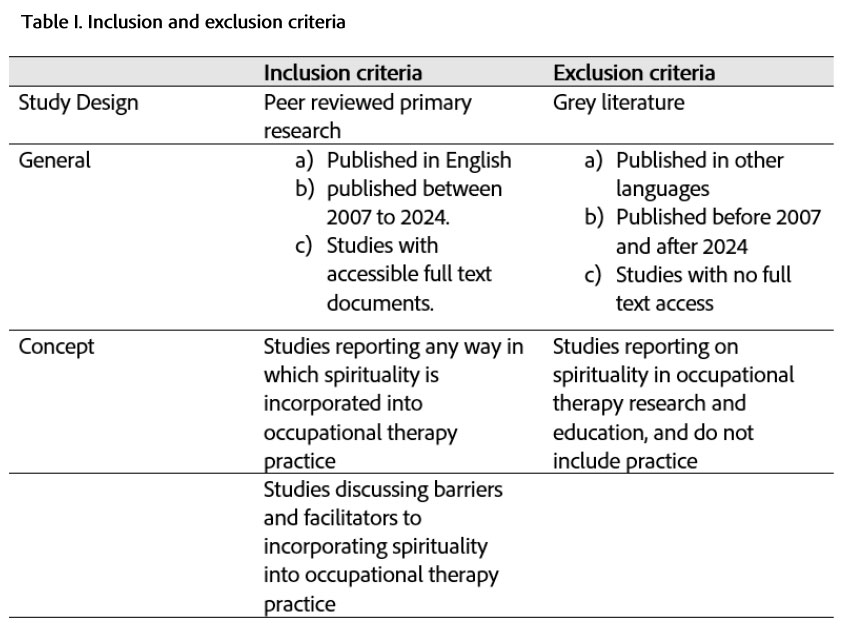
Studies that met the eligibility criteria were included in the review. Incorporation of spirituality was defined as ways spirituality was assessed, used and addressed in practice. To ensure the trustworthiness and quality of the evidence being reviewed, only primary peer-reviewed studies reporting any type of study design and published in English were included. As the Canadian Model of Occupational Performance and Engagement (CMOP-E) was the first occupational therapy model for practice that explicitly included spirituality, we assumed that publication of this model would have shaped how spirituality was integrated into occupational therapy practice, thus the decision for publication date parameters. Grey literature was excluded as the purpose of the review was to synthesise existing research as an evidence-based resource to inform occupational therapy practice and education. Table I (page3) presents the inclusion and exclusion criteria.
Information Sources
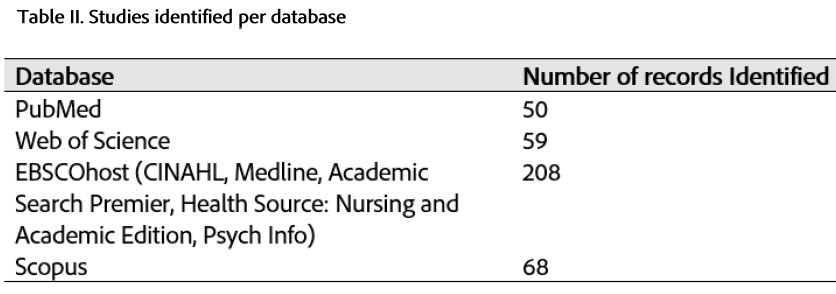
We searched the PubMed, Web of Science, EBSCOhost (CINAHL, Medline, Academic Search Premier, Health Science: Nursing and Academic Edition, PsycINFO) and Scopus databases. The number of records identified in each database can be noted in Table II (below).
Search Strategy
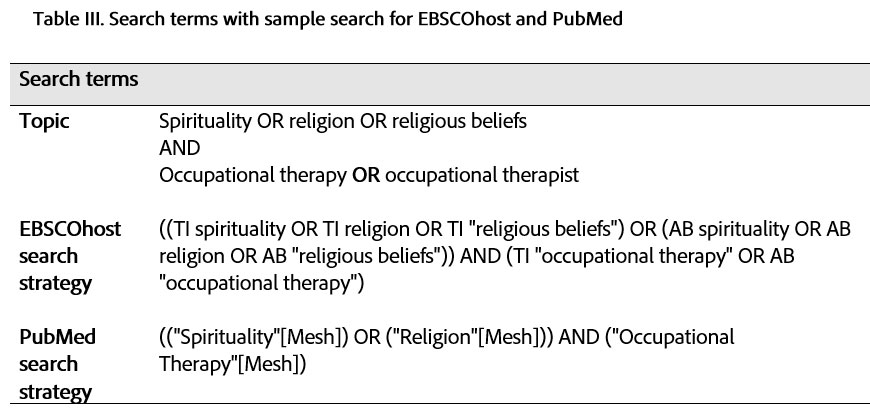
A preliminary search strategy was developed to identify what literature was available and whether there was an existing current review on the topic. No existing literature nor reviews on this topic were found. In collaboration with a subject librarian at the University of Cape Town Bongani Mayosi Health Sciences library, an iterative process was followed to develop a general search strategy which was customised for each database, including MeSH terms for Pubmed and subject headings for EBSCOhost. Boolean operators were used to combine search terms as shown in Table III (below) which shows a sample search strategy for EBSCOhost (CINAHL, Medline, Academic Search Premier, Health Science: Nursing and Academic Edition, PsycINFO).
These searches, seen in Table III (page 3), were conducted in November 2022 and later updated in July 2024. Search results were then exported into Rayyan25
Selection of Sources of Evidence
Studies were first screened by title and abstract using the 'include' and 'exclude' features in Rayyan, after which the full texts of the remaining studies were screened. Both screening processes were conducted independently by two reviewers (IA and a research assistant) and reasons for exclusions were recorded. Disagreements between reviewers were resolved at each stage of the selection process via a Zoom meeting. One author (MR) checked the screening at the title and abstract phase to ensure the eligibility criteria had been applied correctly. For one article, the second and third authors (HB and MR) were consulted, and consensus was reached to include the article. Once all studies had been screened, the reference lists of all included primary studies and reviews were checked to locate primary studies that had not been retrieved in the searches.
Data Charting Process
Data extraction was undertaken the first author (IA) and discussed with the other two authors (HB and MR). Study characteristics were extracted using a modified JBI data-charting tool242627
Critical Appraisal of Individual Sources of Evidence
In line with current guidance for scoping reviews, studies were not critically appraised22
Synthesis of Results
Data were summarised in tables and elaborated in a narrative summary in line with the scoping review aim and objectives.
RESULTS
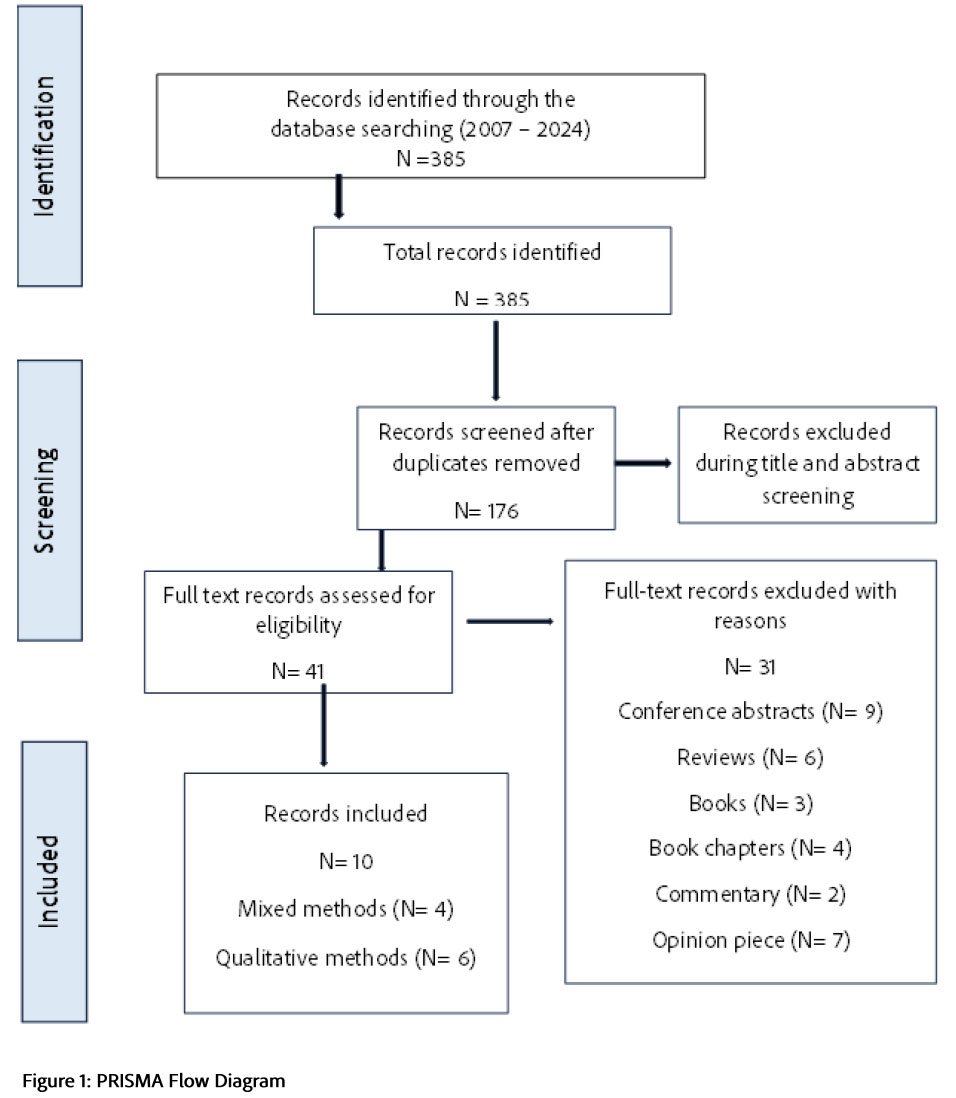
The searches identified 385 studies with 171 studies remaining after removal of duplicates. Following the title and abstract screening process, 41 studies were screened by full text of which 10 met the inclusion criteria. This process is displayed in the PRISMA flow chart in Figure 1 (below).
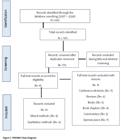
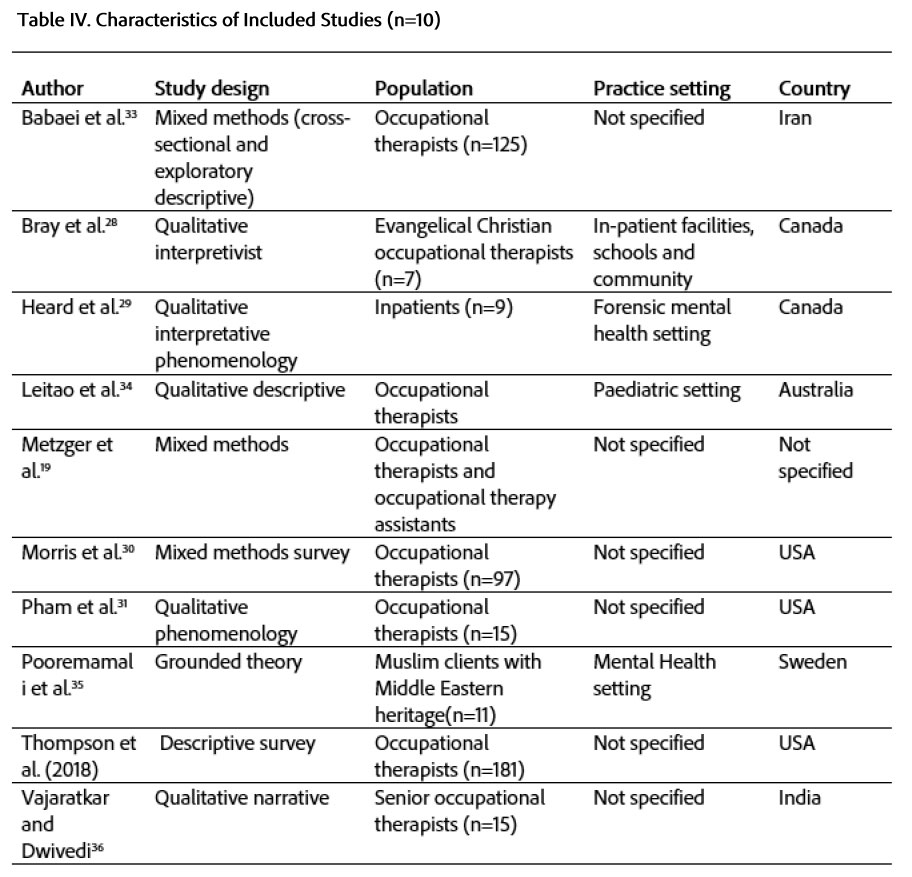
As seen from Figure 1 (page 4), ten studies were included and the characteristics of each are noteworthy for this scoping review.
Characteristics of Included Studies
Of the ten included studies, five were conducted in North America (USA and Canada)28, 29, 30, 31, 32 and one each in Iran3334353628, 29, 31, 34, 35, 36 while four employed mixed methods19, 30, 32, 33. Study populations included occupational therapists only (7 studies)28, 30, 31, 32, 33, 34, 36, occupational therapists and occupational therapy assistants (1 study)1929, 35. Two studies were situated within mental health settings29, 35, one in in-patient, school and community settings283419, 30, 31, 32, 33, 36. Details are reported in Table IV (below).
The results were synthesised according to the main objectives of the review: 1) Ways of incorporating spirituality into occupational therapy, and 2) Key enablers and barriers to addressing spirituality.
Ways of incorporating spirituality into occupational therapy
Spirituality was incorporated into occupational therapy practice in two ways: 1) through aspects of the occupational therapy process, entailing evaluation, intervention and achievement of defined outcomes3
Spirituality within the occupational therapy process.
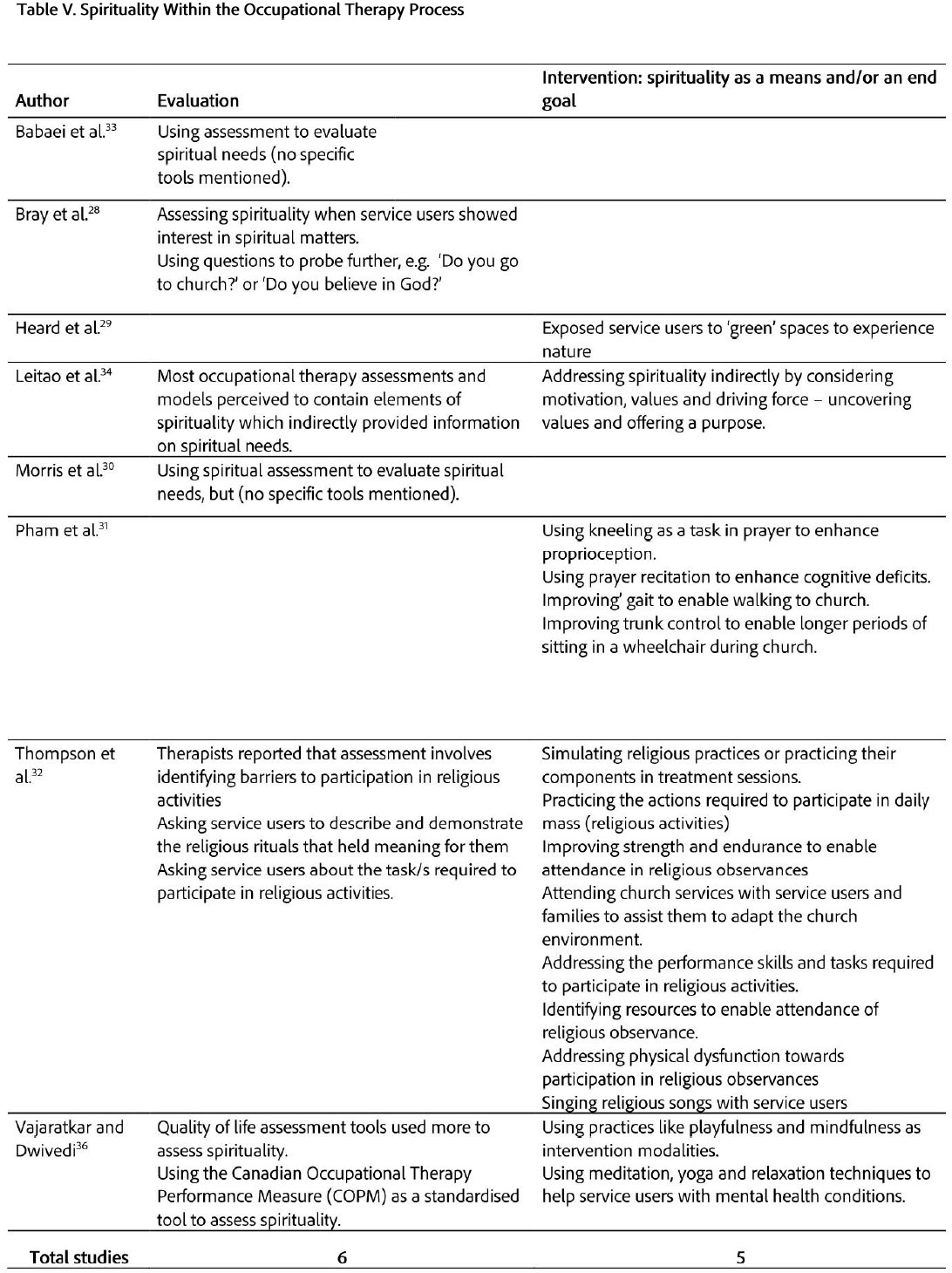
Spirituality was incorporated within the occupational therapy process during evaluation (6 studies)28, 30, 32, 33, 34, 36 and/or during intervention (5 studies)29, 31, 32, 34, 36. Achievement of outcomes was not reported in any studies. Most of the assessment approaches identified in this review were non-standardised. Standardised assessments included the Canadian Occupational Performance Measure (COPM), which is the only occupational therapy specific standardised tool reported, and QOL assessments although no specific tools were named3632283228, 32, 36. Lastly, spirituality was assessed indirectly using occupational therapy models3430, 33 did not name any assessment methods.
Spirituality was addressed in relation to spiritual practices either as a means or as an end goal of therapy. The use of spiritual practices as a 'means' describes interventions using spiritual or religious practices to remediate impairments or facilitate health and well-being. As therapeutic means, spiritual activities and tasks were used as a modality to address activity limitations and performance skills. Examples include improving cognitive function through reciting prayer313131, 32 to enable service users to participate in spiritual and religious activities. Mindfulness, playfulness, relaxation techniques, meditation, reflective practice, and nature-immersing experiences were also reported as therapeutic modalities used in practice29, 36. When improved participation in spiritual occupations was the end goal of therapy, studies reported that occupational therapists engaged in spiritual occupations with service users, such as praying or singing religious songs with them323232323634Table V (below) summarises the findings relating to the occupational therapy process.
Therapeutic use of self
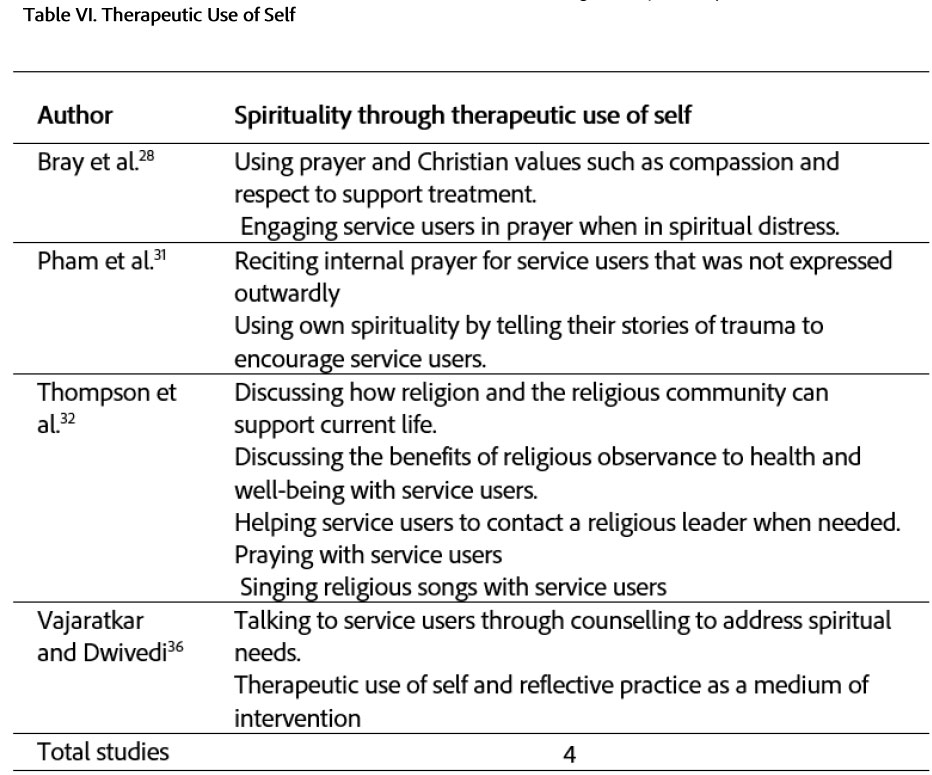
Therapeutic use of self refers to 'a practitioner's intentional use of their personality, insights, perceptions, and judgments as part of the therapeutic process'37:285. The four studies that incorporated spirituality through therapeutic use of self28, 31, 32, 36 applied this in two ways. Firstly, therapists drew on their own background, experiences, spiritual knowledge and practices to encourage service users through sharing personal stories of trauma and suffering312828, 32. Secondly, occupational therapists tapped into their own spiritual occupations to enhance practice such as privately reciting prayers for service users3136Table VI (below) describes the ways in which therapeutic use of self was implemented with regard to spirituality.
Therefore, in these studies, spirituality was incorporated into occupational therapy practice through both the occupational therapy process and therapeutic use of self. Additionally, it was found that addressing spirituality in occupational therapy practice was influenced by key enablers and barriers.
Key enablers and barriers of addressing spirituality
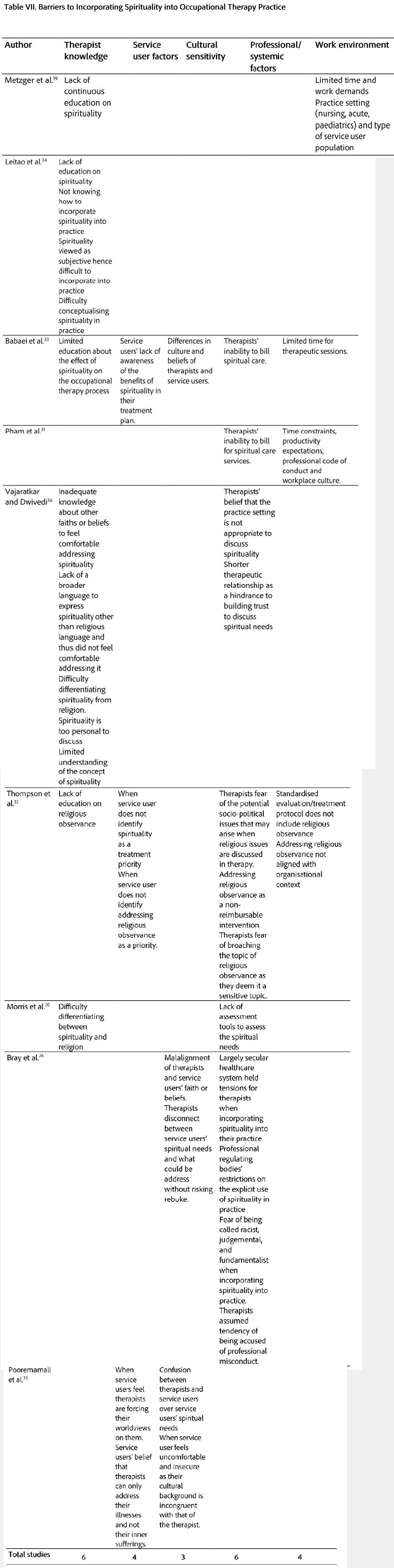
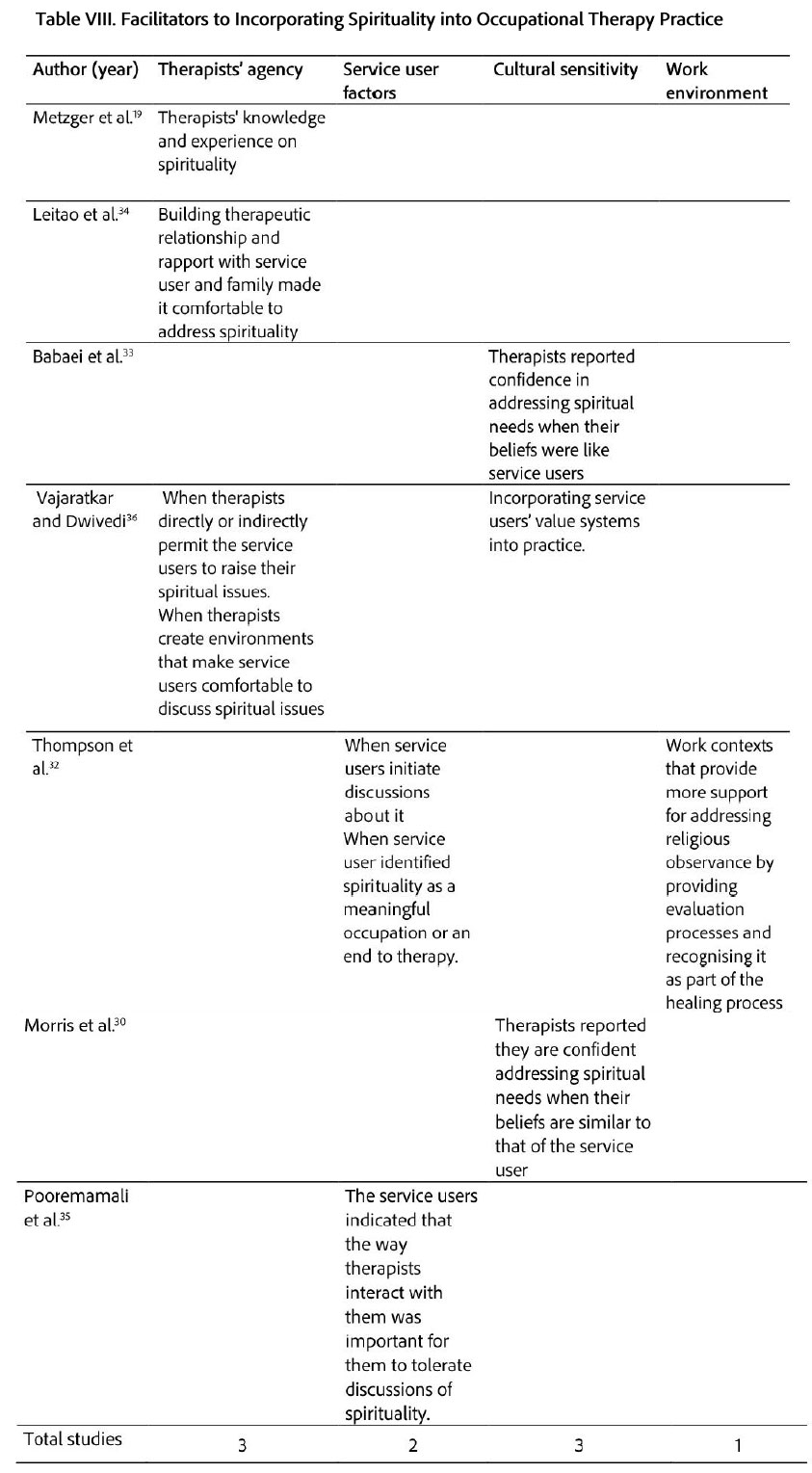
Barriers and enablers were grouped into categories based on their similarity. There were five categories for barriers (therapist knowledge, service user factors, cultural sensitivity, professional/systemic factors and work environment) and four for enablers (therapist agency, service user factors, cultural sensitivity and work environment) and four for enablers (therapist agency, service user factors, cultural sensitivity and work environment). Details of barriers and enablers are shown per category in Table VII (below) and Table VIII (page 10), respectively.
Overall, studies reported more barriers (23 instances) than enablers (9 instances). The highest barriers were therapist knowledge (6 studies) and professional /systemic factors (6 studies). The highest reported enablers (3 each) were therapists' agency and cultural sensitivity.
DISCUSSION
This review established that occupational therapists incorporate spirituality into practice through the occupational therapy process and therapeutic use of self. Key enablers and barriers to integrating spirituality in practice were also identified. The studies were conducted predominantly using the qualitative methodology (80%; n=8) with only two studies employing mixed methods. The use of quantitative approaches to report use of spirituality was absent, which could suggest a challenge in measuring spiritual interventions. However, this requires further exploration. It is also worth noting that almost all the studies included in this review were conducted in Europe and North America with one from Asia and mainly from high income economy countries. African perspectives are notably absent; no studies from the continent were identified, despite spirituality being deeply interwoven with how many Africans understand health, illness, and daily life. This highlights the need for contextually grounded research that captures how spirituality is experienced and incorporated within African occupational therapy settings.
Studies in this review were conducted across diverse occupational therapy practice settings, indicating the importance of attending to spiritual needs regardless of service context or diagnosis. This finding resonates with that of Ghodrati and Ebrahimi38394041
The findings corroborate previous work in occupational therapy and occupational science on the relationship between spirituality and engagement in occupation. According to Smith and Suto42
Despite incorporating spirituality through the occupational therapy process, there were significant inconsistencies evident in the studies reviewed. Three studies only reported evaluation of spirituality, two reported interventions without evaluation and three reported evaluation and intervention. Notably, none of the studies reported utilising outcome measures to evaluate effectiveness of spiritual interventions. Lack of data on evaluating the outcome could suggest challenges experienced by therapists in other stages of the process, as the steps of the occupational therapy process are interdependent.
However, this experience is not unique to the studies in this review. For instance, a major challenge to implementing the full occupational therapy process in acute psychiatric settings is rapid discharge4344
The studies in this review reported using both standardised and non-standardised assessments to directly28, 32, 36 or indirectly assess spirituality34204546, 47. The ambiguity of spirituality could make it challenging to objectively conceptualise within standardised assessment tools. Further research and development of assessment tools for assessing spirituality in occupational therapy practice is needed.
For the intervention phase, studies in this review reported use of spirituality as both a means and ends, with half of the studies indicating use of various spiritual and religious practices as therapeutic modalities. Others used spirituality as the end goal of therapy. This finding differs from that of Smith and Suto4248
Another important contribution of this review is identification of therapeutic use of self as a strategy for integrating spirituality. Although reported in only four studies this strategy was implemented implicitly through therapists' own spiritual practices, such as silently praying for service users31363749
Navigating spirituality in healthcare delivery is complex for both service users and providers. This review established a range of factors that were reported as barriers and facilitators to incorporating spirituality into occupational therapy intervention. Enablers were classified into interpersonal and environmental factors. Interpersonal factors comprised the therapist's agency and cultural sensitivity, as well as the service user's receptiveness and agency, whereas environmental factors were about the setting or work environment where services were provided. The opposite acted as barriers to incorporating spirituality into practice: limited knowledge, confidence and cultural sensitivity from the therapist, resistance and reluctance from the service user and systemic and work environment factors. Therapists' lack of or inadequate knowledge of spirituality has been significantly and persistently reported in occupational therapy15, 20. A contributing factor to systemic and contextual barriers could be the divide between the body and the mind in westernised medicine that has rendered the integration of spirituality in healthcare inappropriate50
There are three important limitations which may bias the findings of this scoping review. Firstly, as only peer-reviewed primary studies published in English were included, studies that were relevant to this review may have been missed. Secondly, authors of included studies were not contacted to obtain additional information, thus the findings contain only information that was reported in the studies. Lastly, the lack of studies from African countries, including South Africa which is a significant contributor to occupational therapy literature on the continent, may limit the generalisability and contextual relevance of the evidence for African settings.
CONCLUSION
This review found that occupational therapists incorporate spirituality into practice through the occupational therapy process and the therapeutic use of self in varied and meaningful ways. However, further exploration is needed to deepen our understanding of how the therapeutic use of self can more effectively support clients' spiritual needs. Spirituality emerged as an important component of holistic, client-centred care, facilitated by factors such as therapist agency and cultural sensitivity, while barriers included limited knowledge, systemic constraints, and pressures within the work environment.
Most of the studies in this review were conducted in high-income countries, with none situated in African contexts. This highlights a limitation in the current knowledge base particularly given the centrality of spirituality within many African communities. Specific research on the integration of spirituality in occupational therapy practice in the African context is thus strongly recommended, which contributes a significant amount of occupational therapy literature from the continent.
Finally, spirituality is a fundamental aspect of holistic, client-centred occupational therapy practice, making its meaningful integration essential. Strengthening evidence-based strategies to facilitate this integration is critical, as it will enable occupational therapists to address spiritual needs more effectively, thereby enhancing service user well-being and promoting occupational engagement.
Conflicts of Interest
The authors confirm that there is no conflict of interest.
Author Contributions
Isaaq Amanquarnor conceived the study as part of his master's study guided and was supported by Helen Buchanan and Matumo Ramafikeng as supervisors. In writing the manuscript, Isaac Amanquarnor contributed to all sections of the paper, Helen Buchanan worked on the method and results sections and Matumo Ramafikeng worked on the discussion section. All authors reviewed and edited the manuscript and approved the final version to be submitted.
Ethical considerations
Not applicable as there was no patient nor public involvement at any stage of the research.
Acknowledgements
Mbali Mabuza and Eric Opoku Nkansah assisted with screening the articles.
REFERENCES
-
1. Levin JS. Religion and health: Is there an association, is it valid, and is it causal? Social Science & Medicine. 1994;38(11):1475-1482. doi: https://doi.org/10.1016/0277-9536(94)90109-0
» https://doi.org/10.1016/0277-9536(94)90109-0 -
2. Hoosen M, Roman NV, Mthembu TG. The role of spirituality and spiritual care in complementary and alternative medicine: A scoping review. Bangladesh Journal of Medical Science. 2021;20(4):714-724. doi: https://doi.org/10.3329/bjms.v20i4.54125
» https://doi.org/10.3329/bjms.v20i4.54125 -
3. American Occupational Therapy Association. Occupational therapy practice framework: Domain and process, 4th ed. American Journal of Occupational Therapy. 2020;74(Suppl. 2):7412410010. doi: https://doi.org/10.5014/ajot.2020.74S2001
» https://doi.org/10.5014/ajot.2020.74S2001 -
4. Hammell KW. Dimensions of meaning in the occupations of daily life. Canadian Journal of Occupational Therapy. 2004;71(5):296-305. doi: https://doi.org/10.1177/000841740407100509
» https://doi.org/10.1177/000841740407100509 -
5. Puchalski CM, Blatt B, Kogan M, Butler A. Spirituality and health: The development of a field. Academic Medicine. 2014;89(1):10-16. doi: https://doi.org/10.1097/ACM.0000000000000083
» https://doi.org/10.1097/ACM.0000000000000083 - 6. Koenig HG. Religion and mental health: Research and clinical applications: Academic Press; 2018.
-
7. Tanyi RA. Towards clarification of the meaning of spirituality. Journal of Advanced Nursing. 2002;39(5):500-509. doi: https://doi.org/10.1046/j.1365-2648.2002.02315.x
» https://doi.org/10.1046/j.1365-2648.2002.02315.x - 8. McColl MA. Spirituality and occupational therapy: Canadian Association of Occupational Therapists; 2000.
-
9. Unruh AM, Versnel J, Kerr N. Spirituality unplugged: A review of commonalities and contentions, and a resolution. Canadian Journal of Occupational Therapy. 2002;69(1):5-19. doi: https://doi.org/10.1177/000841740206900101
» https://doi.org/10.1177/000841740206900101 - 10. Townsend EA, Polatajko HJ. Enabling occupation II: Advancing an occupational therapy vision for health, well-being, & justice through occupation: Canadian Association of Occupational Therapists; 2007.
-
11. Occupational Therapy Association of South Africa (OTASA). Position paper on spirituality in occupational therapy. South African Journal of Occupational Therapy. 2018;48(3):64-65. doi: https://doi.org/10.17159/2310-3833/2018/vol48no3a10
» https://doi.org/10.17159/2310-3833/2018/vol48no3a10 -
12. Balbadhur R, Rudman E, Janse van Rensburg M, Heyns T. A qualitative study of occupational therapists' understanding of spirituality in South Africa. Journal of Religion and Health. 2023;62(2):1194-1206. doi: https://doi.org/10.1007/s10943-022-01552-2
» https://doi.org/10.1007/s10943-022-01552-2 -
13. Hess KY, Ramugondo E. Clinical reasoning used by occupational therapists to determine the nature of spiritual occupations in relation to psychiatric pathology. British Journal of Occupational Therapy. 2014;77(5):234-242. doi: https://doi.org/10.4276/030802214X1399045504
» https://doi.org/10.4276/030802214X1399045504 - 14. Bryant W, Plastow N. The grounds for occupational therapy. In: Bryant W, Fieldhouse J, Plastow N, editors. Creek's occupational therapy and mental health. 6th ed: Elsevier Health Sciences; 2022. 20-23.
-
15. Egan M, Swedersky J. Spirituality as experienced by occupational therapists in practice. American Journal of Occupational Therapy. 2003;57(5):525-533. doi: https://doi.org/10.5014/ajot.57.5.525
» https://doi.org/10.5014/ajot.57.5.525 -
16. Farrar JE. Addressing spirituality and religious life in occupational therapy practice. Physical & Occupational Therapy in Geriatrics. 2001;18(4):65-85. doi: https://doi.org/10.1080/J148v18n04_06
» https://doi.org/10.1080/J148v18n04_06 -
17. Belcham C. Spirituality in occupational therapy: Theory in practice? British Journal of Occupational Therapy. 2004;67(1):39-46. doi: https://doi.org/10.1177/030802260406700106
» https://doi.org/10.1177/030802260406700106 -
18. Morris DN. Perceptions of spirituality and spiritual care in occupational therapy practice. Occupational Therapy in Mental Health. 2013;29(1):60-77. doi: https://doi.org/10.1080/0164212X.2013.761109
» https://doi.org/10.1080/0164212X.2013.761109 -
19. Metzger S, Beasley J, Marheineke J, Stites A, Riley A, Byam C, et al. Occupational therapists' perceptions on addressing spirituality: A cross-sectional survey. The Open Journal of Occupational Therapy. 2024;12(2):1-10. doi: https://doi.org/10.15453/2168-6408.2177
» https://doi.org/10.15453/2168-6408.2177 -
20. Johnston D, Mayers C. Spirituality: A review of how occupational therapists acknowledge, assess and meet spiritual needs. British Journal of Occupational Therapy. 2005;68(9):386-392. doi: https://doi.org/10.1177/030802260506800902
» https://doi.org/10.1177/030802260506800902 -
21. Levac D, Colquhoun H, O'Brien KK. Scoping studies: Advancing the methodology. Implementation Science. 2010;5:69. doi: https://doi.org/10.1186/1748-5908-5-69
» https://doi.org/10.1186/1748-5908-5-69 -
22. Peters MDJ, Marnie C, Tricco AC, Pollock D, Munn Z, Alexander L, et al. Updated methodological guidance for the conduct of scoping reviews. JBI Evidence Synthesis. 2020;18(10):2119-2126. doi: https://doi.org/10.111124/jbies-20-00167
» https://doi.org/10.111124/jbies-20-00167 -
23. Tricco AC, Lillie E, Zarin W, O'Brien KK, Colquhoun H, Levac D, et al. Prisma extension for scoping reviews (PRISMA-ScR): Checklist and explanation. Annals of Internal Medicine. 2018;169(7):467-473. doi: https://doi.org/10.7326/m18-0850
» https://doi.org/10.7326/m18-0850 -
24. Peters MDJ, Godfrey C, McInerney P, Khalil H, Larsen P, Marnie C, et al. Best practice guidance and reporting items for the development of scoping review protocols. JBI Evidence Synthesis. 2022;20(4):953-968. doi: https://doi.org/10.111124/jbies-21-00242
» https://doi.org/10.111124/jbies-21-00242 -
25. Ouzzani M, Hammady H, Fedorowicz Z, Elmagarmid A. Rayyan-a web and mobile app for systematic reviews. Systematic Reviews. 2016;5(1):210. doi: https://doi.org/10.1186/s13643-016-0384-4
» https://doi.org/10.1186/s13643-016-0384-4 -
26. Lizarondo L, Stern C, Salmond S, Carrier J, Cooper K, Godfrey C, et al. Methods for data extraction and data transformation in convergent integrated mixed methods systematic reviews. JBI Evid Synth. 2025;23(3):429-440. doi: https://doi.org/10.111124/jbies-24-00331
» https://doi.org/10.111124/jbies-24-00331 - 27. Adu P. Using QDA miner lite to analyze qualitative data. In: Adu P, editor. A step-by-step guide to qualitative data coding: Routledge; 2019. 183-220.
-
28. Bray KE, Egan MY, Beagan BL. The practice experience of evangelical Christian occupational therapists. Canadian Journal of Occupational Therapy. 2012;79(5):285-292. doi: https://doi.org/10.2182/CJOT.2012.79.5.4
» https://doi.org/10.2182/CJOT.2012.79.5.4 -
29. Heard CP, Scott J, Yeo S. Ecospirituality in forensic mental health: A preliminary outcome study. The Open Journal of Occupational Therapy. 2022;10(1):1-15. doi: https://doi.org/10.15453/2168-6408.1708
» https://doi.org/10.15453/2168-6408.1708 -
30. Morris DN, Stecher J, Briggs-Peppler KM, Chittenden CM, Rubira J, Wismer LK. Spirituality in occupational therapy: Do we practice what we teach? Journal of Religion and Health. 2014;53(1):27-36. doi: https://doi.org/10.1007/s10943-012-9584-y
» https://doi.org/10.1007/s10943-012-9584-y -
31. Pham L, Sarnicola R, Villasenor C, Vu T. Spirituality in occupational therapy practice: Where is our spirituality now? Occupational Therapy Journal of Research. 2022;42(2):91-98. doi: https://doi.org/10.1177/15394492211068216
» https://doi.org/10.1177/15394492211068216 -
32. Thompson K, G, B. M., Hartje S. Use of religious observance as a meaningful occupation in occupational therapy. The Open Journal of Occupational Therapy. 2018;6(1):1-19. doi: https://doi.org/10.15453/2168-6408.1296
» https://doi.org/10.15453/2168-6408.1296 -
33. Babaei M, Rafiey H, Karbalaee-Nouri A, Rassafiani M, Haghgoo H, Biglarian A. Spirituality as a neglected core in occupational therapy practice: An Iranian exploratory survey. Journal of Religion and Health. 2023;62(2):1207-1222. doi: https://doi.org/10.1007/s10943-022-01541-5
» https://doi.org/10.1007/s10943-022-01541-5 -
34. Leitao J, Nixon J, Noble M, Willock T, Watts L, Waters R, et al. Spirituality and children: Perspectives of occupational therapists working with children. Australian Occupational Therapy Journal. 2023;70(2):246-256. doi: https://doi.org/10.1111/1440-1630.12852
» https://doi.org/10.1111/1440-1630.12852 -
35. Pooremamali P, Eklund M, Östman M, Persson D. Muslim middle eastern clients' reflections on their relationship with their occupational therapists in mental health care. Scandinavian Journal of Occupational Therapy. 2012;19(4):328-340. doi: https://doi.org/10.3109/11038128.2011.600328
» https://doi.org/10.3109/11038128.2011.600328 -
36. Vajaratkar PV, Dwivedi AK. Exploring spirituality and its use as a domain of practice among Indian occupational therapists: A qualitative study. The Indian Journal of Occupational Therapy. 2020;52(4):144-150. doi: https://doi.org/10.4103/ijoth.ijoth_32_20
» https://doi.org/10.4103/ijoth.ijoth_32_20 - 37. Punwar A, Peloquin S. Occupational therapy: Principles and practice, 3rd ed. Philadelphia: Lippincott, Williams and Wilkins; 2000.
-
38. Ghodrati F, Ebrahimi A. The importance of spirituality therapy and its elements; prayer, religious worship, and prayer with god in nursing care. International Journal of Multicultural and Multireligious Understanding. 2019;6(6):909-923. doi: http://dx.doi.org/10.18415/ijmmu.v6i6.1425
» http://dx.doi.org/10.18415/ijmmu.v6i6.1425 -
39. Panzini RG, Mosqueiro BP, Zimpel RR, Bandeira DR, Rocha NS, Fleck MP. Quality-of-life and spirituality. International Review of Psychiatry. 2017;29(3):263-282. doi: https://doi.org/10.1080/09540261.2017.1285553
» https://doi.org/10.1080/09540261.2017.1285553 -
40. Dhar N, Chaturvedi SK, Nandan D. Spiritual health, the fourth dimension: A public health perspective. WHO South East-Asia Journal of Public Health. 2013;2(1):3-5. doi: https://doi.org/10.4103/2224-3151.115826
» https://doi.org/10.4103/2224-3151.115826 -
41. Puchalski CM. Integrating spirituality into patient care: An essential element of person-centered care. Polskie Archiwum Medycyny Wewnetrznej. 2013;123(9):491-497. doi: https://doi.org/10.20452/pamw.1893
» https://doi.org/10.20452/pamw.1893 -
42. Smith S, Suto MJ. Religious and/or spiritual practices: Extending spiritual freedom to people with schizophrenia. Canadian Journal of Occupational Therapy. 2012;79(2):77-85. doi: https://doi.org/10.2182/cjot.2012.79.2.3
» https://doi.org/10.2182/cjot.2012.79.2.3 -
43. Syed Z. Occupational therapy: The process in acute psychiatry. African Journal of Health Professions Education. 2020;12(1):9-11. doi: https://doi.org/10.7196/AJHPE.2020.v12i1.1185
» https://doi.org/10.7196/AJHPE.2020.v12i1.1185 -
44. Bowman J. Challenges to measuring outcomes in occupational therapy: A qualitative focus group study. British Journal of Occupational Therapy. 2006;69(10):464-472. doi: https://doi.org/10.1177/030802260606900606
» https://doi.org/10.1177/030802260606900606 -
45. Mthembu TG, Wegner L, Roman NV. Spirituality in the occupational therapy community fieldwork process: A qualitative study in the South African context. South African Journal of Occupational Therapy. 2017;47(1):16-23. doi: http://dx.doi.org/10.17159/2310-3833/2016/v46n3a4
» http://dx.doi.org/10.17159/2310-3833/2016/v46n3a4 -
46. Christiansen C. Acknowledging a spiritual dimension in occupational therapy practice. American Journal of Occupational Therapy. 1997;51(3):169-172. doi: https://doi.org/10.5014/ajot.51.3.169
» https://doi.org/10.5014/ajot.51.3.169 -
47. Hume C. Spirituality: A part of total care? British Journal of Occupational Therapy. 1999;62(8):367-370. doi: https://doi.org/10.1177/030802269906200806
» https://doi.org/10.1177/030802269906200806 -
48. Misiorek A, Janus E. Spirituality in occupational therapy practice according to new graduates. Occupational Therapy Journal of Research. 2019;39(4):197-203. doi: https://doi.org/10.1177/1539449218808278
» https://doi.org/10.1177/1539449218808278 -
49. Solman B, Clouston T. Occupational therapy and the therapeutic use of self. British Journal of Occupational Therapy. 2016;79(8):514-516. doi: https://doi.org/10.1177/0308022616638675
» https://doi.org/10.1177/0308022616638675 -
50. Collins JS, Paul S, West-Frasier J. The utilization of spirituality in occupational therapy: Beliefs, practices, and perceived barriers. Occupational Therapy in Health Care. 2002;14(3-4):73-92. doi: https://doi.org/10.1080/J003v14n03_05
» https://doi.org/10.1080/J003v14n03_05

Submitted: 1 July 2025
Reviewed: 20 November 2025
Revised: 30 November 2025
Accepted: 2 December 2025
EDITOR: Blanche Pretorius, https://orcid.org/0000-0002-3543-0743
DATA AVAILABILITY: Upon reasonable request, from corresponding author
FUNDING: This research received no specific grant from any funding agency in the public, commercial, or not-for-profit sectors. However, this research is part of the first author's master's degree funded by the Mastercard Foundations Scholars' Programme at the University of Cape Town