Artificial intelligence-based literature review adaptation
Abstract
Artificial intelligence (AI) has emerged as a promising tool for enhancing the efficiency and precision of the literature review process, a cornerstone of academic research. This study aims to explore the potentialities and limitations of AI in augmenting academic research methodologies with a critical eye towards both the facilitation and the fidelity of academic rigour. This investigation not only catalogues existing AI tools tailored for literature reviews, but also critically evaluates their application, setting a precedent for a nuanced discourse on the symbiosis between AI and traditional research methodologies. This exploration is poised to contribute to the evolving dialogue on AI's role in research, situating itself at the nexus of methodological innovation and scholarly integrity.
Artificial intelligence; AI integration in research; AI tools for literature review; Research methodologies
1 Introduction
This study delved into the intricate dynamics of integrating artificial intelligence (AI) into the literature review process, a cornerstone of academic research. This investigation not only catalogues existing AI tools tailored for literature reviews, but also critically evaluates their application, setting a precedent for a nuanced discourse on the symbiosis between AI and traditional research methodologies. Central to the inquiry are two pivotal questions: "Which AI tools stand at the forefront of literature review processes" and "How can their application transcend mere assistance to redefine the essence of academic inquiry?"
Literature reviews anchor research within its scholarly context by synthesising existing knowledge and illuminating paths for new inquiries. The labour-intensive nature of these reviews, ranging from data mining to synthesis, posits AI as a potential harbinger of efficiency and innovation. Herein, we scrutinise generative AI's capacity to automate searching, abstracting and analysing scholarly works, drawing from Gozalo-Brizuela and Garrido-Merchan's (2023) definition of generative AI as a creator of text, images and other data forms. Notably, deploying Large Language Models (LLMs) promise a shift from manual to strategic and creative facets of literature reviews, potentially revolutionising the academic landscape.
The role of AI in literature reviews still needs to be explored empirically, indicating a significant gap in research (Asan & Choudhury 2021). Furthermore, beyond the functional benefits, this study also examined the ethical challenges and constraints associated with integrating AI into scholarly work (Monteith 2023). The incorporation of AI into literature reviews presents opportunities for improving efficiency and effectiveness in information retrieval and synthesis (Boscardin 2023).
The implications of this exploration extend far beyond academic curiosity. For researchers and higher education policymakers, understanding AI's potential in literature reviews could pivot administrative strategies, streamlining research processes and fostering a culture of innovation. Therefore, this study contributes to the academic dialogue on AI's integration and critically reflects the evolving research ethos in the digital age.
In navigating these waters, the author examined the what and the how of AI in literature reviews and the why -questioning the ethical considerations, the potential for bias and the future of scholarly work in an AI-augmented era. This reflective journey through the intersection of AI and academic research invites a reconsideration of traditional methodologies, urging a collective forward gaze towards a future where AI and human intellect converge in the pursuit of knowledge. Through this lens, we aspire to foster a scholarly dialogue that is both informed and critical, one that embraces the possibilities of AI while vigilantly safeguarding the integrity of academic inquiry.
In the scholarly discourse surrounding integrating AI within the ambit of academic research and literature review methodologies, the report by the International Federation of Library Associations and Institutions (IFLA 2022) elucidates the transformative potential of future search engines and web browsers. These advanced tools are posited to transcend the mere analysis of metadata, tags, or keywords, venturing into content evaluation. If adeptly harnessed, this evolution portends a paradigm shift in search efficiency, markedly augmenting information accessibility and research productivity. Concurrently, the ascension of AI applications within the academic sphere is documented with increasing frequency (UNESCO 2023; Chubb, Cowling & Reed 2022), signalling a seminal shift in scholarly practices.
The advent of ChatGPT heralds a significant milestone in democratising AI, evidencing its mainstream and educational sector penetration. While challenging the established academic paradigms, this proliferation of AI tools simultaneously holds the promise of substantial educational enhancements (Chen, Chen & Lin 2020). Such advancements underscore academia's need to reconcile the rapid technological escalation with existing policies and curriculum strategies.
The domain of AI in education (AIeD), as enthusiastically termed by certain scholars, has been instrumental in refining assessment methodologies, automating evaluations, bolstering personalised learning pathways, and amplifying engagement and mastery levels (Nguyen et al. 2023; Rudolph et al. 2023; Javaid et al. 2023). This technological trend, coupled with advancements in webpage translation, endeavours to dismantle barriers to material access, particularly for individuals with visual impairments (IFLA 2022; Nguyen et al. 2023). In parallel, innovations by Microsoft (bing.ai) and Google (bard.google.ai) in deep neural networks and cloud-based, crowd-sourced phrase verification present viable solutions to linguistic challenges such as slang, regional accents, and culturally specific idioms (Bubeck et al. 2023).
This discourse extends to the application of AI in scientific literature inquiries, underlining a burgeoning necessity for such tools in the research continuum. The capabilities of ChatGPT and analogous AI technologies in facilitating data analysis, hypothetical scenario generation and the dissemination of research findings herald a new epoch in scholarly endeavours (Alshater 2022). Nonetheless, the employment of such AI tools is not devoid of limitations, encompassing concerns over generalisability, data quality and diversity, domain expertise, context comprehension, ethical considerations, and original insight generation (Nguyen et al. 2023; Lindley et al. 2023; Alser & Waisberg 2023). Amid AI's potential to revolutionise research methodologies, apprehensions regarding discrimination, societal surveillance, human agency diminution, information distortion, electoral manipulation, digital exclusion, and the emergence of a perilous attention economy persist (UNESCO 2021). Further scholarly discourse raises alarms over tracking, censorship, content monitoring and restrictions (Bhatnagar et al. 2018). Ray (2023) and Grossmann et al. (2023) underscore the limitations of AI in autonomously detecting data patterns, anomalies and correlations that could precipitate novel discoveries, thereby highlighting the indispensable role of human critical thinking in synergising analysis and synthesis.
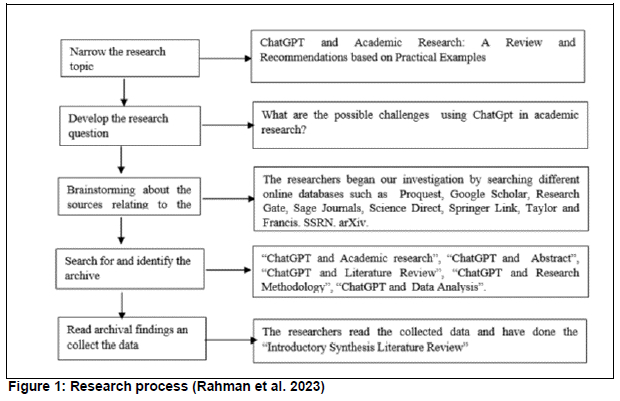
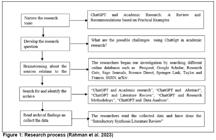
The intricate interplay of AI with the research process necessitates an acute awareness of technological capabilities and limitations. Moreover, researchers' reflexive, reflective and positional acumen becomes paramount in navigating the research odyssey with AI tools, as supported by Grossmann et al. (2023) and Rahman et al. (2023). Given AI's current limitations in executive and high-order cognitive functions essential for research, the scholarly community is impelled to delineate guidelines for the judicious application of AI tools, notably ChatGPT, in research and publication realms, as illustrated in figure 1: Research process (Rahman et al. 2023).
Bhosale (2023) advocates a judicious amalgamation of AI technologies and human intellect to enhance research and academic discourse. This integration, she posits, necessitates leveraging human capacities for knowledge, critical thinking, and judgment to refine the research process, potentially accelerating research outcomes and amplifying scholarly output.
In an innovative contribution to the field (figure 1: Research process), Rahman et al. (2023) elucidate a comprehensive research process flow that amalgamates the application of AI tools with traditional databases. Their empirical study offers a pragmatic demonstration of ChatGPT's utility in the research continuum. It covers various activities, from topic refinement and research question development to sourcing and analysing relevant literature. This process underscores the pivotal role of AI in streamlining the research methodology while highlighting the indispensability of human oversight in ensuring the integrity and depth of scholarly inquiry. The discourse surrounding the integration of AI into academic research presents a multifaceted narrative that juxtaposes the technological prowess of AI tools against the backdrop of inherent limitations and ethical considerations. The collective scholarship underscores a compelling need for a balanced approach that harmonises the strengths of AI with the irreplaceable value of human critical engagement. As the academic community navigates this evolving landscape, the imperative for establishing robust frameworks for Al's application in research becomes increasingly salient, promising a future where AI and human intellect coalesce to foster innovation and enhance the rigour of academic exploration.
Amid the research on the role of AI in the research process discourse, the advent of AI in academic research has notably transformed methodologies across various disciplines, including the way literature reviews are conducted. A significant advantage highlighted in multiple studies is Al's ability to manage vast amounts of data efficiently (Duan, Edwards and Dwivedi, 2019; Dwivedi et al., 2021; Chowdhury et al., 2023; Gill et al., 2022; Bhullar, Joshi & Chugh 2024). For instance, Smith and Doe (2020) demonstrate how AI can quickly sift through thousands of articles, identifying relevant studies more accurately than traditional keyword-based searches. This demonstrates the capability of AI on a single element in the literature review process.
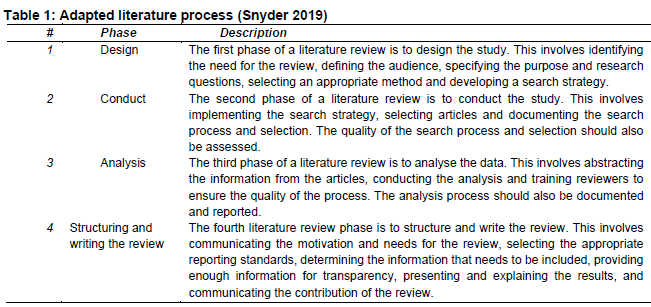
Similarly, a model for assessing the literature review quality (Snyder 2019) in table 1 is adapted to investigate the application of AI tools to the literature review process. Recent studies support the adaptation of Snyder's literature review model to investigate the application of AI tools in the literature review process outlined in table 1: Adapted literature process (Donthu et al. 2021; Kraus et al. 2022; Paul et al. 2021; Paul & Criado 2020; Ibn-Mohammed et al. 2021; Lim, Kumar & Ali 2022; Kumbure et al. 2022; Sima et al. 2020). Fasterholdt et al. (2022) introduce a model for assessing the value of artificial intelligence in medical imaging, demonstrating the potential of adapting existing models like Snyder's to evaluate AI tools in specific domains (Fasterholdt et al. 2022). Similarly, Van Dijk et al. (2023) discuss the benefits of using AI in systematic reviews when appropriately applied, emphasising the importance of integrating AI tools effectively into research processes (Van Dijk et al. 2023). These studies highlight the significance of incorporating AI technologies into established models like Snyder's to enhance the efficiency and quality of literature review processes.
Embarking on a scholarly inquiry through a literature review necessitates a meticulous table 1 phased approach that aligns with established academic rigour and methodological precision. This inquiry commences with the critical design phase, a process meticulously articulated by Bahadoran et al. (2020), which mandates the delineation of the review's necessity, the identification of the target audience, the specification of the study's objectives and guiding research questions, the selection of a methodologically sound approach and the formulation of a robust search strategy. This foundational phase sets the tone for the review, ensuring it is purposeful and methodically grounded.
Subsequently, the design phase in table 1 is the execution stage, wherein the search strategy is operationalised. This entails a systematic selection of articles and a thorough assessment of both the search process and the criteria for article selection, as expounded by Fazilatfar, Elhambakhsh & Allami (2018). The rigour with which articles are chosen and evaluated underpins the integrity of the literature review, safeguarding against biases and ensuring a comprehensive synthesis of relevant scholarly work.
In table 1 the analytical phase follows, extracting and synthesising information from the selected articles. This stage, detailed by Fazilatfar et al. (2018), involves a nuanced analysis of the gathered data, undergirded by a commitment to maintaining the highest standards of analytical quality. In this phase, the thematic contours of the literature review begin to crystallise, offering insightful delineations of the research domain.
Culminating the literature review process is the phase of structuring and articulating the review. The final stage in table 1 transcends mere reportage; it demands a cogent communication of the review's underpinning motivation, adherence to appropriate reporting standards, eloquent presentation of findings and a clear articulation of the review's scholarly contribution. This phase embodies the synthesis of the literature review's comprehensive exploration, encapsulating the insights gleaned and positioning them within the broader academic discourse.
In augmenting the literature review process through innovative methodologies, this study envisages the application of AI as elucidated through a case study approach (Rahman et al. 2023). Following the procedural framework proposed by Snyder (2019), as in table 1, this investigation endeavoured to integrate AI tools in streamlining the literature review process. This integration seeks not only to enhance efficiency and precision in the literature review process, but also to explore the potentialities and limitations of AI in augmenting academic research methodologies.
The study aimed to transcend traditional literature review paradigms, interrogating the intersections of AI and scholarly inquiry with a critical eye towards both the facilitation and the fidelity of academic rigour. This exploration is poised to contribute to the evolving dialogue on the role of AI in research, situating itself at the nexus of methodological innovation and scholarly integrity.
3 Research methodology
In the present scholarly endeavour, a rigorous case study methodology is adopted to meticulously explore the integration of AI tools within the literature review process. This approach is predicated on establishing covariational evidence, a concept elucidated by Colantonio et al. (2021), which facilitates the examination of discrete units of evidence and their extrapolation to broader contexts. This methodological framework enables a nuanced exploration of the transformative potential of generative AI, both in research-specific contexts and broader scholarly contexts.
4 Population
The investigator serves as the primary subject within this case study, meticulously documenting the procedural execution and evidentiary basis of each step within the literature review process in alignment with the methodological insights offered by Paradis et al. (2016). This introspective approach allows for a detailed account of the experiential and operational dimensions of utilising AI in scholarly inquiries.
5 Study design
Purposeful identification of AI tools that augment the literature review process constitutes the core of the study design. This strategic selection, informed by Campbel (2020), involves a reflective recording of the researcher's engagements with these AI instruments, thus providing a personalised narrative on the efficacy and challenges of these tools in facilitating the literature review process.
6 Instrumentation
The instrument is designed to answer research question 1: (RQ1) "Which AI tools stand at the forefront of literature review processes" and research question 2: (RQ2) "How can their application transcend mere assistance to redefine the essence of academic inquiry?"
For the initial research question, we adapt the four-phase literature review framework proposed by Colantonio et al. (2021). This adaptation involves the strategic selection of AI web applications poised to enhance each phase of the literature review, with a particular focus on tools that are freely accessible, thereby ensuring the replicability and accessibility of the research process.
The second question is answered by identifying the affordances of the AI tools identified for the execution of the literature review process.
7 Data collection
Employing a case study design, our data collection transcends traditional methodologies, incorporating documentary analysis and grey literature to ensure a comprehensive and multifaceted exploration of the subject matter (de Moraes, da Silva & de Oliveira 2020). This approach facilitates an in-depth understanding of the nuanced interplay between AI tools and the literature review process, yielding profound and actionable insights.
8 Phases of the literature review process
Phase 1: Design
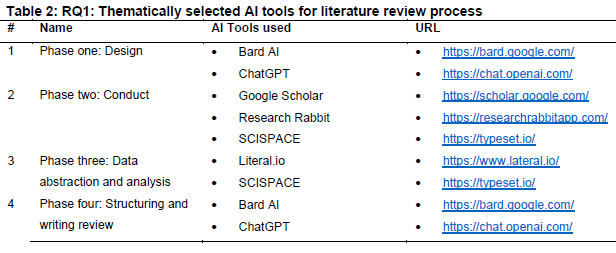
The initial phase involves the deliberate selection of AI tools, such as Bard AI and ChatGPT, which are instrumental in formulating research questions, devising search strategies and outlining data analysis methodologies (Colantonio et al. 2021).
Phase 2: Conduct
The conduct phase leverages AI tools like Google Scholar and Typeset.ai for the identification of pertinent literature, abstraction of data and the subsequent analysis of findings (Colantonio et al. 2021).
Phase 3: Data abstraction and analysis
This phase engages AI applications, including Typeset.ai and Literal.io, to streamline data extraction from selected papers and facilitate a nuanced analysis of the collated information (Colantonio et al. 2021).
Phase 4: Structuring and writing the review
The culmination of the literature review process involves using AI tools such as Bard AI and ChatGPT to assist in structuring the review and articulating a comprehensive synthesis of the findings and their broader implications (Colantonio et al. 2021).
This methodological exposition aims not merely to demonstrate the application of AI tools in enhancing the literature review process, but also to critically evaluate their impact on scholarly research methodologies, thus contributing to the ongoing discourse on the role of technology in academic inquiry.
9 Ethical considerations
In this case study, evaluating the research practices of the author, several key ethical considerations were meticulously outlined and implemented to ensure the integrity of the research and the protection of participants. First and foremost, the Cape Peninsula University of Technology (CPUT) oversaw the approval process, ensuring that all participants were well informed about the objectives, data collection methods and reporting mechanisms before giving their informed consent.
To safeguard privacy and maintain confidentiality, the research abstained from using real names of either the institutions or the participants involved. Instead, pseudonyms were employed that reflected the demographic backgrounds of the subjects without revealing their identities. The survey was conducted anonymously by the institutions, further protecting participant information.
Participants were granted full autonomy over their involvement, with the option to withdraw or refrain from having their interviews recorded at any stage of the research. This respect for personal autonomy was a critical component of the study's ethical framework.
The research process was rigorously evaluated to avoid any errors or omissions, and a strict no-tolerance policy towards data fabrication, falsification or misrepresentation was upheld to preserve the integrity of the research outcomes. Respect for intellectual property and human dignity was paramount, requiring explicit informed consent for the release of any data or findings.
Additionally, the study was designed to promote social good and prevent social harm, ensuring social accountability. Measures were in place to eliminate bias in experimental design, data processing, interpretation, and reporting, thereby maintaining objectivity and enhancing the reliability of the research conclusions. By adhering to these ethical principles, the research aimed to contribute meaningful insights while upholding the highest standards of research ethics.
10 Discussion of the results
The principal finding from this scholarly investigation indicated that AI significantly mitigates the administrative exigencies inherent in the reflective and reflexive processes characteristic of conducting literature reviews. AI reduces the research administrative burden by automating routine tasks and streamlining data management processes. Moreover, AI augments the researcher's administrative efficiency within the literature review process. This revelation was derived through a systematic evaluation of various AI tools' capabilities within a predefined literature review model. The significance of this discovery lies in its demonstration that AI tools not only alleviate the administrative burden, but also potentially enhance the precision levels in pattern identification within academic texts.
RQ1: Which AI tools stand at the forefront of literature review processes?
The articulation of this finding was corroborated by the systematic application of AI tools across distinct phases of the literature review process, as delineated in table 2. The evaluation encompassed deploying AI applications such as Bard AI and ChatGPT in the design phase, extending through Google Scholar and Typeset.ai to conduct the review to Literal.io and SCISPACE for data abstraction and analysis. The culmination of this process involved structuring and drafting the literature review utilising Bard AI, Google Scholar, Research Rabbit, SCISPACE, Literal and ChatGPT, as outlined in table 2. This phased utilisation of AI tools underscores their instrumental role in streamlining the literature review process, enhancing its efficiency and comprehensiveness.
RQ2: How can their application transcend mere assistance to redefine the essence of academic inquiry? Phase One: Design
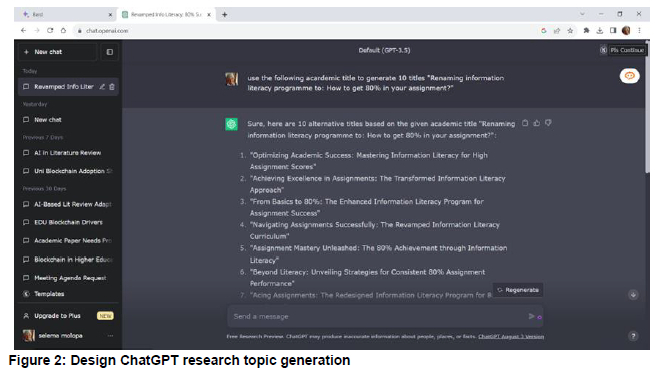
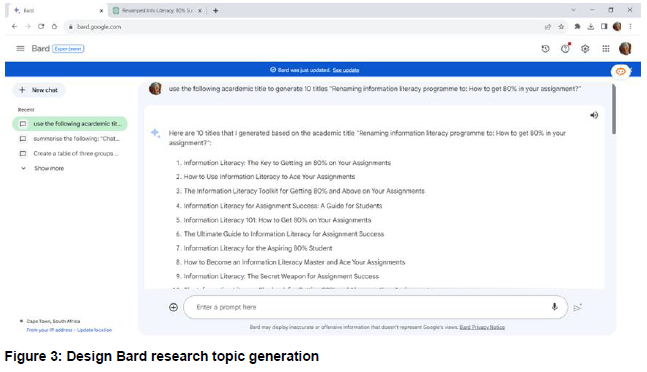
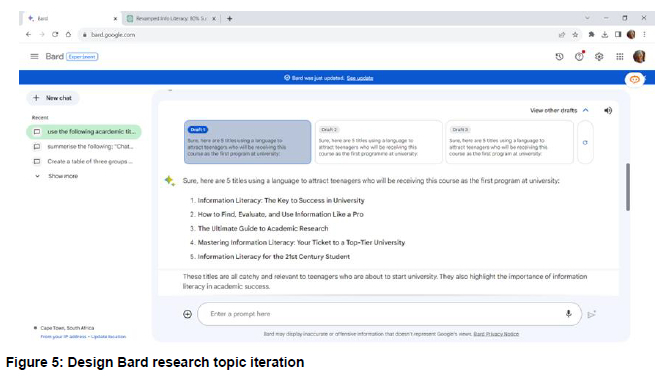
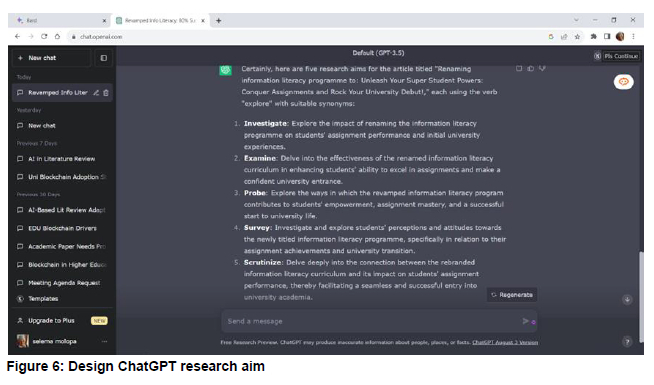
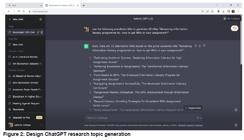
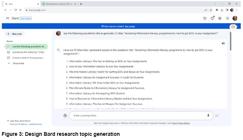
In figures 2 and 3, the design phase, a preliminary topic of the study is used to ideate potential study topics. In this phase, Bard AI and ChatGPT are used to generate potential topics for the research to identify the wording that best represents the inquiry to be embarked upon.
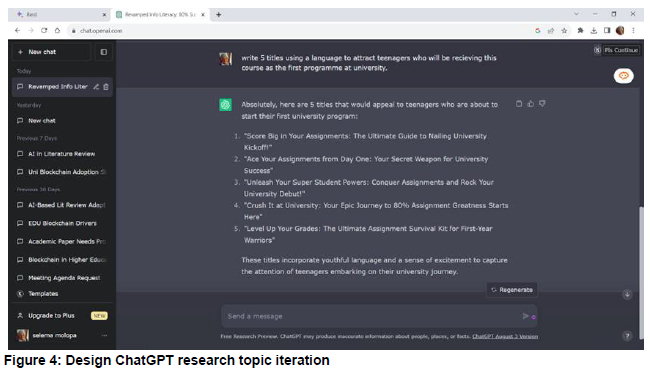
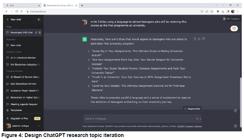
In figures 4 and 5, the iteration process includes using AI language models to target the specific audience targeted by the researcher's topic.
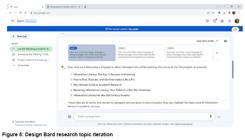
For each prompt given to Bard AI, the model provides three potential answers. This process reduces the language command barrier for the researcher and potentially levels the playing field for writing, particularly for non-first-language English speakers.
The following instruments yielded the following supporting findings.
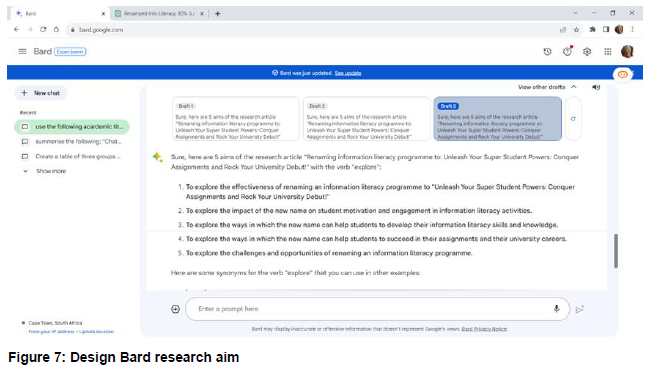
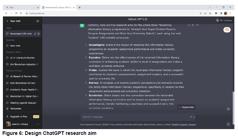
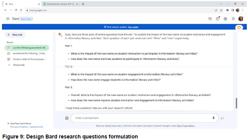
Cronje's (2020) approach to structuring the aim of the study was used to develop a prompt for both ChatGPT and Bard AI, as shown in figures 6 and 7, respectively.
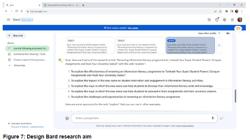
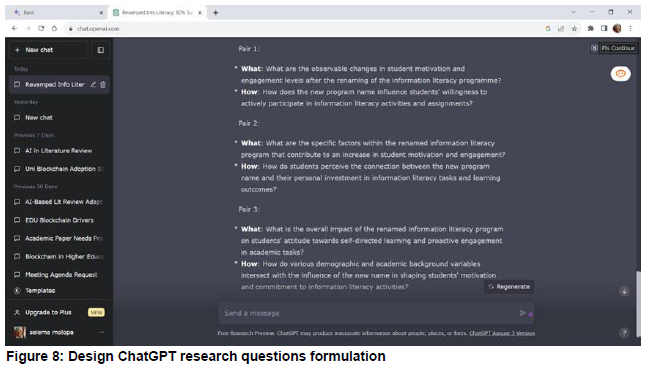
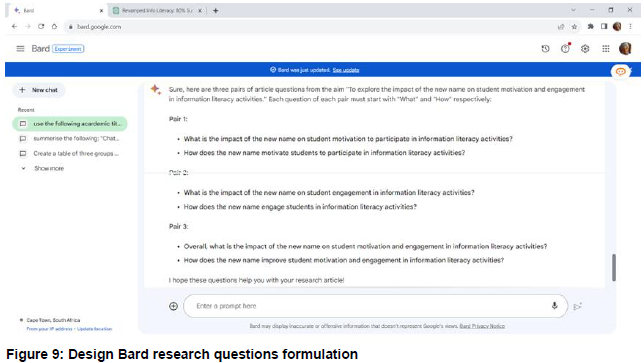
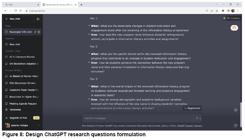
The prompt used in figure 8 for ChatGPT and in figure 9 for Bard AI was to write three pairs of article questions with the aim "To explore the impact of the new name on student motivation and engagement in information literacy activities." Each question of each pair must start with "What" and "How", respectively. The results showed the pairs of questions generated based on the aim, as proposed by (Cronje 2020). This process allows the researcher to focus on the accuracy of their scholarly communication and contribution intent.
Phase 2: Unveiling nuances in AI search capabilities for literature reviews
This section delves deeper into analysing AI tools' search functionalities within the literature review process. It moves beyond mere descriptions of search results to critically examine each tool's efficacy in navigating academic databases.
Evaluating AI search capabilities
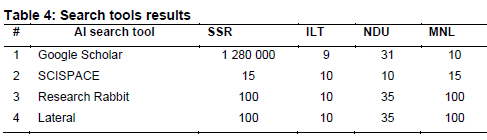
This study introduces a standardised coding scheme to facilitate a more nuanced understanding of AI search functionalities (table 3). This framework allows researchers to assess key search capabilities like retrieved results (SRR), prioritisation of specific keywords within initial results (ILT), number of databases used (NDU) and maximum listings per page (MNL). Applying this framework to the data in table 4 allows for a comprehensive comparison of search functionalities across different AI tools.
Evaluating search accuracy and keyword prioritisation
One key aspect of this investigation involved assessing the AI tools' ability to identify and prioritise relevant keywords. A test sentence, "To explore how the new name can help students to develop their information literacy skills and knowledge" was used to evaluate search accuracy. While all tools retrieved results containing all search terms, Google Scholar demonstrated a higher degree of keyword prioritisation, with nine out of the first ten results in its 1 280 000-result set featuring "information literacy" in the title (table 4). This suggests Google Scholar's potential for delivering more focused and relevant search outcomes.
Beyond open access: examining Paywall accessibility
The analysis further revealed a crucial distinction in access to scholarly literature. While Google Scholar reigns supreme in open access resources, SCISPACE, Research Rabbit and Lateral exhibited varying degrees of access to content behind paywalls. This highlights the need for researchers to consider the trade-off between comprehensiveness and affordability when selecting an AI tool for their literature review needs. Tools with access to paywalled content may offer a more exhaustive search, but affordability might be a concern.
Conclusion: a multifaceted approach to Al-powered literature review
This investigation underscores the importance of considering multiple factors when evaluating AI tools for literature reviews. Search accuracy, keyword prioritisation, access to paywalled content and search engine functionalities all play a crucial role in optimising the research process. By adopting a critical and multifaceted approach, researchers can leverage the strengths of different AI tools to conduct more efficient and comprehensive literature reviews.
Phase 3: Data analysis and data abstraction
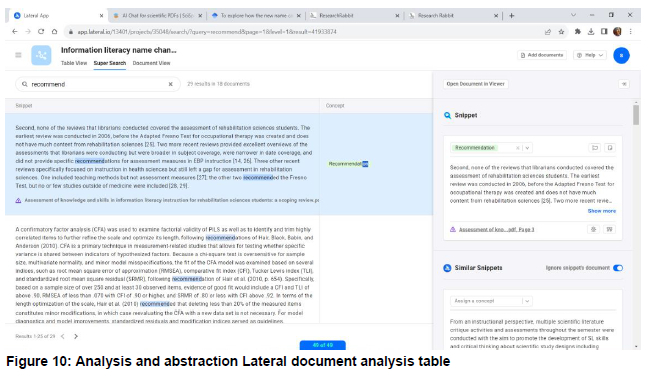
Figure 10 illustrates the process of document analysis using Lateral, encompassing steps such as importing the document, choosing a model for analysis, configuring the analysis, running the analysis and visualising the results.
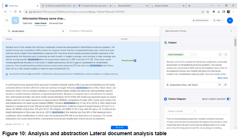
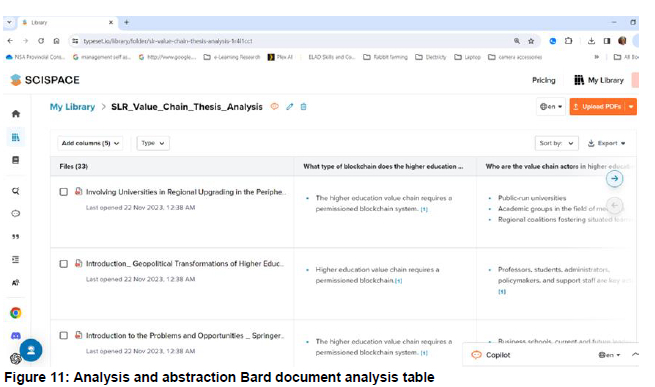
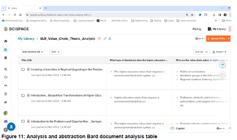
Figure 11 showcases Sciespace's functionality in inserting documents, searching for articles and categorising them based on predefined topics/titles. This facilitates efficient organisation and retrieval of relevant research materials.
Rethinking the literature review: empowering researchers with AI integration
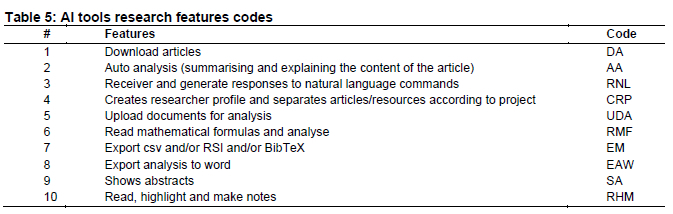
This section delves into the critical role of AI tools in augmenting the literature review process, a cornerstone of academic research. Towards this process, table 5 codes the features that enhance the literature review in the selected four-phased literature review process.
The access asymmetry and its implications
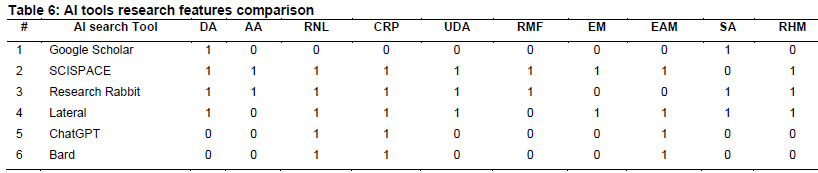
One key challenge is the knowledge asymmetry created by paywalled academic literature. While Google Scholar reigns supreme in open access resources (table 6), its reach in premium publications is limited. Conversely, SCISPACE, Research Rabbit and Lateral bridge this gap by offering access to paywalled content, albeit with a smaller open access collection compared to Google Scholar. This highlights a crucial trade-off: comprehensiveness versus affordability.
Restricted access to paywalled research hinders researchers from uncovering the most impactful studies, potentially leading to incomplete or biased literature reviews. Additionally, the fragmented research landscape, lacking a universally accessible platform, creates hurdles for collaboration and knowledge exchange.
Al: revolutionising the literature review landscape
This research unveiled a more nuanced understanding of AI's potential to revolutionise the literature review process. The analysis of AI tool features (table 6) revealed a diverse range of functionalities, from basic functionalities like downloading articles (DA) to advanced capabilities such as automatic analysis (AA) and responding to natural language commands (RNL).
By employing a feature-based comparison (table 6), we demonstrate the unique strengths of each tool. SCISPACE emerged as the frontrunner, offering the most comprehensive research feature set (41%), followed by Research Rabbit (36%) and Lateral (32%). While dominant in open access content (100% for SA - Shows abstracts), Google Scholar offers limited functionalities beyond basic downloading (9%).
This comprehensive mapping empowers researchers to make informed decisions regarding the most suitable AI tool for specific tasks within the literature review process. The integration of AI demonstrably streamlines research workflows by means of the following:
Reducing administrative burdens: AI tools can automate tasks like article downloading and data extraction, freeing up valuable time for researchers to focus on critical analysis.
Enhancing accuracy and depth of analysis: Features like automatic summarisation (AA) and mathematical formula analysis (RMF) can provide deeper insights into complex research findings.
Facilitating knowledge synthesis: Tools like researcher profile creation (CRP) and note-taking functionalities (RHM) can streamline the organisation and synthesis of information from diverse sources.
The road ahead: a symbiotic future for AI and research
These findings contribute to the evolving discourse on the symbiotic relationship between AI and academic research methodologies. We advocate for a nuanced appreciation of AI's potential to transform traditional research practices. By leveraging AI's strengths for data abstraction and analysis (as evidenced by the superiority of SCISPACE, Research Rabbit and Lateral in this domain), researchers can dedicate their expertise to higher-order tasks like critical thinking, interpretation and knowledge synthesis.
Phase 4: ChatGPT structuring review commands: structuring review
Figures 12 to 17 exemplify the iterative process of structuring reviews and commands using ChatGPT and Bard AI. These commands aid researchers in creating a coherent argument and articulating the study's message effectively.
The findings from this study underscore the significant role of AI in advancing research methodologies, particularly in literature review processes. By streamlining administrative tasks, enhancing analysis accuracy and broadening access to scholarly resources, AI tools empower researchers to engage more deeply with their inquiries, contributing to the ongoing discourse on AI's integration into academic research methodologies.
Synthesis of findings and literature
ChatGPT emerges as a pivotal tool, exhibiting substantial utility across various sectors, including but not limited to medicine, education and research. Its application in medical education and clinical support evidence its potential, yet it is accompanied by accuracy concerns in critical decision-making areas (Boscardin 2023; Mehnen et al. 2023). Its comparative analysis against human performance reveals strengths and improvement areas, particularly in handling specialised or intricate cases (Mehnen et al. 2023).
ChatGPT's contributions to enhancing learning experiences and operational productivity underscore its versatility in education. However, the reliability of content generated by AI tools necessitates expert validation, pointing to the importance of a synergistic relationship between AI tools and human expertise (Han et al. 2023).
11 The quintessential finding
Adapting the literature review process to incorporate AI tools, as identified, and demonstrated within this study, heralds a significant stride towards methodological innovation. This pivotal finding, aligned with the Snyder (2019) model, signifies a methodological advancement by showcasing how AI tools can be strategically employed throughout the literature review process.
12 Empirical data insights
The study identifies a marked reduction in language barriers and administrative burdens within the research process, facilitated by AI tools such as Bard AI, Google Scholar, Research Rabbit, SCISPACE, Literal.io and ChatGPT. These tools support and enhance various research tasks, highlighting the dual nature of ChatGPT's application across different domains. Despite its potential to automate tasks and augment productivity, the limitations in handling complex, nuanced scenarios necessitate a balanced approach to AI tool integration.
13 Conclusion
The findings from this investigation, juxtaposed with the scholarly discourse, delineate Bard AI, Google Scholar, Research Rabbit, SCISPACE, Literal.io, and ChatGPT as frontrunners in the AI-augmented literature review landscape. Their application transcends mere assistance, promising to redefine academic inquiry by enhancing researchers' linguistic proficiency and automating routine tasks, thus streamlining the data management process. This nuanced understanding propels us towards a future where AI tools redefine the contours of academic research methodologies in concert with human expertise.
This research acknowledged some limitations, focused on one discipline, used a single researcher, and only evaluated a specific set of AI tools. These limitations mean the findings may not apply to all fields or AI technologies.
Despite these limitations, the research identified benefits of AI in literature reviews, such as reduced workload and deeper analysis. This suggests a need for changes in academic practices:
Policy changes: Make AI tools standard for literature reviews.
Training and resources: Train researchers on using these tools effectively.
Continuous adaptation: Evaluate and adapt AI tools to fit research needs and ethical standards.
References
2 Literature review
- Alser, M. & Waisberg, E. 2023. Concerns with the usage of ChatGPT in academia and medicine: a viewpoint. American Journal of Medicine Open, 9: 100036.
- Alshater, M. 2022. Exploring the role of artificial intelligence in enhancing academic performance: a case study of ChatGPT. https://ssrn.com/abstract=4312358
- Asan, O. & Choudhury, A. 2021. Research trends in artificial intelligence applications in human factors health care: mapping review. JMIR Human Factors Journal, 8(2): e28236.
- Bhatnagar, S., Cotton, T., Brundage, M., Avin, S., Clark, J., Toner, H., Eckersley, P., Garfinkel, B., Dafoe, A., Scharre, P., Zeitzoff, T., Filar, B., Anderson, H., Roff, H., Allen, G.C., Steinhardt, J., Flynn, C., Héigeartaigh, S.Ó., Beard, S., Belfield, H., Farquhar, S., Lyle, C., Crootof, R., Evans, O., Page, M., Bryson, J., Yampolskiy, R. & Amodei, D. 2018. The malicious use of artificial intelligence: forecasting, prevention, and mitigation authors are listed in order of contribution design direction.
- Bhosale, U. 2023. Limitations of DeepL write and ChatGPT in scholarly editing: how human editors overpower AI tools. Enago. https://www.enago.com/academy/limitations-of-deepl-write-chatgpt-editing/
- Boscardin, C.K. 2023. ChatGPT and generative artificial intelligence for medical education: potential impact and opportunity. Academic Medicine.
- Bubeck, S., Chandrasekaran, V., Eldan, R., Gehrke, J., Horvitz, E., Kamar, E., Lee, P., Lee, Y.T., Li, Y., Lundberg, S., Nori, H., Palangi, H., Ribeiro, M.T. & Zhang, Y. 2023. Sparks of artificial general intelligence: early experiments with GPT-4. [Online] http://arxiv.org/abs/2303.12712 (8 August 2023).
- Bhullar, P.S., Joshi, M. & Chugh, R. ChatGPT in higher education - a synthesis of the literature and a future research agenda. Education and Information Technologies.
- Campbel, S. 2020. Education and curriculum reform: the impact they have on learning. Budapest International Research and Critics in Linguistics and Education (BirLE) Journal, 3(2): 1074-1082.
- Chen, L., Chen, P. & Lin, Z. 2020. Artificial intelligence in education: a review. IEEE Access, 8: 75264-75278.
- Chowdhury, S., Dey, P., Joel-Edgar, S., Bhattacharya, S., Rodriguez-Espindola, O., Abadie, A. & Truong, L., 2023. Unlocking the value of artificial intelligence in human resource management through AI capability framework. Human Resource Management Review, 33(1): 100899.
- Chubb, J., Cowling, P. & Reed, D. 2022. Speeding up to keep up: exploring the use of AI in the research process. AI and Society, 37(4): 1439-1457.
- Dwivedi, Y.K., Hughes, L., Ismagilova, E., Aarts, G., Coombs, C., Crick, T., Duan, Y., Dwivedi, R., Edwards, J., Eirug, A. & Galanos, V. 2021. Artificial intelligence (AI): multidisciplinary perspectives on emerging challenges, opportunities, and agenda for research, practice and policy. International Journal of Information Management, 57: 101994.
- Fasterholdt, I., Naghavi-Behzad, M., Rasmussen, B.S.B., Kj0lhede, T., Skj0th, M.M., Hildebrandt, M.G. & Kidholm, K. 2022. Value assessment of artificial intelligence in medical imaging: a scoping review. BMC Medical Imaging, 22(1).
- Fazilatfar, A.M., Elhambakhsh, S.E. & Allami, H. 2018. An investigation of the effects of citation instruction to avoid plagiarism in EFL academic writing assignments. Sage Open.
- Gill, S.S., Xu, M., Ottaviani, C., Patros, P., Bahsoon, R., Shaghaghi, A., Golec, M., Stankovski, V., Wu, H., Abraham, A. & Singh, M. 2022. AI for next generation computing: emerging trends and future directions. Internet of Things, 19: 100514.
- Gozalo-Brizuela, R. & Garrido-Merchan, E.C. 2023. ChatGPT is not all you need. A state of the art review of large generative AI models. [Online] https://arxiv.org/abs/2301.04655v1 (8 August 2023).
- Grossmann, I., Feinberg, M., Parker, D.C., Christakis, N.A., Tetlock, P.E. & Cunningham, W.A. 2023. AI and the transformation of social science research. Science, 380(6650): 1108-1109. [Online] https://www.science.org/doi/10.1126/science.adi1778 (8 August 2023).
- Han, Z., Battaglia, F., Udaiyar, A., Fooks, A. & Terlecky, S.R. 2023. An explorative assessment of ChatGPT as an aid in medical education: use it with caution. Medical Teacher, 46(5): 657-664.
- Ibn-Mohammed, T., Mustapha, K.B., Godsell, J., Adamu, Z., Babatunde, K.A., Akintade, D.D. & others. 2021. A critical analysis of the impacts of COVID-19 on the global economy and ecosystems and opportunities for circular economy strategies. Resources, Conservation and Recycling, 164: 105169.
- IFLA. 2022. IFLA Trend report: advances in artificial intelligence. https://trends.ifla.org/literature-review/advances-in-artificial-intelligence
- Javaid, M., Haleem, A., Singh, R.P., Khan, S. & Khan, I.H. 2023. Unlocking the opportunities through ChatGPT Tool towards ameliorating the education system. BenchCouncil Transactions on Benchmarks, Standards and Evaluations, 3(2): 100115.
- Kraus, S., Breier, M., Lim, W.M., Dabic, M., Kumar, S., Kanbach, D., Mukherjee, D., Corvello, V., Piñeiro-Chousa, J., Liguori, E. & others. 2022. Literature reviews as independent studies: guidelines for academic practice. Review of Managerial Science, 16(8): 2577-2595.
- Kumbure, M.M., Lohrmann, C., Luukka, P. & Porras, J. 2022. Machine learning techniques and data for stock market forecasting: a literature review. Expert Systems with Applications, 197: 116659.
- Lim, W.M., Kumar, S. & Ali, F. 2022. Advancing knowledge through literature reviews: 'what', 'why', and 'how to contribute'. The Service Industries Journal, 42(7-8): 481-513.
- Lindley, J., Green, D.P., McGarry, G., Pilling, F., Coulton, P. & Crabtree, A. 2023. Towards a master narrative for trust in autonomous systems: trust as a distributed concern. Journal of Responsible Technology, 13: 100057.
- Mehnen, L., Gruarin, S., Vasileva, M. & Knapp, B. 2023. ChatGPT as a medical doctor? A diagnostic accuracy study on common and rare diseases.
- Monteith, S. 2023. Challenges and ethical considerations to successfully implement artificial intelligence in clinical medicine and neuroscience: a narrative review. Pharmacopsychiatry.
- Nguyen, A., Ngo, H.N., Hong, Y., Dang, B. & Nguyen, B.-P.T. 2023. Ethical principles for artificial intelligence in education. Education and Information Technologies, 28: 4221-4241.
- Paradis, E., O'Brien, B., Nimmon, L., Bandiera, G. & Martimianakis, M.A.T. 2016. Design: selection of data collection methods. Journal of Graduate Medical Education, 8(2): 263-264.
- Paul, J. & Criado, A.-R. 2020. The art of writing literature review: what do we know and what do we need to know? International Business Review, 29(4): 101717.
- Paul, J., Lim, W.M., O'Cass, A., Hao, A.W. & Bresciani, S. 2021. Scientific procedures and rationales for systematic literature reviews (SPAR-4-SLR). International Journal of Consumer Studies, 45(4): O1-O16.
- Rahman, M., Terano, H.J.R., Rahman, N., Salamzadeh, A. & Rahaman, S. 2023. ChatGPT and academic research: a review and recommendations based on practical examples. Journal of Education, Management and Development Studies, 3(1): 1-12.
- Ray, P.P. 2023. ChatGPT: a comprehensive review on background, applications, key challenges, bias, ethics, limitations and future scope. [Online] https://doi.org/10.1016/j.iotcps.2023.04.003 (8 August 2023).
- Rudolph, J., Tan, S. & Tan, S. 2023. ChatGPT: bullshit spewer or the end of traditional assessments in higher education? Journal of Applied Learning & Teaching, 6(1).
- Sima, V., Gheorghe, I.G., Subić, J. & Nancu, D. 2020. Influences of the industry 4.0 revolution on the human capital development and consumer behavior: a systematic review. Sustainability, 12(10): 4035.
- Snyder, H. 2019. Literature review as a research methodology: an overview and guidelines. Journal of Business Research, 104: 333-339.
Accepted: 30 August 2024