Aerodynamic Performance of a Topologically Optimised Nose-Wheel Fork of a Light Aircraft Produced By Selective Laser Melting
Abstract
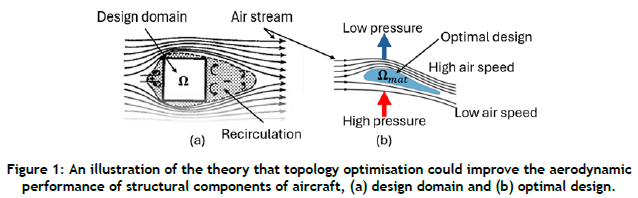
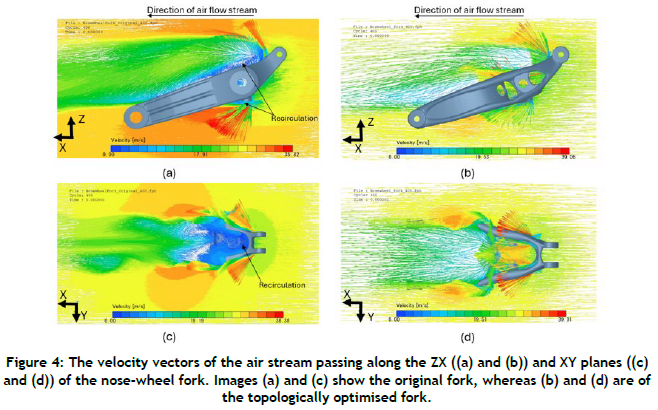
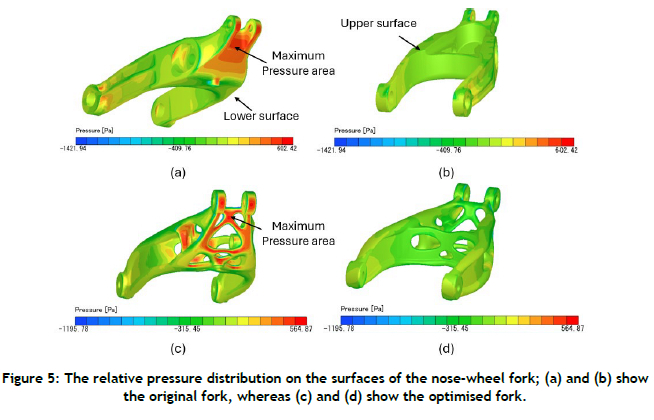
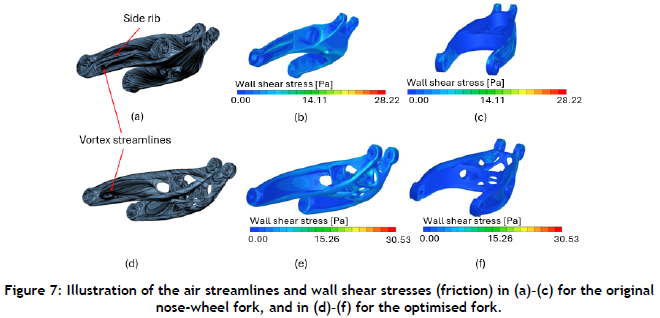
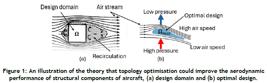
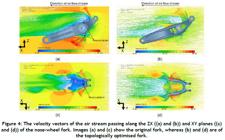
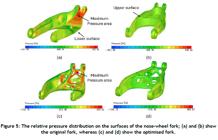
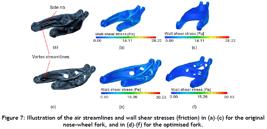
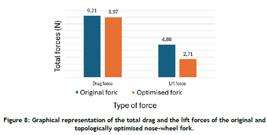
A complex topologically optimised landing gear fork for a light aircraft was fabricated using selective laser melting (SLM). It was hypothesised that the optimised fork would exhibit a unique air flow surface contour that could enhance aerodynamic performance by promoting lift and reducing drag compared with conventionally manufactured components. To test this hypothesis, the aerodynamic behaviour of the nose-wheel fork was investigated using computational fluid dynamics (CFD). Both the SLM-produced optimised fork and a conventionally milled counterpart were analysed to predict lift and drag. The findings provide insight into the potential of topology optimisation to improve the aerodynamic efficiency of aircraft structures.
 Thumbnail
 Thumbnail
 Thumbnail
 Thumbnail
 Thumbnail