Research Landscape and Future Agenda for Health Technology Assessment of Medical Devices in Low- and Middle-Income Countries
Abstract
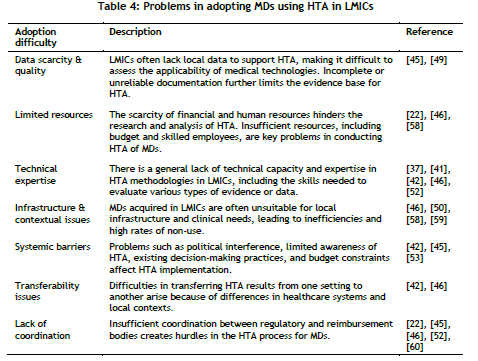
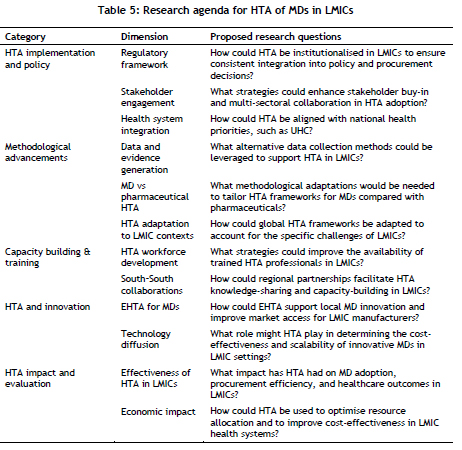
Health technology assessment (HTA) plays a critical role in evaluating medical devices (MDs) in low- and middle-income countries (LMICs), yet its implementation remains limited. This study examines the current research landscape of HTA for MDs in LMICs, and outlines a future agenda to strengthen its role in evidence-informed decision making. It explores the difficulties in MD adoption, the limitations of existing HTA frameworks, and the potential of early HTA (EHTA) to support local innovation. The findings highlight the need for context-sensitive HTA models, regulatory harmonisation, and regional collaborations. Strengthening HTA could enhance MD evaluation, foster local innovation, and improve healthcare sustainability. Future research should focus on developing adaptable evaluation methods that are tailored to resource-limited settings, such as approaches that integrate the early lifecycle assessment of MDs, build institutional capacity, and assess the policy impact of HTA on procurement and equitable access.
 Thumbnail
 Thumbnail
 Thumbnail
 Thumbnail
 Thumbnail
 Thumbnail
 Thumbnail
 Thumbnail