The Toyota production System's fundamental nature at selected South African organisations - a learning perspective
Abstract
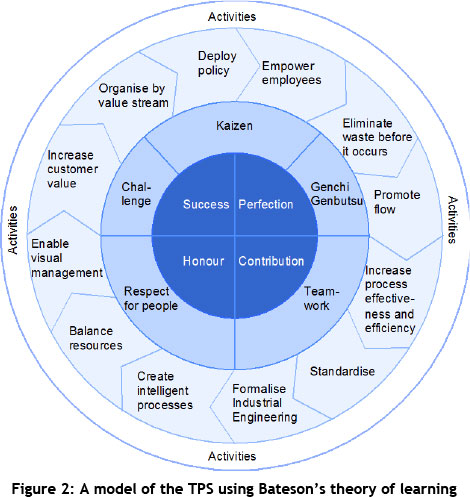
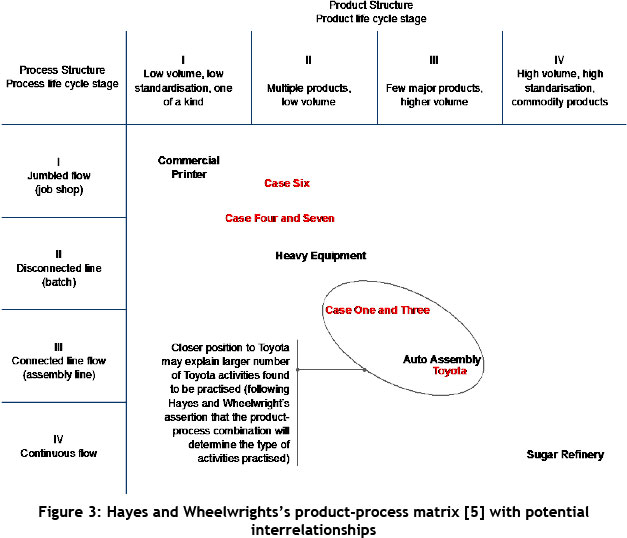
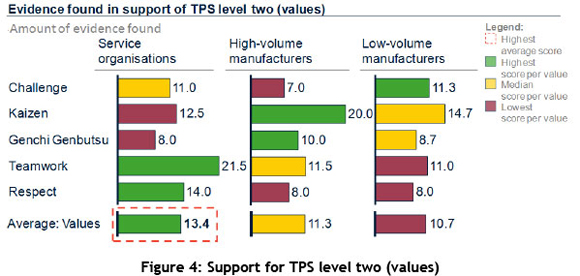
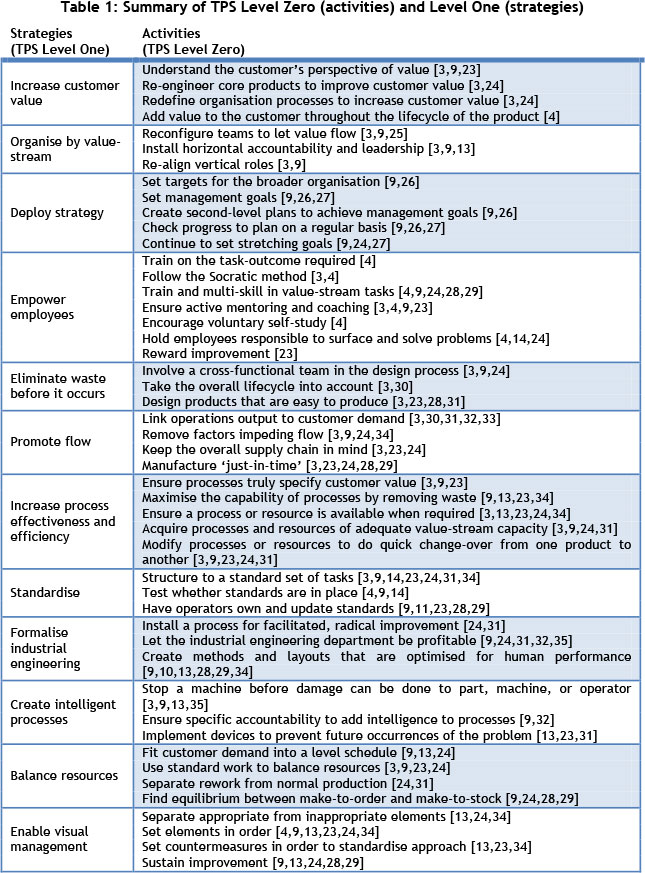
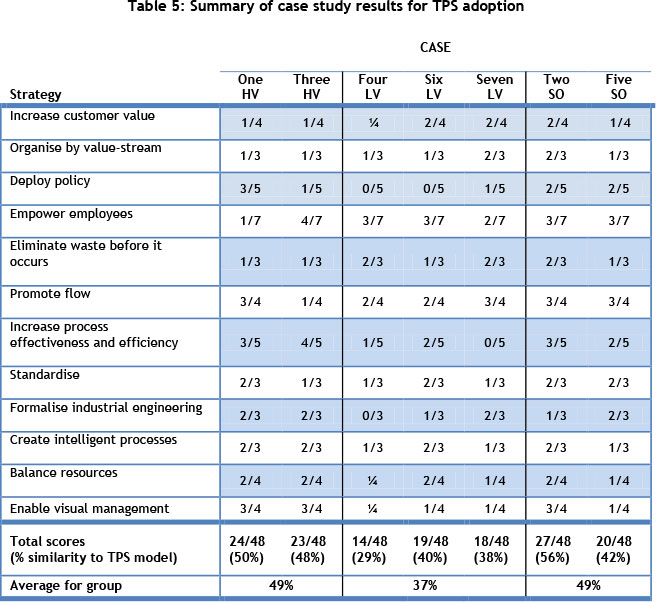
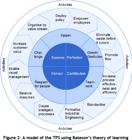
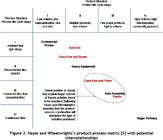
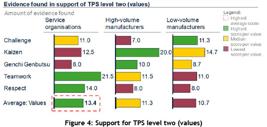
The Toyota Production System (TPS) has been cited as being the pinnacle of continuous improvement approaches in manufacturing organisations, and many models of the TPS are well known. However, some authors question the effectiveness of established approaches, and propose Bateson's theory of learning [1] to be an effective way to explain phenomena like the TPS. This paper investigates the degree to which TPS elements are found in selected South African organisations. It constructs a model of the TPS using Bateson's theory of learning as a framework. The adoption of TPS elements is investigated through multiple qualitative case studies in seven organisations. The analysis follows a clustering and crosscase approach combined with pattern matching. While elements vary in their use, the selected organisations practise the TPS substantially less than the model advocates, with the model being least practised in low volume job/batch manufacturing. Product-process differences and higher levels of the TPS model may clarify peculiar outcomes.
 Thumbnail
 Thumbnail
 Thumbnail
 Thumbnail