Factors that contribute to the use of modularisation in the automotive industry: A survey in Brazil
Abstract
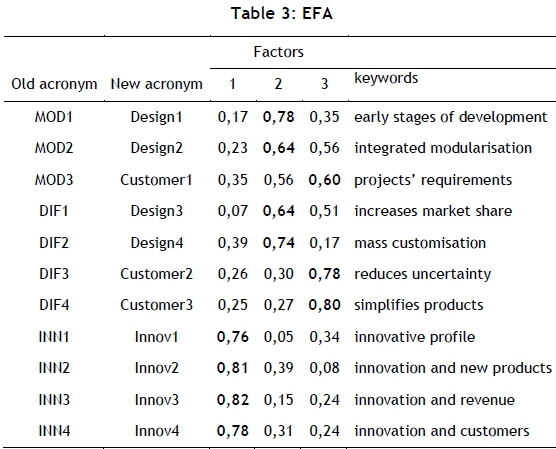
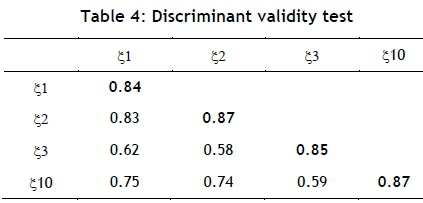
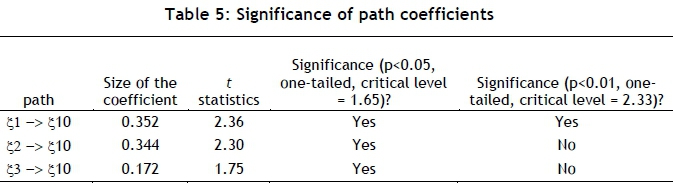
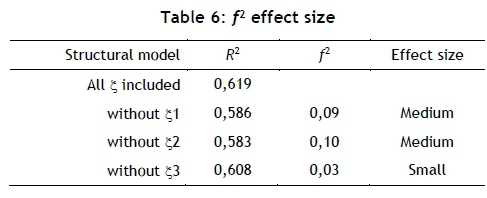
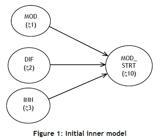
This article aims to verify factors that can contribute to the use of modularisation in the Brazilian automotive industry through a survey methodology, using principal component analysis and structural equation modelling by partial least squares as techniques. We found three types of factors appearing as drivers or precursors of a formal strategy of modularisation: the use and knowledge of individual non-integrated aspects of modularisation, such as modular architecture; the introduction of competition differentials focusing mainly on cost reduction and increase in flexibility, quality, and dependability; and the existence of a business environment prone to innovation. The main conclusion is that elements of modularisation in the design and the need to meet customers' requirements have much more influence in stimulating a formal, articulated modularisation strategy than a business environment prone to innovation.
 Thumbnail
 Thumbnail