The effect of acetone as a post-production finishing technique on entry-level material extrusion part quality
Abstract
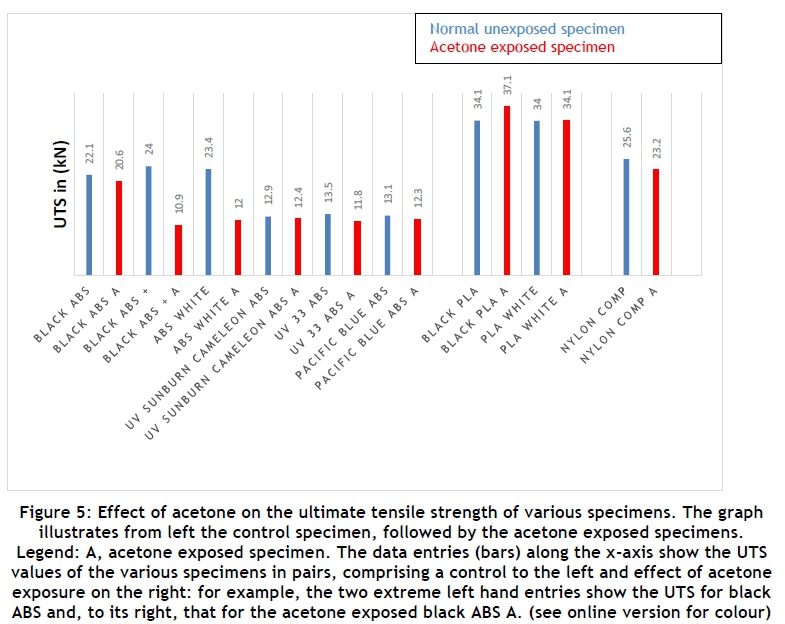
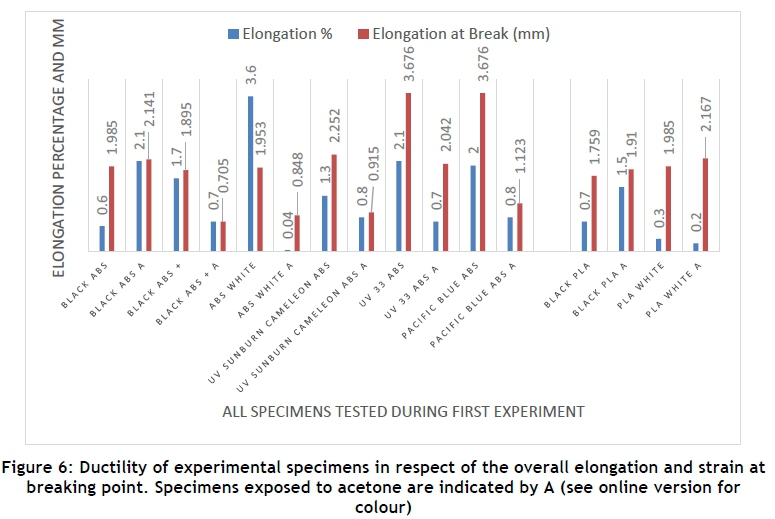
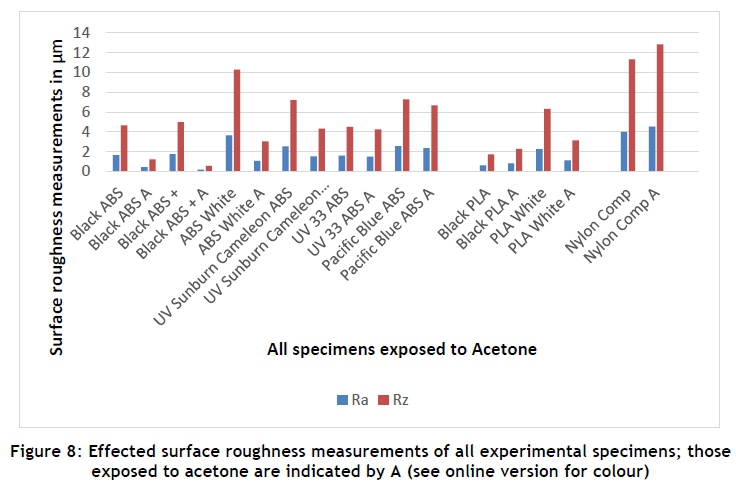
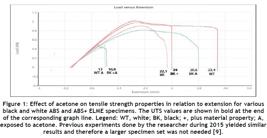
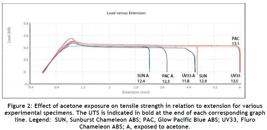
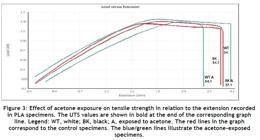
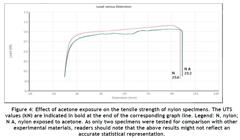
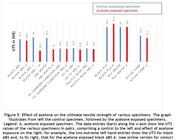
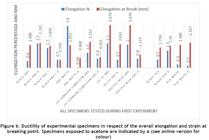
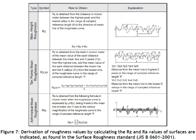
Entry-level material extrusion artefacts persistently suffer from questionable weakened end-product production quality, according to industrial standards. These limitations can be addressed by the development of improved finishing techniques that may narrow the gap between low-cost and high-end production methods in additive manufacturing. In doing so, the technology may become available to a larger spectrum of prosumers who previously were reluctant to use entry-level technology because of these limitations. This article describes the effect that acetone has as a post-production finishing technique for low-cost artefact production. Through a series of quantitative investigations, the study provides evidence that acetone reduces the tensile strength, increases polymer ductility, and significantly reduces the surface profile roughness of thermoplastics such as acrylonitrile butadiene styrene. The potential cost and waste reduction for entry-level manufactured products can then be identified.
 Thumbnail
 Thumbnail
 Thumbnail
 Thumbnail
 Thumbnail
 Thumbnail
 Thumbnail
 Thumbnail
 Thumbnail