Mitigating and Predicting Masonry Failure on Problematic Soils, using Deep-Learning Models
Abstract
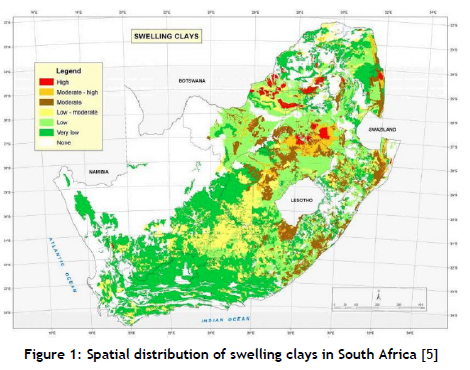
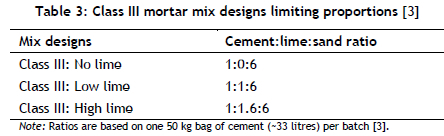
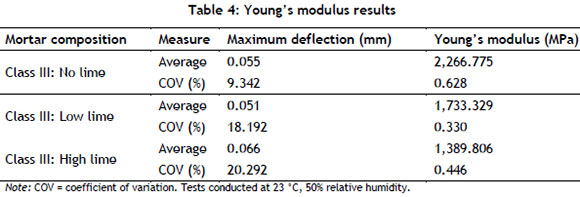
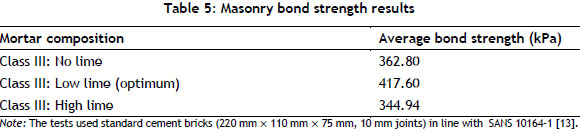
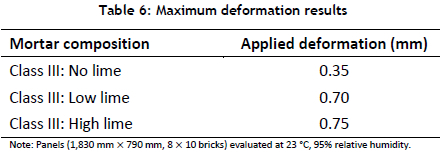
This study, serving as a pilot for a PhD, investigates mortar flexibility for light masonry structures in the Free State province, addressing structural problems caused by differential soil movement because of expansive clay. Using secondary data from a prior study on mortar compositions, this study examines limiting proportions compliant with SANS 10164-1 to enhance sustainability in low-cost single-storey construction. Using machine learning, the research predicts area-specific optimal mortar compositions, leveraging evidence that higher lime and sand content would improve masonry flexibility. This approach would minimise structural deformation, reduce maintenance costs, and extend structural lifespan. The findings provide practical insights for builders and engineers, promoting cost-effective and durable construction practices in difficult soil environments. This pilot study lays the foundation for advancing sustainable building solutions, particularly in regions with expansive clay, by optimising mortar design for enhanced structural resilience.
 Thumbnail
 Thumbnail
 Thumbnail
 Thumbnail
 Thumbnail
 Thumbnail