Feature Analysis of Learner Adaptation across Socio-Economic Divide in South African Public High Schools
Abstract
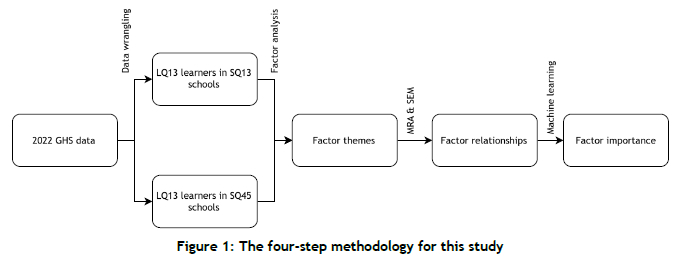
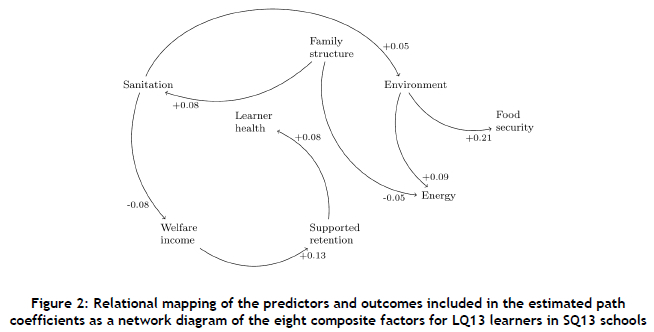
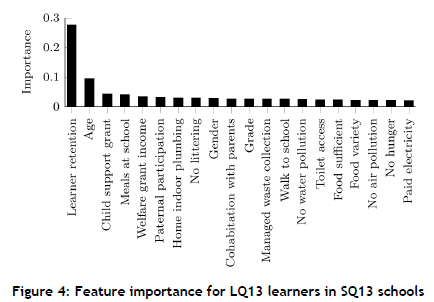
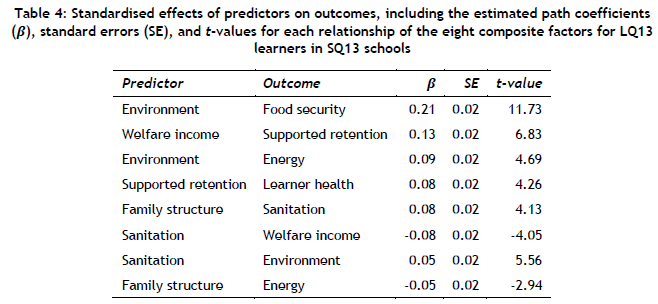
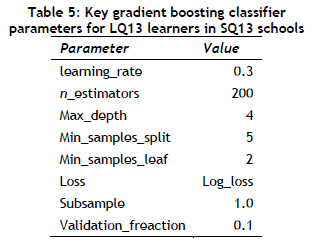
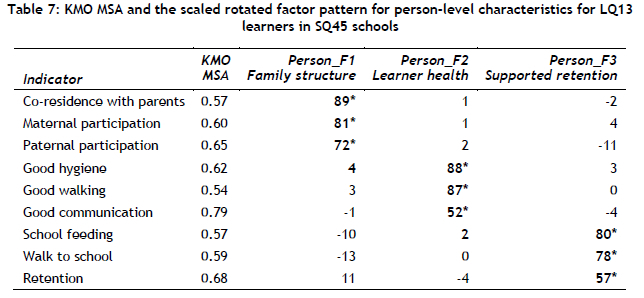
Persistent socio-economic disparities in the South African education system hinder learner progression. This study examines the factors shaping learner adaptation across socio-economic divides in public high schools, focusing on the contrasting experiences of learners from lower-income backgrounds in different school environments. Using data from the 2022 General Household Survey, the study applies factor analysis, multiple regression analysis, structural equation modelling, and machine-learning techniques to identify key determinants of learner progression, such as family structure, supported retention, welfare income, and household conditions. The findings show the significant role of school meals, age-appropriate grade placement, and consistent attendance in academic success. These insights point to the need for targeted, context-sensitive interventions to address the socio-economic barriers to educational achievement in post-apartheid South Africa.
 Thumbnail
 Thumbnail
 Thumbnail
 Thumbnail
 Thumbnail
 Thumbnail
 Thumbnail
 Thumbnail
 Thumbnail