Integrating Interpretive Structural Modelling and Decision-Making Trial and Evaluation Laboratory for the Implementation Strategy of Hydrological Information System and Water Quality, Directorate of Water Resources Engineering, Ministry of Public Works and Public Housing, Indonesia
Abstract
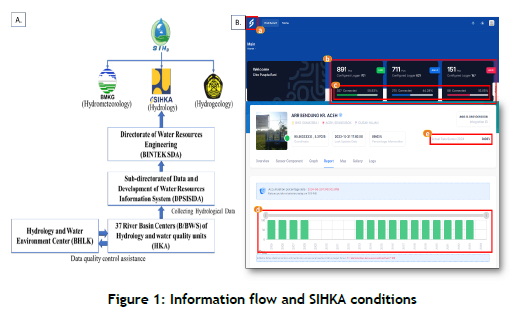
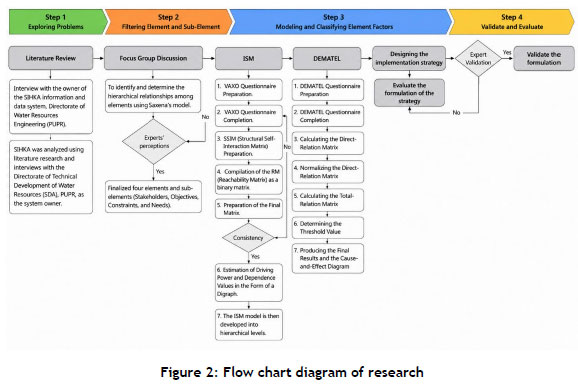
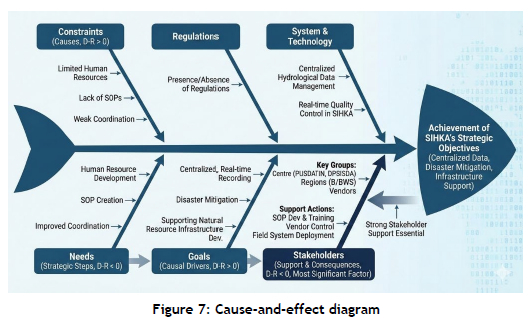
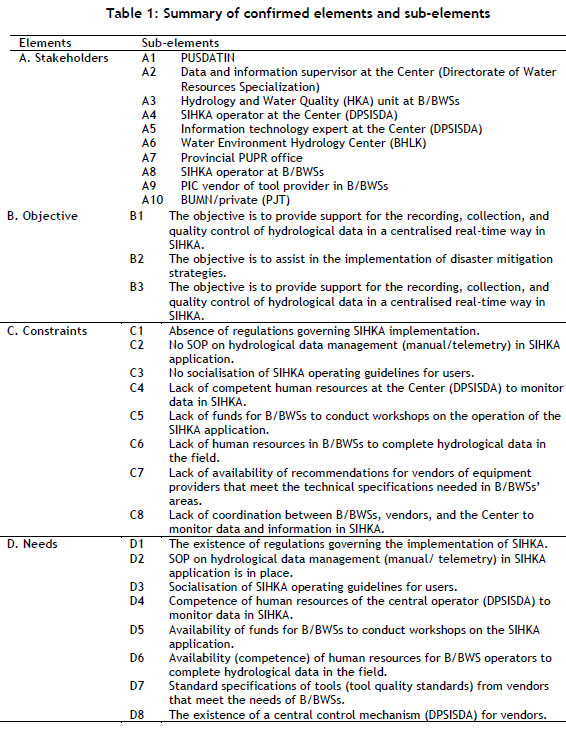
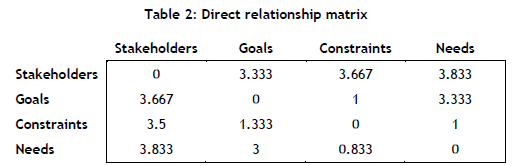
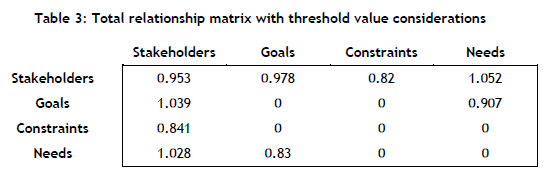
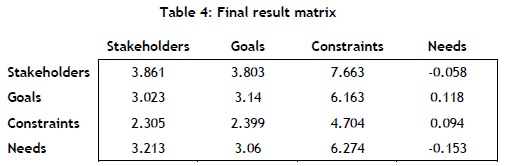
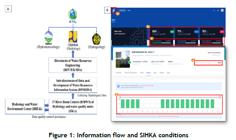
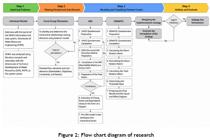
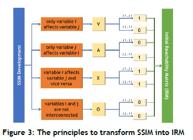
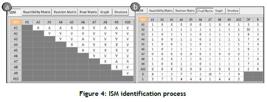
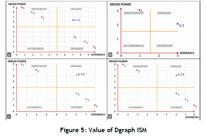
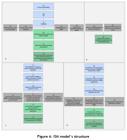
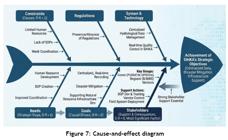
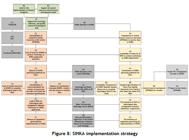
This research aimed to design an implementation strategy for hydrological information system and water quality (SIHKA), a portal managing hydrology and water quality data. SIHKA has been integrated with 37 river basin organisations across Indonesia. Despite being operational, SIHKA's performance was hindered by data complexity and stakeholder dynamics. Using the interpretive structural modelling (ISM) and decision-making trial and evaluation laboratory (DEMATEL) multi-criteria decision-making models, this research identified stakeholders as critical factors, with objectives and constraints serving as causal factors. The integrated approach produced a prioritised, cause-and-effect-based strategy, enabling centralised real-time data management with stakeholder support.
 Thumbnail
 Thumbnail
 Thumbnail
 Thumbnail
 Thumbnail
 Thumbnail
 Thumbnail
 Thumbnail