Remote-Controlled Assistive Robotic Arm for Implementation in Highly Infectious Wards: A Case Study on Tuberculosis
Abstract
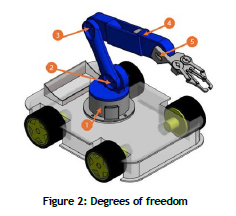
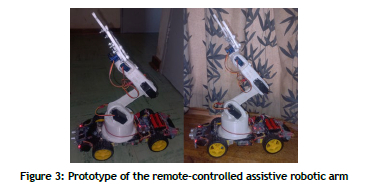
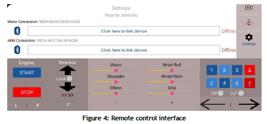
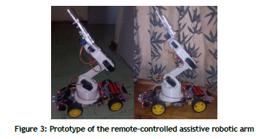
Tuberculosis (TB) wards pose significant risks to healthcare workers (HCWs) owing to airborne Mycobacterium tuberculosis transmission, exacerbated by inadequate ventilation and prolonged exposure. These conditions increase latent TB infection rates and psychological stress, compromising HCW well-being and patient care quality. This paper presents the work completed to develop a five-degrees-of-freedom remote-controlled robotic arm to mitigate these risks in TB wards. Equipped with a Bluetooth interface and real-time camera, the arm enables precise, remote task execution, such as sample collection and equipment handling, minimising direct contact and airborne exposure. Its sterilisable design ensures compliance with infection control protocols. The system was designed to enhance HCW safety, reduce psychological strain, and improve operational efficiency by automating high-risk tasks. This innovation could inform robotic solutions for other infectious disease settings, addressing critical healthcare worker protection and patient care gaps.
 Thumbnail
 Thumbnail
 Thumbnail
 Thumbnail