Aligning industrial engineering education with industry through atomic curriculum manipulation
Abstract
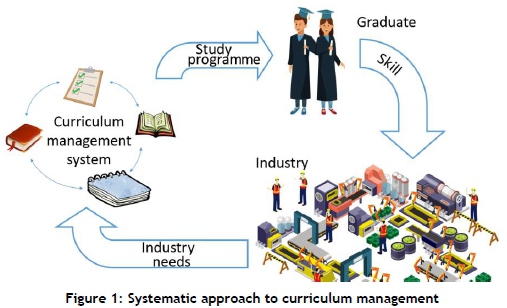
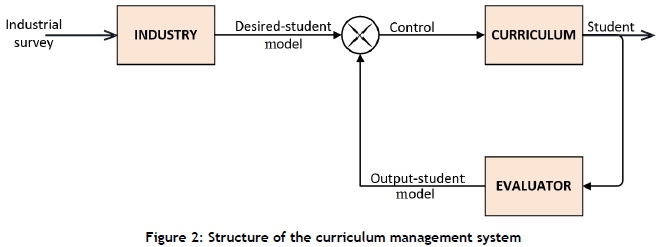
Curriculum is the primary factor that defines the competence and skill level of graduate industrial engineers as these professionals leave university and enter a dynamic industry that is affected by multiple social, economic, environmental, and political issues. If the curriculum is not adaptive, the quality of their education is compromised. This work proposes a rigid-skeleton flexible-body approach in which the architecture of the industrial engineering curriculum is rigid but has the flexibility, at a holistic level, to manipulate micro-components according to the needs of the industry. This work therefore examines the potential for atomic-type curriculum manipulation rather than molecular-type manipulation.
 Thumbnail
 Thumbnail
 Thumbnail
 Thumbnail
 Thumbnail
 Thumbnail