Application of systems engineering concepts to enhance project lifecycle methodologies
Abstract
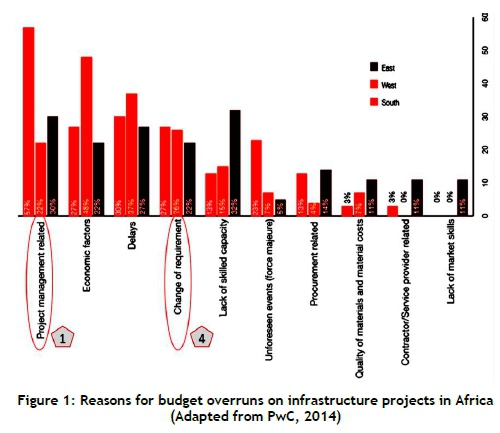
Large Infrastructure Projects (LIPs) drive economic growth through both their construction phase (e.g., job creation) and their successful outcomes (e.g., better services). Numerous and recurrent unsatisfactory outcomes of LIPs indicate that traditional project management has not necessarily kept pace with new developments - especially with the ever-increasing complexity of the projects. Massive costs and schedule overruns on such projects attest to the severity of this problem. Similarly, instances of substantial changes to the initial project scope suggest that modern project management approaches would require enhancements to be applicable and sustainable in the future. Systems engineering, as a discipline and as a way of thinking, is gaining popularity and acceptance in its applications to LIPs. This is due to the benefits emerging from its ability to manage escalating complexity, particularly in large and complex projects such as transportation (e.g. railways, ports), energy, and water infrastructure projects. This article has considered Systems Engineering principles and concepts (e.g., lifecycle, requirements verification and validation) for incorporation by way of enhancements into a holistic project lifecycle model that improves delivery effectiveness.
 Thumbnail
 Thumbnail
 Thumbnail
 Thumbnail
 Thumbnail
 Thumbnail
 Thumbnail