A risk management strategy to identify and prioritise factors affecting industry's carbon tax liability
Abstract
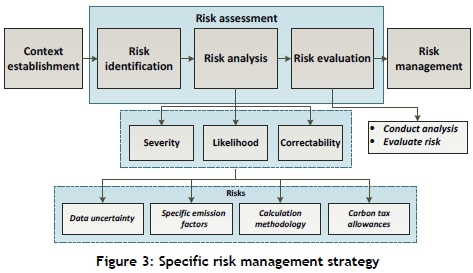
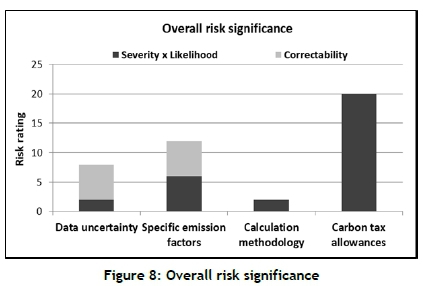
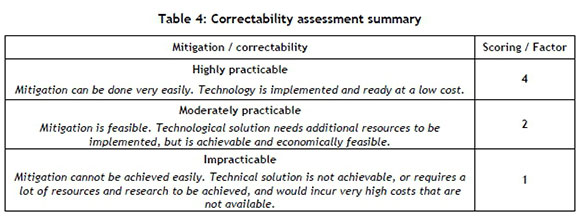
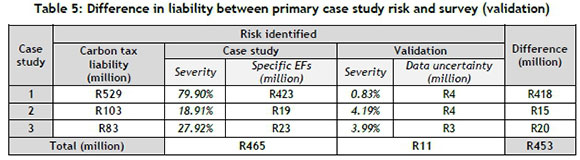
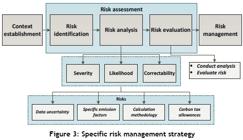
The proposed South African carbon tax system forms part of an extensive structure of strategies aimed at addressing the main challenges of climate change. The system is, however, complex, with various concerns and uncertainties. Industries therefore need to adapt positively in order to ensure their sustainability and competitiveness. This paper presents a risk management strategy for industries to identify and prioritise potential factors affecting the cost of carbon tax. The risk management strategy consists of five phases: 1) establishing the concept, 2) identifying the associated risks, 3) analysing the risks, 4) evaluating the risks, and 5) managing the risks according to relevant international or national standards. The risks are effectively prioritised by evaluating the individual severity, likelihood, and correctability of each risk. The strategy is applied to case studies in the iron and steel, ferrochrome, and cement industries. The combined carbon tax exposure for these case studies is about R453 million. A discussion of the results reveals that the risk management strategy can be used effectively to identify and prioritise carbon tax-associated risks, and further mitigate the potential tax liabilities.
 Thumbnail
 Thumbnail
 Thumbnail
 Thumbnail
 Thumbnail
 Thumbnail
 Thumbnail
 Thumbnail
 Thumbnail