Quantitative and qualitative methods in risk-based reliability assessing under epistemic uncertainty
Abstract
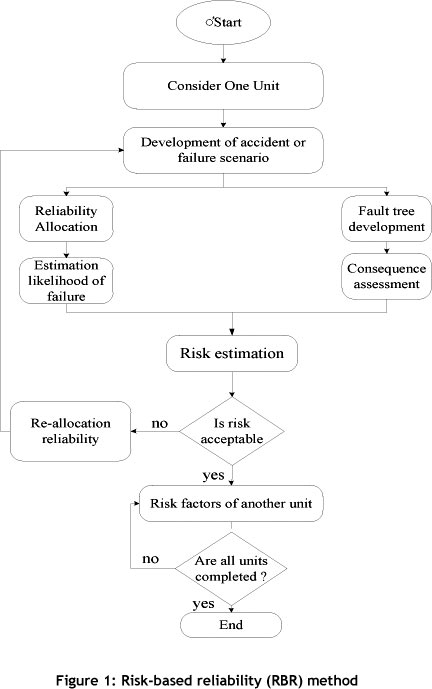
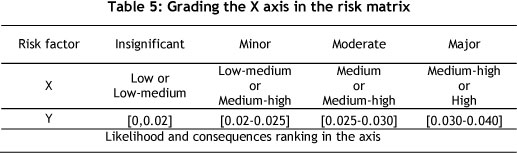
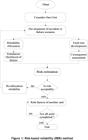
The overall objective of the reliability allocation is to increase the profitability of the operation and optimise the total life cycle cost without losses from failure issues. The methodology, called risk-based reliability (RBR), is based on integrating a reliability approach and a risk assessment strategy to obtain an optimum cost and acceptable risk. This assessment integrates reliability with the smaller losses from failures issues, and so can be used as a tool for decision-making. The approach to maximising reliability should be replaced with the risk-based reliability assessment approach, in which reliability planning, based on risk analysis, minimises the probability of system failure and its consequences. This paper proposes a new methodology for risk-based reliability under epistemic uncertainty, using possibility theory and probability theory. This methodology is used for a case study in order to determine the reliability and risk of production systems when the available data are insufficient, and to help make decisions.
 Thumbnail
 Thumbnail
 Thumbnail
 Thumbnail
 Thumbnail
 Thumbnail