Factors associated with retention in HIV care at Sediba Hope Medical Centre
Abstract
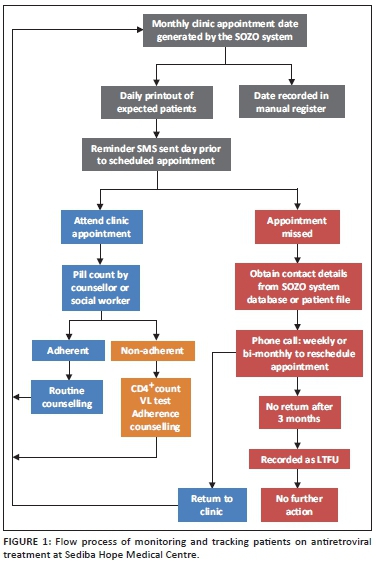
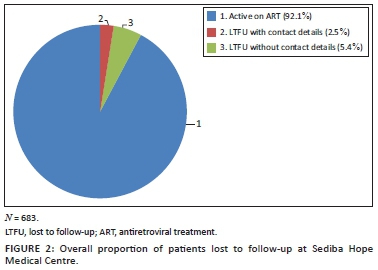
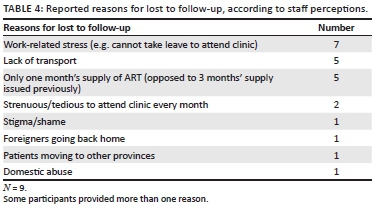
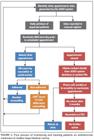
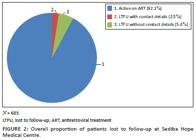
BACKGROUND: Lost to follow-up (LTFU) is a major challenge that hinders the success of antiretroviral treatment (ART OBJECTIVE: To identify factors conducted to a low LTFU rate. METHODS: We conducted a two-part descriptive and quantitative study. Part 1 comprised interviews with clinic staff to determine their perspectives on LTFU and to establish the clinic's follow-up procedures for patients on ART. Part 2 of the study was a retrospective review of clinic and patient records. LTFU patients were identified and those with contact details were contacted for telephonic interview to determine if they were still on ART and/or their reasons for becoming LTFU. RESULTS: A low LTFU rate (7.9%; N = 683) was identified. Work-related stress, and lack of transport and funds were reported reasons for LTFU. Monthly visits, non-adherent defaulters and LTFU patients were tracked by an electronic system (SOZO). Factors contributing to high rates of retention in care were: location of the clinic in the inner city, thus in close proximity to patients' homes or work; clinic operating on Saturdays, which was convenient for patients who could not attend during the week; an appointment/booking system that was in place and strictly adhered to; a reminder SMS being sent out the day before an appointment; individual counselling sessions at each visit and referrals where necessary; and a stable staff complement and support group at the clinic. CONCLUSION: Achieving a low LTFU rate is possible by having a patient-centred approach and monitoring systems in place.
 Thumbnail
 Thumbnail