Incentivising student learning: Does it work?
Abstract
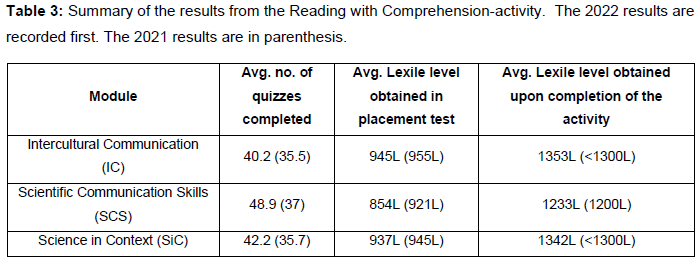
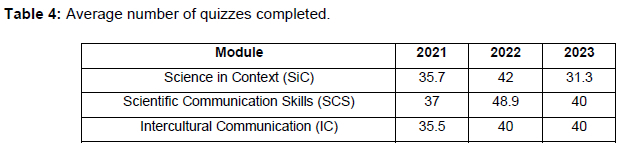
Motivation is one of the primary factors that influence students' learning behaviour. This study investigates the impact of extrinsic motivation, through the introduction of an intangible incentive scheme, on undergraduate STEM students' engagement and performance in an online reading comprehension activity. Since 2021, the activity has been conducted on the ReadTheory platform and although initial results seemed promising, a gap remained between students' performance and the activity's outcomes. In 2023 an incentive scheme combining two incentives namely, work avoidance and a marks incentive, was implemented to address students' perceived underinvestment in the activity. The study examined participation and performance data from 2021 to 2023 across three STEM modules. In 2023 the intervention was implemented in two of these modules, with the third module continuing with the original programme structure. The data revealed significant improvements in the performance of students who participated in the intervention, while performance of students in the original programme remained unchanged. The results suggest that the combination of work-avoidance and marks-based incentives effectively encouraged students to focus their efforts on reaching higher Lexile levels, thereby improving their overall reading comprehension. Moreover, the incentive scheme enabled effective identification of students in need of targeted support. This study demonstrates that carefully designed incentives, can enhance student engagement and performance in selected academic activities.
Incentive; undergraduate; reading comprehension; STEM