Blended learning amongst higher learning institutions: exploring academic performance indicators and factors
Abstract
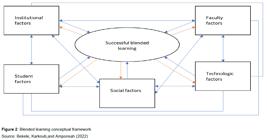
Blended teaching and learning became a primary mode of instruction in South Africa following the 2020 COVID-19 lockdown. For any new educational delivery method to be effective, it must be assessed against the core goals of education. This study addresses a notable gap in comprehensive evaluations of blended learning after the pandemic, particularly in identifying success indicators and contributing factors within higher education institutions. The study aims to evaluate the effectiveness of blended learning during the COVID-19 pandemic in South African universities. It employs descriptive analysis, Poisson regression, and thematic content analysis, using publicly available secondary data. The pandemic accelerated the digital transformation of education, offering an opportunity to rethink traditional teaching models and align them with the demands of a digital age. To support this shift, the study presents theoretical and conceptual frameworks that explain the factors influencing the success of blended learning. It also recommends strategies to strengthen the resilience of the higher education sector, enabling it to better respond to future disruptions such as pandemics or technological shifts. Ultimately, the research adds to a deeper understanding of how blended learning can be effectively integrated into South Africa's evolving educational landscape.
Blended Learning; COVID-19; Tertiary Learning Institutions; Online Learning; Resilient Higher Education Sector
 Thumbnail
 Thumbnail
 Thumbnail