Google forms can stimulate conversations in discussion-based seminars? An activity theory perspective
Abstract
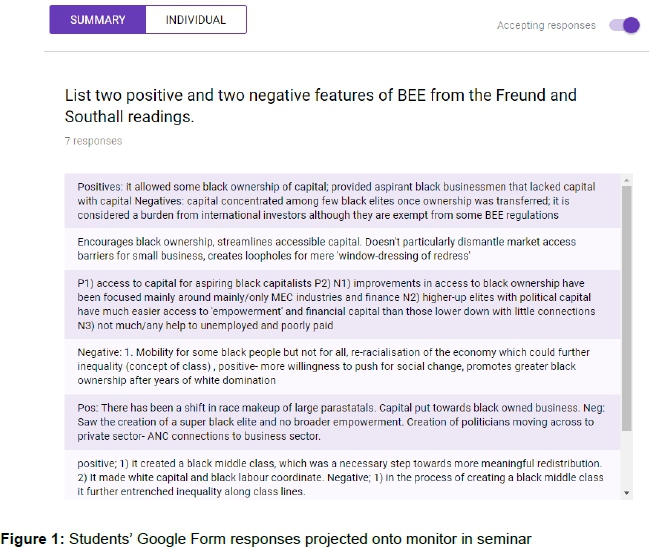
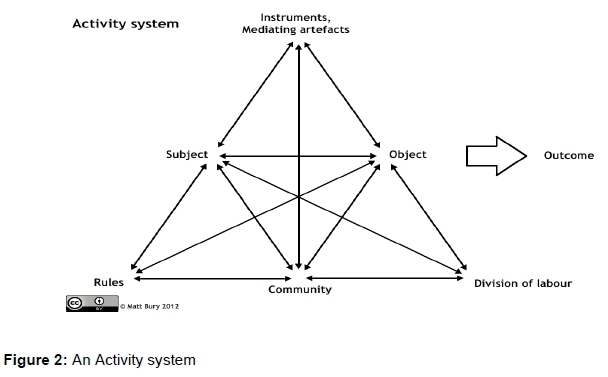
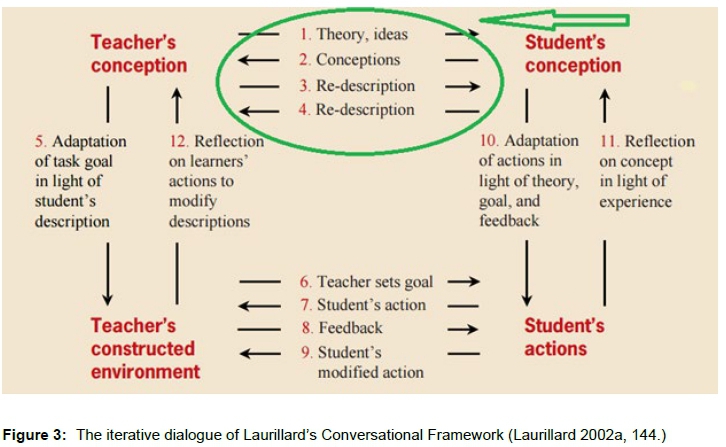
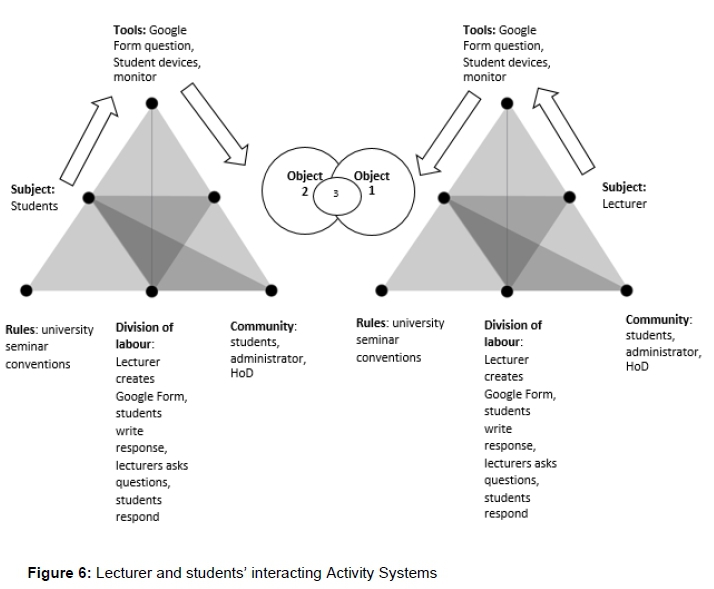
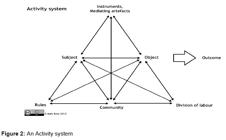
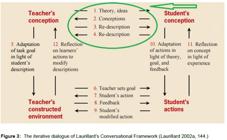
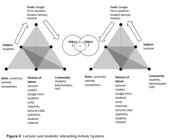
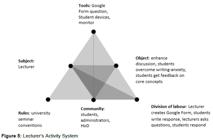
One challenge in seminar-style postgraduate courses is that some students are uncomfortable with discussing course content and concepts among their peers and in front of the lecturer in seminars. This article is a case study of the incorporation of Google Form questions into seminars in a postgraduate Economic History course, a tool intervention undertaken as a response to the challenge of some students' seminar reticence. The study explores whether the tool intervention can from students' perspectives stimulate conversation, and examines whether the objectives of the students and the lecturer were aligned in the learning activity. The article draws on two theories to frame the research: Engeström (2001) and Engeström and Sannino's (2010) third generation Activity Theory, employed to locate change-enabling contradictions and the objects of the educational activities, and Laurillard's (2002b) Conversational Framework as a theory of learning wherein students and an educator interface with mutually accessible concepts. The study draws on interview data from structured interviews with students at the end of the course. The article contends that Google Forms are assistive in stimulating conversations around core concepts, and that a quaternary contradiction emerged between the lecturer and the individual students' objects in the educational activity.
Activity theory; education technology; learning activities
 Thumbnail
 Thumbnail
 Thumbnail
 Thumbnail
 Thumbnail
 Thumbnail