Blended, flipped and lit: student perceptions and performance under blended learning with a flipped classroom and a lightboard
Abstract
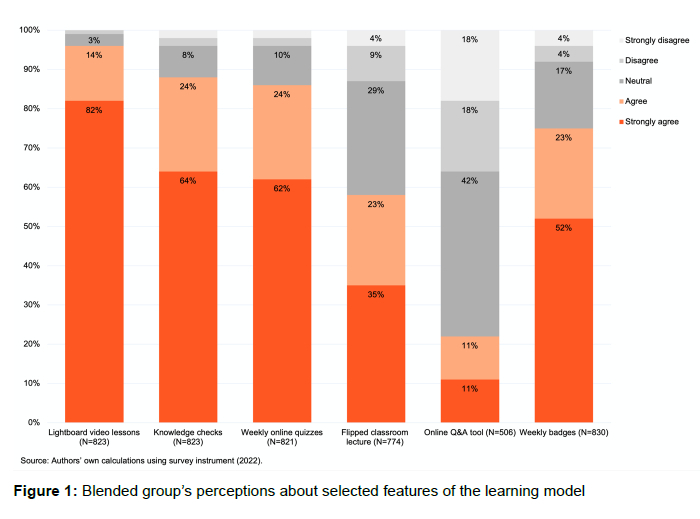
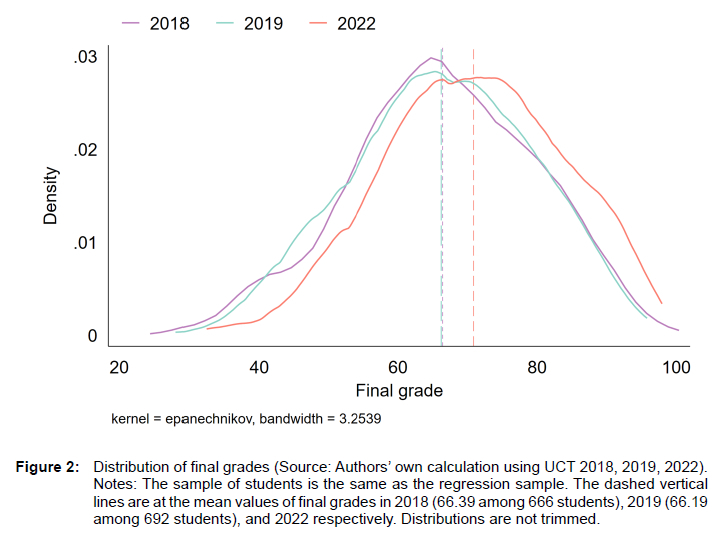
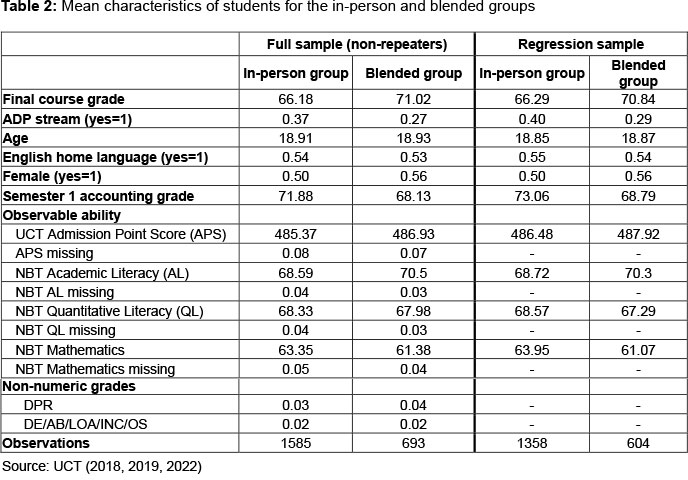
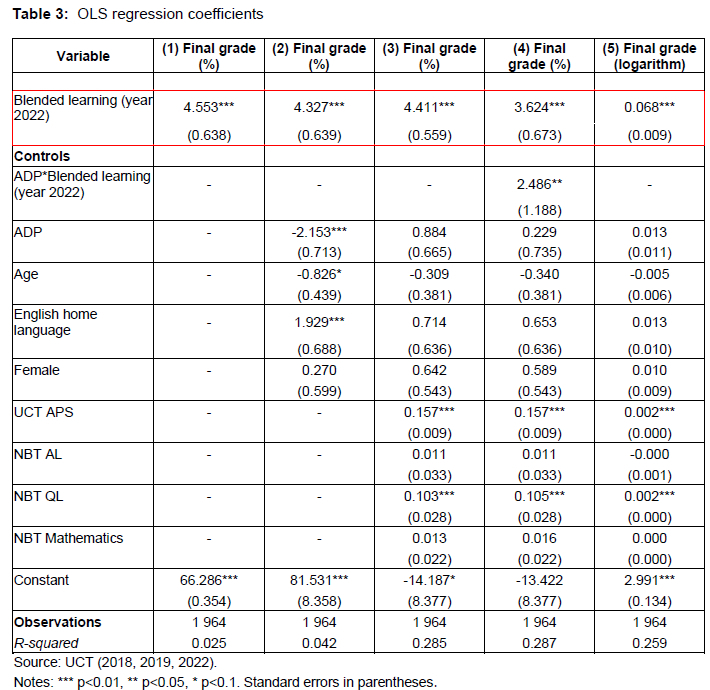
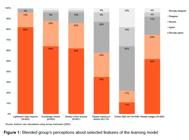
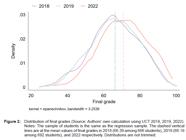
Promoting student success is a key objective for higher education institutions in South Africa, and the post-pandemic era presents the sector with a novel opportunity to take advantage of improved online learning infrastructure and skills. As institutions face critical decisions regarding teaching modalities, it is imperative to establish and enhance evidence on the extent to which blended learning can - or cannot - facilitate student success in a post-pandemic setting. This article examines student perceptions of and academic performance in a large first-year accounting class which recently implemented a blended learning model that involved a flipped classroom approach and video lessons filmed with a lightboard. Using a combination of qualitative and quantitative analyses, we find that students perceive the blended model as advantageous to their learning experience and perceive video lessons filmed with a lightboard to be especially valuable. These positive sentiments are reflected in improved performance across the entire grade distribution. Using regression analysis that allows us to account for observable differences in the characteristics of those taught in person and those taught via the blended model, we find a statistically significant 7 per cent improvement in students' final grades. We find an even stronger association between the blended model and improved performance for students who have experienced gaps and disparities in education and life experiences. Ultimately, this study, conducted at a contact university in South Africa, makes a strong case for the benefits of blended learning, and reveals one way to structure the learning activities in a large class to take full advantage of these benefits.
blended learning; flipped classroom; lightboard; regression analysis; higher education; student success
 Thumbnail
 Thumbnail