The relationship between cognitive load and self-regulated learning strategies amongst postgraduate accounting students at a South African university
Abstract
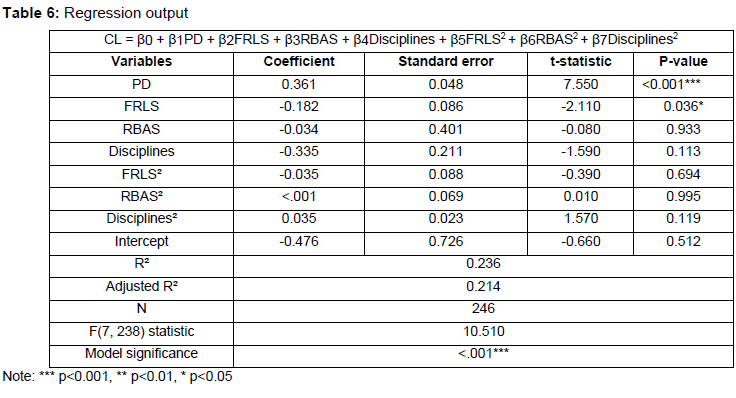
Studies propose the integration of two prominent learning theories:Cognitive Load Theory (CLT) and Self-Regulated Learning (SRL). The purpose of this study is to provide empirical evidence relating to this field of interest, by investigating the relationship between cognitive load and SRL strategies amongst postgraduate accounting students. Each of 262 participants completed one of three tasks of varying levels of difficulty, followed by a questionnaire that subjectively assessed each participants' cognitive load and self-regulation. The data was statistically analysed. The results indicate a statistically significant positive relationship between cognitive load and perceived task difficulty, in line with existing literature. In addition, a statistically significant negative relationship was observed between cognitive load and one of three self-regulation constructs. A high level of self-regulation in the form of learning strategies was therefore associated with low cognitive load, and vice versa. This study thus provides unique evidence of the benefit of learning strategies for managing cognitive load amongst accounting postgraduate students. It furthermore provides recommendations for instrument design measuring both SRL and cognitive load.
Cognitive load; self-regulated learning; accounting; postgraduate