Balancing academic freedom and research integrity through virtue ethics in the use of AI in open distance education
Abstract
In a rapidly evolving educational landscape shaped by Society 5.0, the integration of Artificial Intelligence (AI) into Open Distance Education (ODE) presents both transformative opportunities and ethical challenges. While AI enhances access, personalises learning, and streamlines administration, its usage raises concerns about academic freedom, research integrity, and ethical conduct. This article explores the balancing act required to leverage AI's capabilities without compromising the values of academic freedom and integrity. A virtue ethics framework is proposed to facilitate ethical AI deployment, prioritising virtues like integrity, accountability, and justice. Through a narrative literature review, the article examines the intersection of AI, academic freedom, and research integrity, proposing a conceptual model rooted in virtue ethics. The framework promotes a responsible AI-driven educational model that respects intellectual autonomy, mitigates ethical risks, and enhances research credibility in ODE. The article concludes with recommendations for implementing virtue ethics in AI governance within academic institutions, emphasising a sustainable approach to maintaining ethical standards in an AI-enhanced educational environment.
Artificial Intelligence; Academic Freedom; Conceptual framework; Open Distance Education; Research Integrity; Virtue Ethics
INTRODUCTION
Society 5.0 is a human-centric initiative introduced by the Japanese government, aiming to merge cyberspace and physical space through advanced technologies such as artificial intelligence (AI) and big data, with the goal of enhancing societal well-being (Deguchi, et al.2020). By embracing a human-centric society supported by digital transformation in education, the introduction of artificial intelligence (AI) serves as a beacon of innovation, promising to reshape teaching, learning, assessment, and administration (Kamalov, Santandreu Calonge and Gurrib 2023). Within this context, Fidalgo and Thormann (2024) consider the rise of open distance education (ODE) as a fertile ground for the transformative potential of AI, presenting unprecedented opportunities for accessibility and flexibility. The potential benefits of AI in ODE are vast - from personalised learning experiences to data-driven decision-making processes. It is imperative to ensure that the promises of AI do not undermine the foundational values of education; therefore, an intricate balance is required in support of the AI capabilities for educational progress while safeguarding the cherished ideals of academic freedom and research integrity. The current literature and scholarly discourse emphasise the progressive nature of AI in ODE, prompting concerns about the influence of AI on research integrity and academic freedom (Khlaif et al. 2023; Memarian and Doleck 2023; Mijwil et al. 2023a). Issues, such as false information, ghost-writing, bias, and ethical transgressions pose serious challenges, aggravated by the inadequacy of research-based norms governing the application of AI in ODE. This raises questions about the influence of AI on academic freedom and the principles of virtue ethics. On one hand, AI enhances academic freedom by offering innovative tools for expressing and conveying complex concepts visually. On the other hand, AI also introduces ethical considerations regarding originality, authenticity, and respect for intellectual property.
METHODOLOGICAL APPROACH
The critical problem which this article sought to address is the lack of a balanced approach towards AI deployment for educational enhancement while safeguarding academic freedom and research integrity. The crucial question at this point is:
• How do we ensure that the integration of AI with education enriches our quest for knowledge without compromising the core values that define academic excellence and ethical research?
To this end, a narrative literature review was employed, guided by the following central question:
• How could adopting virtue ethics catalyse the integration of academic freedom and research integrity when using AI in ODE institutions?
The current article, therefore, explored the role of virtue ethics in promoting a balanced synthesis of research integrity and academic freedom in AI applications in ODE institutions. Guided by Jabareen (2009), we provide an overview of the process followed to propose a conceptual framework for AI-oriented research in ODE to balance research integrity and academic freedom through the integration of virtue ethics.
RESEARCH APPROACHWe adapted Jabareen's (2009) proposed method and procedures for building conceptual frameworks to better understand how adopting virtue ethics could balance the integration of academic freedom and research integrity when using AI in ODE institutions. The choice was informed by the structured nature of the steps and multidisciplinarity of the phenomenon under study (i.e. AI-oriented research in ODE context). Figure 1 depicts the adapted structured steps from Jabareen's (2009), which informed the conceptual framework developed for this article. These steps outline the process of identifying, categorizing, and integrating key concepts-such as virtue ethics, research integrity, and academic freedom-to ensure an ethically sound AI framework in ODE. Applying these steps, the article systematically constructed a balanced approach to AI governance in education.
Step 1: Mapping the selected data sources
The first step in Jabareen's (2009) framework involves identifying and mapping data sources, which, in our research, involved gathering relevant literature on AI, ODE, academic freedom, virtue ethics and research integrity. To ensure a comprehensive and relevant literature review, a structured approach was employed in selecting data sources. Table 1 outlines the search prompts, inclusion criteria, and exclusion criteria used to identify scholarly literature on AI in education, research integrity, academic freedom, and virtue ethics. This systematic approach helped refine the scope of the study and ensured that only high-quality, peer-reviewed sources informed the conceptual framework.
As indicated above, a narrative literature review was carried out to offer an overview of the existing knowledge of the selected concepts under study (see Snyder 2019). The data sources included seminal and recent works, as virtue ethics, rooted in early Greek philosophy, was examined through accredited peer-reviewed sources. The primary aim was to understand the key concepts - research integrity, AI, academic freedom and ODE - individually. Following this, a deeper analysis was conducted to explore the connections between these three concepts based on scholarly literature to investigate virtue ethics as a potential ethical framework to facilitate the integration of research integrity, AI, and academic freedom with ODE.
Step 2: Defining and categorising the selected concepts
Following the identification and mapping of relevant literature in Step 1, activities in Step 2 involved defining the selected concepts and categorising these concepts based on their disciplinary relevance, importance, and representative power (Jabareen 2009).
Research integrity
Research integrity requires researchers to display behavior throughout a study's life cycle that earns peer and public trust in science (Chen et al. 2024). It emphasizes "researcher character," research as an art and discipline, and related institutions and systems (Helgesson and Bülow 2023, 115, 120). Fundamental to scientific credibility, it includes principles like honesty, rigor, transparency, open communication, and respect for all participants (Zhaksylyk et al. 2023). Institutions and funding bodies set standards to ensure high integrity in research. Key guidelines include the 2010 Singapore Statement on Research Integrity which outlines principles such as honesty, accountability, professional courtesy, and good stewardship (Resnik and Shamoo 2011). In South Africa, the 2019 Statement on Ethical Research and Scholarly Publishing Practices supports high-integrity research (ASSAf et al. 2019). Despite these efforts, breaches in research integrity persist, partly due to irresponsible AI tool use in research.
In November 2022, generative AI tools like ChatGPT disrupted academia, highlighting the need for AI-specific research integrity guidelines. Early frameworks from the Montreal Declaration (2018) and the Organization for Economic Cooperation and Development (OECD) AI Principles (2019, updated 2024) aimed to promote ethical AI use (Hagendorff 2022).
However, their uptake in HEIs was limited. The European Commission's Living Guidelines on Responsible AI Use in Research (2024) address the need for research-related guidance, promoting credibility, transparency, privacy, and ongoing competence in AI practices (European Commission 2024). Hagendorff (2022) notes that principle-based approaches often lack practical application. Virtue ethics could bridge the gap between aspiration and action by considering human cognitive biases and psychological forces (Hagendorff 2022, 2). Helgesson and Bülow (2023, 115) advocate for a value-based approach to research integrity.
Artificial intelligence
AI involves computers performing tasks requiring human intellect, such as learning and problem-solving (Kumar 2023). Advances in machine learning (ML) and deep learning (DL) drive innovation, with AI mimicking or enhancing human cognitive functions. AI tools like ChatGPT and Google's Bard support adaptive learning environments and assist students with learning disabilities (Hamal et al. 2022). Developing socio-technical responsibility among researchers is crucial for navigating ethical challenges in digital learning environments.
AI has the potential to revolutionize education, including teaching, learning, research, assessment, and administration. AI technologies, such as language processing and decision-making, offer exceptional efficiency, performing tasks that require extensive training and expertise (Muhlenbach 2022, 218-232). AI's rapid development creates opportunities in healthcare diagnostics, labour efficiency, and social media connections. However, ethical concerns arise, including reinforcing biases, exacerbating climate change, endangering human rights, and triggering negative outcomes. These risks according to United Nations Educational, Scientific and Cultural Organization (UNESCO 2022) disproportionately affect marginalized groups.
Academic freedom
Academic freedom dates back to the Middle Ages, reflecting a long-standing commitment to unimpeded knowledge exploration in academia (Altbach 2001). It is a fundamental principle in higher education, allowing students to learn and educators to teach and conduct research without undue external influence (Altbach 2001; Savvina 2020). This freedom is crucial for promoting teaching excellence and research innovation. Despite its straightforward conceptualization, defining academic freedom poses challenges due to its broad implications for teaching, research, and knowledge pursuit. Supporting academic freedom involves acknowledging the crucial role of innovative research in questioning and expanding established knowledge paradigms (Kori 2016). Embracing and protecting academic freedom fosters an environment where education and research thrive, contributing significantly to intellectual and societal development. Academic freedom and research integrity are interlinked, highlighting the importance of ethical conduct in academia for maintaining a robust, innovative, and ethical academic environment.
The principles of academic freedom are essential for a functioning higher education system. However, it is often absent from official statements of influential organizations like UNESCO or the World Bank. HEIs' decision-makers and financiers frequently prioritize administrative and financial issues, diverting focus from essential conversations about the university's mission and core values. Protecting academic freedom is necessary for HEIs, including in ODE settings, to reach their full potential and contribute meaningfully to the knowledge-based society. Acknowledging and supporting academic freedom is crucial for HEIs to flourish and influence the global intellectual landscape (Kori 2016).
Open distance education
ODE is a flexible learning approach using digital technology to provide educational opportunities regardless of geographical location or socioeconomic status (Akindele et al. 2021). It transcends traditional classroom boundaries, offering asynchronous and synchronous learning through online courses, webinars, and interactive platforms. ODE embodies accessibility, inclusivity, and adaptability, becoming a key component of the global educational framework. Developing socio-technical responsibility among students is important for navigating ethical challenges in digital learning environments (Ashford 2020).
Recent literature suggests AI in ODE offers opportunities to improve teaching, administration, evaluation, and learning (. and Ajaji 2024; Xiao 2024; Akindele et al. 2021). AI can personalize learning by analyzing student data and adapting instruction, leading to increased engagement and success. It assists educators in designing effective online courses and automates administrative tasks, allowing more meaningful student interactions. AI tools facilitate real-time monitoring of student progress, enabling early intervention for at-risk learners and fostering supportive learning environments (Holmes, Bialik, and Fadel 2019). However, AI advancements raise concerns about potential threats to research integrity and academic freedom. Educators must address challenges like misinformation, plagiarism, bias, and ethical violations. The lack of established guidelines for AI in ODE highlights the need for balancing AI's potential with maintaining academic freedom and research integrity.
Virtue ethics
The term "virtue" originates from the Latin virtus, reflecting qualities valued in society, signifying the strength of moral character (Van Hooft 2014). I (Chorafas 2015). This notion emphasizes the interconnectedness of virtues, highlighting the importance of wisdom and education for personal freedom and choice (Chorafas 2015). Pence (in Singer, 1993, 249) connects virtue to the actions of a "good person," which in this context translates to what a good researcher would do when employing AI tools while adhering to academic freedom and research integrity.
As a branch of moral philosophy, virtue ethics prioritizes character over duty or consequences in ethical decision-making (Quinn 2007). It advocates cultivating virtues as essential to ethical living, promoting decisions that align with virtue rather than rigid adherence to rules (Ude 2016). Aristotle is recognized as the founder of virtue ethics, influenced by Socrates, Plato, and the Stoics, who studied the cardinal virtues of courage, temperance, wisdom, and justice (Chorafas 2015, 395; Pence in Singer, 1993, 252). Aristotle defines virtue as "a state of character concerned with choice, lying on a mean," which is determined by rational principles (Chorafas 2015). He argues that the pursuit of virtue leads to the ideal life and human functioning (Abakare, 2020).
Aristotle differentiates between intellectual virtues, which promote knowledge, and moral virtues, necessary for living well (Devettere 2002). Each moral virtue exists between two vices: one of excess and one of deficiency. Intellectual virtues include open-mindedness, curiosity, and intellectual humility, with practical wisdom serving as the unifying intellectual virtue (Van Zyl 2018, 10). Moral virtues, such as courage and honesty, are essential for good living (Van Zyl 2018, 10). Unlike deontology or consequentialism, virtue ethics emphasizes virtues rather than duties or the outcomes of actions. Justice, a significant moral virtue, encompasses aspects like equality, fair distribution of responsibilities, compliance with just procedures, and managing consequences for wrongdoers (Kessler 2022).
Proponents of virtue ethics argue that moral behavior results from deliberate actions rather than automatic responses, emphasizing thoughtful moral conduct (Meara, Schmidt, and Day 1996). Integrity emerges as a vital virtue for consistent behavior, although its definition may vary with context. In research, failing to attribute someone's words constitutes plagiarism, violating originality and transparency, yet in some cultures, uncredited use may signify respect (Tauginienè et al. 2019, 9). However, with Eaton's (2023) work on post-plagiarism in the era of AI, what constitutes plagiarism may need to be revisited.
Adhering to virtue ethics can guide researchers, educators, and students in ethical conduct and integrity across various fields. Authorized usage of AI tools is generally accepted, whereas unauthorized use for academic credit can be deemed academic misconduct, defined as any action undermining academic integrity, potentially resulting in unfair advantages or disadvantages.
Next, the defined key concepts were categorized based on their disciplinary relevance, significance, and representative power. Table 2 presents an overview of these concepts, highlighting their role in shaping ethical AI integration in ODE.
As shown in Table 2, the categorization of concepts spans multiple disciplines, emphasizing the interdisciplinary nature of the study. Virtue ethics serves as the foundational ethical framework, providing guiding principles for responsible AI integration. Academic freedom and research integrity are categorized as high-priority concepts, given their crucial role in maintaining intellectual autonomy and ethical research practices in ODE. AI, a core technological component, is highlighted for its transformative potential, necessitating ethical considerations to prevent biases and misuse. ODE is categorized as a medium-priority concept, as it serves as the educational context where AI applications are implemented.
Step 3: Deconstructing and re-categorising the concepts
Each concept was deconstructed to identify its characteristics, assumptions and roles, and then organised and re-categorised according to its ontological, epistemological or methodological roles. Table 3 illustrates the concept's attributes, characteristics, assumptions, and roles.
Table 3 highlights the fundamental attributes and roles of each concept, illustrating their significance in shaping ethical AI integration in ODE. Research integrity is defined by key principles such as honesty, transparency, and accountability, ensuring that AI-driven research maintains credibility and ethical rigour. AI itself is characterized by automation, decision-making, and adaptability, presenting both opportunities and ethical challenges in education and research. ODE is described through its flexibility and accessibility, emphasizing its role in expanding educational opportunities while necessitating safeguards against academic misconduct. Academic freedom emerges as a foundational principle that ensures intellectual independence and critical inquiry, yet it must be protected from undue influence-particularly in AI-driven education. Virtue ethics provides a moral foundation, advocating for ethical behaviour based on character development rather than rigid rules. By deconstructing these concepts, the article establishes a clear framework for integrating ethical considerations into AI governance in ODE, ensuring a balance between technological advancement and academic integrity
Step 4: Integrating the Concepts
Building on the deconstruction and re-categorization of key concepts, the next step in developing the conceptual framework involved integrating these concepts to establish a cohesive ethical foundation for AI in ODE. The interplay between virtue ethics, research integrity, academic freedom and AI is critical, as the responsible use of AI in academic settings requires a balance between technological efficiency and ethical considerations. Virtue ethics provides a character-based moral framework that emphasizes integrity, accountability, and justice-key virtues necessary for maintaining research integrity in AI applications. AI's capacity to enhance decision-making, automate research processes, and personalize learning, is it imperative to ensure that these advancements do not compromise academic freedom, ethical research practices, or the reliability of scholarly outputs.
Virtue ethics and research integrity in AI
Virtue ethics and research integrity are vital for responsible AI practices in academia. They complement principle-based frameworks by emphasizing researchers' character and motivations (Banks 2018). Ethical researchers embody virtues such as bravery, resilience, respect, honesty, humility, and reflexivity, essential for maintaining research integrity (Rawdin 2018). As AI becomes integral to scientific research, ethical issues like bias and transparency arise, demanding effective governance (Limongi 2024). A virtue-based AI ethics framework suggests four core virtues: justice, honesty, responsibility, and care, plus prudence and fortitude as complementary virtues (Hagendorff 2022), to promote ethical decision-making and integrity in AI research.
Academic freedom and the role of AI in research
Integrating AI with academic research presents opportunities and challenges for academic freedom. While AI could enhance data analysis and innovation (Chubb, Cowling and Reed 2022), concerns are raised about potential threats to intellectual autonomy and research integrity (Butson and Spronken-Smith 2024). Researchers have to ensure that AI technologies do not dictate research directions at the expense of academic rigour and freedom (Butson and Spronken-Smith 2024). The use of AI in research should support, not replace, human creativity and critical thinking (Chubb et al. 2022). As the role of AI in research evolves, it is essential to address ethical and epistemological challenges, engage diverse voices, and maintain a balance between technological advancement and the preservation of academic freedom (Butson and Spronken-Smith 2024; Chubb et al. 2022).
Integrating AI with education and open distance education
The integration of AI and ODE offers significant potential for personalised learning experiences, convenience, and improved educational accessibility (George and Wooden 2023). AI enables real-time feedback and personalised learning pathways to make the education process more inclusive than traditional learning approaches (Kamruzzaman, Daniell, and Chowdhury, 2023). While AI supports enhancing educational accessibility and personalisation, it also raises concerns regarding academic integrity, particularly in ODE. AI-driven tools, such as plagiarism detectors and examination proctoring systems, help maintain academic honesty (Hanbidge et al. 2020). There are concerns that these technologies may not completely prevent misconduct, and thus, institutions must continually adapt their strategies to uphold quality and integrity (Nicolaides 2018). It is essential to address the challenges of academic integrity and educational quality to ensure that AI-driven systems promote equitable learning outcomes.
Ethical considerations and AI in education and research
Integrating AI into education and research presents ethical challenges concerning fairness, transparency, and bias. While AI can enhance learning and research, it necessitates ethical frameworks to prevent misuse and ensure inclusivity. Guidelines for responsible AI development are essential to uphold principles such as fairness and transparency (Holmes et al. 2019). AI must address diverse learners' needs without disadvantaging any group due to biased algorithms (Sywelem and Mahklouf 2024). Establishing frameworks for transparency and accountability is crucial, and continuous scrutiny is needed to reduce bias (Modi 2023). Co-designing AI systems with educators and researchers can improve trust and ensure ethical standards (Chaudhry, Cukurova, and Luckin 2022).
Academic integrity and AI monitoring in education
Integrating AI in monitoring educational assessments presents opportunities and challenges for maintaining academic and research integrity. AI tools can enhance teaching and detect plagiarism (Khatri and Karki 2023; Madhu et al. 2023). However, ethical concerns arise, including potential threats to critical thinking and creativity (Khatri and Karki 2023). A scoping review highlighted both bounded and unbounded ethical implications of AI in higher education, focusing on issues of cheating and equity (Moya, Antonieta, and Eaton, 2023). Eaton (2024) highlights the significance of upholding human rights and equity in academic integrity policies, stressing the importance of avoiding surveillance technologies that disproportionately impact marginalized communities. Responsible and ethical use of AI is recommended (Madhu et al. 2023).
AI and ethical governance in ODE
Integrating AI with ODE presents ethical and governance challenges. Effective governance is crucial to ensure ethical AI implementation, emphasizing fairness, accountability, and transparency to prevent bias and enhance education accessibility (Cath 2018). Ethical issues like profiling and exclusion must be regulated (Holmes et al. 2019). Inclusivity is vital, ensuring equitable access to AI systems for all students, particularly disadvantaged groups (Shams, Zowghi, and Bano 2023).
Step 5: Synthesizing into a framework
This research synthesizes the concepts integrated in step four into a coherent theoretical framework, validated through an extensive literature review and data sourced from multiple academic databases between 2018 and 2024. The initial search yielded the results presented in Table 4.
Table 4 presents the outcomes of sifting process for the review of literature, which followed a systematic approach to narrow down a large pool of sources from six major databases into a focused and relevant selection. Initially, the search retrieved a large number of sources, with Semantic Scholar yielding the highest at 654,000, reflecting its extensive indexing capacity, while ProQuest and ResearchGate produced more modest totals. The first sift significantly reduced these numbers through preliminary filtering based on relevance criteria, such as keywords, abstracts, and publication dates, with particularly sharp drops observed in Google Scholar and Scopus. The final sift applied more rigorous inclusion and exclusion criteria, involving full-text assessments and methodological soundness, ultimately narrowing the selection to 240 sources.
AI and Academic freedom
The reviewed literature emphasizes that academic freedom is vital for educators and researchers to pursue knowledge without external interference. However, Torres (2022) and Hood and Cheruvallil-Contractor (2022) note that corporate-controlled AI systems increasingly threaten this freedom. Twenty-five studies highlight universities as spaces for intellectual freedom, while ten studies express concerns about corporate influence on research directions. Audretsch et al. (2024) argue that declining academic freedom hampers innovation, particularly in corporate AI environments.
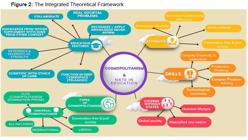
Figure 2 presents a world map highlighting the geographical areas where studies reviewed in this study. The shaded regions indicate the countries that have been the focus of academic freedom, spanning multiple continents. These include the United States, Norway, Germany,
FINDINGS - SYNTHESISING A CONCEPTUAL FRAMEWORK
The findings integrate key concepts into a cohesive framework. The following themes emerged from the literature analysis and synthesis: academic freedom, AI and research integrity, and AI in Open Distance Education (ODE). Out of the 240 reviewed sources, 40 specifically focused on academic freedom. These sources represent the countries and regions depicted in Figure 2.
New Zealand, Turkey, Hungary, China, Russia, India, Pakistan, Lebanon, the United Arab Emirates, the United Kingdom, Latvia, and South Africa. The diversity of these regions suggests that academic freedom is a globally relevant topic, examined in various political, economic, and educational contexts. While some of these countries represent well-established democracies with strong traditions of academic autonomy, others face significant challenges related to government influence, policy restrictions, and institutional independence. This wide-ranging scholarly engagement reflects the complexity of academic freedom and its implications for higher education systems worldwide. Corporate funding can skew research priorities, compromising autonomy (Lin 2023). Protecting academic freedom is crucial, as corporate influence poses ethical challenges to research integrity.
AI and research integrity
AI significantly impacts research integrity, enhancing it by automating repetitive tasks and improving accuracy and efficiency. "Research integrity" involves adhering to ethical principles and professional standards in research, as highlighted in 147 studies of the 240 reviewed. Most of these studies are conceptual, with only two specifying their contexts: Crean et al. (2023) in 193 UN member states and Paryzhak and Vari (2024) in the US and Ukraine. While AI can process vast data and uncover patterns (Bhatt, Shukla, and Agrawal, 2024), it also raises ethical concerns, including unintentional bias amplification, which can distort research conclusions. A framework for responsible AI use is necessary to ensure transparency and accountability. Khatri and Karki (2023) emphasize that upholding research integrity is vital to prevent plagiarism and maintain originality in academia. Moya et al. (2023) stress the need for clear guidelines and support for ethical AI use to foster accountability and trust among stakeholders. Additionally, 120 studies noted increased emphasis on research integrity education in higher education institutions, especially in developed countries (Zhaksylyk et al. 2023; Ganguly and Pandey 2024; Castelló-Sirvent , Roger-Monzó, and Gouveia-Rodrigues, 2024).
AI and open distance education
The key finding for this theme revealed that, in the context of ODeL, AI is proving to be a valuable tool for enhancing student engagement and learning outcomes. This is evident from Ezeanya et al.'s (2024) study conducted at the National Open University of Nigeria (NOUN). Ezeanya et al. found that AI tools significantly enhance student engagement and learning outcomes by improving social interaction and providing personalised support, as found in perspectives expressed by NOUN students. Specifically, as affirmed by Ashwini et al. (2023) and 45 other sources, AI facilitates personalised learning by recognising and issuing micro-credentials, which allow students to earn certifications for specific skills as they progress through their studies. According to Jian (2023) and 15 other studies, a gamified approach to education fosters good participation, particularly among first-year students, by creating an interactive learning environment that rewards accomplishments. Moreover, 12 sources, including research by Mijwil, Ali, and Sadıkoğlu, (2023b) and Semerikov, Striuk, and Shalatska (2021), found that AI in ODeL helps bridge geographical barriers, providing learners in remote or underserved areas with access to high-quality educational resources and support. The following discussion presents the proposed framework supported by validation from the literature.
Step 6: Validating the conceptual framework
The current article emphasizes a balanced approach to integrating AI with Open Distance Education (ODE), merging research integrity, academic freedom, and ethical AI use. Kamalov et al. (2023) note the benefits of AI in education, alongside ethical concerns about authenticity. Khlaif et al. (2023) warn of false information and bias from adopting AI without established norms. While AI enhances personalized learning and data management, it also poses ethical challenges. Memarian and Doleck (2023) stress the need for careful governance to prevent issues like plagiarism. Torres (2022) and others raise concerns about corporate influences potentially limiting intellectual independence and hindering research autonomy.
Academic freedom and the influence of AI
The research underlines that academic freedom is fundamental, allowing educators and researchers to pursue knowledge freely and innovatively. Savvina (2020) details the role of academic freedom in enabling open inquiry and discourse, especially within universities where intellectual independence is crucial for advancing knowledge. The integration of corporate-controlled AI systems however raises concerns over the potential for these systems to influence research agendas and methodologies. Torres (2022) and Hood and Cheruvallil-Contractor (2022) emphasise that corporate interests in AI could undermine academic freedom, as universities increasingly rely on private AI technologies, which may come with restrictive policies influencing research focus.
Studies demonstrate that universities have historically supported intellectual freedom, but the presence of corporate AI providers has introduced questions about autonomy in academic research. According to Audretsch et al. (2024), a study spanning 157 countries found that the diminishing landscape of academic freedom hampers essential innovation, as corporate-controlled AI tends to prioritise commercial outcomes over independent academic inquiry. Furthermore, AI policies set by corporations may misalign with traditional academic goals, thereby limiting the space for explorative and transformative research. Lin (2023) highlights these misalignments, explaining that corporate interests often drive AI policies that may not always reflect or support the nuanced goals of academia, ultimately threatening research autonomy and the diversity of scholarly perspectives.
AI's role in upholding research integrity
The rapid integration of AI with academic research contributes to both efficiency and ethical challenges in upholding research integrity. Bhatt, et al. (2024) emphasise the ability of AI to enhance data processing accuracy, support complex research tasks, and foster productivity, but they also point out the need for ethical checks due to risks of bias and a lack of transparency. Similarly, Khatri and Karki (2023) argue that, while AI boosts research capabilities, it requires strict ethical guidelines to prevent issues, such as unintentional plagiarism and reduced originality in academic work. Moya, et al. (2023) add that research integrity in AI integration demands clear accountability and adherence to ethical standards to maintain trust and safeguard academic credibility.
AI integration with open distance education
The influence of AI on ODE is largely positive, offering personalised learning and improved engagement. Ezeanya et al. (2024) report, for instance, that AI enhances student engagement by facilitating social interaction and providing tailored support. Ashwini et al. (2023) also highlight the role of AI in enabling personalised learning through micro-credentials and gamified education, fostering considerable participation among first-year students. As observed by Semerikov et al. (2021) and other studies, AI in ODE could however introduce inequities due to biases in AI-driven assessments, leading to disadvantages for certain student groups. Consequently, there is a strong recommendation for an ethical framework to ensure equitable, transparent learning environments for all students.
The conceptual framework grounded in virtue ethics
Figure 3 provides a schematic presentation of the proposed conceptual framework grounded in virtue ethics, aimed at balancing academic freedom and research integrity in AI applications within ODE. Helgesson and Bülow (2023) advocate for a virtue-based approach that focuses on character development to navigate ethical challenges, particularly when aligning AI applications with academic freedom and research integrity. This approach aligns with core virtues and ethical anchors, such as practical wisdom and prudence, which are essential for making thoughtful, ethical choices in complex academic environments.
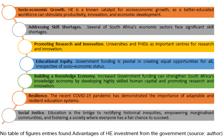
The framework highlights four interconnected pillars - core virtues and ethical anchors, which serve as the foundational principles guiding ethical behaviour. The second pillar constitutes moral virtues in AI application, which emphasise fairness and empathy in technology deployment. The third pillar is virtue-driven AI governance, which integrates ethical considerations into management practices. The last pillar refers to continuous ethical development and through feedback loops, it promotes ongoing reflection and adaptation based on stakeholder feedback. Collectively, these pillars foster a culture of trust and accountability, enhancing the ethical integration of AI in educational contexts, while balancing academic freedom. Relevancy of each of these pillars to value-based ethical behaviour in era of AI is detailed below.
Core virtues and ethical anchors
Practical wisdom and prudence are essential intellectual virtues. They empower educators and researchers to manage the influence of AI on ODE ethically while considering its potential influence on students and universities. Chorafas (2015) and Devettere (2002) both state that these virtues guide individuals in ethical reasoning, balancing freedom and integrity in academic settings.
Moral virtues in AI application
Alongside intellectual virtues, the framework includes moral virtues, such as honesty, courage, accountability, care, integrity, and justice, which are ethical benchmarks in AI applications. Kessler 2022), for instance, elaborate on the role of justice in ensuring fair AI practices that promote inclusivity and equity across educational platforms. Similarly, Van Zyl (2018) discusses the virtue of courage in confronting ethical issues, such as biases and corporate influences, which could compromise academic principles.
Virtue-driven AI governance
This virtue-based framework advocates for governance policies that promote transparency and accountability. Helgesson and Bülow (2023) emphasize that embedding virtues within governance structures helps institutions mitigate ethical risks and create a supportive, transparent environment for students and educators. By focusing on virtue-based governance, institutions can navigate both practical and ethical challenges associated with the role of AI in ODE.
Continuous ethical development through feedback loops
Finally, the framework supports a continuous improvement model through regular evaluations rooted in intellectual virtues. Raquib et al. (2022) is in favour of for such feedback mechanisms to assess and adapt AI applications continuously, ensuring that institutions align with evolving ethical standards, and maintain academic freedom and research integrity in the face of new challenges.
RECOMMENDATIONSGiven the interpretation of steps 5 and 6, this article proposes a framework grounded in virtue ethics, supporting ethical AI integration with ODE. This framework highlights the catalytic power of the core or intellectual virtues - practical wisdom and prudence - in activating moral virtues, such as honesty, courage, accountability, care, integrity, and justice, in fostering a responsible and ethical AI environment that upholds the independence and rigour essential to academia. The recommendations are divided into practical steps for institutional application and avenues for further research, each aiming to create an ethical, transparent, and supportive AI-driven educational experience in ODE settings.
Virtue ethics-driven AI framework in practice
Implementing a virtue ethics-driven AI framework in ODE institutions would enhance academic freedom and research integrity. By grounding AI governance in virtues, such as integrity, accountability, and justice, institutions could apply AI ethically while safeguarding academic ideals. Transparent governance policies are essential, promoting openness about the use of AI and its ethical implications for educators and students. To support academic freedom further, HEIs should treat AI as a tool to enable intellectual exploration, reducing the restrictive corporate influence that may limit research agendas or methodologies. Institutions should incorporate AI accountability into academic integrity policies to prevent ethical breaches, such as plagiarism and biased assessments. Alongside these policies, ongoing training on responsible AI use would foster a community grounded in virtues, such as honesty, courage, and justice. Regular audits and feedback mechanisms would ensure equitable AI application, supporting unbiased assessments and equitable educational experiences for diverse student populations in ODE.
Research-oriented practice
For research, the authors recommend clear, ethical AI standards aligned with international guidelines, such as those from the OECD and the Singapore Statement on Research Integrity. Research could focus on continuous monitoring systems and feedback loops that allow for iterative improvements in AI applications, thereby supporting research integrity. In addition, research should examine the influence of AI on academic freedom, investigate how policy shifts may shape intellectual independence, and explore ways to counter potential biases from corporate-controlled AI. This approach supports a sustainable, virtue ethics-based model of AI governance that aligns with academic values while fostering ethical innovation in ODE.
CONCLUSION
This article highlighted how important it is to integrate AI with ODE in a fair and morally grounded manner. It highlights that virtue ethics, with its focus on character and moral virtues, provides a robust framework for ethical decision-making that transcends rigid rule-following. This approach encourages individuals to cultivate virtues such as honesty, courage, and integrity, which are essential for navigating ethical dilemmas. The article suggests that ethical AI integration should be grounded in these virtues to ensure that AI applications align with evolving ethical standards while maintaining academic freedom and research integrity. HEIs could support academic freedom and research integrity by following an ethics-driven AI framework. The researchers established a proposed framework to enable responsible AI use in academia, which calls for open governance, uniform ethical norms, and ongoing training. ODE institutions should continue to be aware and aggressively match technical advancements with academic principles as AI technologies develop. In addition to safeguarding the integrity of research and teaching methods, this dedication would promote a robust, welcoming atmosphere where technology is a tool for knowledge acquisition. The researchers call for a holistic view of ethics that promotes personal development and communal well-being, advocating for policies that support a balance of virtues in ethical practices across various fields, including medicine, law, and business. Future research is needed for empirical validation of the conceptualised framework that is proposed.
Acknowledgement
The researchers acknowledge the use of AI resources in this article, including: ChatGPT for brainstorming, language refinement at an academic level, and to enhance logical coherence; Zotero for referencing; SCISPACE for sifting literature sources; and Grammarly for spelling, punctuation, and grammar. We, the authors, ensured that the intended concepts were not lost during the paraphrasing of our content. We did not outsource our intellectual work to ChatGPT.
REFERENCES
-
Abakare, Chris O. 2020. "The Origin Of Virtue Ethics: Aristotle's Views." GNOSI: An Interdisciplinary Journal of Human Theory and Praxis, 3 (1): 98-112. https://gnosijournal.com/index.php/gnosi/article/view/88/94.
» https://gnosijournal.com/index.php/gnosi/article/view/88/94 -
Akindele, Akinyinka, Akande OluwatobI, Fajobi Oluwatobi, H. Olagoke, O. Ajagbe, and Taofeeq Badmus. 2021. "Assessing Learners' Perceptions and Experiences in Distance Education - A Case Study of LAUTECH Open and Distance Learning Centre (LODLC)." International Journal of Information and Education Technology 11 (January):479-85. https://doi.org/10.18178/ijiet.2021.11.10.1553.
» https://doi.org/10.18178/ijiet.2021.11.10.1553 -
Altbach, Philip G. 2001. "Academic Freedom: International Realities and Challenges." Higher Education 41 (1/2): 205-19. https://doi.org/10.1023/A:1026791518365.
» https://doi.org/10.1023/A:1026791518365 -
ASSAf, CHE, DHET, NRF, and USAf. 2019. "Statement on Ethical Research and Scholarly Publishing Practices." National Research Foundation. https://www.nrf.ac.za/statement-on-ethical-research-and-scholarly-publishing-practices/.
» https://www.nrf.ac.za/statement-on-ethical-research-and-scholarly-publishing-practices/ -
Ashford, Nicholas A., Ralph P. Hall, Johan Arango-Quiroga, Kyriakos A. Metaxas, and Amy L. Showalter. 2020. "Addressing Inequality: The First Step Beyond COVID-19 and Towards Sustainability." Sustainability 12 (13): 5404. https://doi.org/10.3390/su12135404.
» https://doi.org/10.3390/su12135404 -
Ashwini, N C, Kumar Naveen, M Nandan, and V Suman. 2023. "Leveraging Artificial Intelligence in Education: Transforming the Learning Landscape." International Research Journal of Computer Science 10 (05): 192-96. https://doi.org/10.26562/irjcs.2023.v1005.16.
» https://doi.org/10.26562/irjcs.2023.v1005.16 -
Audretsch, David B., Christian Fisch, Chiara Franzoni, Paul P. Momtaz, and Silvio Vismara. 2024. "Academic Freedom and Innovation." Edited by Bastian Rake. PLOS ONE 19 (6): e0304560. https://doi.org/10.1371/j ournal.pone.0304560.
» https://doi.org/10.1371/journal.pone.0304560 -
Banks, Sarah. 2018. "Cultivating Researcher Integrity: Virtue-Based Approaches to Research Ethics." In Virtue Ethics in the Conduct and Governance of Social Science Research, edited by Nathan Emmerich, 3:21-44. Advances in Research Ethics and Integrity. Emerald Publishing Limited. https://doi.org/10.1108/S2398-601820180000003002.
» https://doi.org/10.1108/S2398-601820180000003002 -
Bhatt, Chandradeep, Devang Shukla, and Krishna Kant Agrawal. 2024. "Application of AI in Big Data Processing:" In Advances in Bioinformatics and Biomedical Engineering, edited by Rijwan Khan, Indrajeet Kumar, and Pushkar Praveen, 58-68. IGI Global. https://doi.org/10.4018/979-8-3693-2426-4.ch004.
» https://doi.org/10.4018/979-8-3693-2426-4.ch004 -
Butson, Russell, and Rachel Spronken-Smith. 2024. "AI and Its Implications for Research in Higher Education: A Critical Dialogue." Higher Education Research & Development 43 (3): 563-77. https://doi.org/10.1080/07294360.2023.2280200.
» https://doi.org/10.1080/07294360.2023.2280200 - Castelló-Sirvent, Fernando, Vanessa Roger-Monzó, and Ricardo Gouveia-Rodrigues. 2024. "Quo Vadis, University? A Roadmap for AI and Ethics in Higher Education." Electronic Journal of E-Learning 22 (6): 34-51. https://doi.org/10.34190/ejel.22.6.3267.
-
Cath, Corinne. 2018. "Governing Artificial Intelligence: Ethical, Legal and Technical Opportunities and Challenges." Philosophical Transactions of the Royal Society A: Mathematical, Physical and Engineering Sciences 376 (2133): 20180080. https://doi.org/10.1098/rsta.2018.0080.
» https://doi.org/10.1098/rsta.2018.0080 -
Chaudhry, Muhammad Ali, Mutlu Cukurova, and Rose Luckin. 2022. "A Transparency Index Framework for AI in Education." arXiv. https://doi.org/10.48550/ARXIV.2206.03220.
» https://doi.org/10.48550/ARXIV.2206.03220 -
Chen, Ziyu, Changye Chen, Guozhao Yang, Xiangpeng He, Xiaoxia Chi, Zhuoying Zeng, and Xuhong Chen. 2024. "Research Integrity in the Era of Artificial Intelligence: Challenges and Responses." Medicine 103 (27): e38811. https://doi.org/10.1097/MD.0000000000038811.
» https://doi.org/10.1097/MD.0000000000038811 -
Chubb, Jennifer, Peter Cowling, and Darren Reed. 2022. "Speeding up to Keep up: Exploring the Use of AI in the Research Process." AI & SOCIETY 37 (4): 1439-57. https://doi.org/10.1007/s00146-021-01259-0.
» https://doi.org/10.1007/s00146-021-01259-0 - Chorafas, D.N. 2015. 'Ethical Values, Efficiency, and Effectiveness'. Business Efficiency and Ethics: 1-21.
-
Crean, Daniel, Bert Gordijn, and Alan J. Kearns. 2023. "Teaching Research Integrity as Discussed in Research Integrity Codes: A Systematic Literature Review." Accountability in Research, November, 1-24. https://doi.org/10.1080/08989621.2023.2282153.
» https://doi.org/10.1080/08989621.2023.2282153 -
Deguchi, Atsushi, Chiaki Hirai, Hideyuki Matsuoka, Taku Nakano, Kohei Oshima, Mitsuharu Tai, and Shigeyuki Tani. 2020. "What Is Society 5.0?" In Society 5.0, edited by Hitachi-UTokyo Laboratory(H-UTokyo Lab.), 1-23. Singapore: Springer Singapore. https://doi.org/10.1007/978-981-15-2989-41.
» https://doi.org/10.1007/978-981-15-2989-41 - Devettere, Raymond J. 2002. Introduction to Virtue Ethics: Insights of the Ancient Greeks. 1st ed. Washington: Georgetown University Press.
-
Eaton, Sarah Elaine. 2023. "Postplagiarism: Transdisciplinary Ethics and Integrity in the Age of Artificial Intelligence and Neurotechnology." International Journal for Educational Integrity 19 (1): 23, s40979-023-00144-1. https://doi.org/10.1007/s40979-023-00144-1.
» https://doi.org/10.1007/s40979-023-00144-1 -
Eaton, Sarah Elaine. 2024. "Future-Proofing Integrity in the Age of Artificial Intelligence and Neurotechnology: Prioritizing Human Rights, Dignity, and Equity." International Journal for Educational Integrity 20 (1): 21, s40979-024-00175-2. https://doi.org/10.1007/s40979-024-00175-2.
» https://doi.org/10.1007/s40979-024-00175-2 -
European Commision. 2024. "Living Guidelines on the Responsible Use of Generative AI in Research." Fact Sheet. Brussels: European Commision. https://research-and-innovation.ec.europa.eu/document/download/2b6cf7e5-36ac-41cb-aab5-0d32050143dc_en?filename=ec_rtd_ai-guidelines.pdf.
» https://research-and-innovation.ec.europa.eu/document/download/2b6cf7e5-36ac-41cb-aab5-0d32050143dc_en?filename=ec_rtd_ai-guidelines.pdf -
Ezeanya, Christiana Uchenna, Jane Ada Ukaigwe, Ignatius Nwoyibe Ogbaga, and Adako Kwanashie. 2024. "Enhancing Social Engagement among Online Learners' Using AI-Driven Tools: National Open University of Nigeria Leaners' Perspective." ABUAD Journal of Engineering Research and Development (AJERD) 7 (2): 78-85. https://doi.org/10.53982/ajerd.2024.0702.08-j.
» https://doi.org/10.53982/ajerd.2024.0702.08-j -
Fidalgo, Patricia, and Joan Thormann. 2024. "The Future of Lifelong Learning: The Role of Artificial Intelligence and Distance Education." In Education and Human Development, edited by Filippo Gomez Paloma. Vol. 19. IntechOpen. https://doi.org/10.5772/intechopen.114120.
» https://doi.org/10.5772/intechopen.114120 -
Ganguly, Shantanu, and Nivedita Pandey. 2024. "Deployment of AI Tools and Technologies on Academic Integrity and Research." Bangladesh Journal of Bioethics 15 (2): 28-32. https://doi.org/10.62865/bjbio.v15i2.122.
» https://doi.org/10.62865/bjbio.v15i2.122 -
George, Babu, and Ontario Wooden. 2023. "Managing the Strategic Transformation of Higher Education through Artificial Intelligence." Administrative Sciences 13 (9): 196. https://doi.org/10.3390/admsci13090196.
» https://doi.org/10.3390/admsci13090196 -
Hagendorff, Thilo. 2022. "A Virtue-Based Framework to Support Putting AI Ethics into Practice." Canada: Université de Montréal. https://link.springer.com/10.1007/s13347-022-00553-z.
» https://link.springer.com/10.1007/s13347-022-00553-z -
Hamal, Oussama, Nour-Eddine El Faddouli, Moulay Hachem Alaoui Harouni, and Joan Lu. 2022. "Artificial Intelligent in Education." Sustainability 14 (5): 2862. https://doi.org/10.3390/su14052862.
» https://doi.org/10.3390/su14052862 -
Hanbidge, Alice Schmidt, Amanda McKenzie, Kyle W. Scholz, and Tony Tin. 2020. "Academic Integrity in the Digital Era: Student Skills for Success Using Mobile Technology." In Emerging Technologies and Pedagogies in the Curriculum, edited by Shengquan Yu, Mohamed Ally, and Avgoustos Tsinakos, 335-53. Bridging Human and Machine: Future Education with Intelligence. Singapore: Springer Singapore. https://doi.org/10.1007/978-981-15-0618-5_20.
» https://doi.org/10.1007/978-981-15-0618-5_20 -
Helgesson, Gert, and William Bülow. 2023. "Research Integrity and Hidden Value Conflicts." Journal of Academic Ethics 21 (1): 113-23. https://doi.org/10.1007/s10805-021-09442-0.
» https://doi.org/10.1007/s10805-021-09442-0 -
Holmes, Wayne, Maya Bialik, and Charles Fadel. 2019. Artificial Intelligence in Education: Promises and Implications for Teaching and Learning. Boston, MA: The Center for Curriculum Redesign. https://oro.open.ac.uk/60255/.
» https://oro.open.ac.uk/60255/ -
Hood, Ralph W., and Sariya Cheruvallil-Contractor. 2022. Research in the Social Scientific Study of Religion, Volume 32: Lesser Heard Voices in Studies of Religion. BRILL. https://doi.org/10.1163/9789004505315.
» https://doi.org/10.1163/9789004505315 -
Jabareen, Yosef. 2009. "Building a Conceptual Framework: Philosophy, Definitions, and Procedure." International Journal of Qualitative Methods 8 (4): 49-62. https://doi.org/10.1177/160940690900800406.
» https://doi.org/10.1177/160940690900800406 -
Jian, Maher Joe Khan Omar. 2023. "Personalized Learning through AI." Advances in Engineering Innovation 5 (1): 16-19. https://doi.org/10.54254/2977-3903/5/2023039.
» https://doi.org/10.54254/2977-3903/5/2023039 - Kamalov, Firuz, David Santandreu Calonge, and Ikhlaas Gurrib. 2023. "New Era of Artificial Intelligence in Education: Towards a Sustainable Multifaceted Revolution." Sustainability 15 (16): 12451. https://doi.org/10.3390/su151612451.
-
Kamruzzaman, Md, Katherine Anne Daniell, and Ataharul Chowdhury. 2023. "Developing the Capacity of Extension and Advisory Organizations to Support Flash Flooding Adaptation: A Case Study from Bangladesh." Environmental Challenges 11 (April):100723. https://doi.org/10.1016/j.envc.2023.100723.
» https://doi.org/10.1016/j.envc.2023.100723 -
Kessler, Michael. 2022. "Justice." In Encyclopedia of Religious Ethics, edited by William Schweiker, 1st ed., 1232-41. Wiley. https://doi.org/10.1002/9781118499528.ch138.
» https://doi.org/10.1002/9781118499528.ch138 -
Khatri, Bishnu Bahadur, and Parbata Devi Karki. 2023. "Artificial Intelligence (AI) in Higher Education: Growing Academic Integrity and Ethical Concerns." Nepalese Journal of Development and Rural Studies 20 (01): 1-7. https://doi.org/10.3126/njdrs.v20i01.64134.
» https://doi.org/10.3126/njdrs.v20i01.64134 -
Khlaif, Zuheir N., Mageswaran Sanmugam, Amjad I. Joma, Ahmad Odeh, and Kefah Barham. 2023. "Factors Influencing Teacher's Technostress Experienced in Using Emerging Technology: A Qualitative Study." Technology, Knowledge and Learning 28 (2): 865-99. https://doi.org/10.1007/s10758-022-09607-9.
» https://doi.org/10.1007/s10758-022-09607-9 -
Kori, Külli, Margus Pedaste, the University of Tartu, Ülikooli 18, Tartu 50090, Estonia, Äli Leijen, the University of Tartu, Ülikooli 18, Tartu 50090, Estonia, and Eno Tõnisson. 2016. "The Role of Programming Experience in ICT Students' Learning Motivation and Academic Achievement." International Journal of Information and Education Technology 6 (5): 331-37. https://doi.org/10.7763/IJIET.2016.V6.709.
» https://doi.org/10.7763/IJIET.2016.V6.709 -
Kumar, Satish. 2023. "Developing Human Skills in the Era of Artificial Intelligence: Challenges and Opportunities for Education and Training." Scholedge International Journal of Multidisciplinary & Allied Studies ISSN 2394-336X 10 (2): 11. https://doi.org/10.19085/sijmas100201.
» https://doi.org/10.19085/sijmas100201 -
Limongi, Ricardo. 2024. "The Use of Artificial Intelligence in Scientific Research with Integrity and Ethics." Future Studies Research Journal: Trends and Strategies 16 (1): e845-e845. https://doi.org/10.24023/FutureJournal/2175-5825/2024.v16i1.845.
» https://doi.org/10.24023/FutureJournal/2175-5825/2024.v16i1.845 -
Lin, Zhicheng. 2023. "Towards an AI Policy Framework in Scholarly Publishing." PsyArXiv. https://doi.org/10.31234/osf.io/jgck4.
» https://doi.org/10.31234/osf.io/jgck4 -
Madhu, M, Ka Manoj Kumar, Br Pratyaksha, S Sushmita, and G S Javed. 2023. "Striking Ethical Balance in AI-TAI: Promoting Academic Integrity through AI-Powered Tools." In 2023 IEEE Technology & Engineering Management Conference - Asia Pacific (TEMSCON-ASPAC), 1-5. Bengaluru, India: IEEE. https://doi.org/10.1109/TEMSCON-ASPAC59527.2023.10531521.
» https://doi.org/10.1109/TEMSCON-ASPAC59527.2023.10531521 -
Meara, Naomi M., Lyle D. Schmidt, and Jeanne D. Day. 1996. "Principles and Virtues: A Foundation for Ethical Decisions, Policies, and Character." The Counseling Psychologist 24 (1): 4-77. https://doi.org/10.1177/0011000096241002.
» https://doi.org/10.1177/0011000096241002 -
Memarian, Bahar, and Tenzin Doleck. 2023. "Fairness, Accountability, Transparency, and Ethics (FATE) in Artificial Intelligence (AI) and Higher Education: A Systematic Review." Computers and Education: Artificial Intelligence 5:100152. https://doi.org/10.1016/j.caeai.2023.100152.
» https://doi.org/10.1016/j.caeai.2023.100152 -
Mijwil, Maad M., Guma Ali, and Emre Sadıkoğlu. 2023b. "The Evolving Role of Artificial Intelligence in the Future of Distance Learning: Exploring the Next Frontier." Mesopotamian Journal of Computer Science, May, 98-105. https://doi.org/10.58496/MJCSC/2023/012.
» https://doi.org/10.58496/MJCSC/2023/012 -
Mijwil, Maad, Omega John Unogwu, Youssef Filali, Indu Bala, and Humam Al-Shahwani. 2023a. "Exploring the Top Five Evolving Threats in Cybersecurity: An In-Depth Overview." Mesopotamian Journal of Cyber Security, March, 57-63. https://doi.org/10.58496/MJCS/2023/010.
» https://doi.org/10.58496/MJCS/2023/010 -
Modi, Tejaskumar B. 2023. "Artificial Intelligence Ethics and Fairness: A Study to Address Bias and Fairness Issues in AI Systems, and the Ethical Implications of AI Applications." Revista Review Index Journal of Multidisciplinary 3 (2): 24-35. https://doi.org/10.31305/rrijm2023.v03.n02.004.
» https://doi.org/10.31305/rrijm2023.v03.n02.004 -
Moya Figueroa, Beatriz Antonieta, and Sarah Elaine Eaton. 2023. "Examining Recommendations for Artificial Intelligence Use with Integrity from a Scholarship of Teaching and Learning Lens." RELIEVE - Revista Electrónica de Investigación y Evaluación Educativa 29 (2). http://dx.doi.org/10.30827/relieve.v29i2.29295
» http://dx.doi.org/10.30827/relieve.v29i2.29295 -
Muhlenbach. 2022. "Artificial Intelligence and Ethics: An Approach to Building Ethical by Design Intelligent Applications." In AI and Society: Tensions and Opportunities, edited by Christo EI Morr, 1st ed., 218-32. Boca Raton: Chapman and Hall/CRC. https://doi.org/10.1201/9781003261247.
» https://doi.org/10.1201/9781003261247 -
Nicolaides, Angelo. 2018. "Corporate Social Responsibility as an Ethical Imperative." Athens Journal of Law 4 (4): 285-300. https://doi.org/10.30958/ajl.4-4-1.
» https://doi.org/10.30958/ajl.4-4-1 -
Ogunmakin, Adeduro A, and Omobola M Ajayi. 2019. "Extrinsic Reward System: A Stimulant of Employees' Performance among Selected Tertiary Institutions in Nigeria (Comparative Study)." World Journal of Entrepreneurial Development Studies 4 (1): 2695-2483. https://www.iiardjournals.org/get/WJEDS/VOL.%204%20NO.%201%202019/Extrinsic%20Reward%20System.pdf.
» https://www.iiardjournals.org/get/WJEDS/VOL.%204%20NO.%201%202019/Extrinsic%20Reward%20System.pdf -
Paryzhak, S., and S. G. Vari. 2024. "Scientific Integrity in Biomedical Research Is a Global Problem." The Ukrainian Biochemical Journal 96 (2): 12-18. https://doi.org/10.15407/ubj96.02.012.
» https://doi.org/10.15407/ubj96.02.012 -
Quinn, Aaron. 2007. "Moral Virtues for Journalists." Journal of Mass Media Ethics 22 (2-3): 168-86. https://doi.org/10.1080/08900520701315764.
» https://doi.org/10.1080/08900520701315764 -
Raquib, Amana, Bilal Channa, Talat Zubair, and Junaid Qadir. 2022. "Islamic Virtue-Based Ethics for Artificial Intelligence." Discover Artificial Intelligence 2 (1): 11. https://doi.org/10.1007/s44163-022-00028-2.
» https://doi.org/10.1007/s44163-022-00028-2 -
Rawdin, Clare. 2018. "Calming the 'Perfect Ethical Storm': A Virtue-Based Approach to Research Ethics." Ethics and Education, May, 1-14. https://doi.org/10.1080/17449642.2018.1477230.
» https://doi.org/10.1080/17449642.2018.1477230 -
Resnik, David B., and Adil E. Shamoo. 2011. "The Singapore Statement on Research Integrity." Accountability in Research 18 (2): 71-75. https://doi.org/10.1080/08989621.2011.557296.
» https://doi.org/10.1080/08989621.2011.557296 -
Savvina, Olga. 2020. "Academic Freedom and Contemporary Universities*." In Proceedings of the 4th International Conference on Culture, Education and Economic Development of Modern Society (ICCESE 2020). Moscow, Russia: Atlantis Press. https://doi.org/10.2991/assehr.k.200316.147.
» https://doi.org/10.2991/assehr.k.200316.147 -
Semerikov, Serhiy O., Andrii M. Striuk, and Hanna M. Shalatska. 2021. "AI-Assisted Language Education: Critical Review." Educational Dimension 4 (June):1-7. https://doi.org/10.31812/ed.623.
» https://doi.org/10.31812/ed.623 -
Shams, Rifat Ara, Didar Zowghi, and Muneera Bano. 2023. "AI and the Quest for Diversity and Inclusion: A Systematic Literature Review." AI and Ethics, November. https://doi.org/10.1007/s43681-023-00362-w.
» https://doi.org/10.1007/s43681-023-00362-w -
Singer, Peter. 1993. Practical Ethics. 2nd ed. Cambridge: Cambridge University Press. https://www.stafforini.com/docs/Singer%20-%20Practical%20ethics.pdf.
» https://www.stafforini.com/docs/Singer%20-%20Practical%20ethics.pdf -
Snyder, Hannah. 2019. "Literature Review as a Research Methodology: An Overview and Guidelines." Journal of Business Research 104 (November):333-39. https://doi.org/10.1016/j.jbusres.2019.07.039.
» https://doi.org/10.1016/j.jbusres.2019.07.039 -
Sywelem, Mohamed M. Ghoneim, and Asmaa M. El-Sayed Mahklouf. 2024. "Ethical Considerations in the Integration of Artificial Intelligence in Education: An Overview." In Education & Information Technology, 01-15. Academy & Industry Research Collaboration Center. https://doi.org/10.5121/csit.2024.141201.
» https://doi.org/10.5121/csit.2024.141201 -
Tauginienè, Loreta, Inga Gaizauskaitè, Salim Razi, Irene Glendinning, Shivadas Sivasubramaniam, Franca Marino, Marco Cosentino, Alla Anohina-Naumeca, and Julius Kravjar. 2019. "Enhancing the Taxonomies Relating to Academic Integrity and Misconduct." Journal of Academic Ethics 17 (4): 345-61. https://doi.org/10.1007/s10805-019-09342-4.
» https://doi.org/10.1007/s10805-019-09342-4 -
Torres, Eric. 2022. "Challenges to Academic Freedom." Harvard Educational Review 92 (4): 576-78. https://doi.Org/10.17763/1943-5045-92.4.576.
» https://doi.Org/10.17763/1943-5045-92.4.576 -
Ude, Paula Ugochukwu. 2016. "Virtues and Character in Social Work Practice." Social Work 61 (3): 283-84. https://doi.org/10.1093/sw/sww032.
» https://doi.org/10.1093/sw/sww032 -
UNESCO. 2022. "Recommendation on the Ethics of Artificial Intelligence." Meeting document SHS/BIO/PI/2021/1. France: UNESCO. https://unesdoc.unesco.org/ark:/48223/pf0000381137.
» https://unesdoc.unesco.org/ark:/48223/pf0000381137 -
Van Hooft, Stan. 2014. The Handbook of Virtue Ethics. 1st ed. Routledge. https://doi.org/10.4324/9781315729053.
» https://doi.org/10.4324/9781315729053 -
Van Zyl, Liezl. 2018. Virtue Ethics: A Contemporary Introduction. 1st ed. Routledge. https://doi.org/10.4324/9780203361962.
» https://doi.org/10.4324/9780203361962 -
Xiao, Junhong. 2023. "Critical Issues in Open and Distance Education Research." The International Review of Research in Open and Distributed Learning 24 (2): 213-28. https://doi.org/10.19173/irrodl.v24i2.6881.
» https://doi.org/10.19173/irrodl.v24i2.6881 -
Zhaksylyk, Alikhan, Olena Zimba, Marlen Yessirkepov, and Burhan Fatih Kocyigit. 2023. "Research Integrity: Where We Are and Where We Are Heading." Journal of Korean Medical Science 38 (47): e405. https://doi.org/10.3346/jkms.2023.38.e405.
» https://doi.org/10.3346/jkms.2023.38.e405