Influence of different phenolic fractions on red wine astringency based on polyphenol/protein binding
Abstract
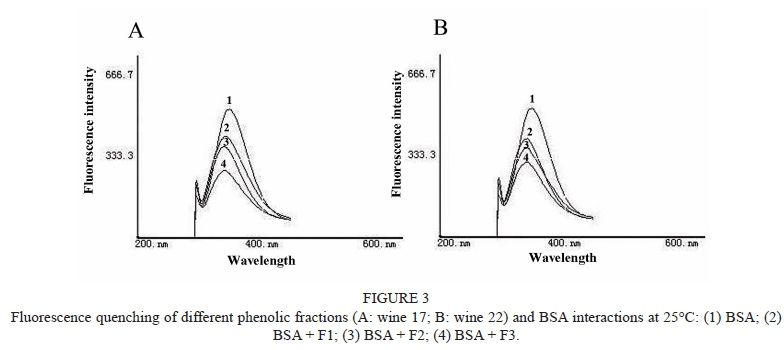
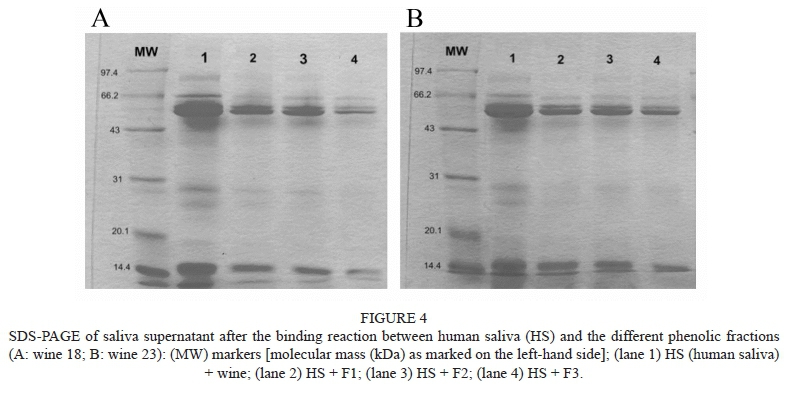
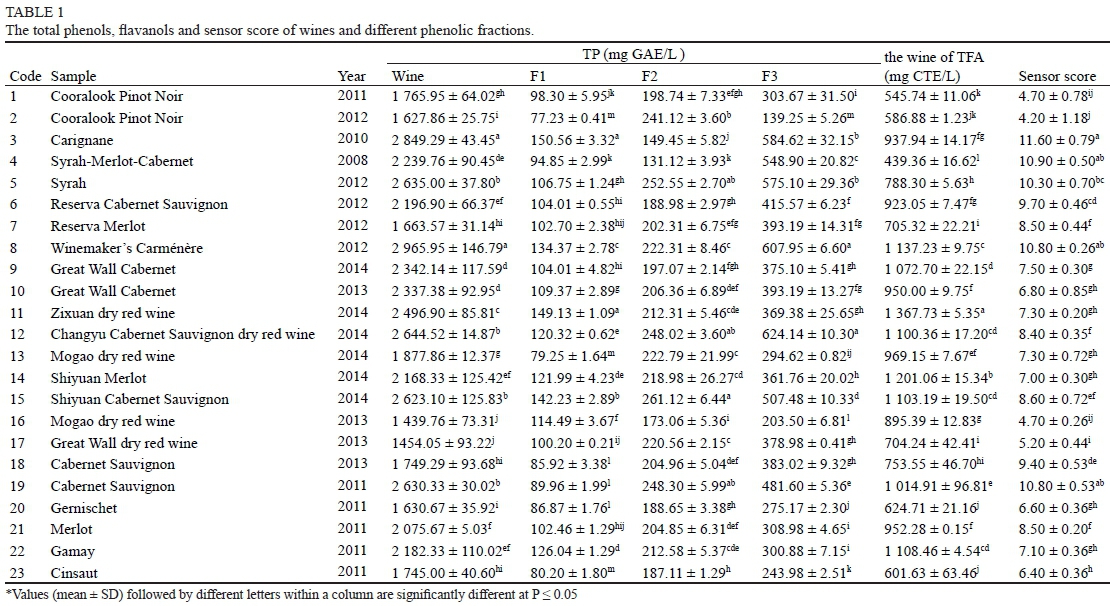
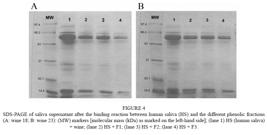
The presence of phenolic compounds can make a great contribution to the perception of astringency in red wines based on their interactions with proteins. Human salivary protein and bovine serum albumin were used in this study to investigate the relationship between astringency and polyphenol composition. The interactions between polyphenols and proteins were analysed by means of electrophoresis and fluorescence spectra, and they were further confirmed by sensory analysis. The results indicate that a positive correlation existed among the percentage of polymeric proanthocyanidins and the total phenols. Additionally, astringent wine was generally identified as having a high percentage of polymeric fragments. In comparison with other fractions, polymeric fractions exhibited the highest affinity for protein, and thus the highest astringency.
Astringency; red wine; polyphenols; polymerisation
 Thumbnail
 Thumbnail