Data-driven Determination of Disease Markers' Threshold Values in Rot-affected Wine Grapes
Abstract
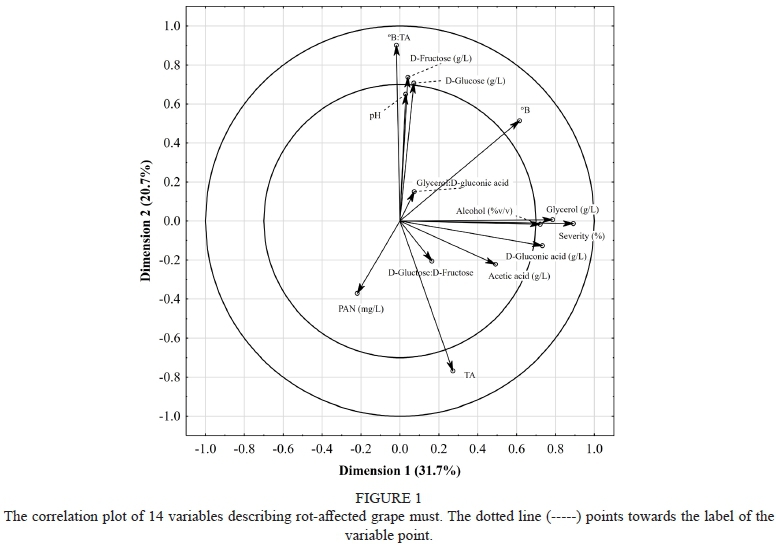
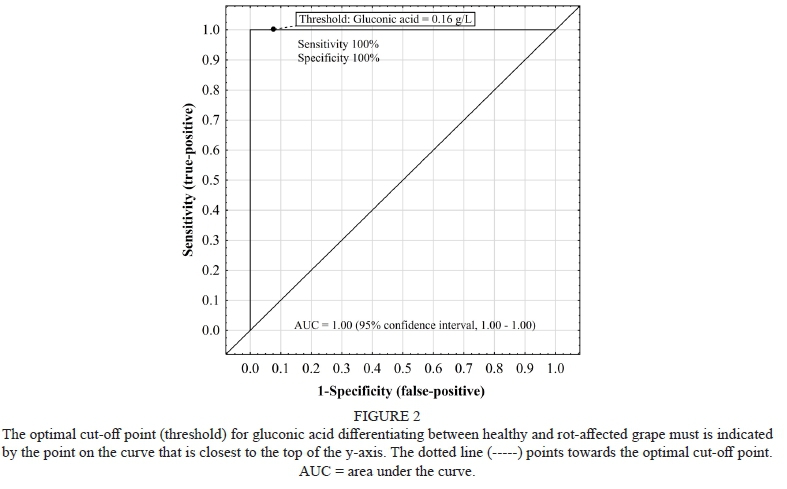
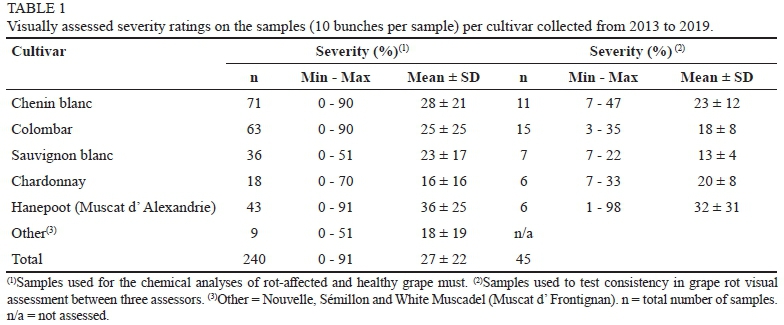
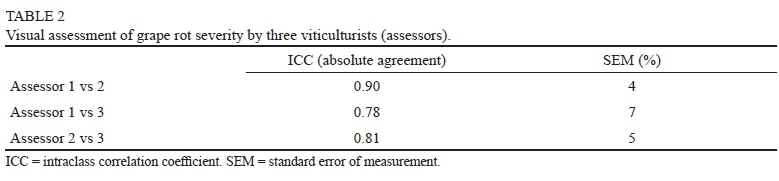
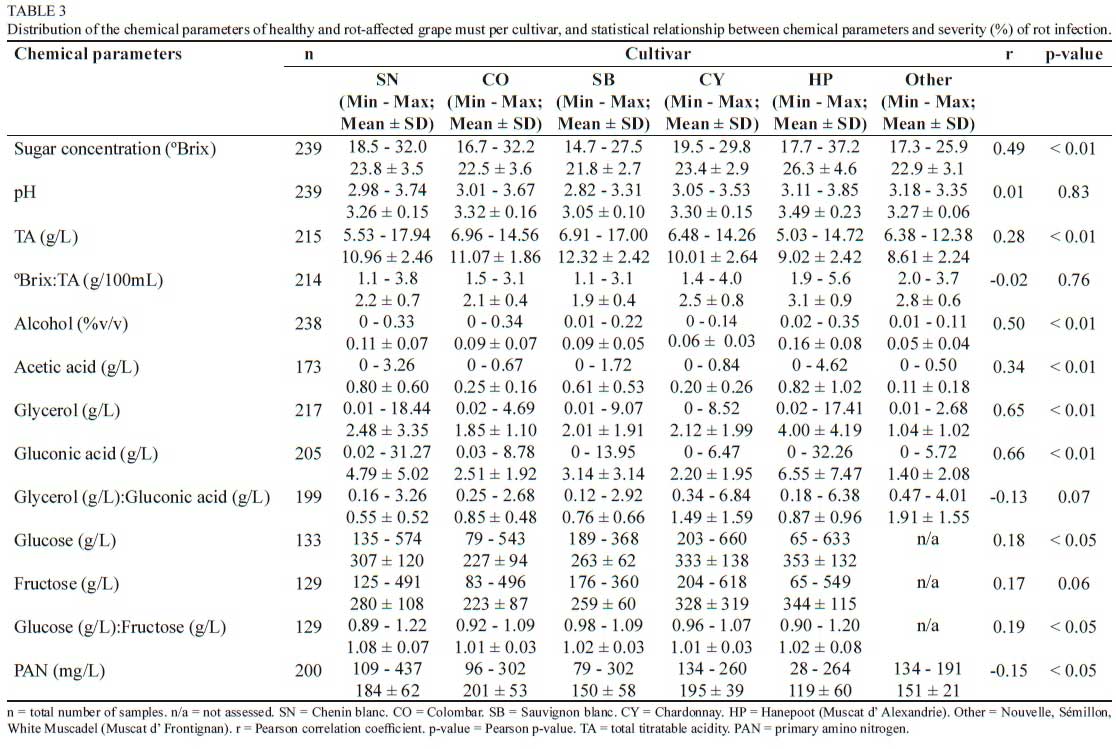
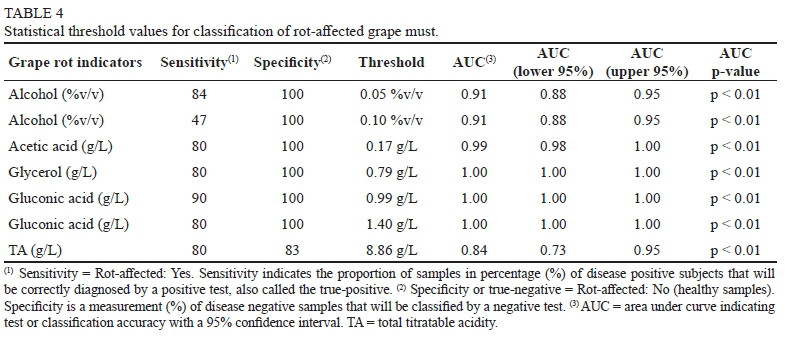
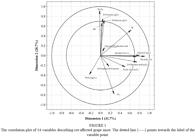
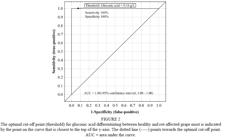
Grapevine bunch rot is detrimental to grape and wine quality. Traditionally, detecting and quantifying the severity of rot infection is executed visually. This study aimed at defining local, area-specific threshold values of rot-associated disease markers. This is a first step towards making informed decisions about the quality of grapes delivered at winery intake. Viticulturists visually assessed on-vine rot infection in nine white wine grape cultivars. Results showed that severity ratings were consistent between assessors. Chemical analyses of the grape must from these assessed samples were done. Multiple factor analysis (MFA) showed that rot severity was positively correlated with glycerol, alcohol, gluconic acid and acetic acid concentrations. As severity increased, gluconic acid, glycerol, alcohol, Brix, acetic acid and total titratable acidity (TA) concentrations also increased. Following the probability chosen for sensitivity and specificity, grape rot indicators' threshold values in white grape must are as follow: Alcohol > 0.10 %v/v; acetic acid > 0.17 g/L; glycerol > 0.79 g/L; gluconic acid > 0.99 g/L; TA > 8.86 g/L. Statistical determined threshold values differentiating between rot-affected and healthy grape must, would eliminate the subjectivity and bias associated with visual assessments.
sour rot; Botrytis cinerea; severity; disease markers; wine grapes; data-driven determination; threshold
 Thumbnail
 Thumbnail