Effects of abiotic factors on phenolic compounds in the Grape Nerry - a review
Abstract
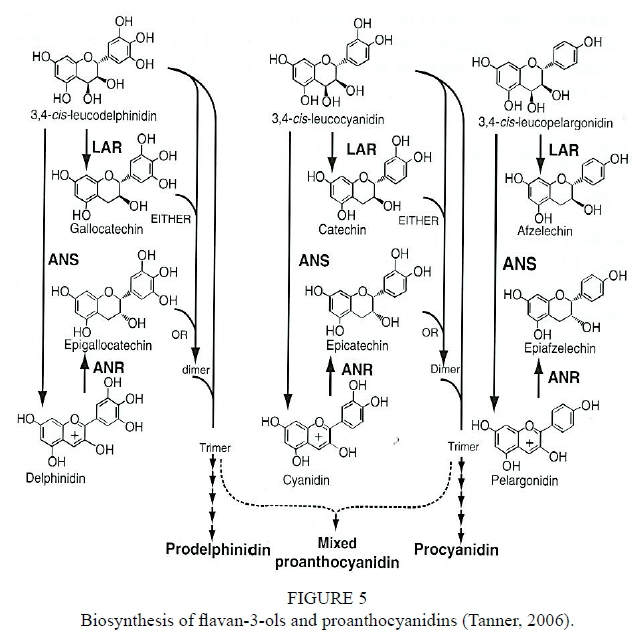
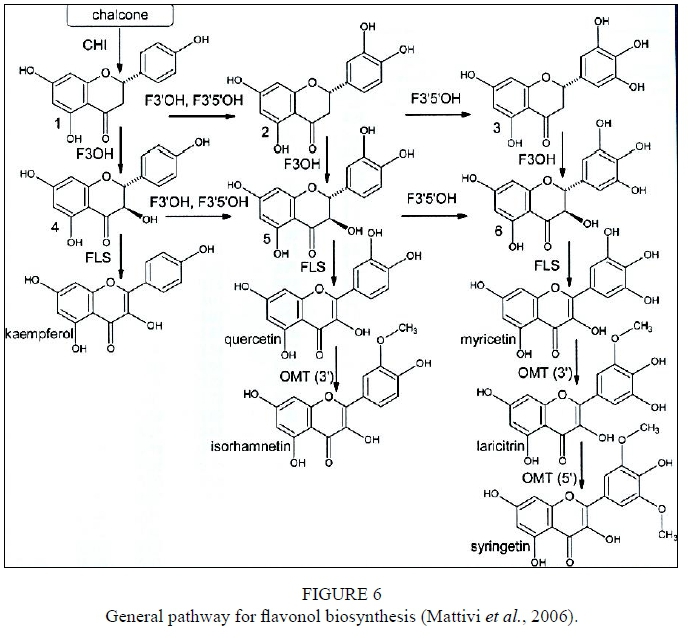
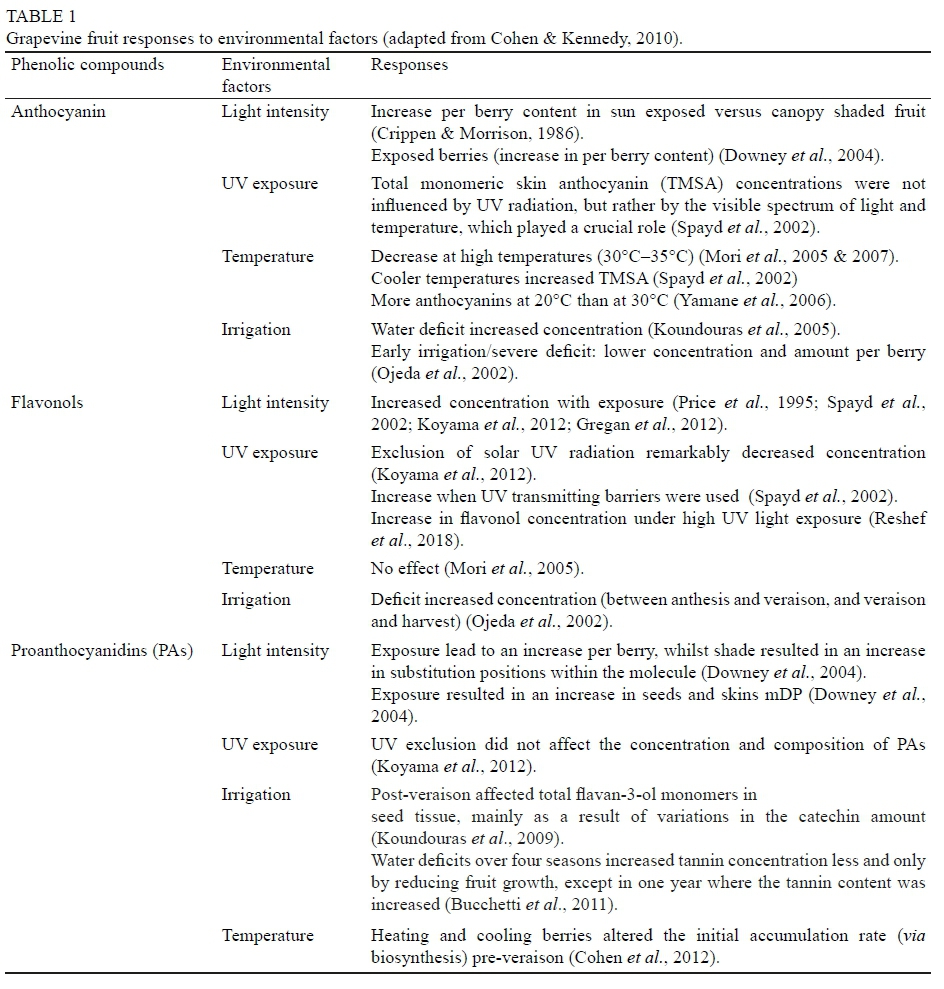
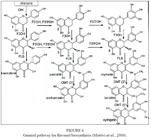
Grape berry phenolic compounds are widely described in literature. Phenolics can be divided into two main groups: flavonoids and non-flavonoids, of which the flavonoids are the most important. The two best-known groups of flavonoids are the anthocyanins and condensed tannins (also called proanthocyanidins). Anthocyanins are responsible for the red colour in grapes. The condensed tannins (proanthocyanidins) are responsible for some major wine sensorial properties (astringency, browning, and turbidity) and are involved in the wine ageing processes. This review summarises flavonoid synthesis in the grape berry and the impact of environmental factors on the accumulation rate during ripening of each of the flavonoids. The impact of the accumulated flavonoids in grapes and the resulting impact on the sensorial aspects of the wine are also discussed.
Flavan-3-ols; anthocyanins; flavonols; ripening; light; temperature; UV-radiation
 Thumbnail
 Thumbnail
 Thumbnail
 Thumbnail
 Thumbnail
 Thumbnail