Influence of acetaldehyde induction on monomeric and polymeric polyphenols in wine using the polyphenol/protein-binding model
Abstract
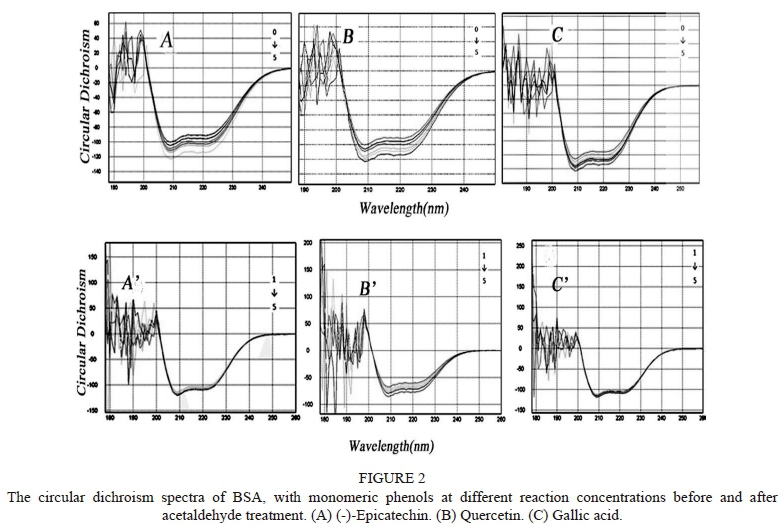
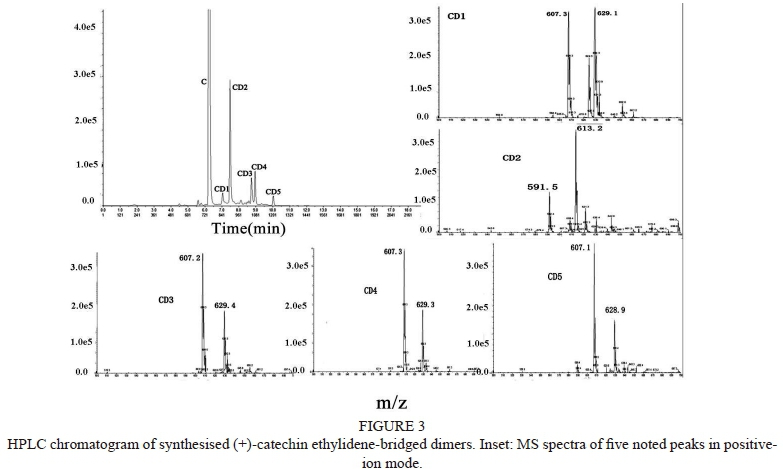
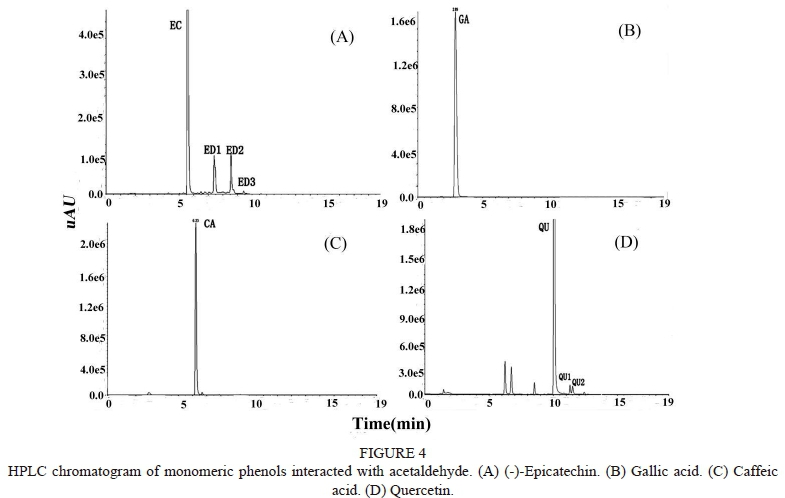
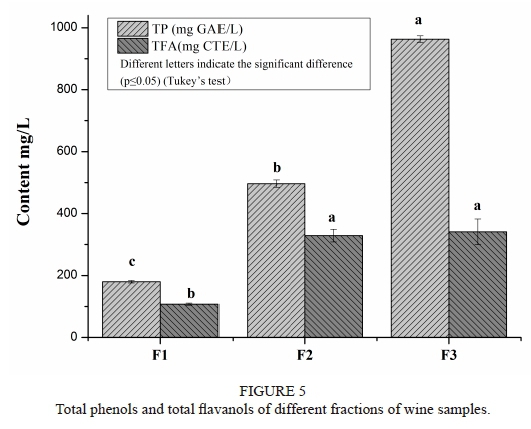
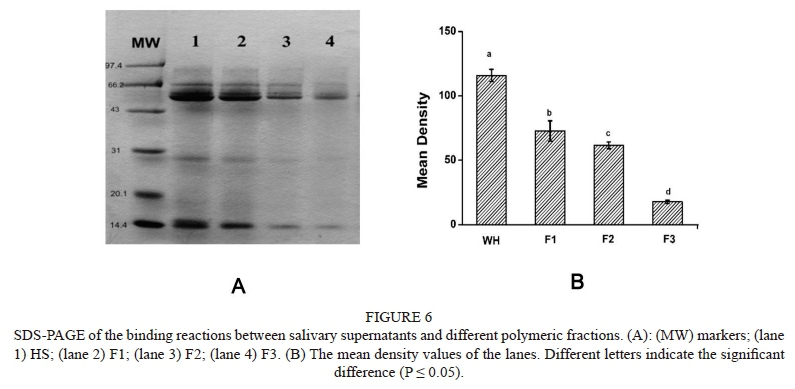
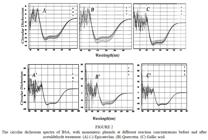
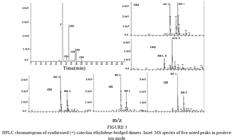
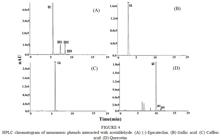
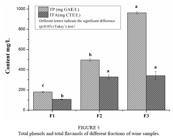
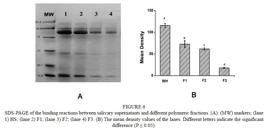
Polyphenols make a substantial contribution to the sensory properties of wine, and their evolution is affected by the acetaldehyde present during fermentation and ageing. In this work, five typical monomelic phenolic standards and three different polymeric flavanol fractions separated from wine were tested for polyphenol/protein binding by means of circular dichroism measurement and fluorescence spectrum assay in the presence or absence of acetaldehyde, and the formation of new oligomeric compounds linked by ethyl bridges was observed through HPLC-MS analyses. The results show that the protein-binding ability of these monomers was in the order of gallic acid > caffeic acid > quercetin > (+)-catechin > (-)-epicatechin, while acetaldehyde exerted a stronger effect on (+)-catechin and (-)-epicatechin monomers. Moreover, different wine fractions had different responses when reacted with proteins with the participation of acetaldehyde, while the polymeric proanthocyanidins produced the largest value (84.67%) of the salivary protein precipitation index and the strongest fluorescence-quenching effect.
Polyphenols; acetaldehyde; protein; monomer; red wine
 Thumbnail
 Thumbnail
 Thumbnail
 Thumbnail
 Thumbnail