Attempted Identification of Causal Constituents of Pink Discolouration in White Wines
Abstract
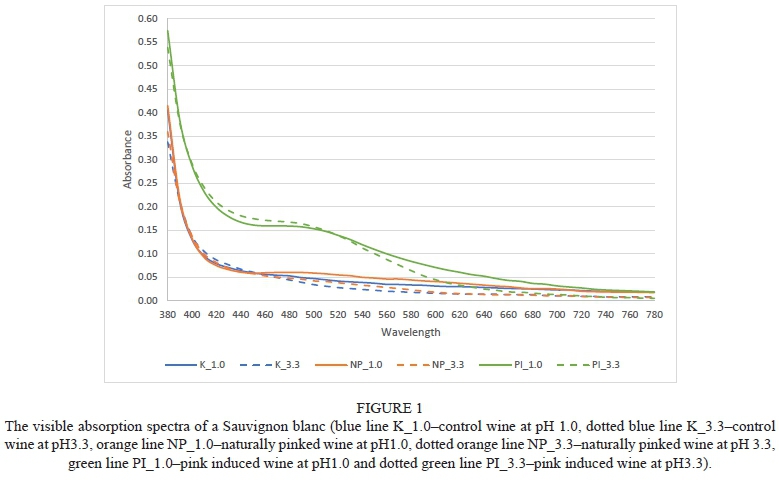
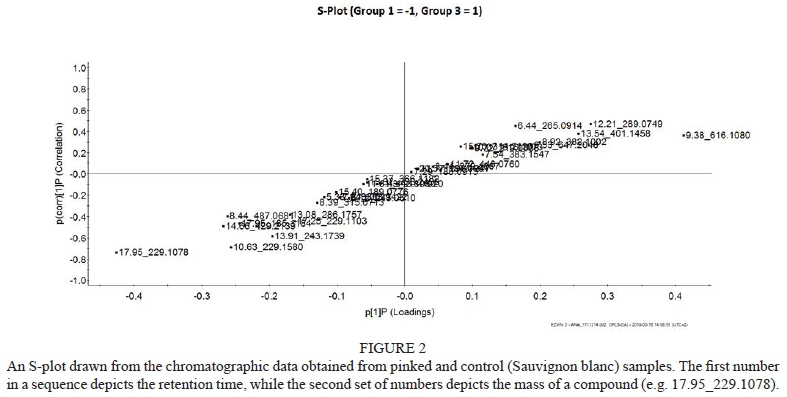
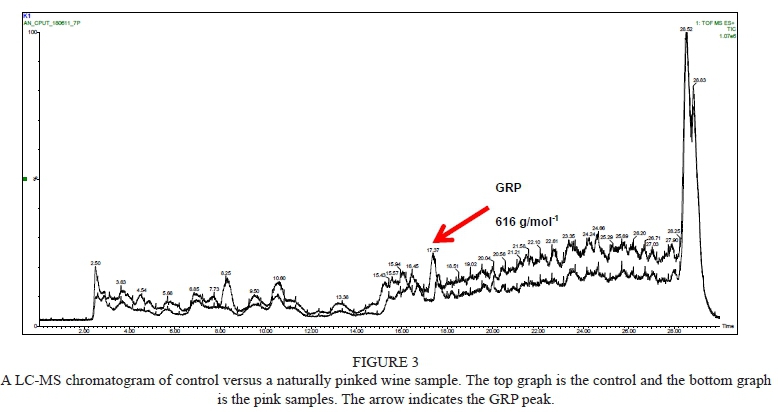
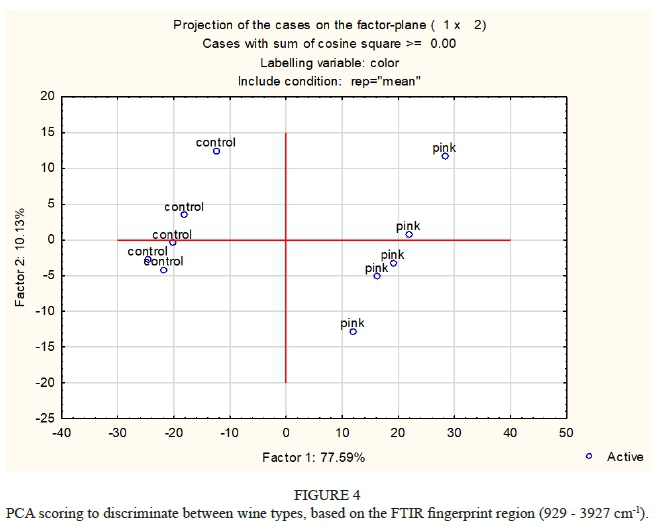
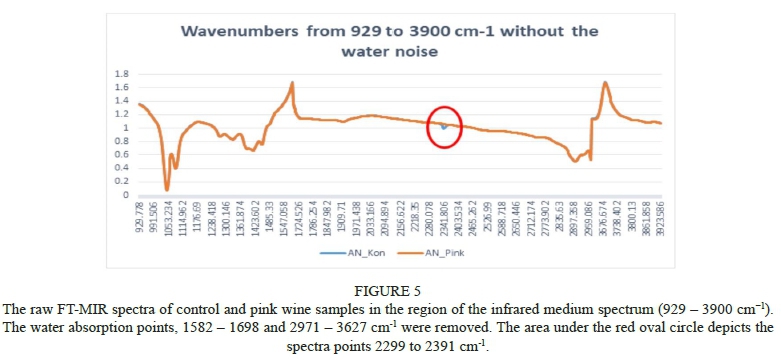
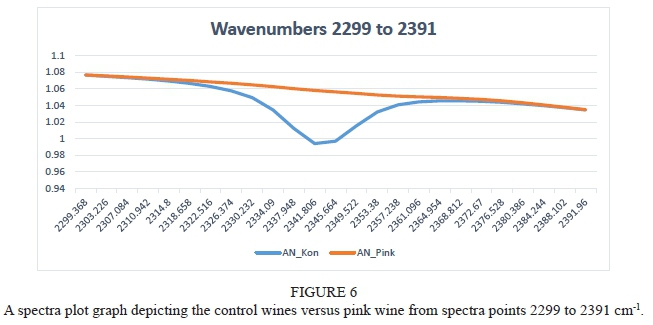
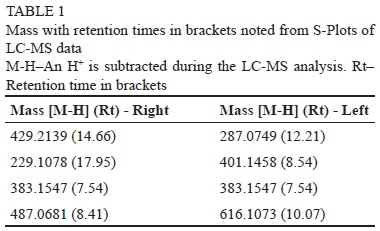
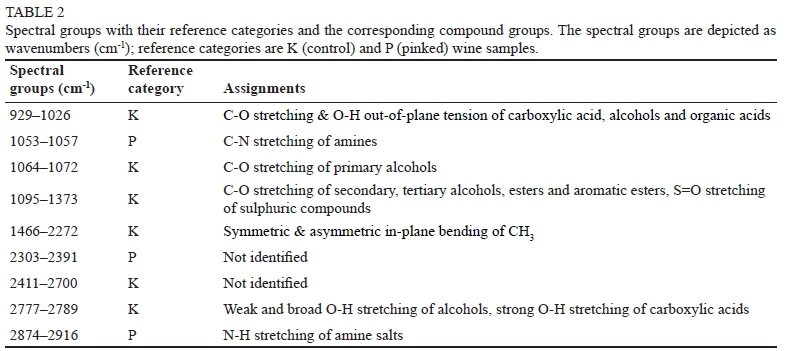
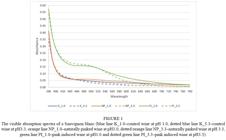
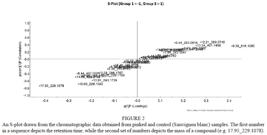
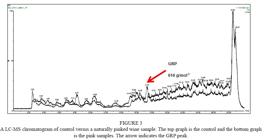
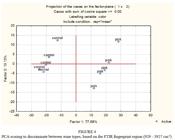
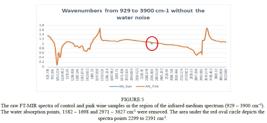
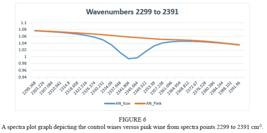
The pinking phenomenon has been known in the wine world for the past 50 years. The phenomenon occurs when a white wine turns pink under certain conditions. Since then, a Portuguese study found malvidin-3-O-glucoside in Siria grapes making a connection to anthocyanin as the causing agent. Control (K), naturally pinked (NP) and pink induced (PI) Sauvignon blanc wine samples were analysed by LC-MS and WineScanTM (Fourier Transform Infrared - FTIR) after Solid Phase Extraction. The monomeric anthocyanins were analysed by a pH differential method, and CieLab was used to differentiate colour differences between the control and pinked samples. It was found that malvidin-3-O-glucoside was below the threshold values to facilitate pinking in Sauvignon blanc wines. Petunidin-3-O-glucoside showed a slight peak in the LC-MS analysis, and together with the malvidin-3-O-glucoside, the potential to pink the white wines increased. FTIR results showed that phenols and anthocyanins absorption could not be distinguished and that there were possibly other compounds involved in the pinking of white wines. Analysis by CieLab expressed the PI wines as a darker pink colour than the control wine and the absorbency value at 500 nm was at least three times higher for PI than the control, showing the aggressive oxidative nature of H2O2 on wine.
Pinking; Sauvignon blanc; malvidin; CieLab
 Thumbnail
 Thumbnail
 Thumbnail
 Thumbnail
 Thumbnail
 Thumbnail